
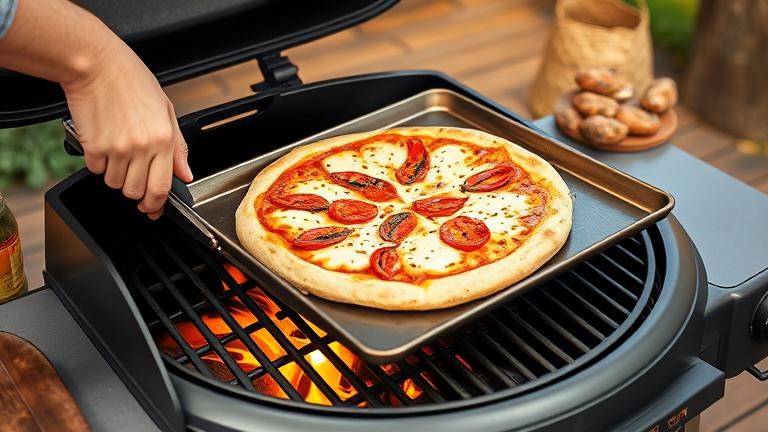
Choosing the Right Cookie Sheet
When it comes to grilling pizza, using the right cookie sheet can make a big difference in the final result. A good cookie sheet helps your pizza cook evenly, develops a crispy crust, and prevents sticking. But with so many options out there, how do you choose the best one for your grilling adventures?
First, consider the material of the cookie sheet. The most common options are aluminum, stainless steel, and sometimes heavy-duty non-stick coatings. Aluminum sheets are popular because they heat up quickly and conduct heat evenly. This helps your pizza get a nice, crispy crust without hot spots that can burn the bottom. Stainless steel sheets are durable and resistant to rust, but they may conduct heat less evenly, so they often require preheating and adjustments during cooking. Non-stick sheets are handy because they make cleanup easier and prevent sticking, especially if you’re worried about the cheese or toppings burning onto the surface. However, not all non-stick coatings are designed to withstand high grill temperatures, so check the manufacturer’s recommendations before using them on the grill.
Next, think about the size and shape of the cookie sheet. For grilling pizza, you’ll generally want a sheet that can hold the pizza comfortably without crowding or spilling over. A standard sheet measuring around 15 by 20 inches works well for most home grills. If you have a smaller grill or want to make personal-sized pizzas, opt for a smaller sheet. Also, consider the shape—the rectangular or quarter-sheet pans are versatile and fit well on most grills. If you have a round pizza, a round sheet or a pizza stone might be better, but a rectangular sheet can still do the job efficiently.
Heat conduction properties are crucial for achieving a crispy, evenly cooked crust. Look for a cookie sheet with a thick, sturdy construction. Thicker sheets tend to distribute heat more evenly, reducing the chance of hot spots that can burn your pizza. Some professional-grade sheets have a raised rim, which helps contain toppings and prevent cheese from sliding off. If you’re serious about grilling, you might also consider investing in a pizza stone or a perforated sheet, which allows heat to circulate around the crust for even better results. Remember that thin, flimsy sheets can warp under high heat, so choose quality for consistency and durability.
- Material: Aluminum for quick, even heat; stainless steel for durability; non-stick for easy cleanup.
- Size: Match the sheet to your grill’s dimensions and pizza size.
- Construction: Look for thick, sturdy sheets for better heat conduction.
Finally, always keep safety in mind. Never leave a cookie sheet with grease or toppings unattended on the grill. Use tongs or heat-resistant gloves when handling hot sheets. With the right cookie sheet in hand, your grilled pizza will turn out perfectly crispy and delicious every time!
Preparing Your Pizza for Grilling
Grilling pizza is a fun way to enjoy a crispy, smoky version of your favorite dish. To get started, proper preparation is key. It helps ensure your pizza cooks evenly and comes out delicious every time. Whether you’re using store-bought dough or homemade, following these simple steps will set you up for success.
Preparing the Dough
Begin with your pizza dough, which can be homemade or bought from the store. If you’re using stored dough, let it sit at room temperature for about 20 to 30 minutes before working with it. This makes it more pliable and easier to stretch.
If you’re making your own dough, ensure it has rested enough so it’s soft and elastic. Lightly flour a clean surface and your rolling pin. Gently stretch or roll the dough into your desired size and thickness. Keep in mind, thinner crusts cook faster and become crispier, while thicker ones are softer and chewier.
Once stretched, transfer the dough to a lightly floured piece of parchment paper or a pizza peel if you have one. This makes transferring the pizza onto the grill easier and prevents sticking.
Handling and Shaping
Shape your dough into a round or rectangular form, depending on your preference and grill size. Don’t worry if it’s not perfectly round—rustic shapes add charm! Just aim for an even thickness so it cooks uniformly.
Before adding toppings, lightly brush the surface with olive oil. This helps prevent sticking and adds flavor. If you like a crispy bottom, you can also lightly oil the underside of the crust before placing it on the grill.
Choosing and Preparing Toppings
Keep toppings simple and balanced. Too many toppings can make the pizza difficult to cook evenly. Use a light layer of sauce, cheese, and your favorite ingredients. Avoid overly wet toppings like fresh tomatoes or watery vegetables unless you drain or pre-cook them. Excess moisture can cause sogginess.
Pre-cook ingredients like sausage or vegetables if they release a lot of water or need more time. Thinly sliced vegetables or small pieces also cook quicker, preventing burning or undercooking. For cheese, shredded mozzarella works great, but adding a sprinkle of parmesan or herbs can boost flavor.
Pre-Prep Steps
Before grilling, ensure your grill is clean and preheated to medium-high heat, about 375 to 450 degrees Fahrenheit. A hot grill gives your pizza a nice char and crispy crust.
Place your prepared dough on a piece of parchment or a pizza peel dusted with flour or cornmeal for easy transfer. This setup helps prevent sticking and makes it easier to slide the pizza onto the grill.
Remember, grilled pizza cooks quickly—usually in about 8 to 12 minutes. Keep an eye on it to avoid burning, and use tongs or a spatula to rotate if you notice one side browning faster.
- Tip: Keep toppings light and avoid overly wet ingredients for better results.
- Tip: Use a pizza peel or parchment paper for easy transfer to and from the grill.
- Tip: Preheat your grill thoroughly before placing the pizza on it.
Step-by-Step Grilling Process
Grilling pizza on a cookie sheet is a fun and practical way to enjoy a crispy, smoky crust right at home. It’s an easy method that doesn’t require fancy equipment, just a little planning and patience. Here are some simple steps to help you get that perfect grilled pizza every time.
First, make sure your grill is ready. Preheating is key to achieving that delicious char and evenly cooked crust. Set your grill to a medium-high heat, around 375 to 400 degrees Fahrenheit. Allow it to heat for about 10-15 minutes, so the grates or baking surface are hot enough to give that crispy finish.
Preparing the Pizza and Grill
- While the grill preheats, prepare your pizza. Roll out your dough to your desired thickness on a floured surface. If using toppings, add them sparingly so the crust stays crispy and everything cooks evenly.
- Pre-generate your cookie sheet by lightly oiling it. This helps prevent sticking and makes cleanup easier.
Grilling the Pizza
- Transfer your prepared pizza onto the oiled cookie sheet. Place it on the preheated grill carefully.
- Cook the pizza for about 4-6 minutes. Keep an eye on the crust and toppings. You’re looking for a golden edge and bubbling cheese.
- After the first few minutes, check the bottom of the crust. If it’s getting too dark, you might want to lower the heat slightly or move the pizza to a cooler spot on the grill.
- Once the edges are golden and the cheese is melted, use tongs or a pizza peel to carefully turn the pizza. This helps ensure both sides get that perfect grill mark and crispy texture.
- Grill for another 3-5 minutes after turning, until the crust is crispy, and the toppings are heated through.
Final Steps and Tips
Use a spatula or tongs to transfer the grilled pizza from the cookie sheet to a cutting board. Let it rest for a couple of minutes before slicing. This helps the toppings set and prevents cheese from sliding off.
For an extra smoky flavor, you can add a little wood chip smoke for the last few minutes of grilling. Just be sure to soak the chips in water beforehand to prevent flare-ups. Also, avoid opening the grill too often, as that loses heat and can prolong cooking times.
Remember, every grill is different. Keep a close eye during your first few tries. Adjust the heat and cooking times as needed for your equipment and your perfect pizza style. With practice, grilling pizza on a cookie sheet becomes an easy, rewarding way to enjoy homemade pizza with a smoky twist.
Tips for Perfectly Crispy Crust
Getting a crispy pizza crust is a goal for many home cooks. A crispy base makes your pizza more enjoyable and mimics that restaurant-quality taste. The good news is, with a few simple tricks, you can achieve that perfectly crunchy crust every time.
One of the most important factors in making a crispy crust is temperature. Baking the pizza at a high heat helps the crust become crispy while keeping the toppings juicy. Aim for an oven temperature of at least 475°F (245°C). If your oven allows, use a pizza stone or baking steel, which retains heat and helps crisp the crust much quicker than a baking sheet.
If you don’t have a stone or steel, don’t worry. You can still get good results by preheating your baking sheet in the oven. Place your dough directly on the hot surface once it’s heated. This sudden burst of heat helps create that lovely crispiness on the bottom of your crust.
When preparing your dough, don’t skip the step of stretching it thin. A thicker crust tends to be softer and less crispy. Use a rolling pin or your hands to spread the dough evenly, keeping a thin layer. Remember, the thinner the crust, the crispier it will be after baking.
Another tip is to be mindful of moisture. Too much moisture from toppings or sauce can make your crust soggy. For best results, brush a light layer of olive oil on the crust before adding toppings. This creates a barrier that helps prevent sogginess and adds flavor.
Additionally, don’t overload your pizza with too many toppings or heavy sauces. Excess moisture can seep into the crust and reduce its crispiness. Use a light hand and prioritize toppings that don’t release too much liquid during baking.
Pay attention to baking time as well. A pizza baked for about 10–15 minutes at high heat usually results in a crispy crust. Keep an eye on it toward the end to prevent burning. If your crust starts browning too quickly, you can lower the oven temperature slightly or move the pizza to a lower rack.
If you want extra crunch, consider finishing the pizza with a brief broil. Switch your oven to broil and let the pizza cook for another 1–2 minutes. Watch closely to avoid burning. This quick blast of heat on the top provides a crispy edge and melty cheese.
- Always preheat your oven well before baking.
- Use a pizza stone or baking steel for even heat conduction.
- Stretch your dough thin for maximum crispiness.
- Apply a light coating of olive oil on the crust before toppings.
- Avoid too many moist toppings to keep the crust crisp.
- Bake at high heat and watch the cooking time closely.
Common Mistakes to Avoid
Grilling pizza on a cookie sheet can be a fun and tasty way to enjoy homemade pizza outdoors. However, many home cooks run into some common mistakes that can lead to less-than-ideal results. Knowing these pitfalls and how to avoid them will help you achieve a crispy crust, melted cheese, and perfectly cooked toppings every time.
One frequent error is not preheating the grill properly. When the grill isn’t hot enough, the pizza can stick to the cookie sheet or absorb too much heat unevenly, resulting in a soggy crust or burnt spots. Always preheat your grill to a medium-high temperature before placing the pizza on it. This ensures the cookie sheet heats evenly and gives your crust a nice crispness.
Another common mistake is using too much sauce or toppings. Overloading the pizza can make the crust soggy and difficult to cook thoroughly. To avoid this, apply a thin, even layer of sauce and choose toppings carefully. Less is often more—extra toppings can cause the pizza to become heavy and prevent the heat from reaching the crust evenly.
Many cooks forget to prepare the cookie sheet properly. Not using enough oil or non-stick spray can cause the pizza to stick, making it hard to remove and potentially tearing the crust. Lightly oil the cookie sheet or use a non-stick spray before placing the dough. This simple step makes a big difference in ease of handling and cleanup.
Another pitfall is opening the grill too often or too early. Frequent opening allows heat to escape, which can result in uneven cooking or a sticky, undercooked crust. Wait until the cheese is bubbling and the crust looks golden before checking. This patience helps ensure uniform doneness.
Some people forget to rotate the pizza during grilling. Because heat isn’t always perfectly even, rotating the cookie sheet halfway through helps cook all sides evenly. Use tongs or a heat-resistant spatula to gently turn the pizza for consistent results.
Lastly, rushing the cooling process can cause the crust to become soggy or floppy. Once removed from the grill, let the pizza sit for a few minutes on a wire rack. This allows steam to escape, keeping the crust crisp and preventing the cheese from becoming rubbery.
- Always preheat your grill and cookie sheet thoroughly.
- Apply toppings sparingly to avoid sogginess.
- Use a light coating of oil on the cookie sheet.
- Be patient and wait for the right doneness signals before opening the grill.
- Rotate the pizza during grilling for even cooking.
- Let the pizza rest briefly after grilling for crispier results.
By keeping these common mistakes in mind, you can elevate your grilled pizza game. With a little practice and attention to detail, your cookie sheet pizza will turn out delicious and perfectly cooked every time.
Serving and Enjoying Grilled Pizza
Once your delicious grilled pizza is cooked to perfection, it’s time to enjoy it! Proper serving and presentation can make your meal even more enjoyable. Plus, choosing the right side dishes and toppings can elevate the whole experience.
How to Serve Grilled Pizza
Start by letting your pizza rest for a few minutes after removing it from the grill. This helps the cheese set slightly and makes slicing easier. Use a sharp pizza cutter or a large, sturdy knife to cut the pizza into slices. Depending on your preference, cut it into wedges or squares for a classic presentation.
If you’re serving several people, consider slicing the pizza before bringing it to the table. This saves time and ensures everyone gets a perfect slice. For a craftful presentation, arrange slices on a platter, perhaps overlapping slightly, to showcase the toppings and vibrant crust.
Presentation Tips
- Use a wooden pizza paddle or serving platter for a rustic look.
- Add fresh herbs like basil or parsley on top for color and flavor.
- Provide small bowls of extra toppings, chili flakes, or grated cheese for guests to customize their slices.
- Pair the pizza with vibrant side salads to contrast the warm, cheesy slices.
Complementary Side Dishes
Side dishes can turn a simple grilled pizza into a complete meal. Light salads, like a crisp arugula and cherry tomato salad dressed in lemon vinaigrette, work beautifully. They add freshness and balance the richness of the cheese and toppings.
For heartier options, serve garlic knots or breadsticks on the side. These are perfect for soaking up any leftover sauce or oils. You might also include a veggie platter with dips, such as hummus or ranch, to add color and variety.
Some classic pairing ideas include:
- Caesar salad with crunchy croutons
- Caprese salad with fresh mozzarella, tomatoes, and basil
- Roasted vegetables like zucchini, peppers, or eggplant
- Antipasto platter with meats, cheeses, olives, and pickles
Tips for the Best Experience
- Serve the pizza hot for maximum flavor and gooey cheese. Keep leftovers warm by placing them in a low oven or on a warming tray.
- If you want neat slices, use a pizza wheel or a sharp knife and press down firmly while slicing.
- Encourage guests to add their favorite toppings or seasonings for a personalized touch.
- Pair your pizza with refreshing drinks like sparkling water, cold sodas, or a light beer to complement the smoky grilled flavor.
Remember, presentation and side dishes are about making your meal enjoyable. Keep it simple, colorful, and flavorful, and your grilled pizza will be the highlight of any gathering!
Troubleshooting and FAQs
Grilling can be incredibly satisfying, but it sometimes comes with a few common challenges. Whether your food isn’t cooking evenly or you’re unsure about safety, this section will help you troubleshoot issues and answer the most frequently asked questions. Think of it as your go-to guide to perfect grilling every time.
Common Problems and How to Fix Them
- Food is burning outside but raw inside: This usually means your grill is too hot or the heat is uneven. To fix this, try lowering the heat to a medium setting and close the lid when cooking thicker cuts. Turning the meat frequently can also help prevent burning.
- Food sticks to the grill grates: Make sure the grill grates are clean and well-oiled before grilling. Use a grill brush to clean off old residue and lightly oil the grates with a high-heat oil like vegetable or canola oil. Avoid turning the meat too early—wait until it releases easily.
- Temperature fluctuations: Sometimes the grill’s heat isn’t steady. Check your grill’s vents and lid to ensure proper airflow—this helps maintain a consistent temperature. Using a good quality grill thermometer can help you monitor heat levels accurately.
- Grease flare-ups: Grease dripping onto the flames can cause flare-ups, leading to uneven cooking or burnt food. To prevent this, trim excess fat from meats and keep a spray bottle of water nearby to tame flare-ups quickly.
- Undercooked or overcooked food: Use a meat thermometer to check internal temperatures. For example, chicken should reach 165°F, and beef steak varies by preference, from 130°F for rare to 160°F for well-done.
Frequently Asked Questions
- How do I know when my food is done?
- Using a meat thermometer is the most accurate way. Check the internal temperature for safety and desired doneness. For instance, ground beef should reach 160°F, while fish is usually cooked at 145°F.
- How can I prevent my food from sticking?
- Start with a clean, well-oiled grill. Let the grill heat up fully before placing the food. Use tongs or a spatula to turn food gently when it releases easily. You can also marinate or oil your meat beforehand for extra non-stick properties.
- What is the best way to clean my grill after cooking?
- Allow the grill to cool slightly, then use a hot grill brush to scrape off residue. For deeper cleaning, remove grates and wash with warm soapy water. Regular cleaning keeps your grill in top shape and prevents sticking issues.
- Can I grill in the rain or cold weather?
- Yes, but be cautious. Wind and rain can affect grill performance and safety. Use a grill cover or canopy to shield your grill from the elements. Keep a close eye on temperature and avoid using the grill if weather becomes unsafe.
Extra Tips for Troubleshooting
- Keep a grill thermometer handy for precise temperature control.
- Preheat your grill for at least 10-15 minutes before cooking.
- Practice patience—avoid flipping food too often to prevent sticking and tearing.
- Record your grilling settings and results to improve your technique over time.