
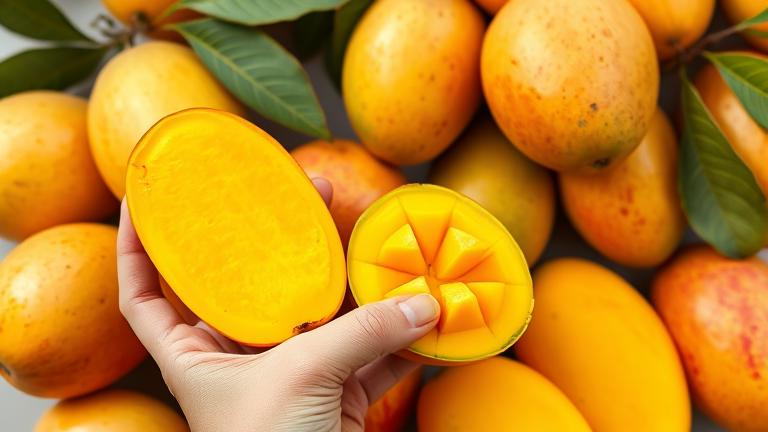
Indicators of Ripe Mangoes
Choosing a ripe mango can make all the difference in enjoying its sweet, juicy flavor. Knowing what signs to look for helps you pick the best mango at your local store or market. Ripe mangoes are usually at their peak flavor and texture, so it’s worth learning how to spot them easily.
The first thing to check is the color of the mango. While color varies depending on the mango variety, generally, ripe mangoes have vibrant and deep hues. For example, many mangoes turn a rich yellow, orange, or a combination of red and green. But don’t rely on color alone, as some varieties stay green even when ripe. So, it’s best to combine color inspection with other signs.
Next, examine the texture of the mango. Gently squeeze the fruit with your fingertips. A ripe mango should yield slightly under gentle pressure, similar to pressing on a ripe avocado or peach. If it feels very hard, it’s likely underripe and not yet sweet enough. If it’s very soft or mushy, it might be overripe or starting to spoil. The goal is a firm but slightly soft mango that feels ripe and ready to eat.
Aroma is another helpful indicator. Bring the mango close to your nose and smell near the stem end. A ripe mango usually has a sweet, fruity aroma that’s inviting. If there’s no smell or it smells sour or fermented, it might not be ripe or could be overripe. A good smell is a sign that the sugars are developing and the fruit is at its best flavor potential.
Look for any blemishes or wrinkles on the skin as well. Minor imperfections are normal, but avoid mangoes with large dark spots, large scars, or mold. Slight wrinkles, especially on the skin, can be a good sign that the fruit is ripe and has developed its full flavor inside. However, too many wrinkles might indicate overripe fruit, so check the firmness too.
Another tip is to consider the shape of the mango. Generally, plump, rounded shapes indicate healthy, mature fruit. Flat or shriveled-looking mangoes may not be as juicy or sweet. Trust your senses and look for a mango that feels heavy for its size, which means it’s full of juice.
To sum up, when selecting the perfect mango, look for a fruit with vibrant color, gentle give when pressed, a sweet aroma, and a plump, slightly wrinkled appearance. Combining these indicators will help you choose a flavorful, ripe mango every time. Remember, it’s okay if the mango isn’t perfectly ripe when you buy it — you can leave it at room temperature for a few days to ripen, then enjoy it at its best.
How to Choose the Perfect Mango
Picking a good mango starts with knowing what to look for. Mangoes are delicious and versatile, but selecting the right one can make all the difference. Whether you’re planning to eat it fresh, slice it into a salad, or use it in a smoothie, choosing a ripe mango ensures the best flavor and texture.
First, let’s talk about firmness. A perfect mango isn’t rock-hard but also not too soft. Gently squeeze the fruit. It should yield slightly under your fingers, similar to pressing gently on a ripe avocado. If it feels overly soft or has mushy spots, it might be overripe. Conversely, a very firm mango might need a few days to ripen at home.
Color is another helpful indicator, but it can be tricky because mango color varies by variety. Some mangoes turn vibrant yellow or orange when ripe, while others stay green. Don’t rely solely on color—look for a combination of color and firmness. If the mango has a blush of red, that’s often a good sign, but some ripe mangoes are green or only lightly colored.
Besides firmness and color, smell is a key olfactory cue. Bring the mango close to your nose and check for a sweet, fruity aroma at the stem end. A strong, pleasant smell indicates the fruit is ripe and ready to eat. If there’s no scent, give it a few days to develop peaks of flavor, or choose a softer fruit that emits more aroma.
Inspect the skin for any blemishes, wrinkles, or dark spots. Small blemishes are okay, but large dark patches or wrinkles may mean the mango is overripe or starting to spoil. Also, avoid fruit with cuts or cracks, as these can allow bacteria to enter and reduce freshness.
Another tip is to consider the variety and source. Some mango varieties ripen earlier or have distinctive flavors and textures. For example, Ataulfo mangoes are smaller, golden, and very sweet, while Haden mangoes are bright red and tangy. Buying from a trusted store or stall can also help ensure better quality.
- Don’t buy mangoes that are extremely hard or very mushy.
- Check for a sweet aroma near the stem each time.
- Look for vibrant colors but remember they vary for each variety.
- Examine for blemishes or wrinkles that might indicate overripeness.
With these practical tips, you’ll be able to select a mango that is ripe, flavorful, and perfect for your favorite recipes. Remember, a good mango is about the right balance of firmness, aroma, and appearance. Happy mango shopping!
Signs of Overripe Mangos
Knowing how to tell if a mango is overripe can save you from wasting good fruit or ending up with a disappointment. Overripe mangos often look, smell, and feel different from perfectly ripe ones. Keep an eye out for these signs the next time you’re choosing a mango or inspecting one at home.
1. Excessive Softness
One of the most noticeable signs of an overripe mango is how soft it feels. When you gently press the fruit, it should give slightly but still maintain some firmness. If it feels mushy or collapses under your touch, it’s probably overripe. Sometimes, overripe mangos can become so soft that they start to leak juice, which is a sign they are past their prime.
2. Sour or Off Smell
Mangoes have a sweet, fruity aroma when ripe. If you notice a sour, fermented, or vinegary smell rather than the usual fragrant sweetness, that’s a clue the fruit has overripe. Sometimes, the smell may be subtly sour or unpleasant. Trust your nose; if it smells off, it’s best not to eat it.
3. Appearance of Mold or Dark Spots
Inspect the mango’s skin carefully. Overripe mangoes often develop dark spots or patches that may indicate decay. Mold can also appear, especially around the stem or in any soft, damaged areas. If you see fuzzy mold or dark, slimy spots, discard the fruit. These signs mean the fruit is no longer safe or tasty to eat.
4. Changes in Color
While mango colors vary by variety, an overripe mango might show dull or duller skin tone compared to a ripe one. Some varieties turn yellow, orange, or red when ripe, but if the color looks faded or blotchy, it could be overripe or starting to spoil.
5. Moisture and Juice Leakage
If the mango is leaking juice or feels unusually wet on the outside, it might be overripe. Excess juice can be a sign that the fruit has broken down inside. This doesn’t necessarily mean it’s spoiled but suggests it’s past its best stage.
Practical Tips to Avoid Overripe Mangoes
- Choose mangoes that are slightly firm but yield gently when pressed.
- Check the stem area for mold or dark spots.
- Smell the mango; it should have a sweet aroma, not sour or fermented.
- Observe the color, but remember that color alone isn’t always the best indicator of ripeness.
- Use overripe mangoes quickly in smoothies, salsas, or baked goods to prevent waste.
By paying attention to these signs, you can pick the best mangoes and enjoy their sweet, juicy flavor at its peak. Keep practicing, and soon identifying overripe fruit will become second nature!
Best Storage Tips for Ripe Mangoes
Ripe mangoes are delicious and juicy, but they can spoil quickly if not stored properly. Knowing how to store mangoes correctly helps you keep their flavor, texture, and freshness for longer. Whether you plan to enjoy them soon or want to prepare them for later, these storage tips will help you make the most of your ripe mangoes.
First, it’s important to handle ripe mangoes gently. They are soft and easy to bruise, so avoid squeezing or dropping them. Check their appearance: ripe mangoes usually have vibrant color and some give when gently pressed. If they are overly soft or have dark spots, they might be overripe and should be eaten soon. Proper storage can slow down ripening and spoilage, keeping your mangoes tasting their best.
Refrigeration
Refrigeration is one of the best ways to extend the life of ripe mangoes. Once they are ripe, place them in the refrigerator to slow down the ripening process. Keep them in the crisper drawer or on a shelf away from other fruits that produce ethylene gas, which accelerates ripening. Aim to consume refrigerated mangoes within 5 to 7 days for peak freshness.
If your mango is sliced or cut, store it in an airtight container or wrap it tightly with plastic wrap. This prevents it from drying out and absorbing other odors from the fridge. Chilled mango pieces are great for snacks, smoothies, or fruit salads. Just remember, the colder temperature can slightly alter the texture, making slices a bit firmer.
Temperature Control and Storage Conditions
Ideally, ripe mangoes should be stored at temperatures between 45°F and 50°F (7°C to 10°C). Too cold and they may develop chill spots, which can damage the fruit, causing discoloration and texture changes. Too warm and they will ripen faster. Maintain a steady, cool temperature in your fridge or in a cool, shaded pantry if you are not refrigerating immediately.
Store mangoes away from direct sunlight and heat sources. Humidity levels should also be moderate; too much humidity can promote mold, while very dry conditions might cause the fruit to dry out. A temperature-controlled environment is best for keeping mangoes fresh without sacrificing quality.
Additional Handling Tips
- Handle mangoes with clean hands to avoid transferring bacteria or dirt.
- If only part of the mango is ripe, you can refrigerate the unripe portion to slow further ripening, while leaving the ripe part at room temperature for quick enjoyment.
- For sliced mangoes, always store in sealed containers or zip-lock bags. Adding a splash of lemon or lime juice can help prevent browning.
- Check your stored mangoes daily. Remove any pieces showing signs of spoilage, such as a sour smell, slimy texture, or mold. This prevents the spoilage from spreading to other fruit.
By following these simple storage tips, you can enjoy your ripe mangoes at their freshest. Proper handling, refrigeration, and temperature control are key to savoring their juicy sweetness longer. Treat your mangoes with care, and they will reward you with vibrant flavor and wonderful texture every time.
Home Ripening Process Explained
If you’ve bought unripe mangoes and want to enjoy their sweet, juicy flavor, knowing how to ripen them at home is very helpful. Whether you prefer natural methods or using ripening agents, understanding the process will give you better control over when your mangoes are ready to eat.
Ripening mangoes is a natural process that involves the conversion of starches in the fruit into sugars, making them sweet and soft. Before ripening, mangoes are firm, green, and less flavorful. As they ripen, they turn yellow or blush and become softer. The key is to encourage this natural ripening process in a controlled way, so your mangoes don’t overripen or spoil.
Ripening Mangoes Naturally
One of the simplest and safest ways to ripen mangoes at home is by using natural methods. You can do this by placing your mangoes in a paper bag, which traps the ethylene gas they emit. Ethylene is a natural plant hormone that speeds up ripening. For best results:
- Put your mangoes in a paper bag. Avoid plastic bags, as they trap too much moisture and can cause mold.
- Close the bag loosely to allow some airflow.
- Keep the bag at room temperature, away from direct sunlight.
- Check the mangoes daily. They might ripen in 2 to 5 days depending on their initial firmness.
If you want to speed up ripening further, add an apple or banana into the bag. These fruits emit additional ethylene, helping the mangoes ripen faster.
Using Ripening Agents
In some cases, you might want to use ripening agents or commercial ethylene sources to speed up the process. Commercial ethylene is available as a capsule or a liquid, but it’s generally not necessary for home use. Instead, most people rely on natural methods, which are safe and effective. If you choose to use ripening agents, follow the manufacturer’s instructions carefully and ensure proper ventilation.
Controlling Ripening and Signs to Watch For
Understanding the signs of ripening helps you pick the perfect mango. Look for:
- A gentle softness when pressed – not too hard or mushy.
- A sweet aroma near the stem area.
- Color change from green to yellow, red, or blush depending on the type.
Once ripe, mangoes should be eaten quickly or stored in the refrigerator to slow further ripening and prevent spoilage. They can last 2 to 3 days in the fridge once ripened.
Common Mistakes to Avoid
- Wrapping mangoes tightly in plastic, which traps moisture and causes mold.
- Placing mangoes in direct sunlight, which can overripe or cook the fruit.
- Waiting too long after ripening, as mangoes can overripen quickly and become mushy.
With a little patience and practice, mastering the home ripening process means you can enjoy perfectly ripe mangoes whenever you like. Remember, each mango may ripen at its own pace, so keep an eye on them daily. Soon, you’ll get to savor that sweet, juicy mango right at its peak of flavor!
Frequently Asked Questions About Mango Ripeness
Many people love ripe mangoes for their sweet flavor and juicy texture, but knowing exactly when a mango is ready can be tricky. In this section, we answer common questions to help you pick the perfect mango every time. Whether you’re unsure how to tell if a mango is ripe or want tips to speed up ripening, we’ve got you covered.
How can I tell if a mango is ripe?
It can be tempting to judge ripeness by appearance alone, but there are more reliable signs. First, look at the color. While colors vary between mango varieties, most ripe mangoes will develop a rich hue — often yellow, orange, or red. However, some mangoes remain green even when ripe. So, don’t rely solely on color.
The best way to tell if a mango is ripe is by gently pressing the fruit. A ripe mango will give slightly under your fingertips, feeling soft but not mushy. Avoid mangoes that are very firm, as they are usually not ready to eat. Also, check the smell near the stem. A sweet, tropical aroma indicates ripeness.
Can a mango be overripe?
Yes, a mango can become overripe if left too long. Overripe mangos often look very soft or even have dark spots or wrinkles on the skin. The flesh inside might be very soft or fibrous. While overripe mangoes are still tasty and great for smoothies or sauces, they’re less ideal for slicing and serving fresh. Always check for any foul smell or mold before eating overripe fruit.
How long does it take for a mango to ripen?
The ripening time depends on how unripe the mango is when you buy it and the ambient temperature. Typically, a mango will ripen in about 2 to 7 days at room temperature. If the mango is very firm when purchased, give it a few days to soften.
To speed up ripening, place the mango in a paper bag. The bag traps natural ethylene gas released by the fruit, encouraging faster ripening. For even quicker results, add an apple or banana to the bag—these fruits emit lots of ethylene and can cut ripening time to around 1-2 days.
What’s the best way to store ripe and unripe mangoes?
Keep unripe mangoes at room temperature. Once they soften and reach your desired ripeness, transfer them to the refrigerator. Cold storage slows down the ripening process and keeps the mango fresh for a few more days. Ripe mangoes should ideally be eaten within 2-3 days for maximum flavor and juiciness.
To store cut mango, place pieces in an airtight container in the fridge. Consume within 1-2 days to enjoy the best taste and texture.
Are there any common mistakes to avoid when ripening mangos?
- Don’t leave mangoes in direct sunlight, which can cause uneven ripening or spoilage.
- Avoid refrigerating unripe mangoes, as cold temperatures slow down the ripening process.
- Don’t squeeze too hard during check for softness, as ripe mangoes are delicate and can bruise easily.
Being gentle and patient is key. Pairing these tips with regular checks will ensure you pick a perfectly ripe mango every time.
Nutritional Benefits of Ripe Mangos
Ripe mangoes are not only sweet and delicious, but they also offer a wide range of health benefits. Packed with essential vitamins, antioxidants, and dietary fiber, they can be a wonderful addition to a balanced diet. Incorporating ripe mangoes into your meals can help boost your overall wellness and support good health.
One of the main health advantages of ripe mangoes is their high vitamin content. They are especially rich in vitamin C, which is important for a healthy immune system. Vitamin C also helps your body absorb iron from plant foods and promotes healthy skin. Additionally, ripe mangoes provide vitamin A, mainly in the form of beta-carotene. This vitamin supports eye health, boosts immunity, and keeps your skin looking vibrant.
Eat a ripe mango to get a good dose of antioxidants. These compounds, like flavonoids and polyphenols, help protect your cells from damage caused by free radicals. Oxidative stress from free radicals has been linked to aging and many chronic diseases. Including antioxidant-rich foods like mangoes can help your body stay in better shape and reduce inflammation.
Dietary fiber is another key benefit of ripe mangoes. Fiber supports healthy digestion by adding bulk to your stool and helping prevent constipation. It also promotes a feeling of fullness, which can be useful if you’re trying to manage your weight. Regularly eating fiber-rich fruits like mangoes contributes to heart health, as fiber helps lower cholesterol levels.
Ripe mangoes are also low in calories but very satisfying, making them a smart choice for snacks. They contain natural sugars that provide quick energy without causing a spike in blood sugar levels. To get the most nutritional benefits, enjoy ripe mangoes raw, or add them to smoothies and salads for a tasty health boost.
Here are some tips for maximizing the health benefits of mangoes:
- Choose ripe mangoes that have a sweet aroma and give slightly to gentle pressure.
- Eat mango skin carefully, as it contains additional fiber and nutrients. Just make sure to wash it thoroughly before slicing.
- Pair mangoes with protein-rich foods or healthy fats, such as yogurt or nuts, to create a balanced snack or meal.
While enjoying ripe mangoes, keep in mind that moderation is key, especially if you are watching your sugar intake. Also, people with certain allergies should be cautious when introducing new fruits into their diet. But overall, adding ripe mangoes to your plate is a tasty way to support your health and enjoy nature’s sweet gift.