
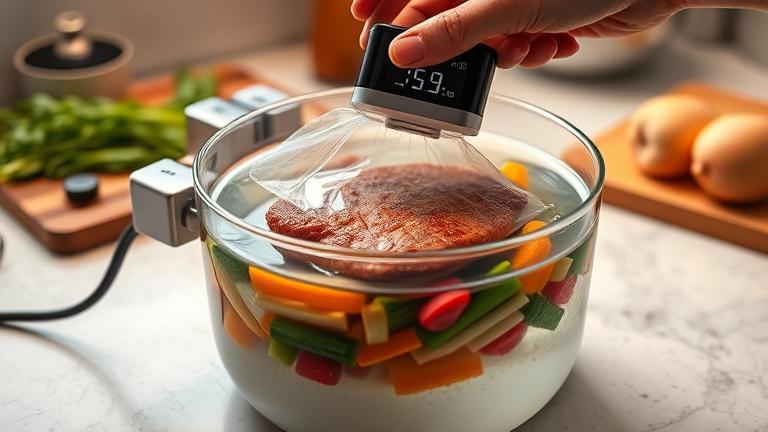
Understanding Sous Vide Cooking: A Precise Culinary Technique
Sous vide cooking is a revolutionary method that involves vacuum-sealing food and then cooking it in a water bath maintained at a specific, precisely controlled temperature. This technique guarantees even cooking and maximizes flavor retention, making it ideal for preparing tender and thoroughly cooked dishes. Both professional chefs and home cooks can benefit from the consistency and perfection that sous vide offers by controlling the exact water temperature throughout the process.
One of the primary advantages of sous vide is its ability to precisely regulate temperature, typically monitored with immersion circulators or specialized water ovens. This control prevents the common issues of overcooking or undercooking, resulting in foods with perfect texture. For instance, cooking steak at a set temperature for several hours can produce a juicy, evenly cooked piece every time, removing the guesswork involved in traditional methods.
Visualizing the Process: How Sous Vide Works
To better understand the process, it’s helpful to see sous vide in action. This video demonstrates the step-by-step technique and offers useful tips for achieving consistently excellent results. Watching the process can clarify how vacuum-sealing, water temperature control, and timing work together to produce perfectly cooked meals.
The Scientific Principles Behind Sous Vide
At its core, sous vide relies on scientific principles such as precise temperature control and vacuum sealing. Maintaining a consistent, low-temperature environment ensures even heat distribution, which is critical for preserving nutrients that are often lost during traditional cooking. This controlled environment prevents overcooking and protects delicate nutrients like vitamins and minerals, resulting in healthier, higher-quality foods.
Because food is cooked at lower temperatures over longer periods, nutrient degradation is minimized. For example, vitamins susceptible to heat, such as vitamin C, are better preserved with sous vide compared to boiling or frying. Scientific research underscores that this method enhances texture and flavor while keeping more nutrients intact, supporting the notion of healthier eating options.
Furthermore, sous vide improves food safety by reducing bacterial growth risk due to the precise temperature control. Several culinary science studies confirm that creating an environment with accurate temperature regulation results in better overall food quality. This scientific approach ensures both safety and culinary excellence, making sous vide a valuable tool in modern gastronomy.
Benefits of Sous Vide for Chefs and Home Cooks
Sous vide offers an array of benefits that appeal to both professional chefs and home enthusiasts. One notable advantage is the enhanced flavor profile. Vacuum-sealing ingredients tightly allows flavors and aromas to meld thoroughly, resulting in more intense and well-rounded dishes.
It also significantly improves the texture of various foods. Meats and vegetables cooked sous vide tend to be tender, juicy, and evenly cooked, circumventing common issues like overcooking or uneven heat distribution.
Another key benefit is the flexibility it provides in meal preparation. It allows chefs and home cooks to prepare parts of a meal in advance and hold them at optimal serving temperatures without risking overcooking. This flexibility is highly valued in professional kitchens and by busy households seeking convenience.
Innovations in Cuisine with Sous Vide
Modern cuisine has been revolutionized by sous vide technology, enabling chefs to achieve precision and tenderness in various dishes. Classic examples include perfectly cooked steaks, lobster, and poached eggs. These foods benefit from the method’s ability to maintain consistent temperatures and preserve rich flavors.
Beyond traditional dishes, sous vide is widely used for preparing delicate desserts such as custards and fruit compotes. Its controlled environment produces smooth textures and intensively flavored creations. Chefs also experiment with infusions of spirits with herbs and spices, creating sophisticated cocktails and flavor infusions.
Innovative chefs push culinary boundaries by using sous vide to prepare vegetables, cheeses, and even chocolates expanding the gastronomic possibilities through modernist techniques.
The Role of Sous Vide in Modern Cooking and Meal Preparation
With sous vide, food preparation becomes more precise, predictable, and efficient. The method ensures even doneness and enhances moisture retention, making it ideal for meats such as brisket, chicken, and pork. It delivers a level of consistency that traditional cooking methods often cannot match, which explains its rising popularity among both amateurs and professional chefs.
In recent years, sous vide has also been adopted for plant-based meals and for creating emulsions or softening ingredients like butter for improved pastry textures. As culinary technology advances, sous vide continues to inspire innovative dishes and modernist cooking techniques.
Mastering Sous Vide: Tips, Tools, and Trends
Perfecting sous vide involves understanding key tips, choosing the right tools, and staying up-to-date with emerging trends. For beginners, selecting a reliable immersion circulator is critical.
Proper sealing techniques are equally important to prevent water entry and preserve food quality.
Emerging trends in sous vide include integrating smart technology that allows remote control via smartphones, enhancing convenience. Devices equipped with app controls and recipe integrations are making sous vide more accessible. Innovations like flavor infusions and multi-functional appliances are also broadening the appeal and capabilities of this technique.