
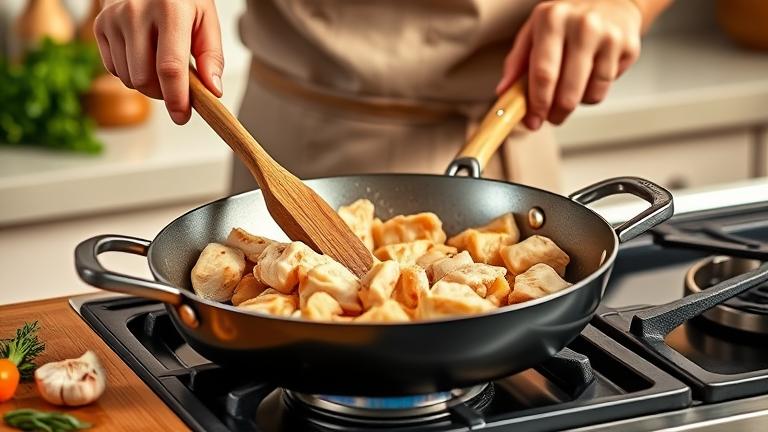
Best Tips for Cooking Chicken in a Pan
Cooking chicken in a pan is a quick and tasty way to prepare a meal. To achieve it just right—juicy on the inside and nicely browned on the outside—there are some key tips worth knowing. These simple tricks will help you attain perfect results every time.
Choose the Right Pan
Start with a good-quality skillet or frying pan. A heavy-bottomed pan, like cast iron or stainless steel, distributes heat evenly. This helps prevent hot spots that can burn your chicken. Non-stick pans are also a great option for easy cleanup and preventing sticking, especially if you’re just starting out.
Prep Your Chicken Properly
Pat the chicken dry with paper towels before cooking. Excess moisture causes steaming instead of searing, which can make the meat soggy. Season your chicken well with salt, pepper, and spices ahead of time. For extra flavor, you can rub the chicken with a little oil or marinade. This keeps the meat moist and enhances browning.
Manage Your Heat
Heat is key to juicy chicken. Start with medium-high heat to create a good sear, then reduce to medium or medium-low as it cooks through. If the heat is too high at the beginning, the outside might burn before the inside is cooked. If it’s too low, your chicken won’t develop a nice crust. Adjust as needed and always monitor the temperature.
Cook in Batches if Necessary
If you’re cooking a lot of chicken pieces, don’t overcrowd the pan. Overcrowding drops the temperature and causes uneven cooking. Cook in batches if needed, giving each piece enough space. This also helps with browning and keeps the chicken tender.
Use a Food Thermometer
To be sure your chicken is cooked safely and thoroughly, check the internal temperature. The safe cooking temperature for chicken is 165 degrees Fahrenheit (75 degrees Celsius). Insert a digital thermometer into the thickest part of the meat to see if it’s ready. Avoid cutting into the chicken to check doneness, as this can let juices escape.
Rest Before Serving
Once cooked, let the chicken rest for about 5 minutes before slicing. Resting allows the juices to redistribute throughout the meat, keeping it juicy. If you cut too soon, the juices tend to run out, leaving your chicken dry.
Extra Tips for Perfect Pan-Cooked Chicken
- Don’t flip the chicken too often. One or two turns are enough to get an even cook and sear.
- For added flavor, deglaze the pan with a splash of broth, wine, or lemon juice after cooking. Scrape up the tasty bits stuck to the pan for a delicious sauce.
- If you’re cooking chicken breasts, pounding them to an even thickness helps them cook uniformly and quickly.
By following these practical tips, you’ll be able to cook chicken in a pan that’s tender, flavorful, and beautifully browned. The right choice of pan, proper preparation, and careful heat management are the secrets to success in your kitchen.
Essential Kitchen Tools You Need
Cooking chicken can be simple and enjoyable when you have the right tools in your kitchen. Whether you’re baking, frying, or roasting, certain equipment makes the process easier and helps you achieve tasty, perfectly cooked chicken every time.
First, you’ll need a few versatile pans. A good quality skillet or frying pan is essential for stovetop cooking like pan-searing or sautéing chicken breasts. Non-stick pans are helpful for easy cleanup and prevent sticking, especially if you’re new to cooking. For baking or roasting whole chickens or chicken parts, a roasting pan or baking dish is ideal. These give even heat distribution and can go straight into the oven.
Next, let’s talk about tools that help you handle the chicken safely and effectively. A sharp chef’s knife or carving knife makes slicing and cutting chicken effortless. Dull knives are unsafe because they require more force and can slip. It’s a good idea to keep your knives sharp and properly maintained.
A reliable spatula or turner is great for flipping or lifting chicken pieces in the pan. Silicone spatulas are heat resistant and gentle on non-stick surfaces. Tongs are also very useful for flipping or transferring cooked chicken from pan to plate without piercing the meat and losing juices.
To ensure your chicken is fully cooked and safe to eat, a good digital meat thermometer is a must-have. It takes the guesswork out of cooking times. Insert the probe into the thickest part of the chicken and check if it reaches the recommended temperature—typically 165°F (75°C) for chicken. Investing in a thermometer prevents undercooking or drying out the meat.
Other handy items include a cutting board, preferably one dedicated to raw meat to prevent cross-contamination. Using separate cutting boards for chicken and vegetables is a good practice. Measuring cups and spoons are useful for marinades and seasoning, helping you keep ingredients balanced.
Having organized storage containers can keep your cooked chicken fresh and ready for leftovers. Clear containers with tight-fitting lids are best because you can easily see what’s inside and prevent spills.
Finally, consider some additional gadgets like a basting brush for applying marinades or oil, and a grill pan if you want that grilled flavor indoors. These tools not only make cooking more efficient but also more fun.
- Tip: Keep your kitchen tools clean and dry to prevent rust and bacteria buildup.
- Tip: Regularly check your thermometer for accuracy and replace if it starts giving false readings.
- Tip: Invest in quality tools; they last longer and work better, making your cooking experience more enjoyable.
With these essential tools in your kitchen, cooking chicken becomes easier, safer, and more successful. Having the right equipment at hand helps you focus on the delicious results rather than struggling with your utensils.
Preparing Chicken for Perfect Results
Getting chicken ready for cooking is an important step to ensure it turns out tender, juicy, and full of flavor. Whether you’re roasting, grilling, or sautéing, proper preparation can make all the difference. Let’s walk through the essential tips for preparing chicken so your dishes come out perfectly every time.
Choosing and Cutting Your Chicken
Start with fresh chicken, and check that it has a nice pale pink color with no funny odors. If you’re using a whole chicken, you’ll want to break it down into smaller parts, like breasts, thighs, or drumsticks. For easier handling, place the chicken on a clean cutting board and use a sharp knife to cut along natural joints or bones.
When cutting chicken, try to make even-sized pieces. This helps them cook uniformly. For chicken breasts, you can slice them horizontally to create thinner cutlets, which cook faster and stay tender. If using boneless chicken, be gentle and avoid tearing the meat apart. Proper cutting not only helps with even cooking but also ensures better marinade absorption.
Marinating for Flavor and Tenderness
Marinating chicken is a simple way to infuse it with flavor and improve tenderness. A basic marinade includes an acid (like lemon juice or vinegar), a fat (olive oil), and seasonings such as garlic, herbs, salt, and pepper. Marinate chicken in the fridge for at least 30 minutes, or up to 4 hours for more flavor.
When marinating, use a non-metallic bowl or a resealable plastic bag to prevent any chemical reactions. Always keep marinated chicken refrigerated and avoid reusing marinades that touched raw meat unless you boil them first for safety. Remember, the longer chicken marinates, the more flavorful and tender it will become, but avoid over-marinating as the acid can start to break down the meat too much.
Seasoning Tips for a Flavorful Finish
Seasoning generously is key to a tasty meal. Start with salt and pepper, then add herbs and spices based on your recipe. For example, paprika and cumin give a smoky flavor, while thyme and rosemary are perfect for roast chicken. Rub seasonings evenly over all sides to build flavor during cooking.
If you plan to cook the chicken later, you can season it in advance. This allows the flavors to penetrate deeper. For an extra boost, consider stuffing herbs or garlic under the skin or inside the cavity if using a whole bird. Remember, seasoning is your chance to make the chicken taste just right for your dish.
Additional Tips and Common Mistakes to Avoid
- Always wash your hands and clean surfaces after handling raw chicken to prevent cross-contamination.
- Avoid overloading marinades with strong flavors if you prefer a more neutral taste.
- Don’t skip drying the chicken with paper towels before cooking; moisture on the surface can prevent browning.
- Give the chicken a little time to sit with the seasoning before cooking, ideally 15-30 minutes, to enhance flavor.
Seasoning Ideas for Flavorful Chicken
Adding the right seasoning can transform plain chicken into a delicious meal full of flavor. Whether you prefer simple salt and pepper or a complex spice blend, there are plenty of ways to make your chicken taste amazing. Experimenting with different seasonings can keep your meals exciting and help you discover favorite combinations.
Basic Seasonings
Starting with simple seasonings is a great way to enhance your chicken without much effort. The most common and versatile are salt, black pepper, garlic powder, and onion powder. These basic ingredients bring out the natural flavor of the chicken and are excellent for everyday meals.
- Salt and Pepper: Classic for a reason. A generous sprinkle of salt and freshly ground black pepper can be all you need. Remember, if using salt, season early enough to let it penetrate the meat.
- Garlic Powder and Onion Powder: Add depth with these powders. They work well on grilled, roasted, or baked chicken.
Herb Blends
Fresh or dried herbs add aroma and complexity. Popular choices include thyme, rosemary, oregano, and parsley. You can use them individually or blend them together for a well-rounded flavor.
- Herb Mix: Combine dried thyme, rosemary, and oregano with a pinch of salt and pepper. Rub this mixture onto chicken before cooking for a Mediterranean-inspired flavor.
- Fresh Herbs: Chopped parsley, cilantro, or basil added after cooking brighten up the dish and add freshness.
Spice Blends
If you like a bit of heat or bold spices, try creating your own spice blends. Curry powder, paprika, cumin, chili powder, and cinnamon bring a rich palette of flavors.
- Smoky Spice Mix: Mix paprika, cumin, garlic powder, and a touch of cayenne pepper for a smoky, spicy taste perfect for grilling.
- Indian Inspired: Combine turmeric, coriander, cumin, and garam masala. Marinate chicken in yogurt with this blend for a flavorful curry or kebab.
Marinades
Marinating chicken is a fantastic way to infuse flavor and tenderize the meat. Use an acid like lemon juice or vinegar with herbs and spices.
- Lemon Herb Marinade: Mix lemon juice, olive oil, garlic, and chopped herbs like rosemary and thyme. Marinate for at least 30 minutes before cooking.
- Asian Style: Soy sauce, ginger, garlic, and a little honey create a savory glaze that’s perfect for stir-fry or grilling.
Tips for Perfect Seasoning
- Always taste your seasoning mixes before applying them to your chicken to adjust salt and spice levels.
- For even flavor, rub seasoning under the skin or use a marinade that covers all sides.
- Let seasoned chicken rest for a few minutes before cooking to help flavors absorb.
- Avoid over-seasoning, which can overpower the natural flavor of the chicken.
Cooking Times and Techniques
Getting your chicken just right depends on choosing the right cooking time and method. Whether you’re roasting, grilling, or braising, knowing how long to cook each cut helps ensure it’s safe to eat and delicious.
When cooking chicken, safety is key. The most important aspect is that the internal temperature reaches 165°F (75°C). Use a meat thermometer inserted into the thickest part of the meat to check. Once it hits this temperature, your chicken is fully cooked and safe to enjoy.
Cooking Times for Different Chicken Cuts
| Chicken Cut | Cooking Method | Approximate Time | Notes |
|---|---|---|---|
| Boneless, skinless chicken breasts | Grill or pan-fry | 6-8 minutes per side | Cook until no pink remains inside |
| Bone-in chicken breasts | Oven roasting | 35-45 minutes at 375°F (190°C) | Use a thermometer to avoid overcooking |
| Chicken thighs (boneless) | Sauté or bake | 25-30 minutes at 375°F (190°C) | Juicier and more forgiving than breasts |
| Chicken thighs (bone-in) | Roast or braise | 45-55 minutes at 375°F (190°C) | Ensure bones reach proper temperature |
| Whole chicken | Roast | 20 minutes per pound at 375°F (190°C) | Check internal temperature in the thickest part |
Cooking Techniques for Perfect Chicken
Choosing the right technique is just as important as timing. Here are some practical tips for getting the best results.
- Searing: Start by searing chicken on high heat for a few minutes on each side to develop a golden crust. Finish cooking on lower heat or in the oven.
- Baking: Use an oven temperature of 375°F (190°C). Cover chicken with foil to retain moisture, especially for bone-in cuts. Remove foil in the last few minutes to crisp up the skin.
- Grilling: Preheat your grill. Oil the grates to prevent sticking. For boneless breasts, cook for about 6-8 minutes per side, turning once.
- Poaching: Submerge chicken in simmering (not boiling) water or broth. Cook for 15-20 minutes until tender. Great for shredded chicken.
Common Mistakes to Avoid
- Overcooking chicken, which can make it dry and tough. Use a timer and thermometer.
- Not letting the chicken rest after cooking. A 5-minute rest helps juices redistribute, keeping it moist.
- Cooking from frozen without proper adjustments. Always thaw chicken first for even cooking.
With these tips on cooking times and techniques, you’ll be able to prepare chicken that is both safe and delicious every time. Remember, practice makes perfect — and each piece is an opportunity to refine your skills!
Common Mistakes to Avoid
Cooking can sometimes feel tricky, especially when it comes to getting the perfect meal.
Knowing the common mistakes can help you make better dishes and enjoy cooking more.
Here are some typical errors home cooks make and easy tips to avoid them.
One common mistake is overcooking or undercooking food.
This often happens when you’re not paying attention to timing or temperature.
For example, vegetables can turn mushy if cooked too long, and meat can be tough if underdone.
To prevent this, follow recipe times closely and use a timer if needed.
Check for doneness by testing texture or using a meat thermometer.
Seasonings are vital to flavor, but many cooks either use too little or too much salt.
Under-seasoning can leave your dish bland, while over-seasoning can overwhelm the flavors.
A good rule is to start with less salt than you think you need, then taste as you go.
Remember, you can always add more, but you can’t take it out once it’s in.
Another mistake is cooking with an improperly hot pan.
A pan that’s not hot enough can cause sticking and uneven cooking, while a pan that’s too hot may burn your food.
To get it just right, preheat the pan on medium heat and test by adding a small drop of water.
If it sizzles and evaporates quickly, your pan is ready.
Adjust the heat as needed for different ingredients.
Tips to Improve Your Cooking Results
- Read recipes thoroughly before starting to understand the steps and timing.
- Use a kitchen timer to avoid overcooking or burning food.
- Taste your dish throughout the cooking process to adjust seasoning smoothly.
- Always preheat your pan before adding oil or ingredients for better results.
Remember, making mistakes is part of learning to cook.
Don’t be discouraged if your first few tries aren’t perfect.
With practice and attention to these common pitfalls, you’ll improve quickly and enjoy better, tastier meals.
Serving and Flavor Combinations
When it comes to serving your cooked chicken, the right sides and sauces can really elevate your meal. Whether you’re preparing a simple weeknight dinner or a special gathering, pairing your chicken with complementary flavors makes all the difference. Don’t be afraid to experiment with different combinations to find what best suits your taste.
Start with classic sides like roasted vegetables, mashed potatoes, or a fresh green salad. These options are versatile and go well with most chicken dishes. For a bit more excitement, try adding some flavorful grains like rice pilaf or quinoa. These provide texture and absorb tasty sauces, making every bite more satisfying.
Now, let’s talk about sauces. A good sauce can turn plain chicken into a showstopper. Popular choices include creamy garlic sauce, tangy barbecue, or a zesty lemon herb dressing. For a healthy twist, consider a yogurt-based sauce with chopped herbs, which adds freshness and a cooling effect. If you like a little spice, hot sauce or a chili-infused glaze adds heat and depth.
Creative Flavor Pairings
- Sweet and savory: Combine honey mustard glaze with roasted sweet potatoes for a balanced flavor.
- Herbs and citrus: Serve grilled chicken with a fresh salsa made from tomatoes, cilantro, and lime.
- Spicy and smoky: Pair smoked paprika chicken with smoky chipotle salsa or roasted corn.
- Asian-inspired: Serve with soy-ginger sauce and steamed jasmine rice, topped with chopped scallions.
Presentation is also key to making your chicken look appetizing. Plate your meal with colorful sides, garnished with fresh herbs like parsley or basil. A drizzle of sauce over the chicken or a squeeze of fresh lemon can brighten up the dish and add a pop of flavor.
Tips for Serving
- Balance your plate: Fill half with vegetables or salads, a quarter with the chicken, and the rest with grains or potatoes.
- Keep sauces warm: Serve hot sauces in small dipping bowls or drizzle warm sauces right before serving.
- Adapt for preferences: Offer a variety of sauces and sides so everyone can customize their meal.
Remember, the key to a delicious meal is harmony in flavors. Whether it’s a simple squeeze of lemon or a complex spicy glaze, the right pairing makes your cooked chicken even more enjoyable. So have fun mixing and matching, and don’t forget to present your plate with care for the best dining experience.