
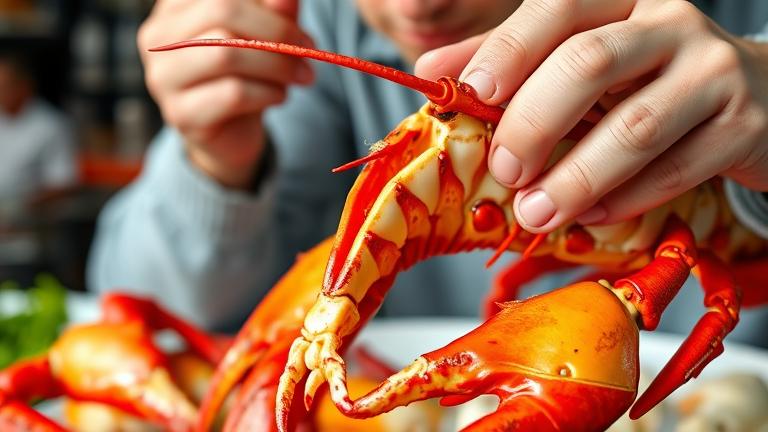
Are Lobster Claws Edible? What You Need to Know
If you’re enjoying a lobster meal, a common question is whether the lobster claws are safe and tasty to eat. The good news is that lobster claws are definitely edible, and they are often considered a delicacy. They contain some of the sweetest, most flavorful meat in the lobster. But before you start cracking into those claws, there are a few important things to keep in mind to ensure a safe and enjoyable experience.
First, it’s worth knowing that lobster claws are packed with meat, typically more so than the body or tail. They have a firm shell that protects the meat inside. This shell is designed like a natural container, making the claws ideal for holding some of the best lobster meat. When prepared properly, they add a delicious and satisfying element to your seafood dish.
Things to Consider Before Eating Lobster Claws
- Check for cracks or damage: Before cooking or eating lobster claws, inspect them for any cracks or breaks. Damaged shells might indicate that the lobster was dead for a while, so be cautious. Only consume claws from fresh, properly stored lobster.
- Cook the claws thoroughly: Raw lobster can carry bacteria, so always make sure the claws are cooked completely. Boiling, steaming, or baking are popular methods that ensure the meat is safe to eat. Proper cooking also makes cracking the shell easier and releases the meat nicely.
- Be mindful of shell removal: Removing the shell from the claw can be tricky if you’re new to lobster. Use a lobster cracker or a nutcracker to gently crack the shell without damaging the meat. A seafood pick or small fork helps extract the meat cleanly.
- Watch for shells or small fragments: After cracking open the claws, carefully check for any small shell pieces. Eating a tiny shard can be uncomfortable or even cause injury, so remove any debris before enjoying the meat.
Safety Tips for Eating Lobster Claws
- Freshness is key: Always serve lobster claws that are freshly cooked. Fresh lobster tastes better and is safer to eat. If you buy pre-cooked lobster, use it within the recommended time frame and keep it chilled until ready to serve.
- Avoid spoiled lobster: If the claws smell unpleasant or have a slimy texture, do not eat them. Spoiled lobster can cause food poisoning even if cooked.
- Handle hot shells with care: The claws can be hot after cooking. Allow them to cool slightly before cracking to prevent burns or accidents.
- Respect your tools: Use the right tools, such as lobster crackers and seafood picks, to avoid injury from sharp shells. Carefully cracking the shells makes eating safer and more enjoyable.
In Summary
In most cases, lobster claws are not only edible but also one of the tastiest parts of the lobster. They are safe to eat when properly cooked and handled with care. Remember to check for freshness, crack the shells gently, and remove any small shell fragments before enjoying that sweet, tender lobster meat. With a little patience and the right tools, you can savor every bit of these delicious claws and make your lobster feast complete.
How to Prepare Lobster Claws Safely
Preparing lobster claws can seem intimidating at first, but with the right tools and safety steps, you can enjoy this delicious treat without any worries. Lobster claws are full of juicy, tender meat, and knowing how to handle them properly is essential to avoid injuries or waste. Here, you’ll find step-by-step guidance to safely prepare lobster claws for eating.
Gather Your Supplies
- Fresh or cooked lobster claws
- Kitchen shears or heavy-duty scissors
- Lobster cracker or nutcracker
- Small fork or seafood pick
- Paper towels
- Protective gloves (optional but helpful)
Make sure your workspace is clean and that all tools are sharp and in good condition. Safety is especially important when handling lobster claws, as the shells can be tough and the tools slippery.
Step-by-Step Preparation Guide
- Chill the lobster claws. If they are cooked, it’s best to chill them in the refrigerator for about 15 minutes. Cold claws are easier to handle and less messy.
- Position the claw. Place the lobster claw on a stable surface, with the opening facing down. Use a towel or gloves if you want extra grip and protection.
- Remove the shell. Use kitchen shears to carefully cut along the sides of the top shell. Start from the joint, cut down both sides of the shell, being careful not to crush the meat inside.
- Separate the shell. Gently pry open the shell with your fingers or a seafood pick. If needed, use the lobster cracker to break the hard end of the claw, but do this slowly to avoid flying shell fragments.
- Extract the meat. Once the shell is open, use a small fork or seafood pick to lift out the tender meat. Take your time to avoid tearing the meat or damaging the shell.
- Clean and serve. Remove any bits of shell and pat the meat dry with a paper towel. Now, your lobster claw meat is ready to be served, whether hot or chilled.
Safety Tips for Handling Lobster Claws
- Always use sharp tools to prevent slipping and accidental cuts.
- Wear protective gloves if you’re new to cracking lobster shells, especially when using a lobster cracker.
- Work with slow, controlled movements to avoid flying shell pieces or injuries.
- Keep your fingers away from the cracking point and shell edges.
- Be patient—rushing can lead to accidents or wasted meat.
Following these simple steps and safety tips helps ensure that preparing lobster claws is both safe and enjoyable. Now you can savor the flavorful, succulent meat with confidence, knowing you handled each step carefully.
Tips for Cooking Lobster Claws Perfectly
Cooking lobster claws can seem tricky at first, but with the right tips, you can enjoy tender, flavorful meat every time. Whether you’re boiling, steaming, or baking, these simple techniques will help you get the best results.
One of the most important things to remember is that lobster claws cook quickly. Overcooking can turn the meat rubbery, so keep an eye on the time. Fresh lobster claws are always best, but you can also cook frozen ones—just be sure to thaw them fully in the refrigerator before cooking.
Choose the Right Cooking Method
Depending on your preference, you can cook lobster claws in several ways. Each method offers a different texture and flavor:
- Boiling: Quick and straightforward, boiling keeps the meat moist and tender.
- Steaming: Gentle and preserves the lobster’s flavor better than boiling.
- Baking: Ideal for adding seasonings or stuffing, baking gives a slightly firmer texture.
- Grilling: Adds a smoky flavor, but requires careful attention to avoid charring.
Preparation Tips
Before cooking, rinse the lobster claws under cold water to remove any dirt or debris. If you want cleaner cracking later, you can use kitchen scissors to cut the top of the shell. Some cooks prefer to tie the claws with kitchen twine, which helps keep the shell intact during cooking, making it easier to crack open and eat.
If you’re boiling or steaming, add salt to your water or use a flavorful broth for extra taste. A good rule of thumb is to use about 2 quarts of water for every pound of lobster.
Cooking Time and Temperature
For boiling or steaming, a general rule is to cook lobster claws for about 5 to 6 minutes if they’re thawed. If they’re frozen, add about 2-3 minutes more. The lobster is done when the shell turns a bright red color and the meat is opaque and firm.
When baking, preheat your oven to 350°F (175°C) and cook for approximately 12–15 minutes, depending on size. Use a meat thermometer to check if the internal temperature reaches 140°F (60°C). This ensures the lobster is cooked through but not overdone.
Tips for Perfect Lobster Claws
- Don’t overcook. Lobster claws are small and cook quickly—shorter times lead to better texture.
- Use tongs or a slotted spoon for safe handling, especially when boiling or steaming.
- Allow cooked lobster to rest for a minute or two after cooking, which helps the juices settle.
- Serve with melted butter, lemon wedges, or your favorite dipping sauces for added flavor.
Common Mistakes to Avoid
- Overcooking the lobster, which makes the meat rubbery and tough.
- Leaving the claws in boiling water too long—timing is crucial.
- Cooking directly from frozen without thawing—this can lead to uneven cooking.
- Not seasoning the cooking water—adding salt and aromatics can improve flavor.
How to Extract Meat from Lobster Claws
Getting the meat out of a lobster claw might seem tricky at first, but with the right approach, it’s easier than you think. Lobster claws are a tasty part of the lobster, rich in flavor and tender when prepared properly. Whether you’re preparing for a fancy dinner or just adding lobster to a salad, knowing how to efficiently extract the meat will save you time and effort.
The key is to handle the lobster carefully and use the right tools. A lobster cracker or small nutcracker works best for cracking the shell without crushing the meat inside. You’ll also need a small fork or pick to extract the meat once the shell is open. Here’s a simple step-by-step guide to help you get perfectly clean lobster claw meat.
Step 1: Prepare Your Workspace and Tools
- Place a towel on your work surface to prevent slipping.
- Gather a lobster cracker or nutcracker, a small seafood fork or pick, and kitchen scissors if needed.
- Have a bowl nearby to collect the extracted meat.
Step 2: Remove the Claw from the Lobster
If the lobster is cooked, let it cool slightly so you can handle it safely. Hold the lobster firmly and gently twist the claw to detach it from the body. If needed, use kitchen scissors to cut through the joint for easier removal.
Step 3: Crack the Claw Shell
- Place the claw on the towel.
- Hold the claw steady with one hand.
- Use the lobster cracker or nutcracker to gently crack the thick part of the claw shell. Don’t crush too hard, as you want to keep the shell intact enough to open without碎ing the meat inside.
If the shell is resistant, try cracking from different angles, but avoid applying too much force, which can damage the meat.
Step 4: Open the Claw and Extract the Meat
Gently pull apart the cracked shell. If some parts are stubborn, use the small seafood fork or pick to carefully loosen the meat. Insert the tool into the crack and gently scrape or lift out the claw meat.
Be patient—taking your time ensures you get the most meat possible without wasting any. If you see the meat is sticking to the shell, gently wiggle the tool to free it.
Tips for Success
- If you’re handling a very hard shell, try warming the lobster slightly or chilling it before cracking, as it can make the shell easier to crack.
- Use a seafood pick for small or tricky areas where the meat is tightly packed. It helps you reach into nooks and crannies.
- Be gentle to avoid tearing the tender meat or splintering the shell into sharp pieces.
Once all the meat is extracted, discard the shells and keep the meat chilled until you’re ready to serve or cook. With a little practice, extracting lobster claw meat will become quick, easy, and less messy. Enjoy your freshly prepared lobster in salads, pastas, or as a delicious standalone treat!
Common Questions About Eating Lobster Claws
If you’re new to eating lobster, you might have some questions about the best way to enjoy those tasty lobster claws. Don’t worry — it’s a common concern, and once you know a few simple tips, you’ll be cracking claws like a pro. Here, we address some of the most frequently asked questions about lobster claws and offer practical advice to make your experience enjoyable and mess-free.
Are lobster claws difficult to open?
Many people wonder if lobster claws are hard to crack open. The good news is, with the right tools and technique, it’s quite straightforward. You’ll need a lobster cracker or a nutcracker, which helps apply steady pressure to break the shell safely. Avoid squeezing too hard to prevent crushing the meat. Just give a firm, even squeeze, and the shell should crack open easily.
If you don’t have a lobster cracker, a strong nutcracker or even the back of a heavy knife can work in a pinch. Also, some prefer to use kitchen scissors to cut through the shell, especially around the pincers. Remember, patience is key — take your time, and you’ll get to the delicious meat inside.
What’s the best way to eat lobster claws cleanly?
Eating lobster claws can get a bit messy, especially if you’re new to it. To keep things tidy, it’s helpful to have a small fork or lobster pick nearby. After cracking the shell, use the fork to gently extract the meat. Some people prefer to use a toothpick or a dedicated lobster pick for tricky sections.
Another tip is to have a bowl of melted butter or a dipping sauce handy. Dip the claw meat for added flavor. To avoid drips and splatters, you can use a paper towel or napkin held around the lobster claw while breaking it open. This keeps your hands cleaner and makes the whole process more enjoyable.
Is it safe to eat all parts of the lobster claw?
Yes, most of the lobster claw meat is edible and safe to eat. The claw contains tender white meat that is rich in flavor. However, be careful when cracking the shell to avoid tiny shell shards that could cut your mouth or damage your teeth. Take your time when opening the shell, and check for any sharp edges before eating.
Some people prefer to avoid eating the shell or cartilage parts, focusing only on the tender meat. It’s always a good idea to inspect the meat after removing it from the shell and discard any small bits of shell or cartilage before taking your first bite.
Are lobster claws smaller than other parts of the lobster?
In general, lobster claws tend to be smaller compared to the lobster tail, which is packed with meat. The claws are compact and contain a mix of meat and sometimes little pockets of fat that add flavor. While they may seem smaller, they are often more concentrated in flavor and worth savoring.
Many find that claw meat has a slightly different texture compared to tail meat—a bit firmer and more succulent. So, even if they look smaller, don’t overlook the claws when enjoying your lobster feast.
Any tips for enjoying lobster claws more easily?
- Warm the lobster slightly before cracking—warm lobster is easier to handle and the meat more flavorful.
- Use the right tools like lobster crackers and picks for cleaner, easier eating.
- Have some melted butter or dipping sauce nearby for flavor and moisture.
- Eat slowly, especially if you’re new to lobster, to avoid mess and waste.
- Dispose of shells properly to keep your eating area tidy.
Eating lobster claws is a delightful experience that gets easier with practice. Once you master cracking and extracting the meat, you’ll be savoring every bite, whether at a fancy dinner or a casual seafood boil. Enjoy the process and, most importantly, enjoy the delicious lobster meat inside!
Health Benefits of Lobster Claws
Lobster claws are not only a delicious seafood treat but also packed with valuable nutrients that can support your health. Including lobster claws in your diet can provide several wellness benefits, thanks to their impressive nutritional profile. If you enjoy seafood, understanding these benefits might encourage you to indulge a little more often.
One of the main advantages of eating lobster claws is their high protein content. Protein is essential for building and repairing tissues, supporting immune function, and maintaining muscle mass. A typical serving of lobster claws can offer around 15-20 grams of high-quality protein, making them a great option for those looking to boost their protein intake naturally.
Besides protein, lobster claws are rich in vitamins and minerals that promote overall health. They are particularly good sources of vitamin B12, which is vital for brain health, nerve function, and the production of red blood cells. A single serving can often meet a significant portion of your daily vitamin B12 needs. Lobster claws also provide zinc, which plays a key role in supporting your immune system and healing wounds, and copper, which helps your body produce energy and maintain healthy connective tissues.
| Nutrient | Amount per 3 oz (85g) serving | Health Benefits |
|---|---|---|
| Protein | around 16 grams | Supports muscle growth and repair |
| Vitamin B12 | about 2.5 mcg | Maintains nerve health and red blood cell production |
| Zinc | at least 1.5 mg | Strengthens immune function and wound healing |
| Copper | about 0.1 mg | Helps produce energy and supports connective tissues |
Omega-3 fatty acids are another standout benefit of lobster claws. These healthy fats are linked to a lower risk of heart disease, improved brain function, and decreased inflammation. While lobster has a moderate amount of omega-3, including it as part of a balanced diet can help boost your intake of these crucial fats.
Eating lobster claws can also support weight management. They are relatively low in calories for a protein-rich seafood, usually around 70-100 calories per 3-ounce serving. Plus, their high protein content can help you feel full longer, reducing the urge to snack between meals. Just remember to prepare them healthily—steaming or boiling instead of frying—to enjoy these benefits without excess fats.
It’s worth noting that lobster claws contain some cholesterol; a serving might have around 60-70 mg. While dietary cholesterol’s impact varies from person to person, if you need to manage your cholesterol levels, it’s wise to enjoy lobster in moderation and include a balanced diet rich in fruits, vegetables, and whole grains.
To maximize health benefits from lobster claws, choose fresh or properly stored frozen options. Cook them thoroughly to prevent foodborne illnesses. With their rich nutrient profile and tasty flavor, lobster claws can be a healthy and satisfying addition to your seafood repertoire, offering both taste and wellness advantages.
Safety Tips When Eating Lobster Claws
Enjoying lobster claws can be a delightful experience, but it’s important to follow some safety tips to ensure your meal remains both enjoyable and safe. Lobster claws are often filled with meat and can be quite satisfying, yet they also require careful handling.
First, always inspect the lobster claws before eating. Look for any sharp edges, cracks, or broken areas. Sometimes, the shells can have jagged edges that might cause cuts if you’re not careful. Using a lobster cracker or seafood fork helps to break the shell safely instead of biting into it directly with your teeth.
Be cautious when handling the lobster’s claws during cracking. Hold the shell firmly but gently to avoid slipping, which could result in injuries. Wrapping a towel or cloth around the shell can give you extra grip and help protect your hands from sharp edges. Remember, shells are tough, so patience and controlled movements are essential.
When using tools like lobster crackers or seafood picks, follow the instructions carefully. Apply gentle, even pressure to crack the shell, rather than forcing it all at once. This prevents shells from flying off unexpectedly and causing injuries. Keep these tools away from children to avoid accidental harm.
Chewing lobster claw meat carefully and slowly is recommended to prevent choking, especially since the meat can be chewy and fibrous. If you find it difficult to chew or if the shell fragments are present, consider removing small pieces of shell from the meat or using a seafood fork for easier eating.
After enjoying your lobster, dispose of shells properly by placing them in a designated trash bag or bin. Leaving shells on the table or floor can lead to slips or cuts. Ensuring cleanliness also helps to keep your eating area safe and tidy.
If serving lobster to children or elderly family members, take precautions such as cutting the meat into smaller pieces and removing any sharp shell fragments. Supervising children during seafood meals is important to prevent accidents and ensure they enjoy the meal safely.
Lastly, be mindful of shellfish allergies. Lobster is a common allergen, and some people may have severe reactions. Always inquire beforehand if anyone has allergies to shellfish to prevent unpleasant or dangerous reactions.
By following these simple safety tips, you can enjoy your lobster claw feast without worries. A little extra caution ensures a fun, delicious, and safe dining experience for everyone involved.