
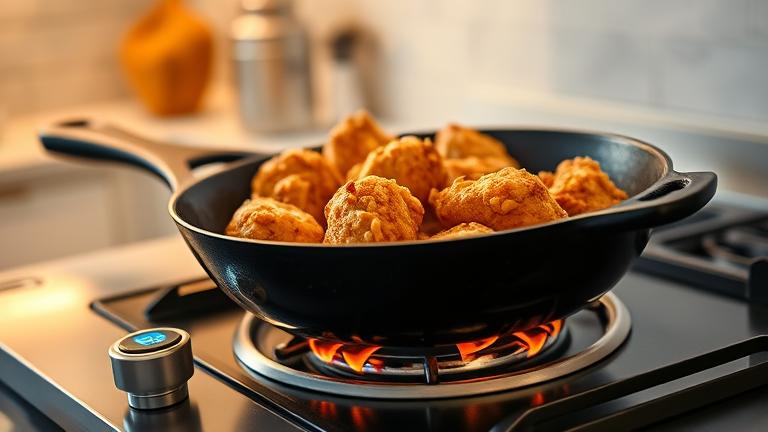
Is High Heat Good for Fried Chicken?
When frying chicken, many home cooks wonder if using high heat is the right choice. High heat can cook the chicken quickly and give it that perfect crispy crust. But it also comes with some risks and considerations. Let’s explore the pros and cons so you can decide whether high heat works for your fried chicken.
Why Use High Heat?
Frying chicken at high heat, usually around 350°F to 375°F (175°C to 190°C), helps produce a crispy, golden-brown crust quickly. This rapid cooking process traps the juices inside, keeping the meat moist. Plus, high heat can prevent the chicken from absorbing too much oil, making it less greasy.
In addition, high heat allows the exterior to cook and brown before the inside gets overdone or dry. Many fried chicken recipes rely on this quick, high-temperature approach to achieve that perfect texture and color.
What Are the Downsides?
While high heat has benefits, it also has downsides. The main concern is safety. Cooking at very high temperatures increases the risk of oil splatters, which can cause burns. It’s important to stay alert and use a deep, heavy pan with a thermometer to keep the temperature steady.
Another issue is that high heat can burn the outside of the chicken before the inside is fully cooked. If the oil is too hot or the chicken pieces are large, the exterior may become dark and crispy while the inside remains raw or undercooked. To prevent this, many cooks start frying at a slightly lower temperature, then turn up the heat at the end to finish crisping and browning.
How to Use High Heat Safely and Effectively
- Preheat your oil to the right temperature — use a thermometer for accuracy.
- Don’t overcrowd the pan. Fry in small batches so the temperature doesn’t drop.
- Maintain a steady temperature. Adjust the heat as needed during cooking.
- Check the chicken’s internal temperature with a meat thermometer — it should reach 165°F (74°C).
- Use a splatter guard or lid, and work in a well-ventilated kitchen to keep safe from hot oil splashes.
Quick Tips for Perfect Fried Chicken
- Start frying at a moderate heat to get the outer color, then raise the heat to crisp the crust.
- Use a heavy, deep pot or fryer for even heat distribution and safety.
- Pat the chicken dry before frying to reduce oil splatters.
- Always monitor the temperature closely — don’t rely on just color or time.
In summary, high heat can be great for fried chicken if used carefully. It helps achieve that crispy, beautiful exterior in less time. Just remember to keep safety in mind, control the temperature, and cook the chicken thoroughly. With a little practice, you can master frying chicken perfectly at high heat.
Best Techniques for Perfect Fried Chicken
Fried chicken is a beloved comfort food and mastering its techniques can make all the difference in achieving that crispy, flavorful, and evenly cooked perfection. Whether you’re a beginner or looking to improve your skills, these practical tips will help you cook fried chicken that everyone will love.
Choose the Right Chicken and Prepare It Properly
Start with high-quality chicken pieces. Bone-in, skin-on cuts tend to be juicier and more flavorful, but boneless thighs or breasts work well too. Before frying, pat the chicken dry using paper towels. Removing excess moisture helps the coating stick better and results in crispier skin.
For extra flavor, consider marinating the chicken in buttermilk for at least a few hours or overnight. The acidity tenderizes the meat and makes it juicier. If you don’t have buttermilk, a mix of milk and a splash of vinegar can work as a substitute.
Perfect Your Coating
The key to a crispy crust is a good breading procedure. First, set up a dredging station with three shallow bowls: one with seasoned flour, another with beaten eggs, and a third with a mixture of flour, salt, pepper, paprika, garlic powder, and other spices you like.
Dip the chicken pieces first into the seasoned flour, then into the egg wash, and finally coat them again with the flour mixture. This double-dipping creates a thicker and more adherent crust that turns extra crispy when fried.
Optimal Frying Technique
Use a heavy-bottomed pot or cast-iron skillet and fill it with enough oil to submerge at least half of each chicken piece. The oil should be heated to about 350°F (175°C). Use a thermometer to check the temperature—buying one ensures consistent results.
To avoid crowding, fry fewer pieces at a time. Overcrowding lowers the oil temperature, leading to greasy chicken instead of crispy. Fry each batch for about 12–15 minutes, turning occasionally, until the chicken reaches an internal temperature of 165°F (74°C).
Maintain the Correct Temperature and Resting
While frying, keep an eye on the oil temperature. Adjust the heat as needed to prevent it from dropping or overheating. Once cooked, transfer the fried chicken to a wire rack set over a baking sheet. This allows excess oil to drain and keeps the crust crispy.
Allow the chicken to rest for a few minutes before serving. Resting helps the juices redistribute, and the crust stays crispier than if you cut into it immediately.
Additional Tips for Success
- Use a thermometer to monitor oil temperature throughout the process.
- Keep the frying area clean and free of excess crumbs or oil buildup.
- Don’t forget to season the flour and the chicken. Taste your spice mix beforehand to get the perfect flavor.
- If you prefer extra crispy skin, add a little cornstarch or baking powder to your flour mixture.
With these techniques, your fried chicken will turn out golden, crispy, and tender every time. Practice makes perfect, so don’t be discouraged by initial tries. Enjoy the process and the delicious results of your efforts!
What’s the Right Temperature for Frying Chicken?
Frying chicken to perfection depends a lot on getting the right temperature. The ideal range is usually between 350°F and 375°F (175°C to 190°C). This temperature helps you achieve crispy skin, juicy meat, and safe cooking. If the oil is too hot, the outside might burn before the inside cooks properly. Too low, and your chicken can turn out greasy and undercooked.
To start, it’s best to use a reliable deep-fry or a thermometer to monitor the temperature carefully. Deep-frying extends the cooking time and makes it easier to keep the oil consistent. Using a thermometer is the most accurate way to avoid surprises. If you don’t have one, practice using a wooden chopstick or a wooden skewer: dip it into the oil, and if bubbles form steadily around it, the temperature is about right.
Maintaining the Temperature
Once you’ve heated your oil to around 350°F (175°C), place your chicken pieces carefully into the oil. Do not overcrowd the pan because adding too much at once drops the temperature quickly. Keep a close eye on the thermometer and adjust the heat as needed to stay within the ideal temperature range.
It’s normal for the temperature to drop slightly when you add the chicken. Expect a decrease of about 25°F (14°C). After adding the chicken, gently raise or lower the heat to bring the temperature back up. This steady control ensures crispy, golden results and fully cooked chicken inside.
Why Temperature Matters
Frying at the right temperature means your chicken gets the perfect crispy crust while remaining juicy on the inside. If you fry at too high a temperature, the outside will burn before the inside cooks through. This can result in a bitter flavor and uneven cooking. Conversely, frying at too low a temperature can make your chicken greasy, as it spends too long absorbing oil.
Safe internal temperature is also important. Use a meat thermometer to check the thickest part of the chicken. The USDA recommends 165°F (74°C) to ensure the chicken is safe to eat. The frying temperature helps you reach that internal temperature quickly and evenly.
Common Mistakes to Avoid
- Oven too high: Burning the crust but leaving the inside undercooked.
- Oven too low: Creating greasy, soggy chicken that lacks crispiness.
- Overcrowding the pan: Causing the temperature to drop sharply, leading to less crispy chicken.
- Not using a thermometer: Guessing the temperature can result in uneven results and safety hazards.
By paying close attention to the temperature and maintaining it throughout frying, you’ll cook chicken that’s crispy, flavorful, and perfectly safe to enjoy. Remember, practice makes perfect, so don’t be discouraged if your first few batches aren’t spot-on. With time, you’ll develop a feel for the ideal temperature and timing for your favorite fried chicken recipes.
Common Mistakes When Frying Chicken
Frying chicken can be delicious, but many home cooks run into common mistakes that affect the final result. Understanding these errors can help you get crispy, juicy chicken every time. Let’s look at some of the typical mistakes and how to avoid them.
One frequent error is overcrowding the pan. When you put too much chicken in at once, the temperature of the oil drops rapidly. This results in soggy, greasy chicken instead of crisp. To prevent this, fry in small batches. Give each piece enough space so they cook evenly and stay crispy.
Another common mistake is using oil that’s not hot enough. If the oil is too cool, the chicken absorbs more grease and doesn’t crisp up properly. Always heat your oil to the right temperature before adding the chicken. A good rule of thumb is about 350°F to 375°F (175°C to 190°C). Use a thermometer to check the temperature. When you add chicken, the oil temperature should stay fairly steady.
Frying chicken at too high a temperature is also a mistake. If the oil gets too hot, the outside will burn before the inside cooks through. This leads to burnt crust and raw meat inside. Keep the heat moderate, and monitor the temperature carefully. Adjust the stove as needed to maintain a steady frying temperature.
Another issue is not preparing the chicken properly beforehand. Skipping the seasoning or not letting the chicken sit with marinade can affect flavor. Also, skipping the breading or coating step can make the crust less crispy. Make sure to season the chicken well and coat it evenly with flour, breadcrumbs, or batter before frying.
A less obvious mistake is turning the chicken too often during frying. Constant turning can cause uneven cooking and disrupt the crust. Instead, place the chicken in the oil, and let it cook undisturbed for a few minutes. When it’s ready to flip, it should release easily from the pan. Use tongs or a slotted spoon to turn the pieces gently.
Finally, forgetting to drain the fried chicken is a common mistake. Placing hot fried chicken on paper towels or a wire rack helps remove excess oil. This keeps the crust crispy and prevents sogginess. Avoid stacking chicken pieces on top of each other while they cool, as this traps steam and softens the crust.
Here are some quick tips to help you avoid these mistakes:
- Use a reliable thermometer to monitor oil temperature.
- Fry in small batches for even cooking and crispiness.
- Maintain a steady frying temperature—not too hot or too cool.
- Prepare and season chicken thoroughly before frying.
- Let the chicken cook undisturbed until ready to flip.
- Drain fried chicken properly to keep it crispy.
Pay attention to these common pitfalls, and your fried chicken will turn out tastier and more satisfying. With practice and patience, you’ll master the art of frying chicken perfectly every time.
Healthier Ways to Fry Chicken
Fried chicken is a favorite dish for many, but traditional frying can add a lot of calories and fat. Luckily, there are simpler ways to enjoy crispy, flavorful chicken without the guilt. These healthier frying techniques help cut calories and reduce fat, making your meal both tasty and better for you.
Baking Instead of Frying
One of the easiest ways to enjoy chicken that’s crispy and delicious is to bake it. Instead of immersing chicken in hot oil, coat pieces with a light layer of oil or cooking spray, then bake them in the oven. This method uses less oil, so you save on calories and fat. Preheat your oven to around 400°F (200°C). Line a baking sheet with parchment paper or a silicone mat for easy cleanup.
Place your coated chicken pieces on the prepared sheet, leaving space between each piece. Bake for 35-45 minutes, turning halfway through, until the chicken is golden brown and cooked through. The result is crispy on the outside and juicy inside, just like traditional fried chicken but with fewer calories.
Using Air Fryers for Crispy Chicken
Air fryers are a game-changer for healthier fried chicken. They circulate hot air around the food, creating a crispy exterior with little to no oil. To use an air fryer, lightly spray chicken pieces with cooking spray or brush with a small amount of oil. Place the chicken in the air fryer basket, making sure not to overcrowd.
Cook at 380°F (193°C) for about 20–25 minutes, flipping halfway through. Many devices have specific settings for fried foods, so check your manufacturer’s instructions. Air frying results in a crunchy texture and rich flavor while using significantly less oil, making it an excellent choice for health-conscious cooks.
Tips for Lower-Fat Deep Frying
- Choose healthier oils such as canola, sunflower, or avocado oil with higher smoke points.
- Look for a temperature around 350°F (180°C) to ensure crispy coating without absorbing too much oil.
- Do not overcrowd the pan. Fry in small batches so the oil temperature stays stable, which prevents excess oil absorption.
- Drain fried chicken on a paper towel immediately after frying to remove excess oil.
Additional Tips for Healthier Fried Chicken
- Use whole-wheat or almond flour instead of traditional white flour to add fiber and nutrients.
- For extra flavor, add spices like paprika, garlic powder, and black pepper to your coating mix.
- Try marinating chicken in buttermilk or yogurt; this can tenderize the meat and reduce the need for excessive breading.
- Portion control helps keep calories in check—stick to smaller pieces or limit your servings.
Combining Methods for the Best Taste
You can also combine techniques, for example, bake the chicken first and then give it a quick spray of oil and a short time in the air fryer. This dual approach enhances crispiness while cutting down on fat. Experimenting with different methods can help you find your perfect balance between flavor and health.
Flavor Ideas for Crispy Fried Chicken
Adding creative seasonings, marinades, and breading mixtures can take your crispy fried chicken from ordinary to extraordinary. The key is to experiment with flavors that complement the crunchy exterior and tender meat inside. Whether you prefer bold spices or subtle herby notes, there are endless ways to customize your fried chicken for every palate.
Start with a good base: a classic seasoning blend often includes salt, black pepper, garlic powder, and paprika for a smoky touch. From here, you can get creative. Think about the flavor profile you want—spicy, savory, or zesty—and build from there.
Seasoning Blends
- Classic Southern Style: Combine salt, black pepper, garlic powder, onion powder, and paprika. For extra heat, add cayenne pepper or chili powder.
- Herb-infused: Mix dried thyme, rosemary, oregano, and basil into your seasoning for a fresh, aromatic flavor.
- Spicy Kick: Add cayenne, chili flakes, or hot sauce into your dry rub or marinade for fiery results.
- Smoky: Use smoked paprika or chipotle powder for a deep, smoky flavor that pairs beautifully with fried chicken.
Marinade Ideas
Marinating your chicken enhances flavor and helps keep it juicy. For a tasty marinade, mix ingredients like buttermilk, hot sauce, garlic, and herbs. Marinate for at least one hour but no more than 24 hours to keep the chicken tender and flavorful.
- Buttermilk-Multitude: Soaking chicken in buttermilk with a splash of hot sauce tenderizes the meat and adds tang.
- Lemon-Herb: Combine lemon juice, garlic, parsley, and a bit of olive oil for a fresh, zesty marinade.
- Spicy Yogurt: Mix Greek yogurt with chili powder, cumin, and coriander for a creamy, spicy marinade that also helps the breading stick better.
Breading and Coating Ideas
The breading is what gives fried chicken its signature crunch. You can stick with classic flour or experiment with different coatings for unique textures and flavors.
- Classic Flour Mixture: Mix all-purpose flour with salt, pepper, and paprika. For extra crunch, add cornstarch or crushed cornflakes to the coating.
- Cracker or Cereal Crust: Crush buttery crackers or cornflakes to make a crispy coating with added flavor.
- Spiced Breadcrumbs: Combine panko breadcrumbs with spices like cumin, turmeric, or chili powder for a flavorful crunch.
- Nutty Coating: Toss crushed nuts or seeds with flour for a rich, textured crust that’s also packed with healthy fats.
Tips for Best Results
- Try adding a pinch of sugar to your breading mixture for a hint of caramelization and balance.
- Shake off excess flour or coating before frying to prevent clumping and uneven frying.
- Use a wire rack to drain fried chicken instead of paper towels to keep it crispy.
- Don’t overcrowd the pan; give each piece enough space to crisp up evenly.
Feel free to combine these ideas to create your own signature flavor. If you love spicy food, add chili powder to your flour and marinade. For those who prefer herbs, fresh thyme or rosemary make a wonderful addition. With a little experimentation, your fried chicken will become a flavor-packed favorite you’ll want to make again and again!
Tips for Extra Crispy Fried Chicken
Getting your fried chicken extra crispy and delicious is all about technique and some simple tricks. If you love crunchy, satisfying chicken, these tips will help you elevate your game. With a little practice, your fried chicken will become everyone’s favorite dish.
1. Choose the Right Flour and Coating
Start with a good flour mix. Many cooks prefer a combination of all-purpose flour and cornstarch or rice flour. The cornstarch adds extra crunch. You can also add a touch of baking powder, which creates tiny bubbles in the coating, making it crispier.
Before frying, consider double-dipping. Dredge the chicken in seasoned flour, dip it back in buttermilk, and coat it again with flour. This layering creates a thicker, crispier crust.
2. Use the Correct Temperature
The secret to crispy fried chicken is the right oil temperature. Heat your oil to about 350°F (175°C). Use a thermometer to monitor it. Too low, and the chicken absorbs oil and becomes soggy. Too high, and the outside burns before the inside cooks.
Maintain the temperature by adjusting your stove’s heat as needed when you add chicken. Fry in small batches to keep the oil temperature steady. Avoid overcrowding, which can lower the heat and result in soggy coating.
3. Properly Prepare and Rest the Chicken
Let the chicken rest after coating it. Place the coated pieces on a wire rack for 10 minutes. This helps the crust adhere better and reduces the chance of it falling apart during frying.
If possible, chill the coated chicken in the refrigerator for 15-20 minutes before frying. Cold chicken hits hot oil better, resulting in a crisp crust. Plus, chilling helps the coating set, so it stays intact.
4. Use the Right Frying Technique
Fry chicken by gently placing it into hot oil, not dropping it from high up, which can cause splattering and uneven coating. Turn the chicken occasionally with tongs to ensure even browning. Cook until an instant-read thermometer shows 165°F (74°C) inside. This guarantees safety and juiciness without overcooking.
Once cooked, drain fried chicken on a wire rack, not paper towels. Paper can trap moisture and make the crust soggy. Keep the chicken warm in an oven set to low while frying the rest.
5. Final Tips for Maximum Crunch
- Spray the cooked chicken lightly with cooking spray or toss in a tiny bit of hot oil to boost crispiness just before serving.
- If you want extra crunchy skin, sprinkle a little extra seasoned flour on top before serving. It sticks to the crust and adds texture.
- Serve fried chicken immediately for optimum crunch. If needed, keep warm in a low oven but don’t cover; steam can soften the crust.
Common Mistakes to Avoid
- Using cold oil or not enough oil, which can cause uneven frying and sogginess.
- Overcrowding the pan, leading to temperature drops and limp crusts.
- Frying at too low or too high heat—always use a thermometer for best results.
With these simple tricks, your fried chicken will become irresistibly crispy and satisfying. Practice makes perfect, so don’t be discouraged if it takes a few tries. Once you master these tips, crispy fried chicken will be your signature dish for gatherings and family dinners.