
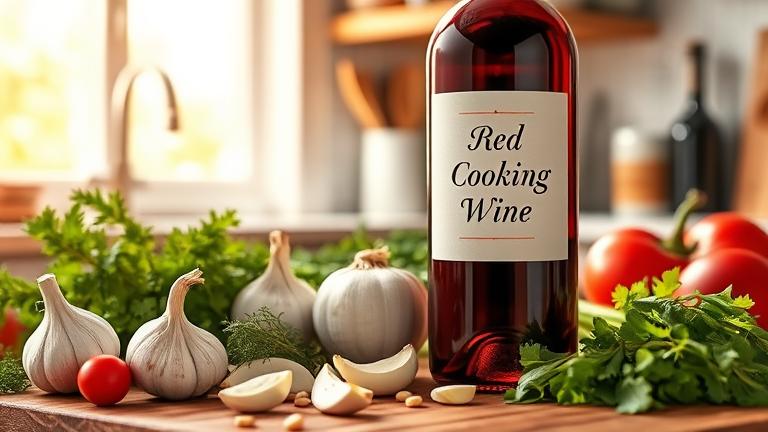
What Is Red Cooking Wine?
Red cooking wine is a special type of wine used to add flavor to a variety of savory dishes. Unlike regular drinking wines, it’s specifically made for cooking purposes. You might find it in recipes for stews, braises, or marinated meats where a rich, deep flavor is desired.
Red cooking wine is typically made from red grapes. It often contains added ingredients like salt, preservatives, and sometimes a small amount of sugar. These extra ingredients help give it a stronger, more concentrated flavor suitable for cooking. Because of this, it usually has a saltier and more robust taste than wines meant for drinking.
Characteristics of Red Cooking Wine
- Color: It is generally dark red or burgundy in color, which can give a lovely hue to sauces and dishes.
- Flavor: The flavor is richer and more intense than drinking wines, with hints of fruit, acidity, and sometimes a slight tang from added salt and preservatives.
- Alcohol Content: It usually has a similar alcohol level as table wine, around 12-14 percent, but it’s not meant to be consumed on its own.
- Consistency: It’s often slightly thicker or more syrupy than regular wine due to added ingredients or preservatives.
Ingredients of Red Cooking Wine
Mostly, red cooking wine is made from red grapes, but the exact ingredients can vary by brand. Common components include:
- Red wine (from grapes)
- Salt
- Preservatives like sulfur dioxide
- Added sugars or sweeteners
- Sometimes flavor enhancers or coloring agents
Many brands add salt to enhance flavor and help preserve the wine. This means that when you cook with it, some saltiness may transfer to your dish. Always check the label if you want to control the salt content or look for low-sodium options.
How Red Cooking Wine Differs from Drinking Wines
Red cooking wine is quite different from the wines you drink for pleasure. Drinking wines, such as Merlot or Cabernet Sauvignon, are crafted to be enjoyed on their own. They focus on balanced taste, aroma, and smoothness.
In contrast, cooking wines are often more concentrated, with added salt, preservatives, and sometimes artificial flavors. They are designed to boost the flavor of dishes, not to be sipped neat. If you use drinking wine in cooking, you’ll get a different result — generally, a more delicate, less salty flavor.
It’s also worth noting that cooking wine tends to be cheaper and less refined in taste compared to drinking wine. For dishes where wine flavor is a key ingredient, it’s best to use actual cooking wine or high-quality drinking wine that suits the recipe.
Practical Tips
- Always taste your dish as you cook. If the flavor of the cooking wine is too strong or salty, you can balance it with a bit of acidity, such as vinegar or lemon juice.
- Keep in mind that cooking wine adds more than just alcohol. It enhances the overall flavor and aroma of your dish.
- If a recipe calls for red cooking wine but you don’t have any, a dry red wine meant for drinking can often be a good substitute, though it may lack the added salt and preservatives.
Common Uses in Recipes
Red cooking wine is a versatile ingredient that adds depth and richness to many dishes. It is commonly used in recipes to enhance flavor, tenderize meat, and create flavorful sauces. If you’ve ever wondered how to incorporate red cooking wine into your cooking, you’re in the right place. Its bold taste pairs well with a variety of ingredients and cooking styles.
One of the most popular uses of red cooking wine is in braises and stews. The wine helps to break down tough fibers in meat, making it more tender and juicy. For example, beef stew recipes often call for a splash of red cooking wine to add a subtle sweetness and complexity to the sauce. It also complements ingredients like carrots, potatoes, and onions, creating a hearty and comforting dish.
Another common application is in marinades and meat dishes. Marinating beef, pork, or chicken with a mixture of red cooking wine, garlic, herbs, and spices can infuse the meat with flavor before cooking. When you cook the marinated meat, the wine helps to tenderize it and develop a richer taste. This technique is especially popular for grilling or roasting meats for a flavorful outcome.
Red cooking wine also plays a key role in creating sauces, especially those served with pasta or rice. When making a simple wine sauce, you can sauté garlic and onions, then add red cooking wine to deglaze the pan. This pulls up all the flavorful bits stuck to the pan and creates a base for a delicious sauce. You can finish it with butter, herbs, or a splash of cream for added richness.
In Chinese and Asian-inspired cuisine, red cooking wine is frequently used in stir-fries and braised dishes. It adds a subtle sweetness and balances flavors, especially when combined with soy sauce, ginger, and sesame oil. Popular dishes like red-cooked beef or pork often include red cooking wine as a key ingredient, offering an authentic and complex flavor profile.
Some other creative uses include adding a splash to tomato-based soups and chili to deepen the taste or mixing it into mashed potatoes for an extra flavorful twist. It can even be used in certain dessert recipes, such as poached fruits or red wine-soaked bread pudding, for a unique aroma and taste.
While experimenting with red cooking wine, keep in mind that its flavor can vary depending on the brand and type. It’s best to use it in cooked dishes rather than raw, as the alcohol content burns off during cooking, leaving behind its rich flavor. Don’t forget to taste and adjust seasoning as you go since the wine can influence the overall flavor of your dish.
Here are some quick tips for using red cooking wine effectively:
- Always cook with the wine rather than adding it raw. This develops flavor and reduces alcohol content.
- Complement it with hearty ingredients like beef, pork, or root vegetables for the best results.
- Use in moderation; a little goes a long way in enriching your dishes.
- Store opened bottles in the fridge to preserve their flavor for longer.
Health Benefits of Red Cooking Wine
Red cooking wine, often used in various recipes to add flavor, may also offer some health benefits. While primarily a cooking ingredient, the small amounts of wine used in dishes can contribute to your diet in a positive way. Recent research suggests that compounds found in red wine, such as polyphenols, might have health-promoting properties.
Polyphenols are natural antioxidants, which means they help neutralize harmful free radicals in your body. These antioxidants are thought to play a role in reducing inflammation and protecting cells from damage. When red wine is used in cooking, some of these beneficial compounds can transfer into the dish, especially if the wine is simmered for a longer period.
One of the most well-known antioxidants in red wine is resveratrol. This compound has been studied for its potential to support heart health. Resveratrol may help improve blood vessel function, reduce blood clot formation, and lower bad cholesterol levels. Although the amounts of resveratrol in cooking wine are usually small, every bit can add up when included as part of a balanced diet.
In addition to antioxidants, red wine contains certain vitamins like B vitamins, which are essential for energy production and brain function. While these vitamins are present in small quantities in cooking wine, incorporating it into meals can contribute to your daily intake, especially if your diet already includes other sources of B vitamins like whole grains and vegetables.
Research Findings and Nutritional Considerations
Many studies focus on moderate wine consumption and its link to a lower risk of heart disease. It’s important to note that the health benefits depend on the amount of wine used and how much alcohol remains after cooking. Typically, simmering wine for a long time reduces the alcohol content significantly, making the dish safer for regular consumption.
However, it’s wise to remember that red cooking wine contains alcohol, which might not be suitable for everyone, such as pregnant women or individuals with certain medical conditions. If you are concerned about alcohol, you can choose non-alcoholic versions or use grape juice as an alternative, which provides similar flavor without the alcohol content.
From a nutritional standpoint, red cooking wine is generally low in calories, carbohydrates, and sugar, especially when used in moderation. It can add depth and richness to your dishes without significantly impacting your calorie intake. The key is to use it wisely and as part of a balanced diet rich in fruits, vegetables, lean proteins, and whole grains.
In summary, red cooking wine can offer some potential health benefits thanks to its antioxidants like resveratrol and polyphenols. Incorporating it into your cooking occasionally might support your overall health, especially when paired with a healthy lifestyle. Remember to enjoy it in moderation and be mindful of its alcohol content for best results.
How to Choose Quality Red Wine
Selecting the right red wine for cooking can make a big difference in your dishes. Whether you’re making a hearty stew or a rich sauce, using good quality red wine adds depth and flavor. But with so many options available, how do you pick a wine that’s both affordable and tastes great in your recipes?
Don’t worry—that’s easier than you think. Here are some practical tips to guide you through the process of choosing a good red wine for cooking.
Consider the Type of Red Wine
The most common red wines for cooking include Merlot, Cabernet Sauvignon, and Pinot Noir. Each offers a different flavor profile that can complement various dishes.
- Merlot: Soft, smooth, and fruity. Ideal for sauces and recipes where you want a mellow wine.
- Cabernet Sauvignon: Bold and full-bodied. Great for hearty stews and braised dishes.
- Pinot Noir: Light and fruity. Perfect for lighter meats and delicate sauces.
While you don’t need an expensive vintage, choosing a wine that you enjoy drinking can enhance your cooking.
Check the Origin and Label
Where the wine comes from can influence its flavor. Wines from regions known for their quality often deliver better taste without a high price tag. For example, wines from France’s Bordeaux or Italy’s Tuscany are popular choices.
Look for labels that say “table wine” or “cooking wine,” but avoid anything labeled “cooking wine with salt” as these tend to have added salt and preservatives. It’s best to pick a wine labeled as “dry” because sweet wines can make your dish overly sweet or unbalanced.
Think About the Flavor Profile
The flavor of the wine should complement the dish. For richer, meaty recipes, go for full-bodied wines with deep flavors. For lighter dishes, choose wines that are more delicate and fruity.
Generally, avoid overly oaked wines when cooking. They can add bitterness or a harsh taste. Instead, opt for straightforward, fruit-forward wines.
Pairing Tips and Common Mistakes
- Tip: Buy a bottle that’s not too expensive. Around $8 to $15 is usually enough for cooking purposes.
- Tip: If possible, sample the wine before buying. If you enjoy drinking it, it’ll likely work well in your dish.
- Avoid: Pretty cheap, sweet, or flavored wines that aren’t intended for cooking. They can spoil the flavor of your dish.
Also, remember that once opened, wine should be used within a few days if not cooked immediately. Store it in a cool, dark place, or refrigerate it for longer storage.
Final Thoughts
Choosing a good-quality red wine for cooking doesn’t mean you need to splurge. Focus on the type, origin, and flavor profile matching your dish’s needs. Don’t be afraid to experiment with different wines to find what works best for your kitchen.
Substitutes for Red Cooking Wine
If you don’t have red cooking wine on hand, don’t worry. There are plenty of simple and tasty alternatives that can work just as well in your recipes. Red cooking wine adds depth and a hint of sweetness to dishes like beef stews, braised meats, and rich sauces. When you can’t find it or want a non-alcoholic option, these substitutes can help you achieve similar flavors without sacrificing taste.
One of the easiest replacements is using red grape juice. It provides the sweetness and fruitiness similar to red wine, especially when paired with a splash of vinegar. For every cup of red cooking wine, try using ¾ cup of red grape juice mixed with a teaspoon of vinegar, such as balsamic or red wine vinegar. This combination mimics the acidity and fruity profile of wine, giving your dish a comparable richness.
Another good option is non-alcoholic red wine. It’s a straightforward swap because it has the same flavors minus the alcohol. This is perfect if you want to keep the authentic taste of your dish. Simply substitute an equal amount, and you’ll maintain the flavor profile without any adjustments.
If you’re looking for a non-alcoholic and more budget-friendly substitute, beef or chicken broth with a splash of vinegar or lemon juice works well. The liquid adds moisture and flavor, while the acid brightens the dish. Mix one cup of broth with a tablespoon of vinegar or lemon juice. Keep in mind this won’t have the wine’s fruity undertones, but it still enhances savory recipes.
Balsamic vinegar can be used in small amounts to add depth and a touch of sweetness. Since balsamic is concentrated and tangy, use it sparingly—about one tablespoon for every cup of wine called for. To balance its flavor, combine it with some water or broth to dilute its acidity and create a more wine-like flavor.
For a vegetarian or vegan option, tomato juice mixed with a splash of vinegar offers a rich, tangy alternative. Use it in hearty stews or chili. The acidity helps mimic wine’s role in tenderizing and flavoring the meat.
Lastly, you can also experiment with red wine vinegar diluted with water. Mix one part vinegar with two parts water to soften the acidity. This is especially handy if you want a quick fix and enjoy the sharp flavor of vinegar in your dish.
Tips for a Successful Substitute
- Adjust the acidity based on your recipe—adding more or less vinegar or lemon juice to balance flavors.
- Start with small amounts and taste the mixture before adding more.
- If you prefer a richer flavor, consider adding a small amount of Worcestershire sauce or soy sauce for added complexity.
- Remember that some substitutes will change the color of your dish slightly, especially if using darker ingredients like balsamic vinegar.
With these options, you can easily replace red cooking wine in most recipes without missing out on flavor. Whether you prefer a quick fix or want to keep the dish alcohol-free, these substitutes are practical, tasty choices that will help your cooking stay delicious.
Tips for Cooking with Red Wine
Cooking with red wine can add depth and richness to many dishes, from hearty stews to flavorful sauces. Using red wine properly enhances the flavor without overpowering your dish. Whether you’re a beginner or have some experience, these practical tips will help you get the best results every time.
Choose the Right Red Wine
Not all red wines are suitable for cooking. Generally, medium-bodied wines like Merlot, Pinot Noir, or Shiraz work well. You don’t need to use expensive wine, but avoid cooking with cheap bottles that may contain too much salt or additives. A good rule of thumb is to use a wine you enjoy drinking, as the flavor will concentrate during cooking.
Determine the Right Amount
Adding too much red wine can overpower a dish, while too little might not give enough flavor. A standard guideline is to use about half a cup (120 ml) to one cup (240 ml) of wine for a pot serving four to six people. For richer meats or stews, you can increase the amount slightly. Remember, you can always add more during cooking if needed.
Cooking Technique and Timing
Red wine should be added at specific stages in your cooking process to maximize flavor. For stews or braises, add the wine after browning your meat and before simmering. Let it cook uncovered for a few minutes to allow the alcohol to evaporate and the flavors to meld. This process, called reduction, concentrates the taste and removes any harsh alcohol notes.
Always simmer the dish after adding wine and avoid boiling it rapidly, which can toughen meats and sometimes make the wine bitter. The goal is to allow the wine’s flavors to enhance the other ingredients without overpowering them.
Pairing and Flavor Balance
The flavor of red wine can greatly influence the taste of your dish. If your recipe includes ingredients like tomatoes, garlic, or herbs, choose a wine that complements these flavors. For example, a bold Cabernet Sauvignon pairs well with red meats, while a lighter Pinot Noir is good with chicken or mushrooms.
- Use herbs like thyme, rosemary, or bay leaves to enhance the wine’s flavor.
- Add a splash of red wine vinegar or a pinch of sugar if the dish tastes flat or too acidic.
Storage and Safety Tips
Leftover wine after cooking should be stored in an airtight container in the fridge and used within a few days. If you have an open bottle, you can freeze it in ice cube trays for future use in cooking.
Always be cautious when adding alcohol to hot dishes—keep a safe distance from flames to prevent flare-ups, especially if you’re flambéing or working near open flames. Remember, alcohol evaporates during cooking, but some residual amount remains unless you simmer it long enough.
Common Mistakes to Avoid
- Using too much wine, which can overpower the other flavors.
- Adding wine too early or too late in the cooking process.
- Using wine that’s already opened and has been sitting around for too long—prefer fresh or properly stored wine.
- Not allowing enough time for the wine to reduce and meld with the dish.
By following these tips, you’ll be able to incorporate red wine into your cooking confidently. It’s a simple way to add complexity and richness, transforming everyday meals into memorable dishes.
Final Thoughts and Recommendations
Incorporating red cooking wine into your recipes can add depth and richness to a variety of dishes. From hearty stews to flavorful marinades, this versatile ingredient can elevate your cooking in simple ways. Remember, choosing a good quality red cooking wine can make a noticeable difference in the final taste.
When using red cooking wine, it’s important to follow some basic tips to get the best results. Always add it in moderation to avoid overpowering your dish. A good rule of thumb is to start with a small amount, then taste and adjust as needed. Since red wine can enhance the flavor, it’s especially great for beef, lamb, and vegetable dishes.
Here are some practical tips for including red cooking wine in your culinary repertoire:
- Use the right wine: Choose a red wine you enjoy drinking. While you don’t need expensive bottles, a decent quality wine will give better flavor.
- Marinate meats: Red wine makes a great marinade base for tougher cuts of beef or lamb. Let the meat soak for at least an hour to tenderize and flavor it thoroughly.
- Cook with balance: Add wine during simmering or braising so its flavors meld into the dish. Avoid pouring large amounts directly at the end, as it may taste harsh.
- Reduce for richness: To concentrate flavors, simmer the wine before adding it to your dish. This method also cooks off the alcohol, leaving behind the deep, complex taste.
Be cautious about using too much wine, especially if you’re cooking for children or those sensitive to alcohol. Cooking generally reduces alcohol content significantly, but it’s good to keep portions reasonable.
In summary, red cooking wine is a handy ingredient that can enhance many recipes. With simple choices and careful use, you can enjoy its rich, full-bodied notes without overwhelming your dishes. Experiment and find what works best for your taste and cooking style. Remember, practice makes perfect, and every kitchen adventure is a chance to learn and improve.