
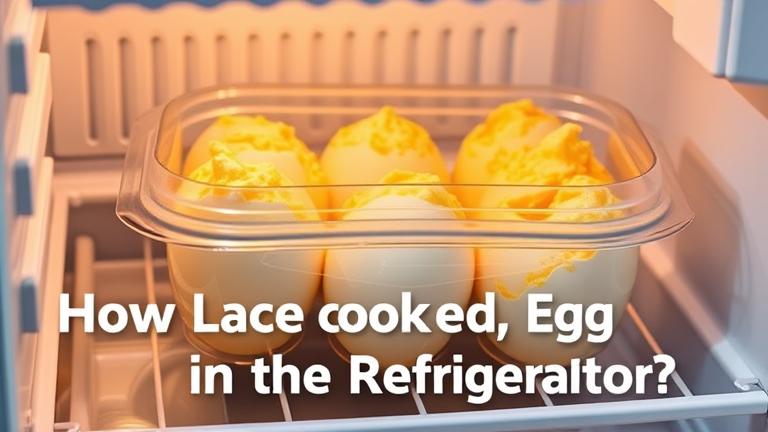
Introduction to Storing Cooked Eggs
Storing cooked eggs properly is essential for keeping them fresh, safe, and enjoyable to eat later. Whether you’ve boiled a batch for breakfast or cooked eggs in a casserole, knowing how to store them correctly helps prevent spoilage and foodborne illnesses.
Many home cooks overlook the importance of proper storage, but bacteria can grow on eggs that are left out too long or stored incorrectly. By following some simple guidelines, you can extend the life of your cooked eggs and ensure they stay safe to consume.
Why Proper Storage Matters
Cooked eggs are perishable, just like raw eggs. Once cooked, their protective shell is often removed or broken, making them more vulnerable to bacteria. Keeping cooked eggs at the right temperature slows down bacteria growth and preserves their flavor and texture.
In addition, storing eggs correctly helps prevent them from absorbing other odors from your refrigerator, which can spoil their taste. Proper storage also reduces waste, saving you money and reducing food waste at home.
How Long Can Cooked Eggs Be Stored?
| Type of Cooked Eggs | Storage Time in Refrigerator |
|---|---|
| Boiled eggs (still in shell) | up to 1 week |
| Hard-boiled eggs (peeled or unpeeled) | up to 1 week |
| Scrambled or cooked eggs (leftovers) | 3 to 4 days |
| Cooked egg dishes (quiche, casseroles) | 3 to 4 days |
Always remember, these are general guidelines. If eggs develop a strange smell, slimy texture, or discoloration, it’s safest to discard them. When in doubt, trust your senses and prioritize safety.
Tips for Storing Cooked Eggs
- Store eggs in airtight containers or wrap them tightly with plastic wrap. This keeps out odors and prevents moisture loss.
- Let cooked eggs cool to room temperature before refrigerating to avoid raising refrigerator temperature and condensation.
- Label storage containers with the date to keep track of freshness.
- Place cooked eggs on a shelf in the refrigerator, not in the door, to keep a consistent temperature.
- Avoid storing eggs near strong-smelling foods like onions or garlic, as they can absorb odors.
By following these simple storage tips, your cooked eggs will stay delicious, safe, and ready for your next meal. Proper refrigeration is a small step that makes a big difference in food safety and quality.
Safety Guidelines for Refrigeration
Storing cooked eggs safely is important to prevent the growth of harmful bacteria and keep your food fresh. Proper refrigeration helps maintain the quality and safety of your eggs after cooking. Follow these practical safety tips to ensure your cooked eggs stay delicious and safe to eat.
First, it is essential to refrigerate cooked eggs promptly. Once eggs are cooked, they should be cooled down within two hours. Just like with many perishable foods, leaving cooked eggs out at room temperature for too long increases the risk of bacteria growth. If the room temperature is very warm, such as on a hot day, try to refrigerate them within one hour.
Next, store cooked eggs in a clean, airtight container. This prevents moisture loss and keeps out contaminants from the fridge. Avoid keeping cooked eggs in their original shells after cooking, as eggshells can harbor bacteria and are difficult to reseal tightly. Using shallow containers helps the eggs cool evenly and makes storage easier.
When refrigerating cooked eggs, set your fridge temperature to 40°F (4°C) or lower. Regularly check the fridge temperature with a thermometer to ensure it’s cold enough. A cold fridge slows down bacterial growth and helps preserve the eggs longer.
Always label stored eggs with the date you cooked them. This way, you know how long they’ve been in the fridge. For cooked eggs, it’s safest to consume them within three to four days. After that, the risk of spoilage and foodborne illness increases. If you’re unsure whether the eggs are still good, look for signs like a foul smell, slimy texture, or a strange color. When in doubt, toss them out.
Think about storage placement in your fridge. Keep cooked eggs on a shelf rather than the door. The door experiences temperature fluctuations each time it’s opened, which can cause uneven cooling. A steady temperature in the main part of the refrigerator helps keep eggs safer for longer.
If you have leftover cooked eggs that you want to store for a longer period, consider freezing them. Wrap them tightly in plastic wrap or store in airtight containers suitable for freezing. Keep in mind that freezing may change the texture, especially if they are cooked whole or in large pieces. Cooked eggs thaw best in the refrigerator rather than at room temperature to ensure safety.
During storage, avoid cross-contamination. Do not place raw or uncooked foods next to cooked eggs. Use separate containers or shelves to keep everything safe and organized.
Finally, when reheating cooked eggs, make sure they reach an internal temperature of 165°F (74°C). This kills any bacteria that might have grown during storage. Use a food thermometer if you’re unsure, and always reheat gently to avoid overcooking or drying out the eggs.
By following these safety guidelines, you can enjoy your cooked eggs without worry. Proper storage is simple but essential for keeping your meals safe, tasty, and nutritious.
Optimal Storage Times for Cooked Eggs
If you’ve just finished boiling, scrambling, or making an omelette, knowing how long cooked eggs stay safe to eat is helpful. Proper storage helps prevent foodborne illnesses and keeps your eggs tasting fresh and delicious. Generally, cooked eggs can be kept in the refrigerator for a few days, but there are some important guidelines to follow.
Once eggs are cooked, they should be cooled down quickly to stop bacteria from growing. Place them in an airtight container or cover them tightly with plastic wrap before storing. This keeps out other flavors in the fridge and prevents moisture loss. Cooked eggs are most perishable during the first one or two days, so it’s best to consume them within that time.
In most cases, cooked eggs can safely stay in the fridge for up to four days. After that, the risk of spoilage and food poisoning increases. For example, if you prepared a big batch of scrambled eggs on Sunday, aim to finish them by Wednesday. It’s not just about safety; eggs often start to lose their texture and flavor after a few days.
Here are some tips to keep your cooked eggs fresh and safe:
– Always store cooked eggs in the main part of the refrigerator, where temperatures stay consistently cold.
– Use airtight containers to prevent odors from other foods from affecting the eggs.
– Label the container with the date you cooked the eggs, so you know exactly how long they’ve been stored.
– When reheating eggs, make sure they are heated thoroughly to at least 165°F (74°C) to kill any bacteria.
It’s important to watch for signs of spoilage. If cooked eggs develop an odd smell, slimy texture, or discoloration, discard them immediately. Food safety is a priority, and no recipe is worth risking your health.
For general reference, here is a quick overview of storage times for cooked eggs:
| Type of Cooked Egg | Maximum Safe Storage Time |
|---|---|
| Boiled eggs (peeled or unpeeled) | up to 7 days |
| Scrambled eggs | up to 4 days |
| Omelettes or cooked egg dishes | up to 3–4 days |
Remember, always trust your senses and when in doubt, throw out cooked eggs that seem questionable. Following the proper storage times keeps your eggs safe to enjoy and prevents unnecessary waste. So, plan ahead and store your cooked eggs properly—fresh eggs are much easier to enjoy at their best!
Signs That Cooked Eggs Are Spoiled
Knowing how to spot spoiled cooked eggs is important for safety and to enjoy your meals without worries. Even after cooking, eggs can spoil if not stored properly or kept too long. Being able to recognize the signs can help prevent foodborne illnesses and keep your kitchen safe.
One of the first clues that cooked eggs may be spoiled is their appearance. Look closely at the eggs after cooking. If you notice any unusual discoloration, such as a pink, green, or gray tint, it’s time to discard them. These color changes happen when bacteria or mold grow on the eggs, indicating spoilage. Additionally, slimy or mucous-like textures on the egg surface are warning signs that bacteria are present. If the cooked eggs are sticky or overly slimy, it’s best to throw them away.
The smell is another quick way to tell if cooked eggs are bad. Fresh, properly cooked eggs have a mild, neutral aroma. If you detect a sour, sulfur-like, or rotten smell, do not eat the eggs. This foul odor results from bacteria producing gases that give off bad odors. Trust your nose—if something smells off, even if the eggs look fine, it’s safer to toss them.
Texture can also reveal spoilage. When you bite into a cooked egg and it feels excessively dry, rubbery, or has a strange, mushy consistency, it might be spoiled. Sometimes, eggs develop a slimy or sticky layer that was not there when freshly cooked. Be attentive to these changes, especially if the eggs have been stored for more than a couple of days.
Another indicator is how long the cooked eggs have been stored. Generally, cooked eggs should be eaten within three to four days when kept in the refrigerator at or below 40°F (4°C). If they have been left out at room temperature for more than two hours, bacteria can grow rapidly, increasing the risk of food poisoning. Always check the storage date, and when in doubt, it’s safer to throw out any cooked eggs that have been sitting around too long.
Tips for Safely Storing Cooked Eggs
- Place cooked eggs in airtight containers to prevent contamination and odor transfer.
- Keep cooked eggs in the refrigerator within two hours of cooking.
- Label storage containers with the date so you know how long they’ve been kept.
Common Mistakes to Avoid
- Eating cooked eggs that are more than four days old, even if they look and smell okay.
- Leaving cooked eggs out at room temperature for an extended period.
- Using eggs with any discoloration, sliminess, or bad smell.
By paying attention to these visual, smell, and texture cues, you can easily tell if your cooked eggs are still safe to eat. When in doubt, it is always better to be cautious and discard questionable eggs to protect your health.
Best Practices for Storing Cooked Eggs
Storing cooked eggs properly is essential to keep them fresh, safe to eat, and tasty for later. Whether you’ve boiled, scrambled, or made an egg salad, these best practices will help you get the most out of your cooked eggs.
First, always let cooked eggs cool down before storing them. Hot eggs can raise the temperature inside your refrigerator, which might affect other foods and increase the risk of bacteria growth. To cool eggs quickly, place them in a bowl at room temperature for about 15-20 minutes or spread them out on a plate. Avoid leaving cooked eggs out at room temperature for more than two hours, as bacteria can grow rapidly.
Next, choose the right container for storage. Airtight containers are ideal because they prevent moisture loss and protect eggs from absorbing other refrigerator odors. You can use plastic, glass, or even sturdy reusable silicone containers. If storing sliced or chopped eggs, consider using a shallow container to keep the eggs evenly covered and easy to access.
Label the container with the date you cooked the eggs. This way, you’ll know how long they’ve been stored and avoid eating leftovers that are no longer safe. Most cooked eggs stay good in the refrigerator for up to four days. If you notice any strange smells, slimy textures, or discoloration, it’s safer to toss them.
When organizing your fridge, store cooked eggs on a shelf that’s consistent and away from raw meats or unwashed produce. The fridge temperature should stay at 40°F (4°C) or lower. Using a refrigerator thermometer can help you keep track and ensure that your storage area is always at the right temperature.
For added convenience, divide cooked eggs into smaller portions or slices when refrigerating. This makes it easier to grab what you need without repeatedly opening and closing the container. Remember, the quicker you cool and store eggs, the better their quality and safety.
If you plan to keep cooked eggs for more than four days, freezing is an option, but it can change their texture. For instance, boiled eggs might become a bit rubbery after freezing, so they’re best used in dishes like egg salad once thawed. Wrap eggs tightly in plastic wrap or use freezer-safe containers, and label with the date.
In short, good storage starts with cooling eggs promptly, choosing airtight containers, labeling with dates, and keeping your fridge at the correct temperature. These simple steps help maintain the freshness, safety, and flavor of your cooked eggs for days to come.
Reheating Cooked Eggs Safely
Reheating cooked eggs is a common part of enjoying leftovers or preparing meals ahead of time. Whether you’ve scrambled eggs, boiled eggs, or an egg-based dish, it’s important to reheat them properly to keep them safe and delicious. Proper reheating ensures that any bacteria are killed and the eggs are heated evenly, preventing foodborne illnesses.
One key point to remember is that eggs are highly perishable once cooked. Leftover eggs should be stored in the refrigerator within two hours of cooking and eaten within three to four days. When reheating, always ensure they reach a safe internal temperature of 165°F (74°C). This kills any lingering bacteria and reduces the risk of food poisoning.
Methods for Reheating Cooked Eggs
- Microwave: The microwave is quick and convenient for reheating cooked eggs. Place the eggs in a microwave-safe dish and cover loosely with a microwave-safe lid or paper towel. Use medium power and heat in short intervals—about 20 to 30 seconds—stirring or flipping the eggs between intervals. Check the temperature and ensure the eggs are steaming hot all the way through before eating.
- Stovetop: Reheating on the stove is ideal for dishes like scrambled eggs or egg casseroles. Place the eggs in a skillet or saucepan over low to medium heat. Stir frequently to heat evenly and prevent sticking or burning. You can add a teaspoon of water or broth to keep the eggs moist. Heat until the eggs are steaming hot and reach the proper temperature.
- Oven: For larger quantities, an oven can be used. Preheat to 350°F (175°C). Place the eggs in an oven-safe dish, cover with foil to prevent drying out, and heat for about 10-15 minutes. Use a food thermometer to check that the eggs are heated to 165°F (74°C).
Precautions and Tips for Safe Reheating
Reheating eggs requires attention to temperature and timing to avoid food safety issues. Here are some helpful tips:
- Always store cooked eggs properly: Refrigerate leftovers within two hours. Use airtight containers to keep them fresh.
- Reheat to the right temperature: Use a food thermometer to ensure the eggs reach 165°F (74°C). This is the temperature that kills most bacteria.
- Don’t reheat more than once: Repeated reheating increases risk of bacterial growth. Only reheat leftovers once and consume promptly.
- Check for quality: If the eggs smell strange, look off, or have a slimy texture, discard them. Leftovers can be food-safe but only if stored and reheated properly.
- Avoid overheating: Overcooked eggs can become rubbery or dry. Reheat slowly and check frequently to maintain texture and flavor.
Reheating cooked eggs safely isn’t complicated, but it does require careful attention. Using the right method and making sure the eggs are heated thoroughly can keep your leftovers delicious and safe to enjoy. With these simple tips, you’ll be able to reheat cooked eggs effectively without sacrificing taste or safety.
Frequently Asked Questions About Cooked Eggs Storage
If you’ve cooked eggs and want to keep them fresh, it’s normal to have questions about the best way to store and handle them. Proper storage helps maintain the eggs’ flavor, texture, and safety. Here are some common questions and practical tips to guide you.
Can I store cooked eggs in the refrigerator?
Yes, cooked eggs should always be stored in the refrigerator if you plan to eat them later. Cooling prevents bacteria growth and keeps them safe to eat. Once eggs are cooked, refrigerate them within two hours to minimize the risk of foodborne illnesses. Place cooked eggs in an airtight container or wrap them tightly in plastic wrap or aluminum foil to prevent odors from affecting their taste.
How long do cooked eggs last in the fridge?
Generally, cooked eggs stay good for up to 3 to 4 days when stored properly in the fridge. Hard-boiled eggs, for example, are best eaten within this period. If you notice any off smells, unusual textures, or discoloration, it’s safest to discard them. Labeling containers with the date you cooked the eggs can help you keep track of their freshness.
Can I freeze cooked eggs?
Freezing cooked eggs is possible but can change their texture. Typically, eggs with added ingredients like cheese or vegetables freeze better than plain boiled eggs. If you decide to freeze them, store in an airtight container or freezer-safe bag, and use within 1 to 2 months for best quality. When you’re ready to eat, thaw in the fridge overnight and reheat thoroughly.
What’s the best way to reheat cooked eggs?
For dishes like scrambled eggs or egg casseroles, reheating in the microwave works well. Use a microwave-safe dish, cover with a damp paper towel, and heat on medium power for 30-60 seconds, stirring or flipping if needed. Hard-boiled eggs are best eaten cold or at room temperature. If reheating, peel the shell first and then warm gently to avoid overcooking or rubbery texture.
Are there safety tips I should follow when handling cooked eggs?
- Always refrigerate cooked eggs within two hours of cooking.
- Store eggs in sealed containers to prevent contamination and odor absorption.
- Reheat eggs until they are steaming hot, reaching at least 165°F (74°C) to kill bacteria.
- If eggs smell sour or look off, dispose of them — don’t taste or eat suspicious eggs.
Can I leave cooked eggs out overnight?
It’s best not to leave cooked eggs out at room temperature longer than two hours. Bacteria can multiply quickly at temperatures between 40°F (4°C) and 140°F (60°C). If eggs have been left out longer, it’s safer to discard them to prevent food poisoning. Always refrigerate or reheat leftovers promptly.
What are common mistakes to avoid with cooked eggs storage?
- Not cooling eggs quickly enough after cooking.
- Storing eggs in unsealed containers, which can absorb odors.
- Reheating eggs at high heat, which can make them rubbery.
- Ignoring signs of spoilage like bad smell or slimy texture.
By following these simple tips, you can enjoy your cooked eggs safely well after cooking. Proper storage not only keeps eggs fresh but also preserves their taste and texture for your next meal.