
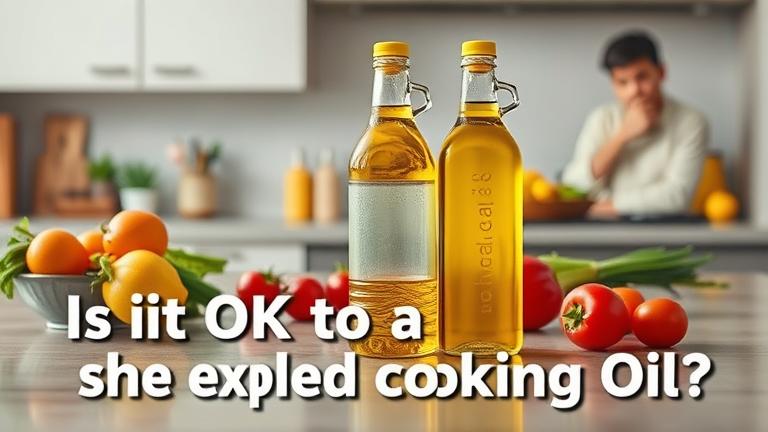
Understanding the Susceptibility of Cooking Oils to Spoilage
Cooking oils are prone to spoilage through a process known as oxidation. This occurs when oils are exposed to oxygen, light, and heat over time. Rancid oil not only affects taste but can also pose health risks by forming harmful compounds during spoilage. Several factors hasten this process, such as prolonged storage periods, high temperatures, and direct sunlight exposure. These conditions accelerate the degradation of quality and safety of cooking oils, emphasizing the importance of proper storage and timely use.
Deciphering Expiration Labels and Storage Guidelines
Expiration labels on cooking oil bottles typically feature a “use by” or “best before” date, indicating the optimal window for safe consumption. These dates are determined based on the type of packaging, storage conditions, and the oil’s chemical stability. It is worth noting that once the printed date passes, the oil may still be safe if it shows no signs of spoilage.
However, its taste and aroma might have diminished, and the risk of rancidity increases. Properly stored oils in a cool, dark place can extend their shelf life beyond the printed date, maintaining quality for longer.
How to Recognize Spoiled Oil: Visual, Olfactory, and Tactile Signs
Inspecting your cooking oil regularly helps prevent health issues linked to spoiled products. Unopened bottles tend to last longer because exposure to air which accelerates oxidation is minimized. The best way to determine freshness is by smelling, tasting, and examining the oil visually. Rancid oil emits a foul, sour smell and often appears cloudy or sticky, signaling that it needs to be discarded.
Changes in color such as darkening or sediment formation and texture like thickening or stickiness are also indicators of spoilage. If heated oil foams excessively or produces a strong odor, it’s a clear sign of deterioration. Conducting these simple tests can help you avoid consuming spoiled oil, thus protecting your health.
Health Risks of Consuming Expired or Spoiled Cooking Oil
Using expired cooking oil can lead to health issues due to the formation of toxins and harmful compounds as the oil degrades. When oil is reused multiple times or has been stored improperly, substances such as acrolein can develop. These compounds may irritate the eyes, nose, and throat if inhaled or ingested.
Consuming spoiled oil often results in gastrointestinal discomfort, skin rashes, or respiratory problems, especially for sensitive individuals or those with allergies. It’s essential to identify spoilage signs before use to avoid health complications. Store oils in a sealed container in a cool, dark place, and avoid reusing oil excessively particularly after heating to high temperatures since this accelerates deterioration.
Practical Tips for Detecting Spoiled Oil
Detecting spoiled oil primarily involves sensory evaluation. Begin with scent: fresh oil should have a neutral or mild aroma, while rancid oil emits a sour, foul odor. Color is another key indicator; fresh oil appears clear or slightly yellowish. Darkening, cloudiness, or sediment formations suggest spoilage. Texture changes such as stickiness or sludginess also mark deterioration.
When heating oil, excessive foaming or a strong, unpleasant odor further evidence that the oil is no longer good for cooking. Regularly conducting these checks helps prevent ingestion of potentially harmful products, ensuring safer cooking practices.
Health Concerns and Dispelled Myths about Expired Oil
Many people believe that using expired cooking oils automatically leads to poisoning, but this is a misconception. The safety of outdated oil depends heavily on its current condition and storage history. Rancid oil is unsafe because it produces harmful compounds, but oil that is only past its “best before” date and remains odorless and visually clean may still be acceptable for use. If the oil smells off or shows mold or discoloration, it should be discarded immediately.
However, if it appears clear and has no rancid odor, it can sometimes be used for non-food purposes, such as cleaning or lubrication. Proper disposal methods include recycling through specialized programs or disposing of it in household waste, avoiding pouring it down drains to prevent pipe blockages and environmental hazards.
Debunking Common Misconceptions about Expired Oil Safety
Contrary to popular belief, using expired cooking oil is not always dangerous. The key lies in assessing the oil’s state rather than relying solely on the expiration date. If the oil has turned rancid, it can produce harmful free radicals and toxins that may irritate your digestive system and cause other health issues.
But if the oil is only a little past the date and remains smell and appearance intact, it might still be safe. Experts recommend inspecting the oil visually and olfactorily before use if it’s free of any rancid smell and looks normal, it can be used with minimal risk.
For visual and sensory guidance, watch this informative [YouTube video] titled “Is It Safe to Use Expired Cooking Oil?” It covers how to identify rancidity and offers tips for storage and disposal.
Remember, when in doubt, replacing old oil with fresh supplies is the safest approach to protect health and ensure high-quality cooking.