
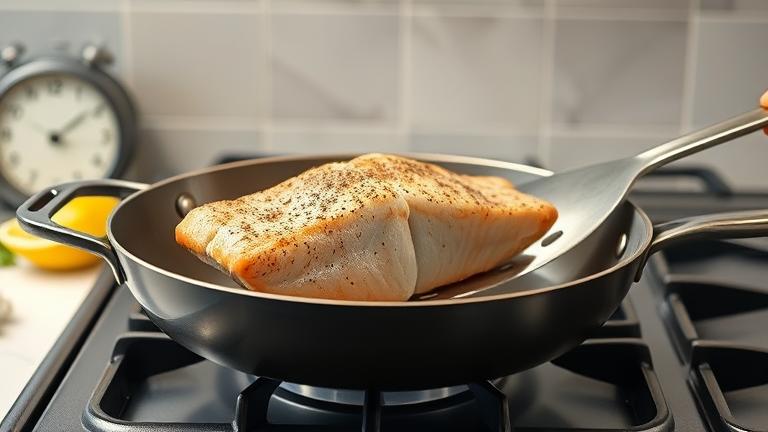
Perfect Fish Cooking Times
Cooking fish just right can be tricky, but knowing the right timing makes all the difference. Whether you’re grilling, baking, or pan-searing, getting the timing right ensures your fish is tender, flaky, and delicious.
Each type of fish and cooking method requires a different approach. The key is to cook until the fish turns opaque and flakes easily with a fork. Overcooking can make the fish dry and tough, while undercooking leaves it unappealing and possibly unsafe.
Basic Timing Guidelines for Common Fish Types
| Type of Fish | Cooking Method | Cook Time (per side) | Notes |
|---|---|---|---|
| Salmon fillet | Pan-sear or grill | 4-5 minutes | Cook skin-side down first. Turn once and cook until opaque. |
| Cod fillet | Bake or pan-fry | 3-4 minutes | Fish should flake easily when done. |
| Tilapia | Bake or pan-fry | 3-4 minutes | Cook until it turns opaque and flakes easily. |
| Sardines | Grill or pan-fry | 2-3 minutes per side | These small fish cook quickly. Watch closely. |
Tips for Perfect Timing
- Preheat your cooking surface or oven for even cooking.
- Use a reliable timer; fish cooks fast, so don’t walk away too long.
- Check doneness early; fish continues to cook slightly after removal.
- For thick fillets, add a few extra minutes or finish with a cover to help cook evenly.
Cooking on Different Methods
Here are some quick notes for various cooking methods:
- Pan-frying: Use medium heat. Cook each side until golden and fish flakes easily.
- Baking: Bake at 400°F (200°C) for 10-15 minutes depending on thickness. Check at the minimum time.
- Grilling: Grill over medium-high heat. Sear for 2-3 minutes per side, then finish with indirect heat if needed.
When to Remove Fish
Always start checking a minute or two before the minimum time suggested. Fish is done when it turns opaque all the way through and flakes easily with a fork. Remember, residual heat will continue to cook the fish even after you take it off the heat.
Overcooked fish can become dry and lose its delicate texture. Conversely, undercooked fish might be unsafe and unpleasant. Use a fork to gently test the center if unsure.
With these tips, you’ll be able to cook fish perfectly every time. Just keep an eye on the clock, and soon you’ll master the art of tender, flaky fish that’s cooked to perfection.
How to Tell Fish is Done
Cooking fish just right is essential for a tasty, safe meal. Overcooked fish can be dry and tough, while undercooked fish poses health risks. Knowing how to tell when your fish is done helps you achieve the perfect texture and flavor every time. The good news is, there are simple visual cues and indicators to guide you.
Visual Cues for Doneness
One of the easiest ways to check if fish is cooked is by looking at its color and texture. Raw fish typically has a translucent, shiny appearance. As it cooks, it turns opaque and the color becomes more uniform. For most fish, the flesh should be opaque all the way through, with no translucent sections remaining.
When you lift the fish with a fork or spatula, it should flake easily. The flakes should break apart roughly and look tender. If the fish remains firm and resists flaking, it might need more time. On the other hand, if it flakes apart before you’re ready, it may be overcooked.
Using a Food Thermometer
To be more precise, a food thermometer is a handy tool. For fish, the recommended internal temperature is 145°F (63°C). Insert the thermometer into the thickest part of the fish, avoiding bones. When it reaches this temperature, it’s fully cooked and safe to eat.
Remember, fish continues to cook slightly after removing it from heat, due to residual heat. So, some cooks prefer to take it off the heat just before reaching 145°F, especially if they plan to serve it immediately.
Other Indicators
- Texture: When cooked, fish should feel firm but still moist. It should not be mushy or rubbery.
- Juices: The juices of cooked fish run clear. If you see blood or milky liquids, the fish might need more cooking or it could be overdone.
- Appearance: For grilled or baked fish, the flesh should be opaque and have a slight shine. Overcooked fish turns dull and dry.
Common Mistakes to Avoid
- Cooking fish at too high a heat causing outside to overbrown before inside is done.
- Poking or pressing the fish excessively, which can damage the delicate texture and lead to losing moisture.
- Using only time as a guide, since thickness and type of fish affect cooking time.
Quick Tips for Perfectly Cooked Fish
- Check the fish early, especially if you’re new to cooking it. It’s easier to finish than to fix overcooked fish.
- Let the fish rest for a minute or two after cooking. This helps juices redistribute, making it tastier.
- Use a timer combined with visual checks for best results.
Cooking Fish in Different Methods
Cooking fish can be easy and fun once you understand the best methods for each technique. Whether you’re grilling, pan-frying, baking, or broiling, each method has its own tips for cooking fish perfectly on each side. With a little practice, you’ll be able to choose the right method for the type of fish and the flavor you want.
Grilling Fish
Grilling adds a smoky flavor and crisp texture to fish. It’s ideal for firm fish like salmon, tuna, or swordfish. Before grilling, make sure your grill is clean and well-heated. Brush the fish with a little oil to prevent sticking and season as you like.
Place the fish on the grill over medium-high heat. For each side, cook about 4-6 minutes per inch of thickness. Avoid flipping too early; the fish should lift easily from the grill when it’s ready to turn. Use a spatula to gently flip the fish for even cooking. Remember, fish is done when it becomes opaque and flakes easily with a fork.
Pan-Frying Fish
Pan-frying gives fish a crispy crust and tender inside. Use a non-stick skillet or a well-seasoned cast-iron pan. Heat a little oil over medium heat until shimmering. Place the fish in the pan, skin-side down if it has skin.
Cook the fish for about 3-4 minutes without moving it to allow a crust to form. Carefully flip and cook for another 2-4 minutes, depending on thickness. When the fish is opaque and flakes easily, it’s ready. Be gentle so you don’t break the fillet.
Baking Fish
Baking is a hands-off method perfect for delicate fish or when cooking for many people. Preheat your oven to 375°F (190°C). Place the fish in a greased baking dish and season as desired. For added moisture, drizzle with lemon juice or add slices on top.
Bake the fish uncovered for 15-20 minutes depending on thickness. Check for doneness by seeing if the fish is opaque and flakes easily with a fork. For even cooking, don’t overcrowd the baking dish and ensure the fish isn’t too thick in one part.
Broiling Fish
Broiling uses high heat from above, perfect for a quick cook and a slightly charred edge. Preheat your broiler and position the oven rack about 4-6 inches from the heat source. Place seasoned fish on a broiler-safe pan or baking sheet lined with foil.
Broil the fish for about 5-7 minutes per side, depending on thickness. Watch closely to prevent burning. Flip carefully using tongs or a spatula. The fish is done when it turns opaque and flakes easily. Keep a close eye—broiling can go from perfect to burnt quickly.
Remember, no matter which method you choose, always check fish for doneness before serving. Fish should be opaque, flaky, and have an internal temperature of about 145°F (63°C). Practice makes perfect, so don’t be discouraged if it takes a few tries. With these tips, cooking fish will become a simple and delicious part of your meal.
Best Temperatures for Fish
Cooking fish to the right temperature is key to ensuring it’s both safe to eat and delicious. Different types of fish and cooking methods require specific temperatures to bring out their best flavor and texture. Knowing the ideal temperatures can help you avoid undercooking or overcooking, which can affect taste and safety.
Generally, fish should be cooked to an internal temperature of 145°F (63°C). This temperature makes sure harmful bacteria are killed, and the fish is cooked through. However, some people prefer their fish slightly less done for a softer, more tender texture, especially for delicately flavored fish like salmon or tilapia.
Temperature Guidelines for Different Fish Types
| Fish Type | Recommended Internal Temperature | Cooking Tips |
|---|---|---|
| Salmon | 125°F (52°C) for medium, 145°F (63°C) for fully cooked | Cook to 125°F if you like it tender and moist, but for safety, 145°F is best. |
| Tuna | 125°F (52°C) for rare, 145°F (63°C) for well done | Seared tuna is often served rare or medium rare, but others prefer fully cooked. |
| Cod & Haddock | 145°F (63°C) | Cook until fish is opaque and flakes easily with a fork. |
| Tilapia & Flounder | 145°F (63°C) | Keep an eye on the fish; overcooking can make it dry. |
Cooking Methods and Their Ideal Temperatures
| Method | Target Temperature | Tips |
|---|---|---|
| Baking or Roasting | 145°F (63°C) | Use a meat thermometer to check the thickest part of the fish. |
| Grilling | 145°F (63°C) | Preheat the grill and cook with lid closed for even heat. |
| Poaching | Just below boiling, around 160°F (71°C) | Maintain gentle heat to keep fish tender. |
| Searing | Rare to medium, around 125-130°F (52-54°C) | Cook quickly over high heat for a crusty exterior. |
Tips for Checking Temperature
- Use a reliable digital meat thermometer inserted into the thickest part of the fish.
- Avoid touching the bone if the fish has bones, as it can give a false reading.
- Remember to clean the thermometer after each use to avoid cross-contamination.
- If you don’t have a thermometer, look for opaque flesh and easily flaked texture as signs of doneness.
Common Mistakes to Avoid
- Overcooking, which can make fish dry and tough.
- Under-cooking, risking foodborne illness.
- No temperature check, relying only on visual cues which can be misleading.
- Cooking fish straight from the fridge; let it sit at room temperature for a few minutes for even cooking.
By keeping an eye on temperature, you’ll ensure your fish is safe, flavorful, and perfectly cooked every time. With these guidelines, you can confidently prepare a variety of fish dishes suited to your taste and safety needs.
Common Cooking Mistakes
Cooking fish can be tricky, especially if you’re new to it. Many home cooks make mistakes that can turn a perfect fillet into a flaky, overcooked mess. But don’t worry, with a little knowledge, you can avoid these common errors and achieve restaurant-quality results every time.
One of the most frequent mistakes is overcooking the fish. Fish cooks quickly and becomes dry and tough if left on the heat too long. Keep a close eye on the cooking time and check for doneness early. The fish should be opaque and easily flake with a fork. Using a timer can help you stay on track. Remember, it’s better to undercook slightly than overdo it because you can always give it another minute or two.
Another common error is using too high a heat. Cooking fish at a very high temperature can cause the outside to burn while the inside remains undercooked. A moderate, steady heat helps cook the fish evenly. If you’re pan-frying, aim for medium to medium-high heat, and if baking, set your oven to around 375°F (190°C).
Many people forget to season their fish properly before cooking. Fish has a delicate flavor that can be easily overwhelmed by too much salt or missing out on herbs and spices. A simple pinch of salt and pepper is a good start, but try adding lemon juice, garlic, or fresh herbs for extra flavor. Season the fish just before cooking to enhance its natural taste.
Another mistake is overcrowding the pan or baking dish. When the fish pieces are too close together, they tend to steam rather than sear, leading to a dull texture. Give each fillet some space—at least a half-inch apart—so they can brown nicely. This helps develop flavor and texture.
Additionally, flipping fish too often can cause it to fall apart. If you are pan-frying or grilling, wait until a good crust forms on one side before flipping. Usually, fish releases easily from the pan when it’s ready to turn. Use a slotted spatula or tongs to gently flip, avoiding breaking the fillet.
Failing to pat the fish dry before cooking is another common mistake. Excess moisture creates steam, preventing proper browning. Use paper towels to pat the fish dry, especially if it’s been stored in the refrigerator. Dry fish will sear better and develop a lovely crisp exterior.
Finally, always rely on visual cues and flavors instead of blindly following recipes. Taste as you go and check the texture. Over time, you’ll develop a sense for perfectly cooked fish.
- Use a timer to avoid overcooking
- Cook at a moderate temperature for even results
- Season the fish well and just before cooking
- Give pieces space during cooking for better browning
- Pat dry to ensure good searing
- Wait for a crust to form before flipping
- Pay attention to visual cues and texture
Easy Fish Recipes to Try
If you’re looking to enjoy the healthy goodness of fish without any fuss, you’re in the right place. Fish is versatile, quick to cook, and packed with nutrients like omega-3 fatty acids. Whether you’re a beginner or a seasoned cook, these simple recipes will help you create tasty fish dishes with confidence.
One of the keys to perfectly cooked fish is paying attention to how long you cook it on each side. This ensures your fish is tender, flaky, and flavorful every time. Let’s explore some tried-and-true recipes that focus on easy methods and simple tips for cooking fish on each side.
1. Pan-Seared Fish Fillets
This is a classic method that works well for most types of fish, such as tilapia, cod, or haddock. It’s quick and makes a lovely crispy crust.
- Start by patting the fish dry with paper towels. Season it with salt and pepper or your favorite spices.
- Heat a tablespoon of oil in a skillet over medium-high heat. Make sure the oil is hot before adding the fish.
- Place the fish fillet in the pan, skin-side down if it has skin. Cook for about 3-4 minutes on this side. You’ll see it change color and start to turn opaque at the edges.
- Gently flip the fish using a spatula or tongs. Cook for another 3-4 minutes on the other side, until the fish is opaque and flakes easily with a fork.
Tip: Avoid moving the fish around too much in the pan and don’t overload it, so it cooks evenly and gets crispy. Remember, the thicker the fillet, the longer it may need on each side.
2. Baked Fish with Lemon and Herbs
If you prefer a hands-off method, baking is a fantastic option. It’s gentle, keeps the fish moist, and is easy to customize.
- Preheat your oven to 400°F (200°C). Line a baking sheet with parchment paper or lightly greased foil.
- Place the fish fillets on the sheet. Drizzle with olive oil, and sprinkle with lemon slices, minced garlic, salt, pepper, and your favorite herbs like parsley or thyme.
- Bake for about 10-12 minutes, depending on the thickness of the fillets. The fish is done when it turns opaque and flakes with a fork.
- If you want a bit of a crust, you can broil it for the last 2 minutes — just watch closely so it doesn’t burn.
Tip: Use a food thermometer to check if the fish has reached an internal temperature of 145°F (63°C). This guarantees safety and perfect doneness.
3. Grilled Fish Tacos
Grilling adds smoky flavor and creates a different texture for fish. It’s ideal for firmer types like salmon or mahi-mahi.
- Preheat your grill to medium-high heat. Lightly oil the grates to prevent sticking.
- Season the fish with salt, pepper, and a squeeze of lime. You can also marinate it briefly for extra flavor.
- Grill the fish for about 4-5 minutes on each side. Look for grill marks and check that the fish flakes easily when tested with a fork.
- Remove from the grill and let rest for a minute before flaking into tacos with fresh toppings like salsa, cabbage slaw, and avocado.
Tip: Use a fish basket or foil to make flipping easier and prevent delicate fillets from falling apart.
General Tips for Perfect Fish
- Always start with fresh fish or fish that’s been properly stored in the refrigerator.
- Adjust cooking times based on the thickness of your fish. Thicker pieces need a bit more time on each side.
- Use a gentle touch when flipping to avoid breaking the fillets.
- Don’t overcook. Fish continues to cook slightly after removing from heat, so aim for slightly underdone for the best flakiness.
Enjoy these simple recipes as a base to create your own delicious fish dishes. With just a few ingredients and easy techniques, you can master making flavorful, perfectly cooked fish every time.
Tips for Flawless Fish Every Time
Cooking fish can seem tricky at first, but with a few simple tips, you can achieve tender, flavorful results every time. Whether you’re grilling, baking, or pan-searing, understanding the importance of timing, temperature, and technique is key to perfect fish. Let’s explore some practical advice to make your fish dishes a success.
1. Choose the Right Fish and Freshness
The foundation of great fish is fresh, high-quality seafood. Look for clear eyes, bright skin, and no strong fishy smell. Popular choices like salmon, cod, tilapia, and haddock are forgiving for beginners. Fresh fish cooks more evenly and tastes better, so invest in good quality or buy from trusted sources.
2. Properly Prepare Your Fish
Before cooking, pat your fish dry with paper towels. Excess moisture can cause splattering or uneven cooking. If you plan to season or marinate, do so after drying. Skin-on fillets benefit from scoring the skin lightly to prevent curling during cooking.
3. Master Cooking Times and Temperature
Timing is crucial. As a general rule, cook fish for about 10 minutes per inch of thickness. For example, a one-inch fillet usually takes around 4 to 6 minutes on each side, depending on the heat. Use a reliable meat thermometer to check for doneness; the internal temperature should reach 145°F (63°C) or until the flesh is opaque and separates easily with a fork.
4. Use the Correct Heat Level and Technique
Cooking methods vary, but the key is controlling heat. For pan-searing, medium-high heat provides a crispy exterior without overcooking the inside. For baking, 400°F (200°C) is ideal for most fish. Grilling requires preheated, clean grates and moderate heat to avoid sticking or burning.
5. Flip Fish at the Right Moment
When pan-frying or grilling, only flip once. Wait until the fish develops a golden crust and releases easily from the pan or grill grate—usually after 2-3 minutes. Use a wide spatula to turn the fish gently to prevent breaking. For fillets with skin, flip skin-side down first and cook skin-side down longer to crisp it up.
6. Avoid Overcooking
Overcooked fish becomes dry and tough. Keep a close eye on cooking time and remove the fish as soon as it reaches the right temperature or turns opaque. Rest it for a minute after cooking; residual heat continues to cook the fish and enhances tenderness.
7. Practice Patience and Experiment
Cooking fish to perfection takes practice. Don’t be discouraged by initial setbacks. Experiment with different cooking times and methods to find what works best for each type of fish and your equipment. Remember, even seasoned chefs learn with each dish.
8. Practical Tips to Remember
- Use a timer: Never rely solely on visual cues; timers help avoid overcooking.
- Test with a fork: Fish is done when it flakes easily and looks opaque.
- Rest the fish: Let it sit for a minute after cooking for the best texture.
- Experiment with seasoning: Simple salt, pepper, lemon, and herbs often do the trick.
By paying attention to these basics—timing, temperature, and technique—you’ll cook fish that is consistently delicious and perfectly cooked. Practice makes perfect, so enjoy the process and savor every bite of your expertly prepared seafood!