
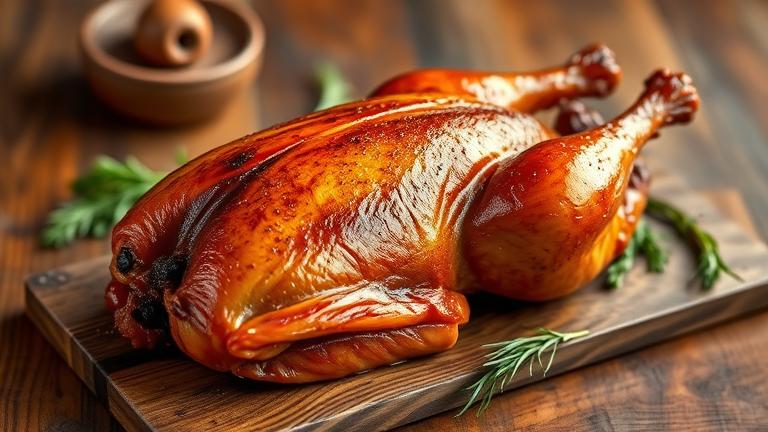
Understanding Proper Duck Cooking Color
When cooking duck, one of the key visual clues to determine if it is properly done is its color. The appearance of cooked duck can tell you a lot about whether it has reached the right level of doneness and whether it is safe to eat.
Ideally, cooked duck should have a golden to deep brown exterior. This rich color indicates that the skin has become crisp and flavorful during roasting or pan-searing. If the skin looks pale or dull, it may need more cooking time or a higher heat to develop that appealing caramelized crust.
Inside, the color of the meat is also essential. Properly cooked duck meat is usually a shade of pink to light brown, depending on the cut and preferred doneness. For example, duck breasts are often served slightly pink in the center for a juicy texture, while thighs are more forgiving and can be cooked through to a darker brown.
One common mistake home cooks make is removing the duck too early or cooking it for too long. To avoid this, use visual cues along with internal temperature checks. The internal temperature for duck breast should be around 135°F (57°C) if you want it medium rare, which often shows a pinkish hue in the center. For fully cooked duck, aim for 165°F (74°C), which produces a more uniform light brown color throughout the meat.
It is also worth noting that some cooking methods, like roasting or grilling, produce a glossy, caramelized exterior. This sheen is due to the Maillard reaction, a chemical process that occurs when proteins and sugars brown together, creating that desirable color and flavor.
Keep in mind that color alone isn’t the only safety indicator. Always verify doneness with a meat thermometer to ensure your duck has reached the proper internal temperature. Relying solely on appearance can sometimes be misleading, especially with different cuts or cooking techniques.
To summarize, look for a golden to deep brown color on the skin and a pinkish to light brown inner meat, depending on your preferred doneness. The combination of visual cues and temperature readings will help you achieve perfectly cooked duck every time.
- Check the skin for a crispy, caramelized appearance.
- Look at the meat’s color — pinkish for medium rare, light brown for fully cooked.
- Use a meat thermometer for precise doneness.
- Be mindful that color can vary with cooking method, but safety comes first.
Common Signs of Well-Cooked Duck
Knowing when your duck is perfectly cooked is key to enjoying its rich flavor and tender texture. While cooking times can vary depending on the size and method, there are clear visual cues and signs to help you determine if your duck is ready. Paying attention to these signs will help ensure your dish is safe to eat and delightfully flavorful.
1. The Color of the Skin
One of the easiest visual clues is the color of the duck’s skin. When properly roasted or pan-cooked, the skin should be golden brown and crispy. If the skin looks pale or undercooked, it likely needs more time.
Keep in mind that skin color can vary depending on the type of duck and marinade used. However, a rich, even golden hue usually indicates good doneness. If you notice dark, burnt patches, it’s a sign to check the internal temperature but remove the duck promptly to prevent overcooking.
2. The Juices Run Clear
When you cut into the thickest part of the duck—typically the thigh or breast—look at the juices. Well-cooked duck juices should be clear, not pink or bloody.
If the juices are pinkish or red, give the duck more time to cook. Be cautious not to overcook, as this can dry out the meat. Clear juices are a reliable indicator that the internal temperature has reached a safe level while maintaining moisture.
3. The Internal Temperature
The most accurate way to check if your duck is done is using a meat thermometer. The USDA recommends cooking poultry to an internal temperature of 165°F (74°C). For duck, some chefs prefer to cook to slightly lower temperatures, around 145°F (63°C), for a medium-rare finish, especially for breasts.
Insert the thermometer into the thickest part of the breast or thigh, avoiding the bone. Once it hits the desired temperature, remove the duck from heat and let it rest. Resting allows juices to redistribute, resulting in tender, flavorful meat.
4. Texture and Feel
Feel the meat with a fork or your finger. The meat should be firm yet tender, not rubbery or mushy. The skin should feel crisp when pressed gently. If it still feels soft or squishy, it needs more time.
Remember, with duck, resting after cooking is crucial for the best texture. Allow at least 10 minutes of resting time before carving or serving.
5. Visual Check of the Fat
If your duck has visible fat underneath the skin, look for it to be rendered down and bubbly. This indicates the fat has melted, contributing to the richness and flavor of the meat. Clear, melted fat is a good sign that the duck has cooked thoroughly.
Be cautious not to over-render the fat, which can lead to overly greasy meat. Striking the right balance is part of mastering duck cooking.
Helpful Tips
- Always use a reliable meat thermometer for safety and precision.
- Cook duck to your preferred level of doneness, but never below 140°F (60°C) for safety reasons.
- Rest cooked duck for at least 10 minutes before carving to keep it moist and flavorful.
By keeping an eye on these signs, you’ll confidently cook duck that is juicy, flavorful, and perfectly done every time. Practice makes perfect, so use these cues as your go-to guide for delicious results.
How to Achieve the Perfect Roast Duck Hue
Getting that beautiful golden or crispy color on your roast duck can really elevate both its appearance and flavor. A perfectly roasted duck not only tastes delicious but also looks restaurant-quality on your table. Fortunately, with a few simple techniques and tips, you can achieve that appealing hue with confidence.
Firstly, the key to a striking roast duck color is preparation. Start by thoroughly drying the duck’s skin. Use paper towels to pat the duck dry, especially the skin surface. Moisture can prevent the skin from crisping up properly, leading to a dull or uneven color. For extra crispiness, some chefs recommend poking small holes or pricking the skin with a fork, which helps release excess fat and allows the skin to brown evenly.
Next, consider the seasoning and marinade. A common trick is to rub the duck with a mixture of salt and sometimes sugar or spices that promote browning. Salt helps draw out moisture, resulting in crisper skin, while sugar can caramelize during roasting and add a lovely golden hue. Be cautious not to over-season, as too much salt can overpower the flavor.
Applying a Glaze or Coating
To enhance the color further, many cooks use a glaze during roasting. Classic options include a honey, soy sauce, or maltose glaze. These ingredients contain sugars that caramelize under high heat, giving the skin a shiny, beautiful light-brown to deep golden tone. To create your glaze, mix your chosen ingredients and brush it onto the duck halfway through roasting. Reapply as needed for extra shine and color.
Another tip is to use a high-temperature roasting environment. Set your oven to around 400°F (200°C). The high heat encourages Maillard reactions— a chemical process that creates browning and complex flavors. Keep an eye on the duck during the last 10-15 minutes, as high temperatures can cause the skin to burn if left too long. Cover the duck loosely with foil if the skin is browning too quickly but the meat is not yet cooked fully.
Tricks for a Vibrant Color
- Starting with a dry duck skin promotes even browning. Pat dry and let sit uncovered in the fridge for a few hours or overnight.
- Use sugar or honey-based glaze that caramelizes and adds golden shine.
- Apply the glaze in layers, especially towards the end of roasting, for a more intense color.
- Ensure the oven temperature stays steady at a high setting for proper browning.
- If you notice uneven color, rotate the duck during roasting for even exposure to heat.
Finally, let the duck rest for about 10 minutes after roasting. This allows the juices to redistribute and helps the skin maintain its crispiness and vibrant color when sliced. With these secrets, your roast duck will have that beautiful, inviting hue that makes it almost too tempting to cut into. Enjoy the visual appeal along with the rich, crispy flavor.
Overcooked vs. Undercooked Duck Colors
When cooking duck, the color of the meat is a good visual clue to whether it’s cooked perfectly, undercooked, or overcooked. Being able to tell the difference can help you serve a delicious, safe, and juicy duck every time. Let’s explore how the color changes in duck as it cooks, and what to look for.
First, it’s important to understand that the ideal cooked duck has a certain appearance that indicates it’s done but not overdone. Properly cooked duck usually has a deep, rich brown color on the skin. The meat underneath should be a light pink or rosy hue, especially if you like it medium rare. This pink color shows the duck is cooked through but still juicy and tender. The key is to avoid pink meat that is still raw, or a dry, pale meat that indicates overcooking.
Color of Overcooked Duck
Overcooked duck often looks dry and pale. The skin may turn very light, sometimes almost dull or grayish, losing its natural golden-brown shine. The meat inside becomes white or very pale, and it can look stiff or rubbery. Overcooked duck also tends to shrink in size as it loses moisture, and the meat can look a bit shriveled.
In addition, the juices may be clear, and if you cut into the duck, the meat might appear dry and fibrous. The loss of the rich pink hue signifies that the meat has been cooked too long, causing the natural fats to render out early and the proteins to tighten up.
Color of Undercooked Duck
Undercooked duck often has a very pink or even red center, which can be tempting to think means it is perfectly rare. But it’s important to remember that raw or undercooked duck can harbor bacteria, making it unsafe to eat. The meat often looks shiny, with a deep red or dark pink color and might be slightly translucent in the center.
If you see a lot of red or a glossy appearance, especially near the center, it’s a sign the duck needs more cooking to reach a safe temperature. Keep in mind that the skin might be less cooked or even pale if you haven’t cooked enough, so don’t rely solely on the color but also on internal temperature or timing.
Properly Cooked Duck Colors
Perfectly cooked duck strikes a balance in color. The skin has a deep, crispy golden-brown color, and the meat inside has a rosy pink hue, especially if cooked to medium rare. If you prefer it more cooked, the meat can be a light tan or beige but should still retain some juiciness. The juices should run clear or slightly pink when pierced.
To be certain of doneness, using a meat thermometer is recommended. An internal temperature of about 135°F (57°C) for medium rare and 145°F (63°C) for medium can help you achieve the ideal result. But visual cues, especially the skin’s color and the meat’s internal hue, are helpful guides in combination with temperature checks.
- Remember, the color can vary based on the duck’s age and cooking method.
- Always check the internal temperature for safety.
- Use a sharp knife to peek inside and see the meat’s color without cutting into the entire piece.
Serving Ideas Based on Duck Color
When it comes to serving duck, its color is a helpful guide for presentation and flavor. The rich, golden-brown hue of well-cooked duck indicates proper doneness and suggests a juicy, flavorful meat. Using the duck’s color as a cue can help you create a visually appealing plate that enhances the dining experience. Whether your duck is rosy pink, golden brown, or darker, each shade offers unique serving ideas.
A beautifully roasted duck with a golden-brown, crispy skin is a true centerpiece. Serve it sliced on a platter for family-style dining. Pair it with bright, fresh sides like roasted vegetables, sweet potatoes, or a crisp green salad. Drizzle a tangy sauce, such as orange or cherry glaze, to complement the rich meat and add color contrast. For a more elegant presentation, arrange the slices fanned out on the plate with a sprinkle of fresh herbs.
If your duck is still pinkish and less browned, it might be a sign that it needs a bit more roasting or finishing. In this case, you can serve the slices with a fruit compote or berry sauce, which pairs beautifully with the blush tones of the meat. Plating simply with a side of wild rice or creamy mashed potatoes helps balance the tender meat and adds a comforting touch.
For darker, more deeply roasted duck with a caramelized exterior, highlight its savory, smoky flavors. Serve it sliced, and consider accompanying it with hearty sides like roasted root vegetables or a lightly spiced pilaf. A drizzle of balsamic reduction or a flavorful jus can elevate the dish. The darker shade tells guests that the meat is thoroughly cooked and packed with flavor, so you can focus on highlighting these taste notes with colorful, tasty sides.
For an eye-catching presentation, think about how the color of the duck can contrast with the sides. Bright orange carrots, green beans, or vibrant purple cabbage make the dish pop. Add garnishes like fresh herbs, citrus slices, or edible flowers to elevate the visual appeal. If the duck skin has a glossy, browned appearance, a final drizzle of sauce can bring shine and sophistication to the plate.
Remember that the color of the duck is just a guideline; always check the internal temperature to ensure safety. Use a meat thermometer to verify that the thickest part reaches about 165°F (74°C), especially if the color is lighter. When serving, slice the duck against the grain for tenderness and arrange it attractively for maximum impact.
In summary, matching your plating style and side dishes to the duck’s color can make your meal more inviting and delicious. Play with contrasts in color and texture, and don’t forget to consider the doneness indicated by the duck’s shade to serve it safely and beautifully.
Food Safety Tips for Cooking Duck
Cooking duck safely is key to enjoying this flavorful meat without any worries. Duck can be tender and delicious when prepared properly, but it’s important to follow some simple safety tips. This helps prevent foodborne illnesses and ensures your dish turns out perfectly every time.
The main safety concern when cooking duck is ensuring it reaches the correct internal temperature. Undercooked duck can harbor bacteria like Salmonella or Campylobacter, which can cause illness. On the other hand, overcooking can make the meat dry and tough. Finding the right balance means paying close attention to temperature, storage, and handling.
Proper Storage and Handling
- Always keep raw duck refrigerated at 40°F (4°C) or below until you’re ready to cook. If you don’t plan to cook it within a day or two, freeze it. When freezing, wrap it tightly to prevent freezer burn.
- Thaw frozen duck safely by transferring it to the refrigerator at least 24 hours before cooking. This slow thawing process keeps bacteria from multiplying. If you’re in a hurry, you can also thaw it in cold water, changing the water every 30 minutes.
- Wash your hands thoroughly with soap before and after handling raw duck to avoid cross-contamination. Use separate cutting boards and utensils for raw meat and other ingredients.
Cooking to the Right Temperature
The most reliable way to ensure duck is safe to eat is by measuring its internal temperature with a food thermometer. Cook duck to an internal temperature of 165°F (74°C). This applies whether you’re roasting, grilling, or pan-frying.
For whole duck, insert the thermometer into the thickest part of the breast and the innermost part of the thigh. Leg and breast meat can have slightly different ideal temperatures, but 165°F remains the safe target for all parts.
Common Cooking Tips
- If you prefer your duck a little pinker, aim for an internal temperature of around 160°F (71°C). Let it rest for a few minutes after cooking, and the temperature will rise slightly. Resting also helps the juices redistribute, making the meat more moist and tender.
- Always let the duck rest for at least 10 minutes after cooking. This helps ensure the juices stay inside and the temperature stabilizes.
- If you’re roasting a whole duck, prick the skin a bit beforehand to help excess fat drain out during cooking. This prevents soggy skin and helps avoid undercooking the thicker parts.
Signs of Properly Cooked Duck
Besides using a thermometer, look for these signs that your duck is cooked safely:
- Juices run clear when you pierce the thickest part of the meat.
- The meat is firm but not rubbery.
- The skin is crispy if roasted, indicating it’s been cooked long enough to render out fat and crisp up.
Additional Safety Tips
- Never partially cook duck and finish later. Always cook it thoroughly in one sitting to prevent bacterial growth.
- Clean and sanitize countertops, knives, and cutting boards after preparing raw duck. Use hot, soapy water, or a disinfectant solution.
- Follow your local food safety guidelines for storing leftovers. Cool cooked duck promptly and store in airtight containers in the refrigerator for up to 3-4 days.
With these simple food safety tips, you can enjoy duck that’s both delicious and safe. Remember, paying attention to temperature, proper storage, and hygiene makes all the difference in creating a meal that’s enjoyable and worry-free.
Different Types of Duck and Cooking Times
When cooking duck, it helps to know the different species and the ideal cooking times for each. Duck varies not only in flavor and fat content but also in how long it takes to cook properly. This knowledge allows you to enjoy juicy, tender, and perfectly cooked duck every time.
Common Types of Duck
- Moulard Duck: This is a hybrid duck, often used for foie gras. It’s fattier and has a rich flavor. Moulard ducks are usually available as whole ducks or breasts and are great for roasting or pan-searing.
- Pekin Duck: Also called Cantonese duck, Pekin is a popular choice in many kitchens. It has tender meat with moderate fat. Roast Pekin duck for a crispy skin and moist interior.
- Magret Duck: A specific cut from Moulard ducks, usually from the breast. Magret is leaner and cooks quickly. It’s perfect for pan-searing or grilling.
- Wild Duck: These are leaner with a gamey flavor. Cooking times are shorter, and they are best cooked to medium rare to retain moisture.
Cooking Times and Techniques
| Duck Type | Cut | Cooking Method | Approximate Time | Doneness |
|---|---|---|---|---|
| Moulard | Whole | Roast | 1.5 to 2 hours at 350°F (175°C) | Medium – crispy skin, juicy meat |
| Pekin | Whole | Roast or Pan-fry | 1.5 to 2 hours at 350°F (175°C) | Medium rare to medium |
| Magret | Breast | Pan-sear or Grill | 6-8 minutes per side | Medium rare (135°F/57°C) |
| Wild Duck | Whole or Breasts | Pan-roast or Grill | 20-30 minutes (whole); 4-6 minutes (breasts) | Medium rare to medium |
Remember, duck is best cooked to medium rare or medium because overcooking can make the meat tough, especially with leaner wild ducks. Always use a meat thermometer to check the internal temperature for safety and perfect doneness.
Tips for Perfectly Cooked Duck
- Score the skin if roasting, to help fat drain out and make the skin crispy.
- Let the duck rest for about 10 minutes after cooking before carving. This helps retain juices.
- If roasting, start at a high temperature for crispy skin, then reduce heat to cook the meat through.
- Allow wild duck to marinate overnight for extra tenderness and flavor.
By understanding the types of duck and their ideal cooking times, you can make every dish delicious. Whether you’re searing a duck breast or roasting a whole bird, paying attention to these details guarantees a flavorful, perfectly cooked meal every time.