
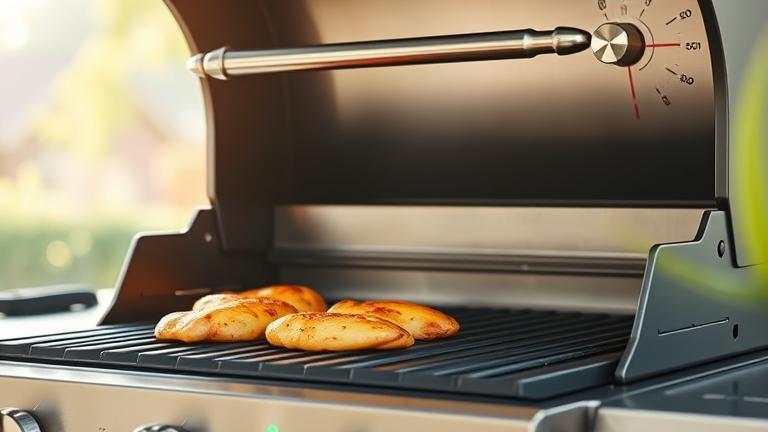
Understanding Indirect Medium Heat
If you’re new to grilling, understanding indirect medium heat can help you cook your food more evenly and prevent burning. On a gas grill, heat can be applied directly under the food or around it. Indirect medium heat refers to cooking with the burners on either the side or off underneath the food, creating a gentle, consistent temperature that is neither too hot nor too cool.
This method is different from direct heat, where the flames are directly beneath the food, cooking it quickly on the outside while potentially leaving the inside raw. Indirect medium heat is perfect for larger cuts of meat, bone-in poultry, or delicate foods that need slow, even cooking. Think of it as a way to give your food time to cook through without rushing or charring the outside.
How to Set Up Indirect Medium Heat on Your Gas Grill
- Preheat your grill for about 10-15 minutes with the lid closed. Turn on only one or two burners on one side or keep the burners on the sides and turn the middle off.
- Adjust the burners until the temperature gauge reads about 350 to 375 degrees Fahrenheit. This is typically the medium heat range.
- Place the food on the cool side of the grill, away from the direct flames. Use a two-zone setup: one side hot, one side cooler for indirect cooking.
- Keep the lid closed during cooking to maintain a steady temperature and prevent flare-ups.
Why Use Indirect Medium Heat?
Using indirect medium heat is useful because it allows you to evenly cook foods that are thicker or more delicate. It helps prevent burning on the outside while the inside remains raw or undercooked. For example, when grilling a whole chicken or thick steaks, indirect heat ensures they cook through comfortably.
Another benefit is that it reduces the risk of flare-ups, which happen when fat drips onto open flames and creates flames. By keeping the food away from direct flames, you avoid charring or uneven cooking. It also gives you more flexibility to add wood chips or marinades that need longer cooking times.
Cooking Tips and Common Mistakes to Avoid
- Use a food thermometer to check internal temperatures. This is the best way to ensure your meat is cooked safely and properly.
- Avoid lifting the lid too often. Each time you open the grill, you lose heat and extend cooking time.
- Arrange your food so that it’s not directly over the flames. Place thicker or delicate items on the cooler side.
- Remember that timing varies based on the type and thickness of food. Patience is key for slow, even cooking.
By mastering indirect medium heat, you can enjoy perfectly cooked meals on your gas grill without the stress of overcooking or burning. Practice different setups and keep an eye on your grill’s temperature for the best results every time!
Ideal Temperature Range for Medium Heat
When cooking on a gas grill, knowing what temperature range defines medium heat is very helpful. Typically, medium heat is set between 350°F and 375°F. This range is perfect for cooking a wide variety of foods evenly without burning or undercooking them.
Medium heat provides a good balance. It’s hot enough to sear foods and develop flavor, but not so hot that foods burn before they are cooked through. Whether you’re grilling vegetables, chicken breasts, or burgers, maintaining this temperature helps you achieve tender, flavorful results every time.
Why is the 350°F to 375°F Range Ideal?
If the grill temperature is too low, your food might take longer to cook and could end up dry or underdone on the inside. On the other hand, if it’s too hot, the exterior may burn or become charred before the inside is cooked properly.
This temperature range allows for the Maillard reaction, a chemical process that occurs when proteins and sugars brown, enhancing flavor and texture. Achieving this at medium heat gives your grilled foods a nice crust without overcooking the inside.
How to Tell if Your Grill is at Medium Heat
- Use a grill thermometer, if available. This is the most accurate method.
- If you don’t have a thermometer, perform the hand test: hold your hand about 5 inches above the grill. If you can keep it there for about 4 to 5 seconds before it feels too hot, your grill is at medium heat.
- Observe the cooking surface: when you see a steady, moderate flame without large flames jumping high, you’re likely in the right range.
Tips for Maintaining Medium Heat
- Preheat your grill for at least 10 to 15 minutes before cooking.
- Adjust the burner settings gradually to reach your desired temperature.
- Keep the lid closed as often as possible to retain heat and maintain a consistent temperature.
- Position foods on the cooler parts of the grill if you notice hotspots or uneven cooking.
Common Mistakes to Avoid
- Not preheating the grill properly, which can cause uneven cooking.
- Frequent opening of the lid, leading to temperature drops.
- Relying solely on visual cues without a thermometer, which can lead to misjudging the actual temperature.
Understanding the ideal temperature range for medium heat helps you become a more confident griller. With practice, you’ll be able to set and maintain the right temperature, making your grilling sessions more successful and enjoyable.
How to Identify Medium Heat on Your Grill
Grilling is an art, and knowing when your grill is at medium heat is key to cooking many dishes perfectly. Medium heat usually means your food will cook evenly without burning on the outside or staying raw inside. But how can you tell if your grill has reached that sweet spot? Luckily, there are several simple ways to gauge the temperature, whether you use built-in thermometers or visual clues.
Many gas and some charcoal grills come with built-in thermometers on the lid. These are a quick way to check the grill’s temperature without guesswork. To use it, just glance at the thermometer while preheating your grill. For medium heat, the dial should read around 350 to 375 degrees Fahrenheit (about 175 to 190 degrees Celsius). Keep in mind, these built-in gauges can sometimes be a little off, so it’s good to have a backup method.
If your grill doesn’t have a thermometer, don’t worry. You can still estimate the temperature using visual cues and simple tests. One popular method involves placing your hand about five inches above the grill grates. Count how many seconds you can hold it there before it becomes uncomfortable. For medium heat, you should be able to hold your hand there for about 4 to 5 seconds. Here’s a quick guide:
- 2-3 seconds: high heat, roughly 450 to 500°F
- 4-5 seconds: medium heat, around 350 to 375°F
- 6-7 seconds: low heat, about 250 to 300°F
This “hand test” is a handy, no-tech way to estimate temperature. Just be careful to avoid burns, and use a timer or watch to keep track of seconds.
Another visual cue is how the grill looks and how food behaves. When the grill reaches medium heat, the flames or coals should be steady, not roaring or smoking heavily. The grates should be glowing with a gentle, even heat. If you see small, steady flames, it’s a good sign you’re at medium heat.
When you place a piece of bread or a slice of onion on the grill, it should start to brown within a minute. If it burns quickly, the heat’s too high. If it takes more than a few minutes to brown, the heat is likely too low. For burgers or chicken, you want to see clear sear marks after a few minutes, but the inside remains juicy and cooked through.
Some grills also have color-coded zones, with the middle section often designated for medium heat. If your grill has this feature, just position your food in that zone to ensure consistent cooking.
Getting familiar with your grill’s heat levels takes a bit of practice. Don’t be discouraged if it takes a few tries to get it just right. With these tips—using built-in thermometers, the hand test, and visual cues—you’ll soon be cooking delicious, evenly cooked meals every time. Remember, controlling your grill’s heat helps prevent flare-ups and ensures your food comes out perfect.
Adjusting Your Grill for Perfect Indirect Heat
Getting the right indirect heat on your gas grill is key to cooking food evenly and avoiding charring. When you set your grill to a medium heat, around 350°F to 400°F, you can slow-cook larger items like ribs, roasts, or vegetables to perfection. But controlling that heat requires a little planning and practice. Don’t worry, it’s easier than you think!
First, understand how your grill’s burners work. Most gas grills have multiple burners that can be turned on or off independently. To create an indirect heat zone, turn on one or two burners on one side of the grill, leaving the others off. This setup creates a hot side and a cooler, indirect cooking zone.
Steps to Achieve and Maintain Medium Heat
- Preheat your grill. Light all burners and close the lid. Allow the grill to heat up for about 10-15 minutes until it reaches your target temperature. Use the built-in thermometer or an instant-read grill thermometer for accuracy.
- Adjust the burners. Once preheated, turn down the burners you plan to keep on at a medium setting. Typically, setting the knobs to about 50-75% of maximum gives you that medium heat. Keep the other burners off; this will produce a cooler indirect zone.
- Use a two-zone setup. Place your food on the side with the burners off. The hot side is where you can do quick searing, and the indirect side is for slow cooking or gentle roasting.
- Monitor the temperature. Check your grill’s thermometer regularly while cooking. If it drifts too high or too low, tweak the burner knobs slightly. Small adjustments can make a big difference in maintaining even heat.
- Manage airflow. Many grills have adjustable vents or dampers. If your grill gets too hot, partially close these vents to restrict airflow. This helps keep the temperature steady at medium levels.
Practical Tips for Consistent Medium Heat
- Keep the lid closed as much as possible during cooking. Every time you open it, heat escapes, making temperature control more difficult.
- Use a separate digital cooking thermometer probe to keep an eye on the meat’s internal temperature. This helps prevent overcooking and allows you to make smaller burner adjustments.
- Clean your grill grates regularly. Built-up grease or food debris can cause uneven heating and flare-ups that disturb your temperature setting.
- If your grill has a heat shield or tray below the burners, make sure it’s clean. This also promotes even heat distribution.
Remember, practice makes perfect. Every grill is a little different, so take notes on what works best for you. With a little patience, controlling the medium heat setting becomes easier, giving you perfectly cooked meals every time. Happy grilling!
Monitoring and Maintaining Temperature
Keeping your grill within the medium heat range during cooking is key to achieving delicious, evenly cooked meals. It ensures your food is cooked through without burning or drying out. To do this effectively, you’ll want to develop good habits for monitoring and adjusting your grill’s temperature throughout your cook.
The first step is understanding what medium heat looks like on your grill. Usually, it’s when the temperature hovers between 350°F and 450°F (175°C to 230°C). Most grills don’t have a perfect thermometer built-in, so investing in a reliable digital or analog meat/food thermometer is a smart idea. Place the thermometer probe directly on the grill surface or in the coming food to get accurate readings.
Using a Grill Thermometer
- Place a thermometer on the grill surface, or use a probe that sits in the food.
- Monitor regularly, especially if your grill has hot spots or uneven heat zones.
- Adjust vents or gas flow to keep the temperature steady. Typically, opening vents increases heat, closing them lowers it.
Controlling the Heat
Most grills have simple ways to adjust the temperature. For charcoal grills, you control heat by managing the number of coals and how they’re arranged. If you’re using a gas grill, turn the knobs to reach and maintain medium heat. Keep in mind that opening the lid often causes temperature drops, so make adjustments accordingly.
To keep the temperature consistent, try following these tips:
- Preheat your grill for at least 10-15 minutes before cooking. This helps stabilize the temperature.
- Use indirect heat if your recipe needs longer cooking times. This means placing coals or burners on one side, leaving the other side free for indirect cooking.
- Keep the lid closed whenever possible. This traps heat inside and prevents fluctuations caused by frequent opening.
- Adjust vents or gas flow gradually and note how the heat responds. Small tweaks make a big difference over time.
Dealing With Temperature Fluctuations
Even the best grill users face temperature swings. When you notice the heat climbing too high, reduce the fuel supply, close vents, or turn down gas burners. If it drops too low, open vents more or add a few more coals if using charcoal. Regularly check the temperature, especially during longer cooks, to keep everything on track.
| Common Method | How to Use | Ideal for |
|---|---|---|
| Vents | Adjust vents to control airflow and temperature | Maintaining steady heat inside charcoal grills |
| Burner Knobs | Turn gas burners on or off, or adjust for desired flame size | Gas grilling control |
| Thermometers | Place on grill surface or in food to monitor temperature | Accurate temperature tracking |
With consistent monitoring and small adjustments, you’ll keep your grill at the perfect medium heat throughout your cooking session. This way, you get tender, flavorful results that make grilling so rewarding. Remember, practice and patience are your best tools for mastering temperature control. Happy grilling!
Benefits of Using Indirect Medium Heat
Using indirect medium heat is a popular method for cooking many foods, especially when you want even results and to avoid common problems like flare-ups or burning. This technique involves setting your heat source to a moderate level and positioning the food away from direct flames or heat. It might sound simple, but mastering it can make a big difference in your cooking outcomes.
One of the main advantages of indirect medium heat is its ability to promote even cooking. When heat is dispersed gently around your food, it cooks more uniformly. This is especially helpful for thicker cuts of meat, roasts, or baked dishes that require a longer cooking time. Instead of having one side cooked more than the other, you get a consistent doneness through the entire piece.
Another key benefit is that indirect medium heat helps prevent flare-ups, which are common when grilling directly over flames. Flare-ups occur because the fat from your food drips onto the hot coals or flames, causing sudden bursts of fire. By cooking indirectly, you keep the flames away from the food, reducing the chance of charring or burning. This makes your grilling safer and results in a more controlled, tender outcome.
Using this method also minimizes the risk of losing moisture in your food. Direct, high heat can cause quick evaporation of juices, leading to dry meat or dry-out baked goods. Medium, indirect heat allows the food to cook slowly and retain its natural juices, resulting in tender, flavorful dishes. This is especially useful for tougher cuts that benefit from slower cooking, like brisket or pork shoulder.
Another practical benefit is that indirect medium heat offers better control over the cooking process. Since you’re not relying on intense flames, you can set your burner to a specific temperature and monitor it more easily. This control helps avoid accidental burning and allows for precise cooking times, whether you’re roasting vegetables or baking bread.
Using indirect medium heat is also more forgiving for beginners. It provides a more manageable environment, reducing the chances of missteps and burnt food. Plus, it encourages patience—perfect for learning to cook thoroughly and aiming for consistent results every time.
- It promotes even heat distribution, ensuring all parts of your food cook uniformly.
- It prevents flare-ups that can char or burn your food.
- It helps keep your food moist and tender by avoiding rapid dehydration.
- It offers better temperature control for precise cooking.
- It reduces the risk of mistakes for new cooks, creating a more relaxed experience.
In summary, using indirect medium heat benefits home cooks with more consistent, safer, and flavorful results. Whether grilling, baking, or slow roasting, this technique can elevate your dishes and make your cooking experience more enjoyable and successful.
Tips for Consistent Cooking Results
Cooking on a gas grill with indirect medium heat is a great way to prepare juicy, evenly cooked dishes. But sometimes, achieving consistent results can be tricky. Whether you’re grilling vegetables, poultry, or roasts, these tips will help you get reliable and uniform outcomes every time.
First, it’s essential to control your grill’s temperature accurately. Indirect medium heat usually means keeping the grill at around 350°F to 375°F. Use the built-in thermometer, or better yet, place a reliable grill thermometer inside the grill to monitor the temperature closely. Preheating everything before cooking ensures a steady heat from the start.
Next, arrange your heat zones thoughtfully. Most gas grills have multiple burners. Turn one or two burners on to create an indirect heat zone, leaving the others off. Place your food on the cooler side, away from direct flames. This setup promotes gentle, even cooking without flare-ups or burnt spots.
Another helpful tip is to prepare your food properly. Pat dry meats to remove excess moisture, which can cause uneven cooking or flare-ups. For thicker cuts, consider pounding them to an even thickness or cutting them into smaller pieces to promote uniform heat penetration.
Using a meat thermometer is a game-changer. It helps you monitor internal temperatures and prevents overcooking or undercooking. Insert the thermometer probe into the thickest part of your food. For example, when grilling chicken, aim for an internal temperature of 165°F. For beef or pork, check specific target temperatures for safety and desired doneness.
Another key factor is maintaining consistent heat during cooking. Avoid opening the grill lid too often, as this releases heat and can lead to fluctuations. When you check on your food, do it quickly, and close the lid immediately to return to a stable temperature.
Furthermore, rotate your food periodically. Turning items halfway through cooking helps them cook evenly on all sides. For larger pieces, consider searing the outside briefly, then moving to the cooler side to finish cooking gently.
Practicing patience is essential. Indirect medium heat is more forgiving than high heat, but it requires a little more time. Plan your cooking to allow for gradual, even heat transfer. If you notice uneven cooking, adjust the placement or temperature slightly to correct it.
- Keep your grill clean, removing grease and debris regularly. A clean grill prevents flare-ups and helps maintain consistent heat.
- Use the same cut or size of food for best consistency across multiple cooks.
- Record cooking times and temperatures for different foods to develop your personal reference and improve your skills.
By following these practical tips, you’ll find that your grilled dishes come out reliably tasty and perfectly cooked every time. Consistency in grilling is all about control, preparation, and patience. Happy grilling!