
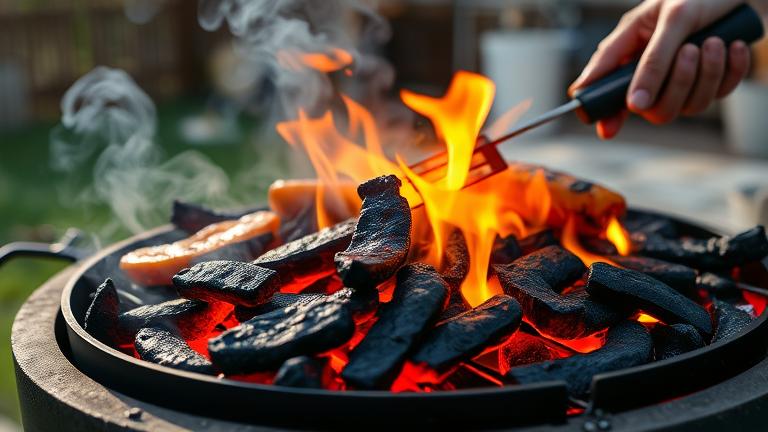
Understanding Black Charcoal in Cooking
Black charcoal is a popular fuel source used by many grilling and barbequing enthusiasts around the world. It is prized for its ability to produce high heat, smoky flavor, and a consistent burn, which makes it ideal for cooking outdoors. When you hear about barbecues or grilling parties, chances are black charcoal is involved in creating that perfect, flavorful meal.
Black charcoal is essentially made from carbon-rich materials like wood, coconut shells, or other organic matter that has been burned with limited oxygen. This process, known as pyrolysis, removes moisture and volatile compounds, leaving behind mostly carbon. The result is a dense, black, porous material that ignites easily and burns steadily. This unique composition is what gives black charcoal its distinguishing qualities and wide culinary appeal.
What Makes Black Charcoal Special?
One of the main reasons black charcoal is favored in cooking is its ability to reach very high temperatures quickly. This makes it perfect for searing steaks, grilling vegetables, or roasting sausages. The porous nature of charcoal also helps it burn more efficiently and produce that signature smoky aroma that many cooks seek.
Another key aspect is its versatility. Black charcoal comes in different forms and types, each suited for various cooking styles and preferences. Whether you prefer lump charcoal or briquettes, understanding their differences can help you choose the best option for your grilling needs.
Types of Black Charcoal and Their Uses
| Type | Description | Best Uses |
|---|---|---|
| Lump Charcoal | Natural pieces of wood charcoal that come in irregular shapes and sizes. Usually made by burning whole pieces of wood in a low-oxygen environment. | Great for high-heat grilling, quick starting fires, and when a natural smoky flavor is desired. Ideal for open-flame cooking and outdoor grills. |
| Briquettes | Uniformly shaped compressed charcoal made from ground charcoal, binder agents, and sometimes added flavors or accelerants. Often labeled as ready-to-use. | Perfect for longer, steady cooking sessions like slow roasting or large gatherings. They burn evenly and last longer than lump charcoal. |
| Binchotan | High-quality Japanese charcoal known for its pure, dense, and long-burning qualities. Often white or grayish due to mineral content. | Best for low and slow cooking, smoking, or when you need a clean, consistent burn without much ash. |
Practical Tips for Using Black Charcoal
- Always start with a proper ignition method, such as chimney starters, to get your charcoal burning evenly.
- If using lump charcoal, arrange the pieces to allow good airflow for a quick start.
- Allow the charcoal to ash over before cooking; this ensures a steady heat and reduces unwanted flavors.
- Use long-handled tools to handle hot charcoal safely and avoid burns.
- Dispose of cooled ashes responsibly, as they can retain heat for hours and should be fully extinguished before disposal or recycling.
Overall, understanding the nature of black charcoal helps you make better choices and enhances your outdoor cooking experiences. Whether you are searing steaks or slow-smoking ribs, the right type of charcoal can make all the difference in flavor and convenience.
Health Risks of Using Charcoal Grills
Using a charcoal grill can be a fun way to cook outdoors, but it also comes with some health risks that you should be aware of. When you light charcoal and cook meats or vegetables, you may be exposed to harmful fumes and substances called carcinogens. Understanding these risks helps you make safer choices while enjoying your barbecue sessions.
One of the main concerns is the release of smoky fumes. When charcoal burns, it produces smoke that contains chemicals like polycyclic aromatic hydrocarbons (PAHs) and soot. These substances can settle onto your food or be inhaled during grilling. Breathing in these fumes over time can increase the risk of respiratory problems and other health issues.
Another issue is charring food. When meats are cooked at high temperatures, especially over open flames, their surfaces can become charred or burnt. This charring creates compounds called heterocyclic amines (HCAs) and additional PAHs. Studies have shown that consuming foods with these compounds regularly may increase the risk of certain cancers, including colorectal and stomach cancer.
It’s also worth noting that fat drippings from meats often fall onto the hot coals, causing flare-ups and more smoke. These flare-ups produce even more carcinogenic compounds. Plus, the smoke can carry particles that settle into your food, making it less healthy overall.
To reduce these risks, consider some practical safety tips:
- Always cook in well-ventilated areas to avoid inhaling excessive smoke.
- Use a grill chimney starter to light your charcoal instead of lighter fluid, which releases additional harmful fumes.
- Keep the lid on the grill when possible to limit smoke emissions and contain fumes.
- Pre-cook meats in the oven or microwave to reduce cooking time directly on the grill and limit charring.
- Turn food frequently to prevent excessive charring and remove burned portions before eating.
- Use marinades containing vinegar or lemon juice, which may help reduce the formation of HCAs.
- Opt for lean meats and trim excess fat to lessen flare-ups and smoke production.
By being mindful of these safety practices, you can enjoy grilling with less worry about potential health hazards. Remember, the key is moderation and taking steps to minimize exposure to harmful fumes and carcinogens. When in doubt, consider alternative cooking methods or accessories that can make your grilling healthier and safer.
Safety Tips for Charcoal Cooking
Cooking with charcoal can be a fun way to enjoy grilled foods, but it’s important to do so safely. Proper precautions help prevent accidents and ensure everyone stays safe and healthy. Whether you’re a beginner or experienced griller, following these safety tips can make your charcoal cooking more enjoyable and accident-free.
First, always set up your charcoal grill in a well-ventilated area. Charcoal produces carbon monoxide, a colorless and odorless gas that can be dangerous if inhaled in large amounts. Never use a charcoal grill indoors or in enclosed spaces such as garages, basements, or under overhanging roofs. An outdoor space like a patio or backyard is ideal. Make sure your grill is on a flat, stable surface, away from anything flammable like trees, bushes, or wooden decks.
Handling charcoal safely is key. Before you start, read the instructions that come with your grill. Wear heat-resistant gloves when handling hot coals or adjusting the grill vents. Use long-handled tools to flip or move food so you keep your hands away from the heat. Always keep a fire extinguisher, a bucket of water, or a garden hose nearby in case of emergencies. Never pour water onto hot coals, as this can cause dangerous sparks and make the fire spread. Instead, allow the coals to cool completely before disposal.
When lighting your charcoal, prefer safer methods such as chimney starters or electric starters. Avoid using lighter fluid or other accelerants, as they can cause flare-ups or explosions if used improperly. If you do use lighter fluid, only apply it to cold coals and wait until the fumes have burned off before lighting. Never add lighter fluid to hot or burning coals.
While cooking, stay attentive. Never leave the grill unattended, especially when it’s hot. Keep children and pets away from the grilling area to prevent accidental burns or knocks. Make sure your grill is placed at least ten feet from buildings or outdoor furniture. After cooking, allow the charcoal to cool completely before disposing of the ashes. Store leftover charcoal in a metal container away from flammable materials, and avoid dumping ashes in trash cans or plastic bins until they are completely cool to prevent fires.
Finally, be mindful of fire safety at all times. Keep a fire extinguisher close by and know how to use it. Have a plan in case of emergencies and make sure your smoke detectors are functioning. By following these safety tips, you can enjoy the smoky flavor of grilled foods while keeping everyone safe.
How Charcoal Fumes Affect Health
When you start a charcoal grill or burn charcoal indoors, you’re inviting fumes into your breathing space. These fumes come from the combustion process and can have important effects on your health over time. Understanding these effects can help you take steps to enjoy grilling safely and reduce health risks.
Charcoal fumes contain various chemicals, including carbon monoxide, volatile organic compounds, and tiny particulate matter. These substances are released into the air when charcoal burns, especially if it’s not fully extinguished or used indoors without proper ventilation. Breathing in these fumes can cause immediate discomfort or longer-term health issues if exposure is frequent or prolonged.
Short-term Health Effects
Initially, exposure to charcoal fumes might cause symptoms like coughing, throat irritation, or shortness of breath. People with asthma or other respiratory conditions may notice these symptoms more quickly. You might also experience headaches or dizziness if inhaling fumes heavily or in poorly ventilated spaces. These reactions are usually temporary and improve once you leave the smoky environment.
Long-term Health Risks
If you regularly grill indoors or are exposed to charcoal fumes over many years, the risks increase. Prolonged inhalation of particulate matter and chemicals can lead to chronic respiratory problems such as bronchitis or reduced lung function. Some studies suggest a potential link between long-term exposure to ambient air pollution from cooking fumes and increased risk of cardiovascular diseases.
Another concern is carbon monoxide, a colorless, odorless gas produced by incomplete combustion. If ventilation is poor, carbon monoxide can accumulate and pose a significant health hazard, even leading to poisoning in severe cases. Symptoms of carbon monoxide poisoning include headache, weakness, dizziness, and in extreme cases, loss of consciousness.
Tips to Minimize Health Risks
- Always use charcoal in well-ventilated areas. Open windows, or use outdoor grills whenever possible.
- Ensure your indoor grill or fireplace has a good ventilation system, like a vent or exhaust fan.
- Avoid burning charcoal inside if it is not specifically designed for indoor use.
- Never leave burning charcoal unattended, especially indoors.
- Consider using safer alternatives, like electric grills, if you are concerned about fumes and health.
Practical Advice for Safe Grilling
While charcoal can add smoky flavor to your food, safety should always come first. If you enjoy indoor grilling, choose proper equipment and make sure your space is well-ventilated. For outdoor cooking, be sure to keep an eye on the fire and avoid inhaling fumes directly. Taking these simple steps can help you enjoy delicious grilled meals without risking your health.
Environmental Impact of Black Charcoal
Black charcoal is a popular fuel choice for grilling, heating, and even some industrial uses. But it is important to understand how its production and use can affect our environment. From the way it is made to the emissions it produces, black charcoal has both positive and negative impacts on the planet.
One of the main concerns with black charcoal is the process called carbonization. This involves heating wood or other organic materials at high temperatures with limited oxygen. Traditionally, this method is done in open pits or simple kilns. Though effective, it often releases a lot of smoke and pollutants into the air. This contributes to air pollution and can impact local communities’ health, especially in regions where production is not well-regulated.
On the positive side, some charcoal producers now use more sustainable methods, like converting wood waste or fast-growing biomass. These practices can reduce deforestation and make the process more eco-friendly. Look for brands that mention sustainable sourcing or eco-certifications if you want to lower your environmental footprint when buying charcoal.
When you burn black charcoal, it releases carbon dioxide, a greenhouse gas that contributes to climate change. The amount released depends on the type of charcoal and the completeness of the burn. Improper burning can produce very smoky fires full of harmful pollutants like carbon monoxide and volatile organic compounds. These can cause health problems for those nearby and contribute to smog formation in our atmosphere.
There are also other environmental effects to consider. Deforestation for wood supply is a common issue linked to some charcoal production. Unsustainable harvesting can lead to habitat loss, soil erosion, and reduced biodiversity. Over time, this damages ecosystems and can threaten the survival of local wildlife.
To minimize these impacts, look for charcoal made from sustainably harvested wood or biomass. Some brands use recycled waste materials, which helps reduce the demand for virgin wood. Also, consider using our tips to burn charcoal more efficiently, which lessens unnecessary emissions and saves fuel.
Here are some practical tips for reducing your environmental impact when using black charcoal:
- Choose brands that emphasize sustainable and responsible sourcing.
- Use a well-ventilated area and proper grill techniques to ensure complete burning, which produces fewer pollutants.
- Consider alternative fuels like compressed natural gas or electricity for certain uses when possible.
- Practice good fire management by avoiding excess charcoal and controlling your fire to reduce smoke.
- Support policies and companies committed to greener charcoal production methods.
In summary, while black charcoal offers a convenient energy source, it is important to be aware of its environmental effects. By selecting eco-friendly products and using them responsibly, we can enjoy their benefits while helping to protect the planet for future generations.
Best Practices for Safe Charcoal Use
Using charcoal for grilling can give your food great smoky flavor and fun cooking experiences. But it is important to handle and use charcoal safely to protect your health and the environment. Follow these best practices to enjoy grilling while minimizing risks.
First, always choose high-quality charcoal from trusted sources. Look for natural briquettes or lump charcoal without added chemicals or fillers. Cheaper options may contain lighter fluids or additives that release harmful fumes when burned, which can contaminate your food and harm your health.
Before lighting your charcoal, make sure you are in a well-ventilated area. If you are using an outdoor grill, ensure there is enough airflow around the grill to disperse smoke and fumes. Never use charcoal inside enclosed spaces such as garages, basements, or indoors, as this can cause dangerous buildup of carbon monoxide. Carbon monoxide is a colorless, odorless gas that can be deadly if inhaled in large quantities.
When it is time to light the charcoal, use safer methods than lighter fluid, which can cause flare-ups and release toxic fumes. Instead, try using a chimney starter. This metal device helps ignite the coals evenly and quickly, without chemicals. Fill the chimney with charcoal, place some newspaper underneath, and light it. Once the coals are covered with a light gray ash, they are ready to place on the grill.
Manage your charcoal carefully during cooking. Keep a spray bottle of water nearby to control flare-ups caused by excess fat or grease drips. Never pour water directly onto burning charcoal, as this can cause dangerous sparks or steam. Instead, wait until the fire subsides, and use a grill brush or tool to handle the coals safely.
When your grilling session ends, avoid leaving hot coals unattended. Properly extinguish the charcoal to prevent accidental fires or injury. The best way is to spread out the remaining hot coals and pour water or sand over them to snuff out the flames. Use heat-resistant gloves and tongs to handle hot materials safely.
Dispose of ashes responsibly. Once the coals are fully cooled—usually after several hours—store ashes in a metal container with a lid. Never store hot ashes in plastic or cardboard, as they can ignite. Check local regulations for disposal options; many communities have specific collection services for ashes.
Lastly, consider the environmental impact of your charcoal use. Opt for sustainably sourced charcoal made from renewable materials. Avoid charcoal branded as “instant” or “quick-light,” as these often contain chemicals that are worse for air quality. Being mindful of your choices helps support cleaner air and a healthier planet.
By following these simple but important safety practices, you can enjoy grilling with charcoal while protecting your health and the environment. Safe grilling is delicious, fun, and responsible.
Tips for Cooking with Charcoal Safely
Cooking with charcoal can add amazing smoky flavor to your dishes, but it’s important to do it safely. Proper precautions help prevent accidents and ensure you enjoy your grilling experience without any hazards. Here are some practical tips to keep in mind when using black charcoal in your cooking adventures.
Choose the Right Location
Always set up your charcoal grill outdoors in a well-ventilated area. Never use it indoors or in enclosed spaces like garages or covered patios. Charcoal produces carbon monoxide, a dangerous gas that can build up quickly in closed areas.
Keep your grill away from overhanging branches, fences, or other flammable objects. Set it on a flat, stable surface to prevent tipping. Remember, safety starts with choosing a good spot.
Use Proper Lighting Methods
When lighting charcoal, never use gasoline or other flammable liquids, as they can cause dangerous flare-ups. Instead, opt for starter cubes, chimney starters, or electric charcoal igniters.
Allow the charcoal to ignite fully and become covered with a light gray ash before cooking. This not only makes for better heat but also reduces the risk of flare-ups during cooking.
Handle Charcoal with Care
Always wear heat-resistant gloves when handling hot charcoal or adjusting the grill. Use long-handled tools to move or arrange the coals to avoid burns.
After cooking, let the coals cool completely before disposing of them. Pour water over the leftovers in a metal container or use a designated ash disposal box. Never toss hot ashes into trash bins or onto the ground, as they can ignite nearby materials.
Monitor Your Grill Constantly
Stay attentive while cooking. Keep a close eye on the fire, especially if you add more charcoal or adjust the airflow. Sudden flare-ups can happen if fat drips into the flames.
If you see flames rising too high or smoke becoming excessive, reduce the air supply or move the coals around. Never walk away from your grill unattended.
Maintain Proper Ventilation
Ensure there is good airflow around your grill. Proper ventilation helps control the fire and minimizes the buildup of harmful gases. Avoid using portable outdoor heaters or any other objects near the grill that could block airflow.
Avoid Common Mistakes
- Don’t overload your grill with too much charcoal, which can cause dangerous flare-ups.
- Never pour water or other liquids directly onto hot coals to extinguish them, as this causes steam and potential burns.
- Be cautious with lighter fluids and never use them after the coals have been ignited.
Keep Emergency Supplies Handy
Have a fire extinguisher or a bucket of water nearby when grilling outdoors. Know how to use the fire extinguisher, and keep it accessible at all times.
If a fire does start, stay calm and act quickly. Use the extinguisher if safe to do so, or smother the flames with a fire blanket or heavy cloth if necessary.
Cooking with charcoal can be both fun and safe when you follow these practical safety tips. With a little caution, you’ll create delicious smoked dishes without worry, making your outdoor meals enjoyable and hazard-free.