
How to Tell If Limes Are Ripe
Knowing how to tell if limes are ripe is key to enjoying their best flavor and freshness. When limes are picked at their peak, they are juicy, tangy, and perfect for your recipes or drinks. Luckily, there are simple visual and tactile clues to help you choose the right limes at the store or when shopping locally.
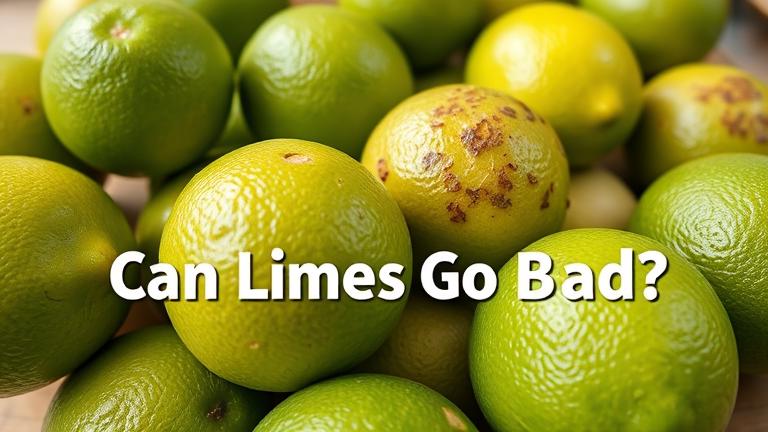
First, look at the color. Ripe limes are usually bright green, but some varieties may turn slightly yellow when fully ripe. Don’t worry if they aren’t perfect shades; a deep, vibrant green generally indicates freshness. Avoid limes that are dull, dullish in color, or have brown spots, as these can be signs of overripeness or bruising.
Next, check the texture. Ripe limes should feel firm but have a slight give when gently pressed with your fingers. If they feel very soft or mushy, they might be overripe, which can lead to less juice and flavor. Conversely, very hard limes can be underripe and might lack sufficient juice and zest. The best limes give a little but bounce back when touched.
Gently inspect the skin. The surface should be smooth and thin. Thick, rough skin can mean the lime is less juicy inside. Also, avoid fruits with wrinkles or shriveled skin, as these suggest the lime is drying out and losing its flavor.
Another helpful tip is to smell the lime. Ripe limes emit a fresh, citrusy scent near the stem end. If there’s no noticeable fragrance, it might not be ripe or flavorful enough. Similarly, if the smell is sour or off-putting, it’s best to leave that lime behind.
Size can sometimes be an indicator, but it’s not always crucial. Larger limes tend to be juicier, but smaller ones can be just as flavorful if ripe. Focus more on color, firmness, and smell for the best results.
Additional Tips for Choosing Ripe Limes
- Buy limes that feel heavy for their size, as this generally indicates they are full of juice.
- Store uncut limes in the refrigerator for up to a week to maintain freshness.
- If the limes aren’t ripe at purchase, leave them at room temperature for a couple of days until they develop a slight softness and color change.
- Check for mold or soft spots to avoid buying spoiled fruit.
By paying attention to these simple signs, you can easily select limes that are at their peak. This ensures you get the most flavor, juice, and zest from your fruit, making your recipes even tastier.
Signs Limes Are Starting to Spoil
Knowing how to spot when limes are starting to spoil can save you from using unappetizing fruit in your recipes. Fresh limes are usually firm, bright green, and have a fresh citrus scent. Over time, they show certain signs that indicate they are past their prime. Recognizing these early changes will help you decide whether to use, store differently, or toss the lime.
Changes in Texture
One of the first signs a lime is beginning to spoil is a change in its texture. Fresh limes are firm and slightly squeezable without feeling mushy. When a lime starts to spoil, it can become soft, overly squishy, or even mushy. If you gently press the fruit and notice it gives way easily or feels slimy, it’s a sign that the fruit is deteriorating.
Similarly, the outer skin may look wrinkled or shriveled, indicating dehydration or aging. Remember, a slightly thicker skin is normal, but excessive wrinkling or a rubbery feel signals decline in freshness.
Changes in Color
Bright green skin is typical of fresh limes. However, as they spoil, you might notice dullness or discoloration. Some limes develop yellow or brown patches or spots. These discolorations are signs of aging or mold growth.
If the lime’s skin appears cracked, dry, or has darkening areas, it’s likely starting to go bad. Keep in mind that some natural blemishes happen, but widespread discoloration or fuzzy patches suggest the fruit is no longer good.
Odor Clues
A fresh lime has a juicy, citrusy aroma that is bright and inviting. When it starts to spoil, it may develop a sour, sour, or musty smell. If you notice an off or strange odor when you cut into the lime or even just smell from the outside, it is best to discard it.
Sometimes, mold or bacteria can produce a foul smell, which is a clear sign to throw the lime away. Trust your nose—if it smells bad, do not taste or use the fruit.
Additional Tips for Storage and Freshness
- Store whole limes in the refrigerator’s crisper drawer to extend freshness for up to a week or more.
- If you notice any mild signs of spoilage but still want to use the lime, try cutting away the damaged parts and using the rest quickly.
- To keep cut limes fresh longer, wrap them tightly in plastic wrap or store them in an airtight container in the fridge.
Being attentive to the texture, color, and smell of your limes can prevent you from running into spoiled fruit. Remember, fresh limes are key to bright flavors in your cooking or drinks. When in doubt, trust your senses and when in doubt, it’s best to discard questionable fruit to keep your dishes safe and tasty.
How Long Do Fresh Limes Last?
Fresh limes are a wonderful addition to many dishes, drinks, and snacks. Knowing how long they stay fresh can help you get the best flavor and avoid waste. Usually, the shelf life of limes depends on how you store them and their ripeness when you buy them. Let’s explore how long fresh limes last and how to keep them at their best.
When you pick out limes at the store, choose ones that are firm, smooth, and heavy for their size. These signs indicate they are juicy and ripe. Once you get them home, proper storage is key to extending their freshness. There are a few common storage options with different time frames.
Storing Limes at Room Temperature
If your limes are not yet cut, you can keep them at room temperature. Place them in a cool, dry spot away from direct sunlight. Under these conditions, they often last about 2 to 4 days. This is a good option if you plan to use them soon and want to keep their skins firm and shiny.
Storing Limes in the Refrigerator
For longer storage, refrigeration is your best bet. Keep whole limes in the crisper drawer or in a sealed plastic bag with some tiny holes for airflow. When stored this way, fresh limes typically last about 2 to 4 weeks. They stay firm, juicy, and flavorful for quite a while, making them perfect for meal prep or having on hand for drinks.
Cut Limes and How to Store Them
If you’ve already sliced or juiced your limes, their shelf life is shorter. Wrap cut limes tightly in plastic wrap or store in an airtight container. Keep them in the fridge, and they will last about 3 to 4 days. It’s best to use them sooner rather than later to enjoy the freshest flavor.
Signs Limes Are No Longer Good
Check your limes regularly. They should be firm, bright green, and smooth. If they develop soft spots, dark patches, or mold, it’s time to discard them. Also, if they smell sour or off, it means they have gone bad. Using bad limes can affect the taste of your dishes and drinks.
Some Storage Tips
- Keep whole limes in a cool, dry place or in the fridge for longer freshness.
- Avoid leaving limes out in direct sunlight or in warm areas.
- Wrap cut limes tightly to prevent them from drying out or absorbing other odors.
- Use older limes first to prevent waste and ensure the best flavor for your recipes.
By following these storage tips and paying attention to the signs of spoilage, you can enjoy fresh, juicy limes whenever you need them. Properly stored limes will not only taste better but will also give you more value for your money.
Best Storage Tips for Limes
Fresh limes are a great way to add zest and flavor to your dishes, drinks, and desserts. To keep them tasting their best for as long as possible, proper storage is key. Whether you buy them in bulk or just have a few on hand for the week, knowing how to store limes can help you avoid waste and enjoy their juicy goodness longer.
The most important thing is to protect the limes from moisture, heat, and light, which can cause them to spoil faster. Here are some practical tips to help you keep your limes fresh and flavorful.
Refrigeration
Refrigerating is usually the best method for extending the shelf life of limes. When stored properly in the fridge, limes can usually stay fresh for about 2 to 4 weeks.
- Place the limes in the crisper drawer, which is designed to maintain humidity.
- Put them in a perforated plastic bag or a breathable produce bag. This helps prevent excess moisture from building up, which can cause mold.
- If you don’t have a bag, simply leave the limes loose in the drawer. Just make sure they’re dry and not packed tightly.
Instead of washing limes before storing, wait until you’re ready to use them. Washing can introduce moisture that promotes spoilage. Only wash them right before squeezing or cooking.
Room Temperature Storage
If you plan to use your limes within a few days, storing them at room temperature is fine. Keep them in a cool, dark place away from direct sunlight, such as in a bowl on your countertop or a pantry shelf.
- Avoid storing limes near heat sources like the stove or oven.
- Ensure they are kept separate from other ripe fruits that give off ethylene gas, which can speed up spoilage.
At room temperature, limes tend to last about 1 week, so plan your shopping and cooking schedule accordingly. Remember, once they start to develop soft spots or mold, it is best to discard them.
Packaging Tips
Proper packaging can really help extend the freshness of your limes. If you buy in bulk or want to store limes for a longer period, consider these tips:
- Wrap individual limes tightly in plastic wrap or aluminum foil before refrigerating. This helps prevent moisture loss and keeps them juicy.
- Use airtight containers for storing sliced or cut limes, as exposure to air speeds up drying out and spoilage. Tightly cover with plastic wrap or use a resealable bag.
- If you have many limes, freezing can be an option, but only if they are prepared properly. Juice or zest them first, then store in an airtight container or freezer bag. Frozen lime juice or zest keeps well for about 3 to 4 months.
Common Mistakes to Avoid
- Don’t store limes in the fridge door, where temperature fluctuations occur often.
- Don’t wash limes before storing unless you plan to use them immediately. Moisture accelerates spoilage.
- Avoid storing limes next to ripe bananas or apples, as the ethylene gas can cause them to spoil faster.
By following these simple storage tips for limes, you can enjoy their bright, tangy flavor longer. Proper storage not only extends freshness but also helps preserve their juiciness and aroma. So, next time you buy a bunch of limes, remember these practical tricks and make the most of their vibrant taste!
Can You Still Use Slightly Old Limes?
If you find limes that are a bit older than usual, you might wonder whether they are still good to use. The good news is that slightly old limes can often still be useful in your recipes. But it’s important to check them carefully before adding them to your food or drinks.
Using old limes can save you money and reduce waste. However, using limes that are too spoiled can affect the taste and safety of your dishes. So, a quick assessment helps you decide if they’re still worth squeezing or if it’s time to toss and replace them.
How to Tell if a Lime Is Still Good
- Appearance: Look for any signs of mold, excessive soft spots, or dark patches. A good lime should be firm, shiny, and smooth. If it’s heavily wrinkled or has mold, discard it.
- Smell: Smell the lime’s skin near the stem. A fresh lime has a bright, citrusy aroma. If it smells sour, musty, or off in any way, it’s best not to use it.
- Feel: Gently squeeze the lime. It should feel firm but yield slightly to pressure. If it feels mushy or very soft, it’s probably beyond its prime.
Can Slightly Old Limes Be Used?
Yes, if your lime shows only minor signs of aging, such as a dull skin or slight wrinkling, it’s usually still good for juicing or zesting. The interior might still be juicy and flavorful, especially if it passes the appearance and smell tests.
However, if the lime has dried out and feels very hard or has lost a lot of its moisture, it might produce less juice. In that case, it can still be useful for recipes that call for zest, but for maximum juice, fresh limes are better.
Practical Tips for Using Slightly Old Limes
- For juicing: Roll the lime on the counter before cutting. This helps release more juice, especially in limes that are a bit dry.
- Remove the zest: Even if the lime isn’t as juicy, the zest contains lots of flavor. Grate the outer peel and add it to dishes or drinks.
- Use in cooked recipes: Slightly old limes can be great in cooked dishes like marinades or sauces where the flavor will meld with other ingredients.
When to Discard
If a lime has a foul smell, mold, or looks rotten, it’s best to toss it. Using spoiled citrus can cause food-borne illnesses or negatively impact your dish’s taste.
Also, if the lime is very dry, hard, or has shriveled into a small ball, it probably won’t give you much juice or flavor. It’s smarter to use fresh limes in such cases.
Common Mistakes When Keeping Limes
Storing limes properly can extend their freshness and prevent wastage. However, many people make simple mistakes that lead to spoilage and lost flavor. Knowing these common errors can help you keep your limes fresh for longer and enjoy them at their best.
One of the most frequent mistakes is storing limes at the wrong temperature. Many assume that keeping them out on the kitchen counter is okay, but limes are best kept in the refrigerator. The ideal temperature is around 40°F (4°C). At room temperature, limes tend to dry out or spoil more quickly, especially in warm or humid environments.
Another common mistake is exposing limes to direct sunlight. Sunlight can cause the fruit to over-ripen, turn brown, or develop mold faster. Always store limes in a cool, dark place or within the crisper drawer of your fridge to shield them from light and maintain their quality.
Additionally, improper packaging plays a big role in spoilage. Leaving limes out loose on the counter or in a crowded bowl can lead to bruising and faster deterioration. Try storing limes in a perforated plastic bag or a breathable container. This allows air circulation, which helps prevent mold and mold-related spoilage.
Some people forget that limes can also be affected by moisture. Too much moisture can cause the fruit to rot, while too little can dry out the lime and make it hard. To avoid this, keep limes dry before storage. If you notice condensation inside the packaging, remove the limes and dry them before putting them back in the fridge.
It’s also a mistake to buy more limes than you need and leave them sitting unused for too long. Limes are best enjoyed within a week or two of purchase. If you see that you won’t use them all in time, consider slicing or juicing some limes and storing the juices in an airtight container in the fridge. This way, they stay fresh longer and are ready whenever you need them.
| Storage Tip | What to Avoid | Ideal Conditions |
|---|---|---|
| Refrigerate limes | Leave at room temperature for days | 40°F (4°C), in a perforated bag or container |
| Store in a dark place | Expose to sunlight | Cool, dark corner or crisper drawer |
| Keep dry | Moisture buildup inside packaging | Dry limes before storing, in breathable packaging |
- Inspect limes regularly to catch any signs of spoilage early.
- Avoid stacking limes too tightly — this can bruise the fruit and promote mold.
- If limes develop soft spots, mold, or an off smell, it is best to discard them.
- Use limes promptly after purchase to prevent waste and enjoy the best flavor.
Food Safety Tips for Limes
Handling limes safely is important to prevent foodborne illnesses and enjoy their fresh flavor. Whether you buy limes from the store or pick them from your garden, following some simple food safety practices can make a big difference. Limes are often used in drinks, salads, and cooking, so it’s essential to handle them properly from start to finish.
First, always start with clean hands. Wash your hands thoroughly with soap and water before touching limes or any other fresh produce. This helps prevent bacteria transfer from your hands to the fruit.
Washing Limes Correctly
Even though limes have a tough outer skin, it is still important to wash them before use. Dirt, bacteria, and pesticide residues can be present on the surface. To wash a lime:
- Rinse the lime under cool running water.
- Use a soft brush or your hands to gently scrub the skin, especially if you plan to zest or grate the lime.
- Dry the lime with a clean paper towel or cloth before cutting or squeezing.
Avoid using soap or bleach solutions on limes, as traces can remain on the surface and may affect the flavor or safety.
Cutting and Preparing Limes Safely
Before cutting limes, make sure your cutting board and knife are clean. Bacteria from cutting boards or knives can transfer from other foods. Wash them thoroughly with hot soapy water regularly.
When cutting limes, use a sharp knife. A dull knife can slip and cause injuries. Cut the lime on a stable surface to prevent accidents. If you are using lime slices or wedges for drinks or garnishes, keep them refrigerated until just before serving.
Storing Limes Properly
Fresh limes should be stored in the refrigerator to maintain their quality. Place them in a plastic bag or airtight container. They generally last about one to two weeks when refrigerated.
If you have cut limes, wrap them tightly with plastic wrap or store in a sealed container. Use within 2-3 days for the best flavor and safety.
What to Do if Limes Are Spoiled
If limes develop an unpleasant smell, mold, or slimy texture, it’s best to discard them. Consuming spoiled produce can cause foodborne illnesses such as stomach aches or infections.
Always inspect limes carefully before use. Remember, if in doubt, it’s safer to toss out questionable produce than risk health issues.
Additional Tips for Safe Lime Use
- Wash your hands again after handling raw limes, especially before eating or preparing other foods.
- Keep limes separate from raw meats, poultry, or seafood to avoid cross-contamination.
- Use clean utensils and cutting boards each time you prepare limes to prevent bacteria spread.
By following these simple food safety tips, you can enjoy fresh limes with confidence. Proper handling, washing, and storage help reduce the risk of foodborne illnesses and keep your meals safe and delicious.