
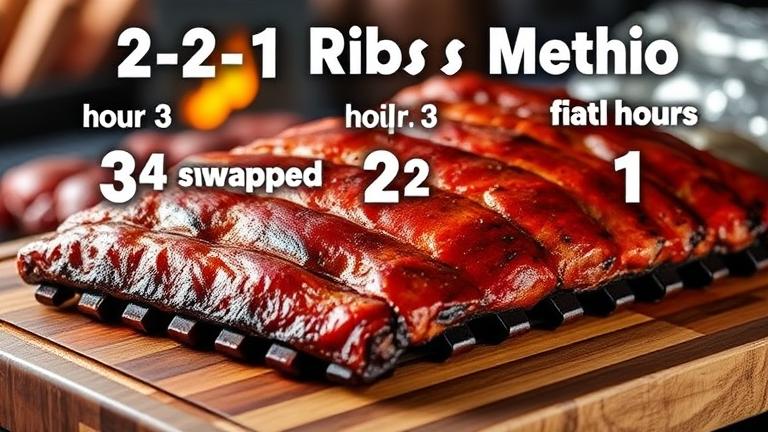
The 3-2-1 Ribs Method: A Classic Technique for Tender, Flavorful Ribs
The 3-2-1 ribs method is renowned among barbecue enthusiasts for intentionally creating tender, juicy, and flavorful ribs. Originating from Memphis-style barbecue, this technique emphasizes a slow and steady cooking process that breaks down the connective tissues in the meat, resulting in fall-off-the-bone tenderness. Its popularity has spread worldwide because it simplifies the cooking process while consistently delivering delicious results.
This method involves three distinct stages: three hours of smoking, two hours of wrapping in foil, and one final hour of finishing on the grill or smoker. During the initial smoking period, the ribs absorb rich smoky flavors while developing a tender texture. Wrapping in foil during the second stage traps moisture and further tenderizes the meat, ensuring it remains juicy. The final hour allows for the application of sauces or glazes to build a flavorful crust and enhance the visual appeal of the ribs.
To see how this process works in action, watch this comprehensive visual guide:
Step-by-Step Guide to Perfect Ribs Using the 3-2-1 Method
Achieving perfectly tender ribs requires a structured approach that begins with selecting the right type of ribs. When choosing meat, look for ribs with good marbling, which helps keep the meat moist and adds flavor. Avoid cuts with excessive bone or fat, as these can affect the texture and overall taste. Baby back ribs are a popular choice for their tenderness, while spare ribs offer a richer, more pronounced flavor.
seasoning techniques are critical for elevating the flavor of your ribs. Start by applying a dry rub made from spices such as paprika, garlic powder, black pepper, and salt. Generously coating the ribs with rub and letting them rest for a few hours allows the spices to penetrate deeply into the meat. This step results in a flavorful crust and well-seasoned meat.
Maintaining an optimal cooking environment is essential. Use a smoker or oven set between 225 to 275°F. This low and slow method ensures the meat becomes tender without drying out. During smoking, keep the temperature steady to prevent overcooking or undercooking, which can lead to dry or tough ribs.
Common pitfalls include overcooking, which can turn ribs dry and chewy, and under-seasoning, resulting in a bland taste. Always check the internal temperature with a meat thermometer. For fall-off-the-bone tenderness, aim for an internal temperature of about 190°F.
Flavorful Variations in Barbecue Sauces
Barbecue sauces are the finishing touch that can transform your ribs into a mouthwatering masterpiece. Customizing your sauce allows for a range of flavors that suit personal taste and regional preferences. For instance, adding smoked paprika or chipotle lends a smoky depth, while honey or brown sugar brings a sweet richness.
Incorporating acids like apple cider vinegar or citrus juices can add brightness and tanginess to balance the sweetness and smokiness. Adjusting ingredients allows you to create sauces that complement the natural flavor of your ribs or introduce new flavor profiles. Whether you prefer a thick glaze or a thinner sauce, these modifications enable you to tailor your barbecue experience.
Different cooking setups influence the depth and complexity of your barbecue sauces. Slow simmering over low heat melds flavors for a richer sauce, whereas microwaving can offer a quicker alternative. When grilling, adding liquid smoke or smoked paprika intensifies smoky notes, enriching the aroma and taste of your sauce. Various cookware like cast iron pans or slow cookers provide additional control over the sauce’s consistency, allowing you to achieve the perfect texture.
Presentation Tips to Elevate Your Ribs
Serving your ribs attractively not only enhances visual appeal but also elevates the overall dining experience. Start by garnishing the ribs with fresh herbs such as parsley or cilantro, which add a vibrant touch of color. Plating on a rustic wooden board or a stylish platter creates an inviting, handcrafted look that complements the smoky flavors.
Pair your ribs with colorful sides such as roasted vegetables, cornbread, or a crunchy coleslaw to achieve a balanced presentation. These accompaniments add contrasting textures and flavors that make the dish more appealing. Additionally, artfully drizzling sauces like smoky barbecue, tangy mustard, or sweet glaze over the ribs enhances their appearance and flavor.
Providing a variety of condiments and dips allows guests to customize their tasting experience, making the meal more interactive and engaging. Use decorative bowls or small containers to serve different sauces alongside the ribs, encouraging diners to experiment with flavors. This thoughtful presentation invites an appetizing and memorable dining moment.