
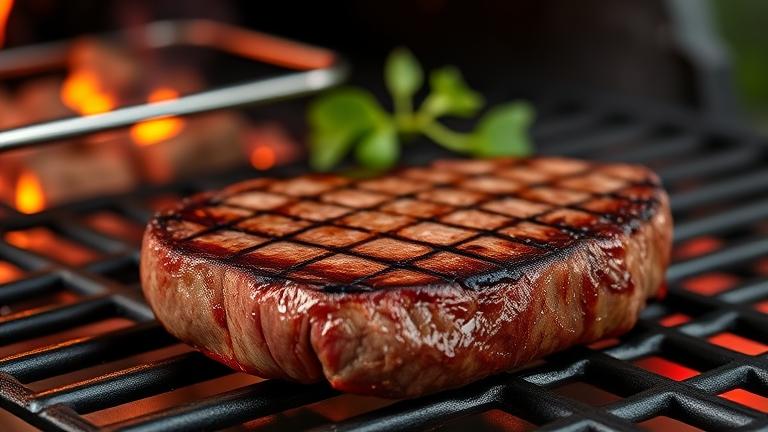
Tips for Grilling a Perfect Filet Mignon
Grilling a filet mignon can be a delicious way to enjoy this tender, flavorful cut of beef. To get that perfect sear and just the right level of doneness, a few simple tips can make all the difference.
First, start with quality meat. Look for a filet mignon that is about 1.5 to 2 inches thick, as thicker cuts help you control the internal temperature better. Before grilling, let the steak sit at room temperature for about 30 minutes. This ensures even cooking and prevents the outside from burning before the inside is cooked through.
Pat the meat dry with paper towels to remove excess moisture. A dry surface helps achieve that beautiful, caramelized crust. Season generously with salt and pepper or your favorite steak rub. Light oil on the surface can also help prevent sticking and promote a good sear.
Preparing Your Grill
Preheat your grill to high heat, around 450–500°F (232–260°C). If using a charcoal grill, let the coals burn down until covered with white ash. For gas grills, turn all burners to high and close the lid to reach the right temperature.
Oil the grill grates lightly with a high smoke point oil like canola or vegetable oil. This helps prevent sticking and gives you those perfect grill marks. Setting up your grill for direct heat makes searing easier, but having a cooler zone can be handy for finishing the steak without burning it.
Grilling Your Filet Mignon
- Place the steak on the hottest part of the grill. Don’t move it around too much; let it sear for about 2–3 minutes on each side to develop that rich crust.
- Use tongs to flip the steak—avoiding piercing the meat with a fork, which can let juices escape. Flip only once if possible.
- Cook until the internal temperature reaches your preferred doneness:
- Rare: 120–125°F (49–52°C)
- Medium-rare: 130–135°F (54–57°C)
- Medium: 140–145°F (60–63°C)
- Medium-well: 150–155°F (66–68°C)
- Well done: 160°F (71°C) and above
- Use a reliable instant-read thermometer to check temperature. Insert it into the side of the steak for an accurate reading.
After Grilling
Once your steak hits the target temperature, remove it from the grill and transfer it to a plate. Let it rest for about 5 minutes before slicing. Resting allows juices to redistribute, ensuring each bite is juicy and tender.
During resting, the steak’s temperature may rise slightly—about 5°F—so consider removing it a few degrees below your target. Slice against the grain for maximum tenderness and enjoy that perfect, flavorful filet mignon you worked hard to achieve.
Common Mistakes to Avoid When Grilling
Grilling can be a fun and delicious way to cook, especially when making a perfect filet mignon. However, even experienced grillers can fall into common traps that affect the taste and texture of their meat. Knowing these pitfalls and how to avoid them will help you achieve tender, juicy, and flavorful results every time you fire up the grill.
One of the biggest mistakes is not preheating the grill properly. If your grill isn’t hot enough when you place the meat on, the steak can stick or cook unevenly. Make sure to preheat your grill for at least 10-15 minutes before cooking. This helps create a nice sear, which locks in juices and flavor.
Another common error is excessive seasoning or marinade that’s too salty or acidic. While seasoning is important, too much can overpower the natural flavor of the filet mignon. Use a simple rub of salt, pepper, and maybe some garlic powder. If marinating, keep it brief—about 30 minutes to an hour—and avoid acidic ingredients like lemon or vinegar for too long, as they can break down the meat’s surface.
Sometimes, people forget to bring the meat to room temperature before grilling. Cold steak straight from the fridge will take longer to cook and might be uneven inside. Take your filet out about 30 minutes before grilling. This allows it to cook more evenly and prevents the outside from burning before the inside is done.
Timing is another tricky area. Overcooking can turn a tender filet into a tough, dry piece of meat. Use a meat thermometer to check internal temperature. For medium-rare, aim for about 135°F (57°C), and remove the steak once it’s within a few degrees of your target. Remember, the steak will continue to cook slightly after removing from the grill.
Flipping the steak too often is a mistake that can prevent a good sear. Let the meat cook undisturbed for 3-4 minutes per side for a nice crust. Use tongs to turn the steak gently, avoiding piercing it, which can cause juices to escape. This keeps your filet juicy and flavorful.
Many grillers also neglect to rest the meat after cooking. Resting for about 5 minutes allows the juices to redistribute throughout the steak. Cutting into it immediately can cause all those flavorful juices to run out, leaving you with a dry bite
Finally, don’t forget about grill cleanliness. A dirty grill with old residue can impart off-flavors and cause your steak to stick. Clean your grates thoroughly before cooking to keep your filet tasting as it should—pure, tender, and delicious.
- Always preheat your grill fully before cooking.
- Season lightly and avoid overly acidic marinades.
- Allow the meat to reach room temperature first.
- Use a thermometer for precise doneness.
- Permit the steak to rest after grilling.
- Keep your grill clean for the best flavor.
Best Seasonings and Marinades for Filet Mignon
Filet mignon is known for its tender, mild flavor that makes it a perfect canvas for a variety of seasonings and marinades. Choosing the right flavors can elevate your steak and add a memorable touch to your meal. Whether you prefer simple salt and pepper or more elaborate marinade blends, there are plenty of options to suit your taste.
Simple Seasonings for Classic Flavor
The easiest way to enjoy filet mignon is with a few basic seasonings. Salt and freshly ground black pepper are timeless, bringing out the steak’s natural richness. For an extra flavor boost, add garlic powder or onion powder. You can also sprinkle with a little dried thyme or rosemary for aromatic hints.
To prepare, pat dry the steak and generously season both sides with salt and pepper. Let it sit at room temperature for about 30 minutes before cooking. This helps the seasoning penetrate and ensures even cooking. For a quick yet flavorful option, just these simple seasonings work beautifully.
Herb and Spice Blends
If you want to add more complexity, try a herb and spice blend. A mix of crushed garlic, chopped fresh herbs like rosemary, thyme, or parsley, along with a pinch of paprika, can provide a fresh, earthy flavor. Italian seasoning or steak seasoning blends from the store are also convenient options.
Rub the herbs and spices onto the steak with a little olive oil to help them stick. Rest the steak for about 15 minutes before cooking to allow the flavors to meld. These blends add a fragrant touch that highlights the steak without overpowering it.
Marinades for Extra Flavor
Marinades are perfect for adding moisture and flavor. They can be as simple as a mixture of oil, acid, and seasonings. Common ingredients include olive oil, balsamic vinegar, soy sauce, garlic, and herbs.
For a basic marinade, combine 1/4 cup of olive oil, two tablespoons of balsamic vinegar, two minced garlic cloves, and teaspoon of thyme or rosemary. Place the steak in the marinade and refrigerate for at least 1 hour, or up to 4 hours for more flavor.
Beyond simple mixes, you can experiment with Asian-inspired flavors by adding ginger, soy sauce, and sesame oil, or go Mediterranean with lemon juice, oregano, and olive oil. Remember to pat the steak dry after marinating to get a good sear.
Tips for Flavoring Filet Mignon
- Avoid overpowering the steak. Since filet mignon is tender and mild, subtle seasonings often work best.
- Marinate for at least an hour, but no more than 4 hours, to prevent the meat from becoming mushy or overly salted.
- Use fresh herbs when possible for a brighter flavor.
- Always season or marinate the steak just before cooking to lock in flavor and moisture.
How to Achieve Perfect Doneness
Cooking filet mignon to your preferred level of doneness can turn a simple steak into a memorable meal. Whether you like it rare, medium, or well-done, understanding temperature guidelines and testing methods will help you get it just right. With a little practice, you can enjoy tender, flavorful steak every time.
Start by bringing your filet mignon to room temperature before cooking. This helps it cook evenly and reduces the risk of overcooking on the outside while the inside remains underdone. Use a good instant-read thermometer to monitor the temperature during cooking. It’s the most accurate way to achieve perfect doneness without cutting into the meat.
Temperature Guidelines for Doneness
| Doneness Level | Internal Temperature (°F / °C) | Description |
|---|---|---|
| Rare | 120-125°F / 49-52°C | Cool, red center. Very tender and juicy. |
| Medium Rare | 130-135°F / 54-57°C | Warm, red center. Most people find it the perfect balance of flavor and tenderness. |
| Medium | 140-145°F / 60-63°C | Hot pink center. Slightly firmer but still juicy. |
| Medium Well | 150-155°F / 66-68°C | Mostly cooked through with a slight hint of pink. |
| Well Done | 160°F / 71°C and above | Fully cooked with no pink. Can be less tender, so avoid overcooking. |
Remember, residual heat can cause the steak to rise a few degrees after removing from heat. To get it just right, take the filet out of the pan or grill when it’s about 5°F / 3°C below your target temperature. Rest the meat for 5 minutes before slicing. Resting helps the juices redistribite, making your steak more flavorful and tender.
Tips for Testing Doneness Without Cutting
- Use your instant-read thermometer—this is the most accurate method. Insert it into the thickest part of the steak, avoiding bone or fat.
- If you don’t have a thermometer, try the touch test: press gently on the meat with your finger or tongs and compare it to the feel of different parts of your hand. For example, rare feels soft and squishy, while well-done is firmer.
- Remember, hands-on testing takes practice. When in doubt, rely on a thermometer for consistency.
Keep in mind that cooking steak is as much about personal preference as it is about safety. For beef, the USDA recommends cooking to at least 145°F / 63°C for safety reasons, but many enjoy filet mignon cooked less for tenderness.
By following these temperature guidelines and testing tips, you’ll be able to cook your filet mignon to perfection every time. Happy grilling and enjoy your delicious, perfectly cooked steak!
Essential Tools for Grilling Success
Grilling a perfect filet mignon is easier and more enjoyable when you have the right tools at your fingertips. Whether you’re a beginner or an experienced griller, investing in quality equipment can make all the difference. From thermometers to tongs, each tool helps ensure your steak is cooked just right and delivers a delicious, tender result.
Thermometers
One of the most important tools for grilling a filet mignon is a reliable meat thermometer. It helps you monitor the internal temperature of the steak to achieve your preferred level of doneness. For example, aiming for 125°F for rare, 135°F for medium-rare, and 145°F for medium. Digital instant-read thermometers are popular because they give quick, accurate readings. Avoid relying solely on visual cues like color or texture, which can be deceiving.
Grill Types
The type of grill you use can impact your results. Gas grills heat up quickly and maintain steady temperatures, making them great for beginners. Charcoal grills give a smoky flavor that many chefs love, but they require more attention to temperature control. If you want versatility, consider a dual-fuel grill that combines both methods. For delicate cuts like filet mignon, a well-maintained grill with even heat distribution is best, so choose a model suited to your space and style.
Essential Tools
- Long-handled tongs: Essential for flipping and moving the steak safely without piercing the meat, which helps retain juices.
- Grill spatula: Useful for flipping or repositioning the steak, especially on flat grates.
- Brush or spray: For applying oil or marinades to prevent sticking and add flavor.
- Heat-resistant gloves: Protect your hands from heat when handling hot grates or moving the steak around.
Additional Equipment Tips
Other helpful tools include a meat tenderizer if you want to soften the steak slightly before grilling, and a meat cutting board for resting and slicing. To maximize your grilling success, keep your tools clean to prevent cross-contamination and rust. Invest in sturdy, dishwasher-safe utensils that will last through many steak nights.
Recommended Equipment for Better Results
| Tool | Suggested Features | Why It Helps |
|---|---|---|
| Instant-read digital thermometer | Fast response, accurate, waterproof | Ensures perfect doneness without guesswork |
| Heavy-duty tongs | Long handle, non-slip grip | Safe, precise flipping and handling |
| Gas or charcoal grill | Even heat distribution, adjustable controls | Consistent cooking environment |
With the right tools, grilling a filet mignon becomes a straightforward and enjoyable experience. Every step, from searing to resting, is easier with the proper equipment. Now, you’re ready to impress with perfectly cooked steak every time!
Serving Ideas and Side Dishes
Grilled filet mignon is a luxurious and tender cut of beef that deserves to be showcased beautifully on your plate. With the right presentation and complementary side dishes, you can elevate your meal to a memorable dining experience. Whether you’re hosting a special dinner or enjoying a cozy night in, these ideas will help you serve filet mignon with flair and flavor.
Start by thinking about plating. A simple yet elegant style is to place the filet mignon in the center of a warm plate. You can add a drizzle of sauce, like a red wine reduction or herb-infused butter, to enhance its richness. For visual appeal, garnish with fresh herbs such as thyme, parsley, or rosemary. A squeeze of lemon or a sprinkle of flaky sea salt can also add a nice touch of brightness.
Presentation Tips
- Use a clean, white plate to make the meat and sides stand out.
- Arrange the filet slightly angled and add colorful sides around it for contrast.
- Place a sprig of herbs or a small edible flower for an attractive finishing touch.
- If you want to wow your guests, serve the steak on a wooden board or a slate platter for a rustic look.
Creative Side Dishes
Pairing your filet mignon with the right side dishes is key to a balanced and flavorful meal. Classic options like mashed potatoes or roasted vegetables are always a hit, but don’t hesitate to try something a bit more creative to impress your guests or family.
Vegetable Sides
- Grilled Asparagus: Lightly seasoned with olive oil, salt, pepper, and a squeeze of lemon. Grill until tender and slightly charred for a smoky flavor.
- Sautéed Mushrooms: Cook a mix of cremini, shiitake, or button mushrooms with garlic and thyme. Finish with a splash of white wine or balsamic vinegar.
- Roasted Root Vegetables: Carrots, parsnips, and sweet potatoes roasted with rosemary, salt, and olive oil until caramelized.
Starchy Sides
- Creamy Mashed Potatoes: Classic comfort food. Use butter and cream for richness. Add roasted garlic or chives for extra flavor.
- Herb Risotto: Creamy rice cooked with parmesan, thyme, and a splash of white wine. It pairs well with the steak’s richness.
- Wild Rice Pilaf: Cooked with vegetables, nuts, and dried fruit for added texture and sweetness.
Salads and Light Accompaniments
- Arugula and Parmesan Salad: Toss arugula with olive oil, lemon juice, shaved parmesan, salt, and pepper. Light and tangy, it cuts through the richness of the meat.
- Beet and Goat Cheese Salad: Roasted beets with crumbled goat cheese, walnuts, and a balsamic glaze offer earthiness and acidity.
Serving Tips for Enhancement
- Bundle sides on a platter for family-style sharing or serve individually for a formal feel.
- Offer a variety of sauces and condiments, like horseradish cream, peppercorn sauce, or blue cheese crumbles, to cater to different tastes.
- Pair your meal with a complementary wine, such as a robust Cabernet Sauvignon or a smooth Malbec, to bring everything together.
- Consider adding a bread basket with crusty baguette or dinner rolls to soak up sauces and juices.
FAQs About Grilling Filet Mignon
If you’re new to grilling filet mignon or just want to ensure perfect results every time, these common questions can help guide you. Grilling a 1.5-inch thick filet mignon is straightforward when you know the right techniques. Let’s go over some tips, tricks, and answers to the most frequently asked questions.
What’s the best way to season a filet mignon before grilling?
The simplest method is to keep it classic with just salt and pepper. Use coarse sea salt and freshly ground black pepper for the best flavor. You can also add garlic powder, paprika, or your favorite herbs for extra taste. Just remember, since filet mignon is a tender cut, heavy marinades or too much seasoning can overpower its delicate quality. For a quick flavor boost, massage the steak with a little olive oil before seasoning. Allow the meat to sit at room temperature for about 30 minutes after seasoning to help it cook evenly.
What temperature should I grill a 1.5-inch filet mignon for optimal doneness?
For a perfect medium-rare finish, aim for an internal temperature of 130°F to 135°F. If you prefer medium, cook to 140°F to 145°F. Use a meat thermometer to check the temperature, especially as the steak nears the end of grilling. Since filet mignon is quite tender, overcooking can make it less juicy. Remember, the steak continues to cook a few degrees after removing it from the grill, so take it off when it’s just below your target temperature.
How long should I grill a 1.5-inch filet mignon?
Grilling times can vary based on heat and steak thickness. As a general rule, for a 1.5-inch thick filet mignon, grill over medium-high heat for about 4 to 5 minutes per side for medium-rare. For medium, give it roughly 6 minutes per side. Keep in mind, these are estimates, so it’s best to use a meat thermometer. If you want crosshatch grill marks, turn the steak halfway through each side’s cooking time.
Should I let my filet mignon rest after grilling?
Absolutely. Resting the steak for about 5 minutes allows the juices to redistribute. This step makes your filet more tender and flavorful. Cover it loosely with foil during resting to keep it warm, but avoid wrapping it tightly to prevent sweating. Resting also helps prevent the juices from running out when you cut into the steak.
Any tips for achieving perfect grill marks and a nice sear?
Start with a clean, hot grill. Preheat your grill to high heat and lightly oil the grates. Place the steak on the grill, and don’t move it for about 2 to 3 minutes to let a good sear develop. Using tongs, rotate the steak 45 degrees to create crosshatch marks, then cook for another 2 to 3 minutes. Flip the steak and repeat on the other side. A good sear locks in flavor and gives your filet that beautiful, professional look.
What are some common mistakes to avoid when grilling filet mignon?
- Cooking at too high or too low a temperature — aim for medium-high heat for a good sear and even cooking.
- Overcooking the steak — filet mignon is prized for its tenderness, so aim for the right internal temperature.
- Skipping the rest period — resting ensures juicy, flavorful results.
- Not preheating the grill properly — hot grates help prevent sticking and give better grill marks.
By keeping these tips in mind, grilling your 1.5-inch filet mignon can become a quick and rewarding process. Happy grilling and enjoy your perfectly cooked steak!