
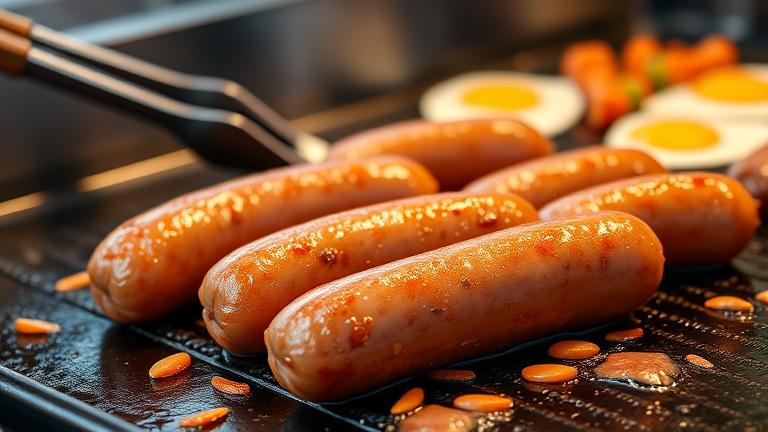
Choosing the Right Sausage for Grilling
Grilling sausages on a griddle is a quick and tasty way to enjoy a smoky, flavorful meal. To get the best results, it’s important to select the right type of sausage. The right choice depends on factors like texture, flavor, casing, and whether the sausage is fresh or frozen. Knowing what to look for can help you avoid common mistakes and cook sausages that stay juicy and delicious.
When choosing sausages for grilling, start by considering the texture. Ideally, you want sausages with a firm but tender bite. Sausages that are too soft or sticky may fall apart on the grill, while very hard ones might turn tough. Look for links that feel plump and slightly springy when you gently squeeze them. If you’re using fresh sausages, they should look moist but not slimy, and the casing should be smooth and intact.
The flavor profile is equally important. Different varieties bring different tastes to the table. Classic options like bratwurst, Italian sausages, and chorizo are popular for grilling because they have bold, savory flavors that develop nicely with heat. If you’re cooking for a crowd with diverse tastes, consider offering several types—some mildly seasoned, some spiced up with herbs, garlic, or chili. Also, think about the seasoning: sausages with a good balance of salt, pepper, herbs, and spices tend to grill well and taste flavorful without extra seasoning.
The casing of the sausage plays a big role too. Natural casings, made from animal intestines, tend to provide a better texture and help hold the sausage together. They also crisp up nicely on the grill, adding a satisfying crunch. Synthetic casings, often made from collagen or nylon, can be a good choice as well, especially if they are labeled as grill-safe. Before grilling, prick a few small holes in the casing with a pin to prevent bursting from the heat and pressure buildup during cooking.
If you’re working with frozen sausages, it’s best to thaw them in the refrigerator at least 12 hours before grilling. Thawing helps ensure even cooking and reduces the risk of cold spots that can leave the inside undercooked. For quicker thawing, you can place the sausages in a sealed bag and submerge them in cold water, changing the water every 30 minutes. Avoid grilling frozen sausages directly from the freezer, as this can cause uneven cooking and potentially result in a dry exterior and raw interior.
Here are some popular sausage varieties ideal for grilling:
- Bratwurst: Mild, juicy, with a slightly sweet flavor, perfect for classic grilled sausages.
- Italian Sausage: Usually seasoned with fennel, garlic, and herbs, great for a flavorful, aromatic bite.
- Chorizo: Spicy and smoky, adds a punch of flavor to any grilling menu.
- Andouille: A smoked sausage with a robust, spicy taste, ideal for outdoor grilling.
Remember, choosing high-quality, fresh sausages and picking flavors that complement your meal will make your grilling experience much more enjoyable. With the right sausage, your griddle-cooked meal is sure to be a hit!
Preparing Your Griddle for Cooking Sausage
Getting your griddle ready before cooking sausage is an important step to ensure your meat cooks evenly and doesn’t stick. A properly prepared griddle will make your cooking experience smoother and produce better-tasting sausage. Whether you’re using a gas or electric griddle, following these simple steps will help you achieve perfect results every time.
1. Clean the Griddle Surface
Start by wiping down your griddle with a damp cloth or paper towel to remove any dust, grease, or leftover bits from previous cooking sessions. If you see stubborn residue or burnt-on food, carefully scrape it off with a metal spatula. For a thorough cleaning, you can use a mixture of warm water and a mild dish soap, then wipe dry. Avoid harsh chemicals that could leave residues and impact the flavor of your sausage.
2. Heat the Griddle Properly
Preheat your griddle to a medium temperature, around 350°F (175°C). This temperature is ideal for cooking sausage because it allows the meat to cook through evenly without burning the outside. To check if your griddle is ready, sprinkle a few drops of water on the surface. If they dance and evaporate quickly, it’s hot enough. Adjust the heat if needed. Remember, a hot griddle is key for preventing sticking and getting that nice sear on the sausage.
3. Oil the Surface Lightly
Once the griddle is heated, lightly oil the cooking surface. Use a high-smoke point oil like vegetable, canola, or peanut oil. Pour a small amount onto a paper towel or cloth, then carefully spread it over the surface using tongs or a folded paper towel. This creates a thin, even layer of oil that helps prevent sticking and enhances browning. Avoid using too much oil, as excess can cause splatters and make cleanup messier.
4. Check for Proper Heating and Oil Coverage
Before adding your sausage, do a quick test by placing a small piece or a slice of the sausage or even a tiny drop of water on the surface. If it sizzles immediately, your griddle is ready. If not, give it a few more minutes on medium heat. Also, make sure the oil sizzles when it hits the surface, indicating it is hot enough to prevent sticking and promote browning.
Helpful Tips
- Always clean and heat your griddle before each use to ensure safety and better cooking results.
- If your sausage sticks despite oiling, check the temperature and oil coverage. Adjust as needed.
- Use utensils like tongs or spatulas to handle the sausage, avoiding piercing its surface which can cause juices to escape.
By scraping, heating, and oiling your griddle properly, you set the stage for perfectly cooked sausage. These steps help ensure even heat distribution, prevent sticking, and give your sausage that attractive, crispy exterior. Now, you’re ready to start cooking delicious, evenly cooked sausage on your griddle!
How Long to Cook Sausage: Time Guidelines
Cooking sausages to perfection depends on their type, thickness, and your preferred method. Whether you’re grilling, pan-frying, or baking, knowing the right cooking times helps ensure your sausages are safe, flavorful, and juicy. In this guide, we’ll cover general time guidelines for various sausage types and sizes, so you can achieve delicious results every time.
Most sausages should be cooked until they reach an internal temperature of 160°F (71°C) for pork and beef, and 165°F (74°C) for poultry. Using a meat thermometer is the best way to check doneness. However, if you don’t have one, you can rely on approximate cooking times based on the method and sausage thickness.
Cooking Times for Different Types of Sausages
- Standard fresh sausages (about 1-inch thick):
On a griddle or skillet, cook for approximately 15 to 20 minutes. Turn frequently to ensure even browning and complete cooking. For thinner sausages, around ½-inch thick, 10 to 12 minutes may suffice.
- Thick sausages or bratwurst (about 1.5 inches thick):
These may take around 20 to 25 minutes on a grill or pan, turning frequently. Because they are thicker, it’s important to cook them slowly over medium heat to prevent the outside from burning before the inside is cooked through.
- Pre-cooked or smoked sausages:
Since they are already cooked, they only need to be heated thoroughly. A few minutes on a hot grill or skillet—about 5 to 7 minutes—should do the trick. Just enough to warm them and get some grill marks or nice browning.
Approximate Cooking Times by Method
| Method | Time Range | Tips |
|---|---|---|
| Grilling | 10–25 minutes | Cook over medium heat, turn frequently for even browning. |
| Stovetop (Skillet or Griddle) | 10–20 minutes | Use medium heat, and turn sausages often. |
| Baking | 20–25 minutes at 375°F (190°C) | Preheat oven, place sausages on a baking sheet, turn halfway through. |
Practical Tips for Perfect Sausage Cooking
- Always preheat your cooking surface to ensure even cooking.
- Turn sausages frequently to prevent burning and promote even browning.
- Use a meat thermometer for best results—safe internal temperature is key.
- If sausages are very thick, consider finishing them with a lower heat after initial browning to avoid burning the outside.
- Rest cooked sausages for a few minutes before serving to keep juices inside.
By following these time guidelines and tips, you can cook sausages perfectly, whether you’re preparing breakfast links, bratwurst, or smoked sausages. Remember, visual cues like browning and internal temperature are your best indicators of doneness. Happy cooking!
Cooking Sausage: Step-by-Step Process
Cooking sausage on a griddle is a simple and delicious way to enjoy this flavorful ingredient. Whether you’re using pork, beef, chicken, or other varieties, the key is to cook them evenly and thoroughly. This step-by-step guide will help you master the process, ensuring your sausages are juicy on the inside and nicely browned on the outside.
1. Prepare Your Griddle
Start by heating your griddle to a medium heat, around 350°F (175°C). If your griddle has temperature controls, aim for this range. You want it hot enough to sear the sausage evenly but not so hot that the outside burns before the inside cooks. Use a little oil or non-stick spray if your sausages tend to stick. This helps create a nice browning and makes flipping easier.
2. Place the Sausages on the Griddle
Arrange the sausages on the hot surface, leaving some space between each piece. Don’t overcrowd the griddle, which can cause uneven cooking. If you’re making a large batch, cook in batches or lower the heat slightly. The sausages should sizzle gently when they hit the surface. Starting with hot pan ensures a good sear right from the start.
3. Monitor the Temperature
Keep the heat steady during cooking. Adjust as needed to prevent burning or undercooking. If the sausages start to brown too quickly, lower the heat a bit. If they’re not browning at all, increase the heat slightly. Consistent temperature control is critical to cook the sausages evenly all the way through.
4. Flip and Turn the Sausages
After about 3-4 minutes, check the underside. When it turns golden brown, flip the sausages using tongs or a spatula. Continue cooking on the other side. Repeat flipping every few minutes to promote even browning and cook all sides. Be gentle to prevent bursting the casings. For larger sausages, you might need to turn them more often to ensure they cook evenly inside.
5. Check for Doneness
Use a meat thermometer to verify the internal temperature. Most cooked sausages should be at least 160°F (71°C) for pork and beef, and 165°F (74°C) for poultry. Insert the thermometer into the thickest part of the sausage, avoiding the casing. If you don’t have a thermometer, cut into one sausage to check that the juices run clear and there’s no pink inside.
6. Rest Before Serving
Once cooked thoroughly, remove the sausages from the griddle and let them rest for a few minutes. Resting helps redistribute the juices, keeping the sausage moist and flavorful. Serve hot, with your favorite sides or in a bun for a tasty meal.
Tips for Perfectly Cooked Sausages
- Maintain even heat to prevent burning. Adjust burner settings as needed.
- Be patient. Cooking sausages slowly ensures even doneness and reduces the risk of bursting.
- Use a thermometer for accuracy rather than relying solely on appearance.
- Always cook to the recommended internal temperature for safety and flavor.
- If sausages are thick, consider poking a small hole to release excess fat and help cook evenly.
With a little practice, grilling sausages on a griddle becomes quick and foolproof. Follow these steps, keep an eye on your heat, and enjoy perfectly cooked, juicy sausages every time!
Checking When Sausage is Done
Cooking sausage to the right temperature is essential for both safety and taste. Undercooked sausages can carry harmful bacteria, while overcooked ones may become dry and tough. Using a few simple methods, you can confidently tell when your sausage is perfectly done.
One of the most reliable ways to check if your sausage is cooked is by using a meat thermometer. Insert the thermometer into the thickest part of the sausage, avoiding the bone or pan. The safe internal temperature for cooked sausage is 160°F (71°C) for pork and beef, and 165°F (74°C) for poultry. Once the sausage reaches this temperature, it is safe to eat. Using a thermometer ensures you don’t have to guess based on appearance alone, especially since the outside can sometimes look cooked while the inside remains raw.
Visual cues also help. When sausages are fully cooked, their color generally changes from pink to a uniform brown or gray. The juices should run clear, not pink or bloody. If you cut into a sausage and see pinkish or red inside, it needs a bit more cooking. However, keep in mind that color alone can sometimes be misleading, especially with certain spices or curing methods. That’s why combining visual clues with temperature checks is the best approach.
Texture is another good indicator. Properly cooked sausages will feel firm but not hard. When you press on them with a fork or tongs, they should give slightly but bounce back. If they feel very soft or squishy, they might still be raw in the middle. Conversely, if they are very stiff or rubbery, they may be overcooked.
Here are a few quick tips to help you get it just right:
- Always use a meat thermometer for peace of mind and safety.
- Cook sausages over medium heat to ensure even cooking without burning the outside.
- Allow sausages to rest for a few minutes after cooking. This helps the juices settle and makes the sausage juicier when you bite into it.
- Frying, grilling, and baking all work well, but cooking times vary. Check early and often with a thermometer to prevent overcooking.
Remember, safety first. Eating undercooked sausage can lead to foodborne illness, while overcooking can ruin its texture and flavor. Combining visual cues, temperature checks, and texture assessments gives you the best chance to enjoy perfectly cooked, juicy sausage every time.
Tips for Perfectly Juicy Sausages
Sausages are a beloved dish because of their rich flavor and satisfying texture. To enjoy them at their best, it’s important to keep them juicy and tender. Whether you’re grilling, pan-frying, or baking, a few simple tips can help you achieve perfectly juicy sausages every time.
First, selecting the right sausages is key. Look for fresh or high-quality frozen sausages with good fat content. The fat helps keep the meat moist during cooking. When cooking, avoid overdoing it, as too much heat or cooking for too long can zap away the moisture and lead to dry sausages.
Control the Temperature
Cooking sausages at a moderate temperature is the secret to keeping them juicy. If you’re grilling or pan-frying, start with a medium heat. This allows the sausages to cook evenly without burning the outside while the inside remains raw.
A helpful tip is to use a meat thermometer. The internal temperature for juicy sausages should reach 160°F (71°C) for pork and beef, and 165°F (74°C) for poultry. Using a thermometer prevents guesswork and ensures they are perfectly cooked but not overdone.
Cook Slowly and Gently
Instead of rushing, cook sausages slowly. For pan-frying, start on medium heat to brown the outside, then reduce the heat to low or medium-low to finish cooking. This slow approach helps retain moisture inside the meat.
If baking, cook sausages at a moderate 350°F (175°C). Turn them halfway through the cooking time so they brown evenly on all sides. Avoid high heat which can cause the sausages to burst and dry out.
Rest Before Serving
Once cooked, let the sausages rest for about 5 minutes before slicing or serving. Resting allows the juices to redistribute throughout the meat, making each bite juicy and flavorful.
Cutting into sausages right after cooking can cause the juices to run out, leaving the meat dry. Patience here really pays off for juicy results.
Keep Moisture During Cooking
- Consider adding a splash of water, beer, or broth to the pan while cooking. Cover the pan to trap steam, which helps keep the sausages moist.
- Pricking sausages can release juices, so it’s best to avoid piercing them unless you want the juices to escape quickly.
- If baking, place sausages on a wire rack over a pan. This allows excess fat and moisture to drain away while the air circulates around them, preventing them from steaming in their own juices.
Watch Common Mistakes
- Avoid cooking sausages at too high a temperature, which can burn the outside while leaving the inside raw or dry.
- Don’t overcook for the sake of safety alone; once they reach the right internal temperature, they are safe and moist.
- Be careful not to overcrowd the pan, which reduces heat and causes sausages to release moisture and become steamed rather than browned.
With these simple tips, you can enjoy sausages that are consistently juicy and flavorful. Remember, patience and temperature control are your best friends in the kitchen. Happy cooking!
Serving Ideas and Cleanup Tips
Once your sausages are cooked to perfection, it’s time to think about how to serve them and keep your griddle in great shape for next time. Serving sausages can be simple or fancy, depending on the occasion. Pairing them with the right sides makes all the difference and creates a satisfying meal.
Start by choosing your accompaniments. Classic options include toasted buns, fresh buns, or even baguette slices for a more rustic look. Add some mustard, ketchup, or a tangy barbecue sauce for extra flavor. Sliced onions, grilled peppers, or sauerkraut also work beautifully as toppings or sides. For a healthier twist, serve with a fresh green salad or crisp vegetable sticks and dip.
Presentation can make your meal more appealing. Arrange the sausages on a colorful platter or serve them directly on a wooden cutting board for a casual vibe. Garnish with fresh herbs like parsley or chives to add a touch of green. You might also serve sausages with a side of roasted potatoes or grilled corn on the cob. All these options create a hearty, inviting plate perfect for family dinners or BBQ parties.
Serving Tips for Sausages
- Slice sausages into bite-sized pieces for appetizers or snacks.
- Use small skewers to make fun sausage bites for parties.
- Serve with fresh bread or buns to soak up juices or sauce.
- Offer a variety of condiments to cater to different tastes.
Cleaning and Maintaining Your Griddle
Keeping your griddle clean after use is key to ensuring it lasts longer and performs well each time you cook. Cool the griddle slightly before cleaning to avoid burns. Use a scraper or spatula to remove any stuck-on food bits while the surface is still warm, but not too hot. Avoid using harsh metal scrubbers that could scratch the surface.
Once the surface is free of food debris, wipe it down with a damp cloth or paper towel. If there’s stubborn residue, use a small amount of warm water or a specialized griddle cleaner. For greasy spots, a mixture of vinegar and water can be effective. Wipe thoroughly to remove any grease build-up that can affect flavor and performance.
To keep your griddle in good shape, season it regularly. Apply a thin layer of cooking oil over the surface after cleaning and heat it until the oil starts to smoke lightly. This creates a non-stick coating and prevents rust. Store your griddle in a dry place, and cover it if possible, to protect from dust and moisture. Check the manufacturer’s instructions for specific maintenance tips related to your model.
Extra Tips for Long-Lasting Use
- Always clean the surface after each use to prevent buildup.
- Season the griddle regularly to maintain a non-stick surface.
- Avoid using abrasive cleaners or steel wool.
- Store in a dry area and cover if possible to prevent rust.
With these serving and cleaning tips, you’ll enjoy delicious sausages and a durable, well-maintained griddle that’s ready for many tasty meals ahead. Happy cooking!