
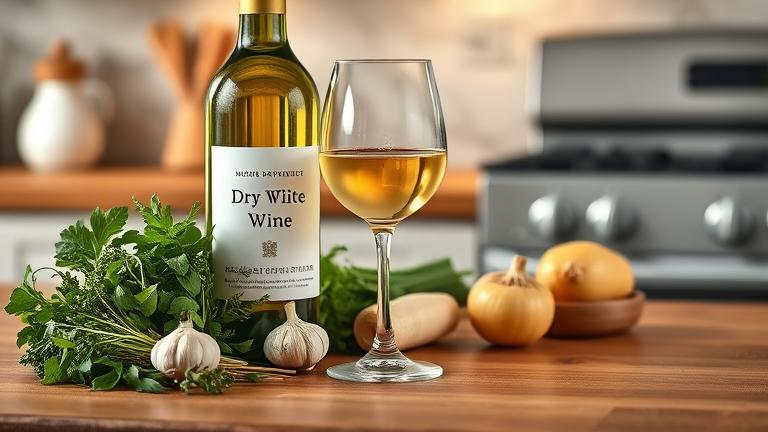
Popular Dry Wines for Cooking
When it comes to cooking, dry wines are a fantastic way to add depth and flavor to your dishes. They are less sweet and have a more robust taste, making them perfect for sauces, seafood, and even braises. Knowing which dry wines to use can make a real difference in your cooking results. Here, we’ll explore some of the most popular choices, their flavor profiles, and the best dishes for each.
1. Dry White Wines
Dry white wines are often the go-to for light, delicate dishes. They are typically crisp and refreshing, with flavors of citrus, green apple, and sometimes herbs. Common varieties include Sauvignon Blanc, Pinot Grigio, and Chardonnay. These wines are excellent in recipes like seafood pasta, chicken in white wine sauce, and risottos.
- Sauvignon Blanc: Bright and tangy with notes of grapefruit and grass. Great for seafood and light poultry.
- Pinot Grigio: Light and clean with apple and lemon flavors. Ideal for lighter sauces and vegetable dishes.
- Chardonnay: Depending on the style, it can be crisp or slightly buttery. Use in creamy sauces or chicken dishes.
2. Dry Red Wines
Dry red wines bring a richer, deeper flavor to your cooking. They often have bold tastes of berries, cherries, and spices. Popular options include Cabernet Sauvignon, Merlot, and Pinot Noir. These wines work well with hearty recipes like beef stews, braised meats, and pasta with red sauce.
- Cabernet Sauvignon: Full-bodied with dark fruit and tannins. Good for beef, lamb, and robust stews.
- Merlot: Smooth and medium-bodied, with plum and berry flavors. Perfect for softer meat dishes and sauces.
- Pinot Noir: Light and elegant, with red fruit notes. Excellent in dishes that need a less intense wine.
3. Tips for Choosing the Right Dry Wine
- Choose the same wine you would drink: The flavor will enhance your dish and make it taste better.
- Avoid ‘cooking wines’: They are often salty and lack flavor. Use actual wines for better results.
- Look for ‘dry’ on the label: Sometimes wines are labeled simply as ‘dry’ to confirm they are not sweet.
- Consider the dish: Light wines for seafood and chicken, bold wines for red meats and stews.
4. Storage and Tips
Stored properly, wine can last a while after opening, but it’s best consumed within a few days. Keep it in a cool, dark place, and tightly seal the bottle to prevent spoilage. If you often cook with wine, consider buying smaller bottles or wine preservatives to keep your wine fresh.
Remember, the best way to learn which dry wine works best in your recipes is to experiment. Don’t be afraid to try different types and see how they transform your dishes. With a little practice, you’ll find the perfect matches for all your favorite recipes.
Tips for Choosing Cooking Wine
Selecting the right dry wine for cooking can really enhance your dishes and bring out their flavors. Whether you’re making a sauce, marinade, or stew, the type and quality of wine you choose matter. The good news is, you don’t need to be a wine expert to pick a good cooking wine. With a few simple tips, you can easily find a bottle that works well and fits your budget.
First, consider the type of dish you’re preparing. Dry white wines like Sauvignon Blanc, Pinot Grigio, or Chardonnay are versatile choices for light dishes, seafood, chicken, and creamy sauces. For richer or heartier recipes, a dry red wine such as Merlot, Cabernet Sauvignon, or Pinot Noir can add depth and complexity. Think about the flavor you want to achieve — lighter, more acidic wines brighten up seafood and vegetables, while fuller-bodied reds add warmth and richness to meat dishes.
Next, pay attention to the quality of the wine. Cooking with a wine you enjoy drinking is always a good rule. Expensive wines can be beautiful to sip, but they’re not necessary for cooking. Instead, choose a bottle labeled as “dry” and known for good flavor. Avoid “cooking wines” sold in the condiment aisle, as they often contain added salt and preservatives that can alter your dish’s taste.
If you’re unsure, pick a dry wine that’s reasonably priced but still flavorful. Generally, a bottle costing around $5 to $12 works well for most recipes. Remember, you only need a small amount for cooking, so it’s worth getting a bottle you’re comfortable tasting. This way, the wine’s flavor will enrich your dish without overpowering it.
Practical Tips for Selecting Cooking Wine
- Read the label: Look for wines labeled as “dry” and avoid sweet or overly oaky wines unless your recipe calls for it.
- Try tasting the wine: If possible, taste a sip before using it. It should taste clean and balanced, not overly bitter or sour.
- Match wine to dish: Use white wine for fish and chicken, reds for beef and hearty stews. Rose or sparkling wines can add a special touch to certain recipes.
- Choose bottle size wisely: A standard 750ml bottle is common, but for quick recipes, a smaller 375ml bottle can be more practical.
How to Store and Use Cooking Wine
Once you’ve selected your cooking wine, store it like regular wine — in a cool, dark place, or in the refrigerator after opening. Use it within a few days to maintain freshness. If you keep it longer, the flavor may deteriorate, affecting your dish. When adding wine to your recipe, pour it in gradually, tasting as you go. This helps you control the flavor and prevents overpowering the dish.
Remember, the goal is to enhance your ingredients and create balanced flavors. Don’t be afraid to experiment with different types and brands until you find your favorites. With these practical tips, choosing the right dry wine for cooking will become an easy and enjoyable part of your culinary routine.
Red vs. White Dry Wines in Cooking
When it comes to cooking with wine, choosing between red and white dry wines can make a big difference in your dish’s flavor. Both types of wine bring unique qualities and work better with certain recipes. Understanding their differences can help you decide which one to use for a richer taste or a lighter touch.
Red dry wines are made from darker grape varieties, like Cabernet Sauvignon, Merlot, or Pinot Noir. They tend to have deeper, bolder flavors with notes of berries, tannins, and sometimes a hint of spice. Because of their strong character, red wines are great for hearty dishes, such as beef stews, braises, and tomato-based sauces. Their robust flavor can stand up to rich ingredients and add complexity to the dish.
White dry wines are typically made from green or yellow grapes, like Chardonnay, Sauvignon Blanc, or Pinot Grigio. They are usually lighter, with crisp acidity and flavors of citrus, green apple, or mineral notes. White wines are a popular choice for lighter recipes, including chicken, seafood, and vegetable dishes. Their fresh flavor enhances the dish without overpowering subtle ingredients.
When to Use Red Wine in Cooking
- Red wine works well in dishes with strong flavors, such as beef or lamb.
- It’s ideal for slow-cooked recipes like braised short ribs or beef stew, where the wine has time to mellow and deepen in flavor.
- Red wine adds richness to tomato sauces, giving them a fuller taste and vibrant color.
- Use it in marinades for red meats to tenderize and infuse flavor.
When to Use White Wine in Cooking
- White wine is perfect for light dishes, including chicken, fish, and shellfish.
- It works well in sauces like aioli, vinaigrettes, or when deglazing a pan after sautéing seafood or chicken.
- White wine adds a subtle acidity, brightening up vegetable sauté or rice dishes.
- You can also use it to poach delicate foods or in risottos for extra depth.
Tips for Choosing the Right Wine
- Pick a wine that you enjoy drinking — it will enhance the flavor of your dish.
- Stay away from “cooking wines” that are sold in bottles labeled for cooking only. They often contain added salt or preservatives.
- For best results, use a dry wine rather than sweet or semi-sweet varieties.
- If you’re unsure which wine to use, start with a moderate, versatile option like a Sauvignon Blanc or a Merlot.
Practical Tips and Common Mistakes
- Always cook with a wine you’d be happy to drink. Cheap, overly salty, or overly sweet wines can spoil your dish.
- Remember that alcohol simmers off during cooking, but a significant amount remains, so consider your audience if cooking for children or those avoiding alcohol.
- Reserve a small glass of wine to taste the flavor after cooking, helping you adjust seasonings if needed.
- Avoid adding wine directly to hot oil; instead, pour it into the pan after sautéing to deglaze and lift flavorful bits from the bottom.
Best Dry Wines for Sauces
When making sauces, choosing the right dry wine can really elevate the flavor and add depth to your dish. Dry wines are less sweet and more focused on acidity and tannins, which help balance rich and savory ingredients. Whether you’re preparing a classic red wine reduction or a white wine sauce for seafood, selecting a good dry wine is key.
It’s often better to use a wine you enjoy drinking. A wine that tastes good on its own will usually produce the best flavor in your sauce. Avoid cooking wines that are sold in bottles specifically for cooking, as they tend to be lower quality and can introduce a bitter or artificial flavor. Instead, opt for a good-quality dry wine within your budget.
Features to Consider When Choosing a Dry Wine for Sauces
- Type of wine: Red wines work well with heartier sauces like beef or mushroom, while white wines suit lighter sauces for chicken, seafood, or vegetables.
- Flavor profile: Look for wines with balanced acidity and subtle fruitiness. Too tannic or overly acidic wines can overpower your sauce.
- Alcohol content: Wines with moderate alcohol levels (around 12-14%) add complexity without too much harshness.
- Age of the wine: Younger wines often have fresher fruit flavors, which work well in sauces. Mature wines might bring more depth but can sometimes be too complex or subtle for cooking.
Recommended Types of Dry Wines for Different Sauces
| Dish Type | Suggested Wine | Flavor Notes |
|---|---|---|
| Red Meat & Rich Sauces | Dry Cabernet Sauvignon or Merlot | Bold, fruity, with good tannic structure |
| Chicken or Turkey | Dry Chardonnay or Pinot Grigio | Light, crisp, with citrus or apple notes |
| Seafood & Light Cream Sauces | Dry Sauvignon Blanc or Vermentino | Fresh, herbal, with bright acidity |
| Mushroom & Vegetarian | Dry Pinot Noir or Sangiovese | Earthy, with soft tannins and berry flavors |
Tips for Cooking with Dry Wine
- Always cook with the wine you plan to serve or enjoy on its own. Save the good bottles for drinking and choose a decent but affordable option for sauce making.
- Pour the wine into your sauce early during cooking. Let it simmer so the alcohol and raw wine taste can cook off, leaving behind only the flavor.
- If your wine is too bitter or bitter-tasting, balancing it with a touch of sweetness like honey or sugar can help.
- Remember that the wine’s flavor will concentrate as the sauce reduces, so avoid overly salty or spicy wines that could intensify undesirable flavors.
Choosing the right dry wine can seem tricky at first, but once you get familiar with the types and flavor profiles, it becomes easier to make great sauces. Keep experimenting with different wines and see how they transform your dishes into something special!
Dry Wines for Marinades
Using dry wines in marinades is a great way to add depth and tenderness to your meats, vegetables, and even seafood. The acidity in dry wines helps break down muscle fibers, making your ingredients more tender. Plus, the rich flavors from the wine can enhance the overall taste of your dish.
When choosing a dry wine for your marinade, you don’t need to splurge on expensive bottles. A good-quality, dry red or white wine you enjoy drinking works perfectly. Popular choices include dry red wines like Cabernet Sauvignon, Merlot, or Pinot Noir. For white wines, opt for dry options such as Sauvignon Blanc, Chardonnay, or Pinot Grigio. These wines are less sweet and add a nice tang without overpowering your ingredients.
Here’s a quick guide to help you select the best wine for your marinade:
- Red wines: Work well with red meats like beef, lamb, and game. They also pair nicely with hearty vegetables like eggplant or mushrooms.
- White wines: Suit lighter proteins such as chicken, pork, or seafood. They also complement delicate vegetables like zucchini or asparagus.
- Opt for wines labeled as dry to avoid adding unwanted sweetness to your marinade.
Mixing Tips for Optimal Results
To create a marinade with dry wine, start with a simple mix of wine, acid, oil, and flavorings. A balanced marinade typically includes:
- Wine: The main flavor component, about half of your marinade volume.
- Acid: Vinegar, lemon juice, or lime juice help tenderize. Use about a quarter of your marinade volume to prevent the meat from becoming mushy.
- Oil: Olive oil or another neutral oil adds moisture and helps carry flavors into the ingredients. Use around 1/4 of your marinade volume.
- Flavorings: Garlic, herbs, spices, or even a splash of soy sauce can enhance the taste.
Mix all ingredients well before adding your chosen protein or vegetables. Make sure everything is evenly coated for maximum flavor absorption. Marinate in the refrigerator for at least 30 minutes to 2 hours, depending on the strength of the marinade and the type of ingredient. For tougher cuts of meat, marinating for longer — up to 24 hours — can really make a difference, but avoid overdoing it as the acid can break down the texture.
Safety Tips
- Always marinate in the refrigerator, not on the counter, to prevent bacteria growth.
- Discard used marinade or bring it to a boil if you plan to use it as a sauce, to eliminate bacteria.
- Use non-reactive containers like glass, stainless steel, or food-grade plastic for marinating.
Adding dry wine to your marinade is a simple way to boost flavor and achieve tender results. With a little practice, you’ll develop a knack for selecting the right wine and mixing a marinade that transforms your dishes into delicious, restaurant-quality meals.
Common Mistakes When Cooking with Wine
Using wine in cooking can elevate a dish, adding depth and flavor, but it’s easy to make some common errors. Being aware of these mistakes can help you improve your cooking and make dishes taste even better.
One frequent mistake is using the wrong type of wine. Not all wines are suitable for cooking. For example, cooking with a sweet wine like Riesling in a savory stew can make the dish overly sweet. Instead, choose dry wines like Cabernet Sauvignon, Merlot, or Pinot Noir for most recipes. If you want a lighter flavor, a dry white wine such as Sauvignon Blanc or Pinot Grigio works well.
Another common error is overusing wine. Sometimes, home cooks add too much, overpowering the other flavors in the dish. Remember, a splash or half a cup often suffices. It’s better to start with less and add more if needed. Adding too much wine can make a dish acidic or unbalanced, so always taste as you go.
Adding wine at the wrong time can also affect the final result. Typically, wine should be added early in the cooking process, allowing the alcohol to cook off and the flavors to meld. If you add wine too late, the alcohol may remain, leaving a harsh bite. Conversely, adding wine at the very beginning without letting it simmer can prevent the alcohol from evaporating properly.
Another mistake is not reducing the wine enough. When wine is used for deglazing or making sauces, it’s important to let it simmer until it reduces by at least half. This concentrates the flavors and removes the raw alcohol taste. Skipping this step can leave your dish tasting sharp or unrefined.
Sometimes, cooks forget that wine is a liquid, and adding too much can alter the consistency of a sauce or stew. Be mindful of the overall liquid balance in your dish. If you add too much wine, you might need to adjust other ingredients or increase cooking time to thicken the sauce.
It’s also important to choose fresh wine that tastes good on its own. Using a cheap, stale bottle can impart off-flavors. Purchase a good quality wine that you enjoy drinking, as this will improve your cooking results.
Finally, don’t forget to season your dish properly. Wine can enhance flavors but isn’t a substitute for salt or herbs. Taste your dish after adding wine and adjust seasonings accordingly to balance the flavors.
To prevent these mistakes, keep these tips in mind:
- Select the right type of wine for your dish.
- Use wine sparingly and taste as you go.
- Add wine early and let it simmer to develop flavors.
- Reduce wine until it’s flavorful and concentrated.
- Choose good-quality, fresh wine for cooking.
- Adjust seasonings after adding wine to balance the dish.
Avoiding these common errors will help you cook with wine confidently and create richer, more balanced dishes every time.
How to Store Cooking Wine
Proper storage of cooking wine is essential to keep its flavor fresh and vibrant for future recipes. Whether you have an open bottle or a new one, knowing how to store it correctly helps preserve its quality and prevents spoilage. Cooking wine is often used to add depth to sauces, stews, and marinades, so you want to make sure it stays flavorful every time you reach for it.
First, always start by checking the label or packaging. Many cooking wines come in bottles similar to drinking wines, but some may be in cartons or jars. No matter the container, the key is to keep it away from light, heat, and air, which can all degrade the wine over time.
Storing Unopened Cooking Wine
If your cooking wine is still sealed and unopened, store it in a cool, dark place like a pantry or cupboard. The ideal temperature is around 50-60°F (10-15°C). Keep it upright to avoid leakage and contact with the cork or cap, which can deteriorate. Stored properly, unopened cooking wine can last for several years without losing flavor, but it’s always a good idea to check the expiration date on the bottle.
Storing Opened Cooking Wine
Once you open a bottle of cooking wine, it is best to use it within a few months for optimal freshness. After opening, exposure to air can cause oxidation, which dulls the flavor over time. To slow this process, seal the bottle tightly after each use. You can also transfer the wine to a smaller container, reducing the amount of air inside.
Refrigeration is highly recommended once opened. Store the bottle upright in the fridge to prevent spoilage and contamination. Many cooks find that refrigerating open cooking wine helps maintain its aroma and flavor for up to 3 to 6 months. If you notice any change in color, smell, or taste, it’s best to discard the wine to avoid negative impacts on your dishes.
Additional Tips for Storage
- Keep cooking wine away from direct sunlight and heat sources like the stove or oven.
- Check the seal regularly. A loose cap or cork can let in air and cause spoilage.
- Label opened bottles with the date of opening to track freshness.
- For long-term storage, consider freezing small portions of cooking wine in ice cube trays—this can be useful for quick recipes.
Common Mistakes to Avoid
- Storing cooking wine in warm or humid environments.
- Leaving opened cooking wine out at room temperature for extended periods.
- Using expired or spoiled wine in your cooking—this can affect the flavor of your dishes.
By following these simple storage tips, your cooking wine will stay fresh longer and continue to add that perfect flavor to your dishes. A little care in storage means better-tasting meals every time you cook.