
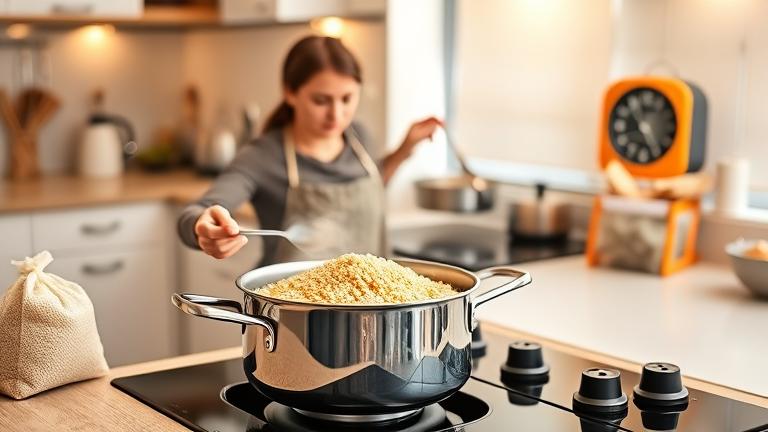
Do You Need to Boil Quinoa?
Many people wonder if boiling is the only way to cook quinoa or if there are other effective methods. Quinoa is a versatile grain that needs to be cooked properly to become fluffy and tender. Generally, boiling is the most common and straightforward way to prepare it, but understanding the process can help you achieve perfect results every time.
To cook quinoa, you typically start by rinsing it well. This step removes its natural coating called saponin, which can cause a bitter taste if not washed away. After rinsing, you add water or broth to a pot. The usual ratio is about 2 cups of liquid for every 1 cup of quinoa. This ensures the grains have enough moisture to become tender without burning or sticking to the pot.
Is Boiling Necessary?
In most cases, yes, boiling is recommended for cooking quinoa. When you boil quinoa, the water is absorbed into the grains, softening them and making the texture light and fluffy. If you skip boiling, the quinoa will remain hard or chewy, which is not ideal for most dishes.
However, there are alternative methods if you want to avoid boiling or need a quicker option. For example, you can soak quinoa in water for a few hours or overnight, then drain it and cook it on a stovetop with less water. This method reduces cooking time and can help preserve more nutrients. Still, it generally involves some form of simmering or steaming afterward.
Basic Boiling Method
- Rinse the quinoa thoroughly under cold water.
- In a pot, combine 1 part quinoa with 2 parts water or broth.
- Bring the mixture to a boil over medium-high heat.
- Once boiling, reduce the heat to low and cover the pot.
- Simmer for about 15 minutes, or until the water is absorbed and the quinoa is tender.
- Remove the pot from heat and let it sit, covered, for 5 minutes.
- Fluff with a fork before serving.
It’s important not to overcook quinoa, as it can become mushy. Keep an eye on the cooking time and taste-test a few grains to check for doneness. If you notice the grains are still crunchy and there’s liquid left, give it a few more minutes.
Tips for Perfect Quinoa
- Always rinse quinoa to remove bitterness.
- Use a 2:1 liquid-to-quinoa ratio for fluffy results.
- Don’t lift the lid during cooking to prevent steam from escaping.
- Let cooked quinoa rest for a few minutes, covered, before fluffing.
While boiling is the standard method, experimenting with soaking or using a rice cooker can add variety to how you prepare quinoa. Just remember, the goal is to soften the grains without overdoing it, so they remain light and fluffy for your favorite recipes.
How to Prepare Quinoa Correctly
Cooking quinoa properly ensures it turns out fluffy, tender, and full of flavor. Quinoa is a versatile grain that works well in salads, bowls, or as a side dish. Follow these simple steps to get perfectly prepared quinoa every time.
First, rinse the quinoa thoroughly. This step removes the natural coating called saponin, which can make the grain taste bitter or soapy. Place the quinoa in a fine-mesh sieve and rinse under cold running water for about 1-2 minutes, gently rubbing the grains with your fingers. Drain well before cooking.
Next, measure the right amount of water or broth. A standard ratio is 1 part quinoa to 2 parts liquid. For example, for one cup of quinoa, use two cups of water or broth. Using broth can add extra flavor to your quinoa, making it tastier.
Bring the liquid to a boil in a medium-sized pot. Once boiling, add the rinsed quinoa. To prevent sticking, give it a quick stir to evenly distribute the grains. Reduce the heat to low immediately, cover the pot with a tight-fitting lid, and let it simmer gently. This slow cooking helps the quinoa absorb the liquid evenly.
Let the quinoa cook undisturbed for about 15 minutes. During this time, you’ll notice the water is absorbed, and the grains will look puffed up and slightly translucent. Avoid removing the lid during cooking, as this can disrupt the process.
When the cooking time is up, turn off the heat and let the quinoa sit, covered, for another 5 minutes. This resting period helps the grains become fluffy by allowing steam to finish cooking the interior evenly.
After resting, remove the lid and fluff the quinoa with a fork. Use gentle, light movements to separate the grains without crushing them. This step makes your quinoa light and fluffy, ready to serve or incorporate into recipes.
For added flavor, consider toasting the quinoa in a dry skillet for a few minutes before rinsing, which enhances its nutty taste. Also, seasoning your cooking water with a pinch of salt or herbs can boost the flavor of your finished dish.
Be careful not to overcook the quinoa, as it can become mushy. It should be tender yet still retain a slight bite, similar to rice. Overcooking can ruin the texture, so keep an eye on the time and check your quinoa’s doneness.
If you want to store cooked quinoa, let it cool completely and keep it in an airtight container in the refrigerator for up to 5 days. Reheat gently with a splash of water or broth to restore its fluffiness.
- Tip: Use a pot with a tight-fitting lid to prevent steam from escaping during cooking.
- Tip: Avoid stirring the quinoa during the simmering process to prevent it from becoming mushy.
- Tip: For a quick rinse, you can use a fine-mesh strainer and run cold water over the grains.
Tips for Fluffy and Tasty Quinoa
Quinoa is a versatile and nutritious grain that can be a delicious base for many meals. If you want your quinoa to turn out fluffy and full of flavor every time, a few simple tips can make a big difference. Whether you’re a beginner or looking to improve your technique, these practical ideas will help you cook perfect quinoa with ease.
First, rinsing quinoa before cooking is an essential step. Quinoa naturally has a coating called saponin, which can taste bitter or soapy. To rinse it, put the quinoa in a fine-mesh strainer and rinse under cold running water for about 30 seconds to a minute. Swirl it around with your hand to wash away the saponins. This step ensures your quinoa tastes clean and fresh, not bitter.
Next, always use the right water-to-quinoa ratio. A common ratio is 2 parts water to 1 part quinoa. This helps the grains cook evenly and become fluffy without clumping. If you prefer a softer texture, you can use a little more water, but be careful not to add too much, or the grains may turn mushy.
Bringing the water to a boil before adding quinoa is key. Once the water is boiling, add the rinsed quinoa and reduce the heat to low. Cover the pot tightly with a lid. Cooking on low heat traps steam and helps the quinoa cook evenly.
Allow the quinoa to simmer gently for about 15 minutes. Avoid lifting the lid during cooking, as this can let steam escape, affecting the texture. After 15 minutes, turn off the heat and let the quinoa sit, covered, for another 5 minutes. This resting period allows the grains to finish cooking and become fluffy.
Fluff the quinoa with a fork after cooking. This helps separate the grains and prevent them from sticking together. Use a gentle, lifting motion to keep the fluffiness intact.
- For extra flavor, cook the quinoa in broth instead of water. Chicken, vegetable, or beef broth can add depth to your dish.
- To add some zest, mix in fresh herbs, lemon zest, or a splash of olive oil after cooking. These touches enhance the taste and make your quinoa more appealing.
- Avoid overcooking. If quinoa looks translucent and you see a white germ tail separating, it’s done. Overcooking can make it mushy, so keep an eye on the time.
Store leftover cooked quinoa in an airtight container in the fridge for up to 4-5 days. Reheat gently, adding a splash of water or broth if it feels dry. Fluffy, tasty quinoa is perfect as a side dish, salad base, or even breakfast with some fruit and nuts.
Common Mistakes to Avoid
Cooking quinoa might seem simple at first, but there are common mistakes that can affect the taste and texture. Knowing what to watch out for can help you achieve perfectly fluffy and flavorful quinoa every time. Whether you’re a beginner or experienced, these tips will ensure your quinoa turns out just right.
The first mistake many people make is rinsing the quinoa improperly. Quinoa has a natural coating called saponin, which can cause a bitter or soapy taste if not washed away. Always rinse quinoa thoroughly under cold running water before cooking. Use a fine mesh strainer and gently swirl the grains with your hand. Rinsing removes the saponins and results in a cleaner, more neutral flavor.
Next, pay attention to the water-to-quinoa ratio. A common error is using too much or too little water. The ideal ratio is usually 2 parts water to 1 part quinoa. Too much water can make your quinoa mushy, while too little might leave it undercooked and crunchy. Use a measuring cup for accuracy and follow your recipe’s recommended ratio.
Overcooking or undercooking are frequent pitfalls. Quinoa cooks quickly—typically about 15 minutes after bringing it to a boil. Overcooking can make it mushy, while undercooking leaves it hard and not fully expanded. To avoid this, check for doneness by tasting a few grains and look for the water to be fully absorbed. If needed, simmer a couple more minutes, but keep an eye on it.
Another mistake involves not letting the quinoa rest after cooking. Once the water is absorbed, it’s helpful to turn off the heat and let it sit covered for 5 minutes. This allows the grains to firm up and evaporate excess moisture. Fluff with a fork after resting to keep the grains separate and fluffy.
Using too high heat during cooking can also cause problems. Start with a vigorous boil to kickstart the process, then reduce the heat to low. Cooking on high heat can cause water to evaporate too quickly, resulting in uneven cooking and possibly burnt quinoa at the bottom. Gentle simmering ensures even heat distribution.
Another common mistake is ignoring seasonings and cooking in plain water. Quinoa absorbs flavors easily, so consider cooking it in broth or adding spices to the cooking water. This enhances the taste and makes the dish more interesting, especially when used as a base for salads, bowls, or side dishes.
- Always rinse quinoa well before cooking.
- Use the correct water-to-quinoa ratio, usually 2:1.
- Cook until water is fully absorbed and quinoa is tender.
- Let quinoa rest for 5 minutes before fluffing with a fork.
- Cook on low heat after boiling to prevent burning.
- Consider adding broth or spices for extra flavor.
By avoiding these common mistakes, you’ll enjoy fluffy, tasty quinoa every time. Remember, a little attention to detail can make a big difference in your results. Happy cooking!
Health Benefits of Quinoa
Quinoa has become a popular superfood because of its impressive nutritional profile and health benefits. You might have heard it called a complete protein, which means it provides all nine essential amino acids your body needs but can’t produce on its own. Incorporating quinoa into your diet can be a great way to boost your overall health and wellbeing.
One of the main advantages of quinoa is its high fiber content. Dietary fiber is important for digestion, helps maintain healthy blood sugar levels, and keeps you feeling full longer. This can support weight management and prevent issues like constipation. For example, replacing rice or other grains with quinoa can naturally increase your fiber intake.
Quinoa is also rich in essential nutrients such as magnesium, iron, B vitamins, and zinc. Magnesium supports many biochemical reactions in your body, including energy production and muscle function. Iron is vital for transporting oxygen in your blood, and B vitamins help with energy metabolism and brain health. These nutrients contribute to maintaining vitality and preventing deficiencies.
Moreover, quinoa contains antioxidants—compounds that help fight free radicals. These harmful molecules can cause cell damage and are linked to aging and chronic diseases. Eating foods rich in antioxidants, like quinoa, can support your immune system and reduce inflammation.
Including quinoa in your diet may also help manage blood sugar levels. Its low glycemic index causes less spike in blood sugar after eating compared to refined grains. This makes it a suitable choice for people with diabetes or those aiming for steady energy levels throughout the day.
Another benefit is its versatility and ease of preparation. Quinoa is naturally gluten-free, making it suitable for those with gluten sensitivities or celiac disease. It can be used as a base for salads, bowls, or side dishes, and it absorbs flavors well, making it an adaptable ingredient in many recipes.
- Start by rinsing quinoa thoroughly before cooking to remove its natural coating called saponin, which can taste bitter.
- Cook it in a 2:1 water-to-quinoa ratio, bringing it to a boil, then reduce heat and simmer until fluffy (about 15 minutes).
- Fluff with a fork and serve or store in an airtight container for later use.
Be mindful not to overcook quinoa, as it can become mushy. Also, while quinoa is generally safe, some people may experience digestive discomfort if they consume large quantities due to its fiber content. As with any food, moderation is key.
Adding quinoa to your meals can be a simple step toward healthier eating. Its rich nutritional content and easy versatility make it a smart choice for supporting your overall health and maintaining a balanced diet. Whether you’re looking to improve digestion, boost energy, or support your immune system, quinoa offers a tasty and nutritious option.
Different Ways to Use Quinoa
Quinoa is a versatile grain that can be incorporated into many dishes. Once cooked, it can be the main feature of your meal or an added ingredient in other recipes. Its nutty flavor and fluffy texture make it suitable for breakfast, lunch, dinner, and even snacks.
1. Quinoa as a Breakfast Cereal
Start your day with cooked quinoa used as a hot or cold breakfast option. Simply heat the cooked quinoa with a splash of milk or non-dairy alternative. Top with fresh fruit, nuts, a drizzle of honey, or a sprinkle of cinnamon for added flavor. For an even more indulgent breakfast, mix in a dollop of yogurt or nut butter. Quinoa provides a hearty, protein-packed start, especially if you want something more filling than traditional cereal.
2. Salads with Quinoa
Quinoa makes an excellent addition to salads because it holds its shape well and absorbs flavors beautifully. Mix cooked, cooled quinoa with chopped vegetables like cucumber, bell peppers, cherry tomatoes, and red onion. Add proteins such as chickpeas, grilled chicken, or crumbled feta cheese for extra richness. Dress the salad with a simple vinaigrette made of olive oil, lemon juice, salt, and pepper. It creates a light, nutritious meal that can be prepared ahead of time.
3. Quinoa Bowls and Wraps
Assemble healthy meal bowls by combining cooked quinoa with your preferred ingredients. Include roasted vegetables, avocado slices, grilled meats, or beans. Top with a flavorful sauce or dressing for a balanced meal. Quinoa also works well in wraps; spread it inside a whole wheat tortilla with fresh vegetables and proteins, then roll it up for an easy, portable lunch.
4. Using Quinoa in Soups and Stews
Add cooked quinoa to soups and stews to boost nutritional value and add a slightly chewy texture. Toss a handful into your vegetable, chicken, or beef broth simmering on the stove. It thickens the soup slightly and makes it more filling. Quinoa is particularly good in hearty chili, minestrone, or lentil soups, making each spoonful more satisfying.
5. Quinoa as a Side Dish
Serve cooked quinoa as a simple side dish, just like rice or couscous. Fluff it with a fork and season with herbs, garlic, lemon zest, or a bit of butter. It complements grilled vegetables, seafood, or roasted meats well. To add more flavor, mix in toasted nuts or dried fruits for a sweet and savory twist.
6. Quinoa in Baking
Yes, quinoa can be incorporated into baked goods too. Use cooked, cooled quinoa in muffins, veggie burgers, or bread dough. It adds moisture, texture, and extra nutrition. For example, blend cooked quinoa into healthy muffin batter or use it as a binder in veggie burger recipes. Keep in mind that it may slightly alter the texture, so testing small batches first is advisable.
- Tip: Always rinse quinoa before cooking to remove any bitter-tasting saponins.
- Tip: Cook quinoa in broth instead of water for enhanced flavor.
- Tip: Store cooked quinoa in an airtight container in the fridge for up to 5 days.
FAQs About Quinoa Cooking and Nutrition
If you’re new to quinoa or want to maximize its health benefits, you likely have some questions. Here are common queries about quinoa cooking techniques and its nutritional profile to help you get started confidently.
How do I cook quinoa properly?
The best way to cook quinoa is to rinse it first. Rinsing removes a natural coating called saponin, which can make quinoa taste bitter. Use a fine-mesh strainer and run cold water over the seeds for about 30 seconds.
After rinsing, add one part quinoa to two parts water or broth in a pot. Bring it to a boil over medium-high heat. Once boiling, reduce the heat to low, cover, and simmer for about 15 minutes. When finished, the quinoa should be fluffy and all the liquid absorbed. Turn off the heat and let it sit, covered, for five minutes before fluffing with a fork.
Can I cook quinoa in a rice cooker?
Absolutely. Use the same ratio: one cup of rinsed quinoa to two cups of water. Place them in the rice cooker and set to cook. It generally takes about 15 to 20 minutes. Check that the water is absorbed and the grains are tender before serving.
What are the nutritional benefits of quinoa?
Quinoa is often called a superfood because of its impressive nutritional profile. It is a complete protein, containing all nine essential amino acids your body cannot produce on its own. This makes it excellent for vegetarians and vegans.
It is high in fiber, supporting digestive health and helping you feel full longer. Quinoa also provides essential minerals such as magnesium, iron, potassium, and phosphorus. Its antioxidants help combat inflammation and oxidative stress, contributing to overall health.
Is quinoa gluten-free?
Yes, quinoa is naturally gluten-free. It’s a safe grain option for those with gluten sensitivities or celiac disease. Just ensure the product is certified gluten-free to avoid cross-contamination during processing.
How should I store cooked and uncooked quinoa?
Uncooked quinoa should be stored in an airtight container in a cool, dry place. It remains fresh for about 4 to 6 months. Cooked quinoa should be kept in a sealed container in the refrigerator for up to 5 days. For longer storage, freeze cooked quinoa for up to 3 months.
Are there common mistakes to avoid when cooking quinoa?
- Skipping the rinse — it can leave a bitter taste. Always rinse thoroughly.
- Using too much water — this can make quinoa mushy. Stick to the right ratio for fluffy results.
- Cooking at too high heat — boiling too fast can cause uneven cooking. Keep simmering gently.
- Not allowing it to rest — after cooking, let it sit covered to finish steaming and prevent a dry or sticky texture.
Can I add flavors to cooked quinoa?
Absolutely! Improve the taste by cooking it in broth instead of water. Stir in herbs, spices, lemon juice, or garlic after cooking. For extra texture, add chopped vegetables or nuts. Quinoa is very adaptable and pairs well with many ingredients.