
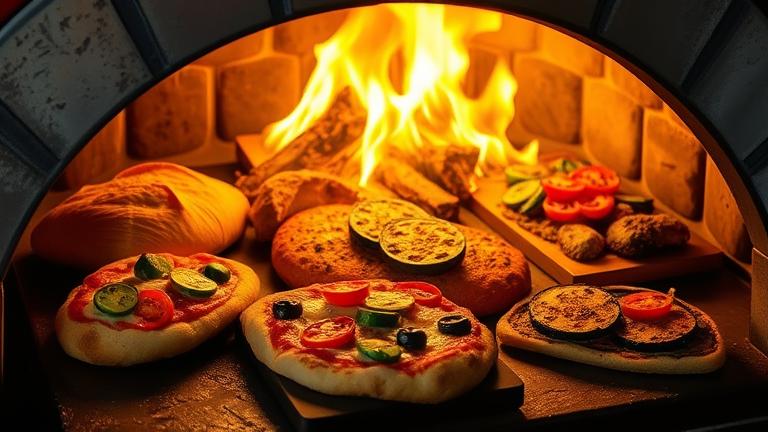
Popular Dishes in a Wood-Fired Oven
A wood-fired oven is a versatile tool that can create delicious, smoky flavors in a variety of dishes. From crispy pizzas to roasted vegetables, the high heat and unique environment of a wood-burning oven bring out flavors that are hard to replicate with conventional cooking methods. Whether you’re a beginner or an experienced cook, exploring these popular dishes can add excitement to your culinary repertoire.
Classic Pizza
One of the most iconic dishes cooked in a wood-fired oven is pizza. The intense heat, often over 800°F, cooks the pizza quickly, usually in just 90 seconds to three minutes. This rapid cooking creates a beautifully blistered crust with a smoky undertone that enhances the toppings. To prepare a great wood-fired pizza, use a high-quality dough that’s been allowed to rise well. Stretch it out thinly, add your favorite sauce, cheese, and toppings, then slide it into the oven on a pizza peel. Keep an eye on it as it cooks rapidly, turning it halfway for even charring and perfect crispness.
Roasted Vegetables
Roasting vegetables in a wood-fired oven intensifies their natural sweetness and flavor. Root vegetables like carrots, potatoes, and beets develop a tender interior with a slightly smoky and caramelized exterior. To cook vegetables in the oven, toss them with olive oil, salt, and herbs. Spread them out on a baking sheet or directly on the oven floor for a rustic touch. Roast until they are golden and soft, which typically takes about 20–30 minutes depending on size and type.
Artisanal Bread
Bread baking is another favorite in a wood-fired oven. The high temperature produces a thick, crispy crust and a soft, airy crumb inside. Use a simple dough with flour, water, salt, and yeast, and give it plenty of time to ferment. Shape it into a round or oval loaf, then place it in the oven on a preheated surface or a baking stone. Bake until the crust turns a deep golden color. The smoky environment adds a subtle depth of flavor that makes homemade bread truly special.
Meat Roasts and Kebabs
Meat cooks beautifully in a wood-fired oven thanks to the even heat and smoky aroma flavor. Large roasts or kebabs absorb the wood smoke, resulting in juicy, tender meat with a rich, smoky taste. Marinate meat beforehand for extra flavor, then cook it over direct heat for a few minutes per side or until desired doneness. The high heat helps easily create a caramelized exterior while keeping the inside moist.
Contemporary and Creative Dishes
Beyond traditional recipes, many modern cooks experiment with wood-fired ovens. Grilled seafood like shrimp or fish benefits from quick searing, while fruits such as peaches or figs become sweeter and more aromatic when roasted. Flatbreads, calzones, and even desserts like baked apples or fruit crumbles are gaining popularity. The key is to embrace the high heat, which can cook dishes fast while adding a smoky layer of flavor.
- Tip: Use a timer and always monitor your food carefully, as cooking times can be much shorter than in conventional ovens.
- Tip: Keep a fire extinguisher nearby for safety, especially when working with open flames and high temperatures.
- Tip: Experiment with different woods like oak, cherry, or hickory to add unique flavors to your dishes.
Perfect Comfort Foods for Wood-Fired Cooking
Nothing beats the warm, hearty flavors that come from cooking in a wood-fired oven. These ovens create a unique environment that enhances the taste and texture of your favorite comfort foods. Whether you’re craving a cheesy pizza, roasted vegetables, or tender meat, wood-firing adds a smoky richness that makes every bite special.
One of the best aspects of wood-fired cooking is its versatility. It can turn simple ingredients into deeply flavorful dishes. Plus, the high, steady heat allows food to cook quickly while maintaining moisture and tenderness. Now, let’s explore some comforting recipes perfect for this rustic method.
Classic Wood-Fired Pizza
A warm, cheesy pizza straight from the wood-fired oven is a cozy classic. The intense heat creates a beautifully blistered crust and melts toppings perfectly. Use a simple dough recipe, let it rise until fluffy, and stretch it out to your preferred thickness. Top with fresh tomato sauce, mozzarella, and your favorite toppings like mushrooms, peppers, or pepperoni.
Place the pizza directly on the oven’s hot surface or on a preheated pizza stone. Keep an eye on it because in just a few minutes, the crust will turn golden and bubbly. Tip: Rotate the pizza during baking to ensure an even cook and perfect charred spots.
Roasted Root Vegetables
Wood-fired ovens excel at transforming hearty root vegetables into sweet, caramelized sides. Carrots, parsnips, sweet potatoes, and beets develop a smoky depth that enhances their natural sweetness. Cut the vegetables into uniform pieces, toss with olive oil, salt, pepper, and herbs like rosemary or thyme.
Spread them on a baking sheet or directly on the oven floor if it’s large enough. Roast them for about 30–40 minutes, turning halfway through, until tender and slightly charred. These vegetables make a comforting side dish for any main, perfect for chilly evenings.
Slow-Roasted Meats
A wood-fired oven is great for slow-roasting meats like chicken, beef, or pork. The slow, even heat ensures juicy, tender meat with crispy edges. Before roasting, season your meat well with herbs, garlic, and spices. Place it in a cast iron skillet or on a roasting rack inside the oven.
Cooking times vary depending on the cut, but generally, a few hours at a moderate temperature (around 350°F or 180°C) will yield delicious results. The smoky flavor from the wood adds complexity, making these dishes perfect for family dinners or special gatherings.
Hearty Minestrone or Stews
Soup lovers will appreciate simmering a thick, comforting minestrone or beef stew inside a wood-fired oven. These dishes benefit from the gentle, steady heat, allowing flavors to blend and deepen. Use seasonal vegetables, beans, and pasta or rice for a filling meal.
Combine ingredients in a large pot, bring to a boil, then transfer it into the oven for slow simmering. Check occasionally and stir to prevent sticking. The gentle heat helps develop a rich broth and tender vegetables. Serve with crusty bread for an easy, satisfying meal.
Tips for Perfect Wood-Fired Comfort Foods
- Preheat the oven thoroughly for even cooking.
- Use a thermometer to monitor temperature, aiming for comfort-food texture.
- Experiment with smoking woods like oak, hickory, or apple for added flavor.
- Keep a close eye on your dishes, as high heat can cook food faster than expected.
- Invest in a good pizza stone or cast iron pan for better heat conduction.
With a little practice, your wood-fired oven will become your favorite tool for making hearty, soul-warming meals. Embrace the smoky flavors and enjoy every cozy bite.
Breads and Pizzas from a Wood Oven
Baking bread and pizza in a wood-fired oven is a wonderful way to bring authentic flavors and textures to your home cooking. The high heat, usually between 700°F and 900°F, creates a crispy crust and a soft, airy interior that’s hard to replicate with standard ovens. Getting started might seem daunting, but with a bit of practice, you’ll be surprised how easy and rewarding it is.
First, choosing the right dough is key. For pizza, use a simple recipe with bread flour, water, salt, and a small amount of yeast. Let the dough rise slowly, ideally overnight, to develop flavor and elasticity. For bread, focus on a good sourdough starter or a yeast-based dough, allowing enough time for fermentation. This step adds depth to your baked goods and improves the crust’s texture.
Before baking, thoroughly preheat your wood oven. It needs to reach the desired temperature before you put in your dough or pizza. Usually, this means building a fire early enough so the heat permeates every part of your oven, including the cooking surface. Use natural wood like oak or hickory for a clean, smoky flavor, but avoid softwoods like pine that produce unwanted resin and soot.
When ready to bake, shape your dough carefully. For pizza, stretch the dough by hand, aiming for a thin center with a slightly thicker edge for the crust. For bread, shape it into a round or loaf shape, and score the top if desired, to control expansion. Dust your peel or baking surface with flour or cornmeal to prevent sticking.
Cooking in a wood oven requires attention. Use a stable, wide flame to maintain even heat, and keep an eye on the oven’s temperature. Rotate your pizza or bread as it bakes to ensure even cooking. The crust should turn golden and slightly blistered. For pizza, bake for about 2-5 minutes; for bread, it may take 15-20 minutes depending on size and dough type.
Toppings on pizza should be added thoughtfully. Avoid overloading, as too many toppings can make the crust soggy. A light layer of sauce, cheese, and fresh herbs is perfect. For bread, toppings aren’t needed, but adding herbs or seeds on the crust before baking adds flavor.
- Keep your oven’s floor clean and well-heated for the best crust.
- Use a pizza peel or a flat, sturdy surface to slide your pizza in and out easily.
- Let your baked goods cool slightly before slicing to keep the crust intact.
- Experiment with different woods and fire-building techniques to find your preferred smoky flavor.
With practice, you’ll craft breads and pizzas with crusts that are crispy on the outside and tender inside, just like those from a traditional wood-fired oven. Enjoy the process, and don’t be afraid to try new toppings and dough styles to perfect your craft.
Vegetables and Sides in a Wood-Fired Oven
Cooking vegetables and side dishes in a wood-fired oven is a fantastic way to bring out their natural flavors. The smoky notes from the fire add depth and richness, making even simple vegetables taste extraordinary. Whether you’re roasting root vegetables or preparing crispy side dishes, the wood-fired oven offers a unique and delicious twist.
Before you start, make sure your oven is properly heated. Ideally, aim for a temperature between 400°F and 500°F (200°C to 260°C). This high heat allows the vegetables to caramelize and develop a smoky char without becoming burned. Keep an eye on the food as it cooks because the intense heat can cause rapid browning.
Preparing Vegetables for the Oven
Start by choosing fresh, firm vegetables such as bell peppers, zucchini, eggplant, carrots, sweet potatoes, or broccoli. Wash and cut them into uniform pieces so they cook evenly. You can prepare vegetables in various ways:
- Roasting: Toss vegetables with olive oil, salt, pepper, and your favorite herbs or spices. Spread them in a single layer on a baking sheet or in a cast iron skillet.
- Wrapping: For a smoky aroma, wrap vegetables like corn or whole peppers in foil before placing them in the oven. This traps moisture and infuses flavor.
Cooking Techniques and Tips
Place the prepared vegetables directly on a hot pizza stone, or use a grill pan or cast iron skillet. To achieve that perfect smoky flavor, leave some open space in the oven to allow smoke to circulate around the vegetables. Turn them occasionally to promote even charring and prevent burning.
For smaller vegetables like cherry tomatoes or sliced zucchini, cook times are usually around 10 to 15 minutes. Root vegetables such as carrots or sweet potatoes might take 20 to 30 minutes, depending on size. Keep a close eye to avoid overcooking or scorching.
Enhancing Flavor and Presentation
Once cooked, sprinkle your vegetables with fresh herbs like parsley, thyme, or basil. A squeeze of lemon juice can brighten their flavor. For a richer taste, drizzle with balsamic glaze or sprinkle with grated cheese such as Parmesan. The smoky aroma combined with these bright, fresh touches makes the dish even more appetizing.
Serve your vegetables hot out of the oven alongside grilled meats, pasta, or as part of a Mediterranean platter. They also make a colorful, flavorful addition to salads or grain bowls.
Common Mistakes to Avoid
- Overcrowding the oven, which prevents good air circulation and smoky flavor development.
- Using vegetables that are too wet or not enough oil, leading to steaming rather than roasting.
- Ignoring turnings during cooking, which can result in uneven charring.
With some practice, you’ll master the art of roasting vegetables in your wood-fired oven. The result is a vibrant, smoky side dish that elevates any meal with minimal effort and maximum flavor.
Meats and Seafood in a Wood Oven
Cooking meats and seafood in a wood-fired oven is a wonderful way to add deep smoky flavors and achieve tender, juicy results. The high heat and smoky aroma can transform simple ingredients into unforgettable dishes. Whether you’re roasting a steak or grilling seafood, using your wood oven properly makes all the difference.
Before you start, choose the right cuts. For meats like beef, pork, and chicken, thicker cuts such as steaks, roasts, or whole chickens work best because they can withstand the high heat and cook evenly. For seafood, options like fish fillets, shrimp, and scallops are perfect due to their quick cooking times and delicate flavors. Using the proper cuts and knowing how long to cook them will help you get the best results every time.
Preparing Your Meats and Seafood
- Pat meats and seafood dry with paper towels to ensure good searing and smoky flavor absorption.
- Season well with salt, pepper, herbs, or marinades before cooking. A simple olive oil, garlic, and herb rub works great for meats.
- Let meats sit at room temperature for about 30 minutes before cooking. This helps them cook evenly.
Managing the Wood Oven Heat
The key to good results is managing the oven temperature. For meats and seafood, aim for a cooking temperature between 400°F and 500°F. You’ll want a hot enough oven to sear the outside quickly while keeping the interior moist and tender.
Build a medium to large fire well in advance so the coals burn down and the temperature stabilizes. Use a thermometer to check the oven’s internal temperature for precise cooking.
Recommended Cooking Methods and Times
| Meat or Seafood | Cut/Preparation | Common Method | Estimated Cooking Time |
|---|---|---|---|
| Steak (Ribeye, Sirloin) | Bring to room temp, season | Sear and roast | 10-15 minutes (depending on thickness) |
| Pork Tenderloin | Marinate or dry rub | Roast | 20-25 minutes |
| Whole Chicken | Stuff with herbs, dry rub | Rotisserie or spit roast | 60-75 minutes |
| Fish Fillets (Salmon, Sea Bass) | Skin dry, seasoned | Grill or bake | 5-8 minutes |
| Shrimp or Scallops | Shells cleaned, seasoned | Sauté or grill | 3-5 minutes |
Remember, seafood cooks quickly—watch for a color change and a firm texture. Overcooking makes seafood rubbery, so check often near the end of cooking time.
Tips for Perfect Results
- Use a meat thermometer to ensure meats are cooked to the right temperature for safety and optimal texture.
- Allow meats to rest after cooking—about 10 minutes for larger cuts—to let juices settle.
- Keep the oven door slightly open for better heat circulation if needed.
- For added smoky flavor, add some wood chunks or chips just before cooking.
Safety and Maintenance
Always handle raw meats and seafood carefully to avoid cross-contamination. Use separate plates and utensils. After cooking, clean the oven surface and tools thoroughly. Properly store leftovers in airtight containers in the refrigerator, and consume within a couple of days for freshness and safety.
Delicious Desserts in a Wood-Fired Oven
Using a wood-fired oven to make desserts adds a wonderful smoky flavor that elevates your sweet creations. From fruity tarts to gooey cakes, there are many treats you can bake that turn out both delicious and visually stunning. The high, even heat of a wood-fired oven creates a golden crust and a tender inside, making your desserts extra special.
Before you start baking, make sure your oven is preheated properly. This can take about 45 minutes to an hour, depending on the size and how much fuel you use. A good rule of thumb is to aim for a temperature around 350°F to 400°F (175°C to 200°C). When ready, the heat should be evenly distributed, with just a faint smoky aroma in the air.
Popular Wood-Fired Desserts
- Stone Fruit Tarts: Peaches, nectarines, or plums baked in a flaky crust, infused with a gentle smoky flavor, are perfect for summer evenings.
- Apple Crumble: Sliced apples with spices baked with a crispy crumble topping, taking on a caramelized, smoky edge.
- Chocolate Fondant: Gooey chocolate cake that remains molten inside, with a hint of wood-fired aroma that adds depth.
- Roasted Pears: Halved pears roasted with honey, nuts, and a sprinkle of cinnamon, served warm with ice cream.
- Galette: Rustic, free-form fruity tart, using berries or seasonal fruits, cooked until bubbly and golden brown.
Tips for Perfect Wood-Fired Desserts
- Use quality ingredients: Fresh fruits and good-quality chocolates make a noticeable difference in flavor.
- Control the heat: Keep an eye on the oven temperature; too hot can burn the dessert’s edges while leaving the center underdone.
- Use suitable baking dishes: Fireproof pans like cast iron or ceramic work well inside a wood-fired oven.
- Rotate your desserts: Turn your treats occasionally to ensure even baking, especially in an open-flame oven with variable heat zones.
Safety and Best Practices
Always make sure to handle hot dishes carefully. Use thick gloves or oven mitts when moving or removing baked goods from the oven. Also, keep a fire extinguisher nearby in case of flare-ups. Remember, the smoky environment is part of the charm, but proper ventilation helps keep your kitchen safe and odor-free.
Experimenting with desserts in a wood-fired oven is a fun way to add a smoky twist to classic treats. Play around with different fruits, spices, and baking times. Before long, your friends and family will be asking for your signature smoky sweets!
Tips for Cooking Success in a Wood-Fired Oven
Cooking in a wood-fired oven can add incredible flavor and character to your dishes, but it also requires some practice and understanding. Whether you are just starting out or have some experience, these tips will help you master the art of wood-fired cooking and achieve delicious results every time.
1. Get to Know Your Oven
Every wood-fired oven is a little different. Take time to understand how your specific oven heats and retains heat. Spend some time observing how the flames and embers behave, and note where the hottest and coolest spots are. This knowledge will help you position your food for even cooking and prevent burning.
2. Maintain Proper Fire Management
A steady, hot fire is key to successful cooking in a wood-fired oven. Start with good-quality hardwood like oak or maple, which burns longer and cleaner. Keep the fire manageable by adding small, dry pieces of wood gradually. Before cooking, build a fire that heats the oven thoroughly, and then push the embers to the side or remove excess flames, creating a stable cooking environment.
3. Preheat Your Oven Well
Allow your oven to reach the right temperature before cooking. This often means preheating for at least 45 minutes to an hour, depending on the size and type of your oven. A properly preheated oven will give you a consistent heat source that helps your dishes cook evenly.
4. Use the Right Tools and Accessories
Equip yourself with a good pizza peel for sliding food in and out of the oven, and a long-handled brush or broom for sweeping ashes. A infrared thermometer is also helpful for checking the oven’s surface temperature. These tools make your work safer and more precise, especially when adjusting fire and positioning food.
5. Practice Safe and Efficient Firewood Use
Always handle firewood with care. Ensure your wood is dry and seasoned, which means it has been stored for at least 6-12 months. Wet wood produces more smoke and less heat, making cooking unpredictable. Maintain a clean space around the oven to prevent accidents and keep flammable materials away.
6. Manage Cooking Times and Temperatures
Because wood-fired ovens can reach very high temperatures quickly, it’s easy to overcook or burn foods. For thin-crust pizzas, a few minutes at high heat is enough. For roasting vegetables or meats, adjust the position of your food away from direct flames if needed. Use the oven’s heat zones thoughtfully to cook different dishes efficiently.
7. Practice Patience and Observation
Cooking in a wood-fired oven is part art, part science. Pay attention to how your food looks and smells. Adjust your technique based on the results. Don’t be discouraged by initial mistakes; each attempt teaches you more about fire management and timing.
8. Keep Your Oven Clean and Well-Maintained
Remove ashes regularly to prevent unnecessary smoke buildup. A clean oven reflects heat better and improves the flavor of your food. Proper maintenance not only ensures safety but also extends the life of your oven.
- Remember to wear heat-resistant gloves during handling and fire management.
- Keep a water spray or fire extinguisher nearby for safety.
- Don’t rush the heating process — patience is key to even cooking.
With these tips, you’ll become more confident in your wood-fired cooking skills. Enjoy the process, and soon you’ll be crafting meals full of flavor that only this traditional method can provide!