
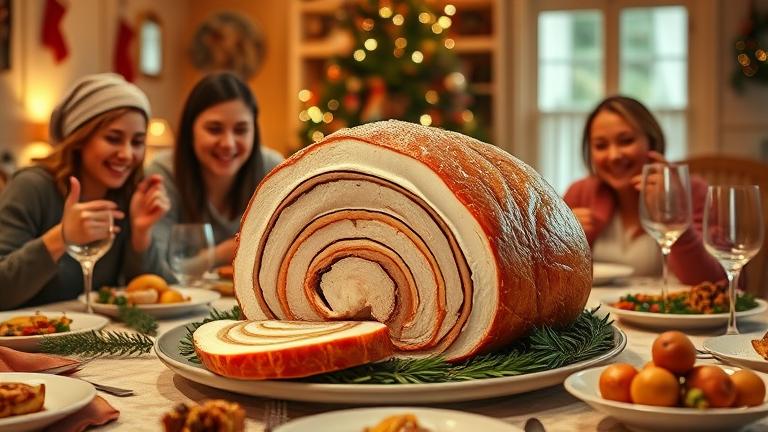
What is a Turducken?
A turducken is a special and quite impressive dish that combines three different types of meat into one. It is made by nesting a smaller bird inside a larger one, with some stuffing in between. The most common version places a chicken inside a duck, and then both are stuffed inside a turkey. This creates a festive and hearty meal that looks as good as it tastes.
Many people love turduckens for their unique appearance and rich flavors. They are popular for holiday gatherings and special celebrations because they offer a variety of meats in a single dish. Making a turducken might seem complicated at first, but with some patience and prep work, it becomes a fun culinary project.
How Is It Made?
Preparing a turducken involves several steps. First, the butcher or home cook carefully debones each bird. This means removing the bones from the chicken and duck to create a flat, hollow cavity. The process takes some skill but can be done with sharp knives and patience.
Next, the chicken is seasoned and sometimes stuffed with breadcrumbs, herbs, or other tasty fillings. Then, it is placed inside the duck, which is also seasoned and filled. Sometimes, additional stuffing or flavor layers are added between the birds to enhance taste and texture.
Finally, the duck and chicken are wrapped inside the turkey. The turkey is larger and serves as the outer shell for the entire assembly. The turkey is also seasoned and sometimes stuffed with stuffing or vegetables. All the layers are held together with kitchen twine and secured so they cook evenly.
Cooking the Turducken
Cooking a turducken requires patience. It is typically roasted in an oven at a low temperature, around 325°F (160°C). Because of its size and density, it can take several hours, often 4 to 6 hours depending on the weight. To ensure it cooks thoroughly, use a meat thermometer. The internal temperature should reach at least 165°F (74°C) at the thickest part.
It’s important to baste the turducken occasionally and cover it with foil if it starts to brown too fast. Resting the meat for about 15 to 20 minutes after it’s done helps keep it juicy and makes carving easier.
Why Choose a Turducken?
A turducken is more than just a meal; it is a culinary adventure. The different layers of meat offer a range of flavors, from the tender turkey to the rich duck and the juicy chicken. The stuffing adds even more flavor, making each bite exciting.
While it takes some time and effort to prepare, many find the process rewarding. Plus, serving a turducken can be a great way to impress guests and make holiday meals memorable. Whether you’re a seasoned cook or trying it for the first time, understanding what a turducken is and how it’s made is the first step to creating this impressive dish.
Preparing the Turducken for Serving
Once your turducken is cooked and has rested, it’s time to get it ready for serving. Proper preparation will ensure every slice looks beautiful and tastes delicious. Here are some friendly tips and simple steps to follow for a perfect presentation.
First, check that the turducken is heated through to the proper internal temperature. It should reach at least 165°F (74°C) to ensure safety. Use a meat thermometer inserted into the thickest part of the bird. If it isn’t quite hot enough, tent it loosely with aluminum foil and return it to the oven for a few more minutes.
After removing it from the oven, give the turducken a resting period of about 15 to 20 minutes. Resting allows the juices to settle, making the meat easier to carve and more flavorful. During this time, keep it covered loosely with foil to retain heat, but avoid wrapping it tightly which could cause steaming and sogginess.
When you’re ready to serve, place the turducken on a sturdy carving board. For a neat presentation, use a sharp carving knife or a slicing tool and carve across the bird in even slices. For a traditional look, carve through the layers to reveal the stuffing and different meats inside. Take your time, and use a gentle sawing motion to avoid tearing the meat.
Before bringing the slices to the table, consider the presentation. You can arrange the carved pieces neatly on a large serving platter. Garnish with fresh herbs like parsley or thyme for a pop of color. Some people like to serve additional sides or gravy at this stage, so have those ready to pour over the slices for extra flavor.
If you want to make the presentation even more appealing, you might leave some of the stuffing exposed on a few slices. This not only looks inviting but also adds flavor. Remember, a clean and steady hand when carving makes a big difference. Wipe your knife with a damp cloth between slices to keep cuts clean and neat.
In case you notice the meat is a little dry or the skin isn’t as crispy as you’d like, a quick reheat in a warm oven can help. Keep a close eye to prevent overcooking. Alternatively, a brush of melted butter or a splash of broth over the slices can enhance moistness and flavor.
Finally, serve the turducken promptly to keep it warm and delightful. Everyone will appreciate the care you’ve taken to prepare it beautifully. Enjoy your effort and share the delicious results with family and friends!
Carving the Perfect Piece
Carving a turducken can seem intimidating because of its multiple layers of poultry, but with a few simple tips, you can serve clean, beautiful slices that impress everyone at the table. The key is to take your time and use the right tools and techniques for neat, even cuts. Let’s walk through how to carve the perfect piece of turducken step by step.
Start by letting the turducken rest for at least 15-20 minutes after cooking. Resting helps the juices redistribute, making the meat easier to carve and preventing it from slipping apart. Once rested, set a large, stable cutting board in front of you and gather a sharp carving knife or chef’s knife. A long, thin blade allows for cleaner, more precise slices.
Step-by-Step Carving Technique
- Remove the legs and drumsticks first. Begin on one side of the turducken. Find the joint where the leg attaches to the body and cut through the skin and meat to expose it. Use your knife to follow the natural joint, slicing down to detach the leg completely. Repeat on the other side.
- Separate the breasts. Locate the breastbone or keel bone running along the center of the bird. Make a gentle, steady cut along one side of the bone, angling the knife to follow the shape of the breast. Use a sawing motion for clean cuts, and try to keep the slices thick enough to stay juicy, about half an inch.
- Slice the breast meat into portions. Once detached, lay the breast on the cutting board and slice against the grain—meaning across the muscle fibers—to maximize tenderness. This will give you neat, appealing slices.
- Repeat for the other side. Continue carving the second breast and set aside. If you prefer, you can also carve the meat into smaller pieces for easier serving.
- Remove and carve the stuffed layers. If you’ve layered stuffing or other internal ingredients, gently lift them out with a spoon or spatula. Slice these into smaller, manageable pieces for serving alongside the meat slices.
Tips for Perfect Carving
- Use a warm knife. Running your knife under hot water and drying it helps make smooth, clean slices.
- Cut against the grain. This helps keep the meat tender and easy to chew.
- Apply steady, even pressure. Avoid pressing down too hard, as this can crush the meat or cause it to fall apart.
- Serve slices right away. Hot or warm slices look most appealing, and the meat is at its best flavor and texture shortly after carving.
Carving a turducken may take some practice, but remember, patience is key. With these techniques, you’ll be able to serve beautiful, tidy slices that highlight all the flavors inside. Enjoy the process, and most importantly, enjoy the delicious results with your family and friends!
Serving Suggestions and Pairings
When it comes to serving turducken, the right side dishes, sauces, and beverages can truly elevate your meal. A well-chosen accompaniment not only complements the rich flavors of the meat but also adds variety and balance to your dinner table. Whether you’re aiming for classic comfort or a touch of elegance, there are plenty of ways to enhance your dining experience.
Start with traditional side dishes that work beautifully with the savory, tender meat. Roasted vegetables like carrots, Brussels sprouts, or green beans add a fresh and slightly crispy contrast. Mashed potatoes or creamy stuffing are staples that serve as reliable partners. For a lighter option, a crisp garden salad with tangy vinaigrette can refresh the palate between bites. Don’t forget bread—fresh rolls or crusty baguettes are perfect for scooping up sauces and juices.
Sauces to Elevate Your Turducken
Adding a flavorful sauce or gravy is a great way to enhance the taste. Classic options include homemade turkey gravy, which can be enriched with herbs or a splash of wine. A fruit-based sauce, such as cranberry or apple chutney, offers a sweet and tangy contrast that pairs wonderfully with the rich meat. For a more adventurous flavor, consider a spicy mustard or a savory herb butter for spreading over slices before serving. These sauces add moisture and a burst of flavor that keeps each bite exciting.
Perfect Beverages to Complement the Meal
The beverage choices can make a big difference in how your meal is enjoyed. White wines like Chardonnay or Sauvignon Blanc are popular options because their acidity cuts through the richness of the meat. Red wines such as Pinot Noir or Merlot provide a smooth, fruity counterbalance. For non-alcoholic options, consider sparkling apple cider or a lightly sweetened iced tea with lemon. These drinks refresh the palate and complement the savory flavors naturally.
Additional Tips for a Memorable Serving
- Plan your sides and sauces ahead of time to allow flavors to meld nicely.
- Use colorful vegetables and fresh herbs to add visual appeal to your plates.
- Offer a variety of beverages to suit different preferences, including non-alcoholic options.
- Serve the turducken sliced thinly to showcase the layers and make sharing easier.
- Consider setting up a buffet or family-style platter for a relaxed, communal dining experience.
By thoughtfully pairing your turducken with complementary sides, sauces, and drinks, you create a balanced and inviting meal. These small touches make your holiday or special dinner truly memorable, delighting family and friends alike. Have fun experimenting with different combinations to find your perfect match!
Best Ways to Eat Turducken
Turducken is a feast that combines turkey, duck, and chicken all in one. Its rich flavors and hearty portions make it a popular choice for special occasions and big gatherings. To enjoy turducken to the fullest, it helps to know the best ways to serve, portion, and savor each bite.
First, think about the serving size. Because turducken is quite substantial, it’s best to plan for about 1/2 to 1 pound of meat per person, depending on sides and appetites. If you have a large group, consider slicing the turducken into thinner pieces to stretch it further. This way, everyone gets a taste of the juicy bird without feeling overly full.
Portion Control Tips
- Slice carefully: Use a sharp carving knife to cut through the layers smoothly. Start from the thickest part, and aim for even slices that include a bit of each bird’s meat.
- Consider the stuffing: Many turduckens are stuffed with cornbread or sausage dressing. Slice through the stuffing as well, so each piece has a flavorful bite.
- Serve in courses: If you’re hosting a big dinner, offering a first course with smaller slices can let guests savor the flavors without overdoing it.
Eating Tips for Maximum Enjoyment
- Let it rest: After cooking, allow the turducken to rest for at least 15 to 20 minutes before slicing. This step helps juices redistribute, keeping the meat tender and moist.
- Use the right tools: A sturdy carving knife and a fork are your best friends. They make slicing easier and safer, especially when cutting through multiple layers of meat and stuffing.
- Pair it well: Turducken works beautifully with classic sides such as mashed potatoes, gravy, roasted vegetables, and cranberry sauce. These help balance the rich meats and add variety to each plate.
- Enjoy with friends: Because turducken is quite filling, it’s perfect for sharing. Encourage everyone to take small portions and enjoy seconds if hungry.
Additional Tips for a Fun Dining Experience
- Serve with sauces: Offer different gravy options, like traditional turkey gravy or a fruity cranberry sauce, to enhance flavors.
- Consider leftovers: Leftover turducken can be shredded and used to make sandwiches, soups, or salads. Wrap leftovers tightly and store in the refrigerator within two hours of serving.
- Avoid overcooking: Use a meat thermometer to ensure the internal temperature reaches 165°F (74°C). This guarantees safety and optimal juiciness.
By slicing carefully, serving in moderation, and pairing with tasty sides, you can enjoy your turducken at its best. With a little planning, every bite will be juicy, flavorful, and memorable for everyone at the table.
Tips for a Juicy, Tender Experience
Cooking a turducken can be a fun adventure, but it also requires some careful planning to keep it moist and packed with flavor. With the right techniques, you’ll end up with a juicy, tender centerpiece that everyone will enjoy. Here are some expert tips to help you succeed from prep to plate.
Marinating for Extra Flavor and Moisture
Start by marinating your turducken, ideally a day before cooking. A good marinade helps infuse flavors deep into the meat and adds moisture. Use a mixture of olive oil, herbs like thyme and rosemary, garlic, salt, and a splash of citrus juice or vinegar. To get the most out of your marinade, make small incisions in the meat to allow the flavors to penetrate.
Place your turducken in a large resealable bag or cover it tightly in plastic wrap. Keep it refrigerated during marinating, turning it occasionally to distribute the marinade evenly. Avoid over-marinating, especially with acidic ingredients, which can sometimes make the meat mushy if left too long.
Cooking Methods for Juiciness
Slow and gentle cooking is the key to keeping a turducken tender and flavorful. Roasting at a moderate temperature around 325°F (160°C) usually works best. Start by preheating your oven and preparing a roasting pan with a rack, so the heat circulates evenly around the bird.
Consider using a brine or injecting a marinade using a syringe during cooking. This can add moisture from the inside out and boost flavor. Basting the turducken every 30 minutes with its own juices or a flavorful broth helps keep the surface moist and prevents it from drying out.
Cover the bird loosely with aluminum foil during the first few hours of roasting. Remove the foil toward the end to allow the skin to crisp up without losing too much moisture. Use a meat thermometer and aim for an internal temperature of 165°F (74°C) in the thickest part of the meat. This ensures safety without overcooking.
Rest and Serve for Best Results
Once cooked, let your turducken rest for at least 20 to 30 minutes before carving. Resting allows the juices to redistribute, so they don’t all escape when you cut into it. Wrap it lightly with foil during resting if needed to keep it warm.
When carving, use a sharp knife and cut slowly. Serve slices that retain their moisture for a juicy, tender bite. Pair your turducken with flavorful gravy or a complementary sauce to enhance the moisture and taste.
Additional Tips
- Avoid overcooking by closely monitoring the internal temperature.
- Use a reliable meat thermometer to check doneness without guesswork.
- Keep the oven temperature consistent for even cooking.
- Plan ahead so marinating and resting times fit into your schedule.
By marinating well, cooking at the right temperature, and resting properly, your turducken will come out juicy, tender, and bursting with flavor. It’s all about patience and attention to detail—your guests will thank you for the delicious results!
Frequently Asked Questions About Turducken
Turducken is a festive dish that combines a turkey, chicken, and duck, all stuffed inside each other. It’s a popular choice for special occasions and family gatherings. If you’re considering making a turducken for the first time, you probably have some questions. Here are some common questions with practical answers to help you prepare confidently.
What is a turducken?
A turducken is a gourmet dish that involves layering a chicken inside a duck, then stuffing both inside a turkey. The process creates a flavorful, moist meat with a variety of textures and tastes. It’s often served for holidays like Thanksgiving or Christmas, when a big, impressive main course is just what you need.
How do I prepare a turducken?
Preparing a turducken takes some planning and patience. First, you’ll need to debone the birds, especially the turkey and duck. Some people buy pre-boneless turducken, which saves time. If you’re doing it yourself, carefully remove the bones without tearing the skin. Then, season and stuff the smaller birds with your choice of stuffing or herbs, and place them inside each other, finishing with the turkey. Use kitchen twine or toothpicks to keep everything in place.
Next, you’ll need to bake the turducken in the oven. It’s a good idea to use a roasting pan with a rack. Cover it loosely with foil, then remove the foil during the last part to get a crispy skin. Cooking times will vary based on weight, so be sure to check the internal temperature before serving.
What is the average cooking time for a turducken?
As a general rule, a turducken takes about 4 to 6 hours to cook, depending on its size. For every pound of meat, you should cook it roughly 15 minutes per pound at 325°F (163°C). For example, a 15-pound turducken usually cooks in about 3.75 hours. It’s best to use a meat thermometer to ensure safety and doneness.
Insert the thermometer into the thickest part of the turkey, avoiding bone. The safe internal temperature for cooked poultry is 165°F (74°C). If the temperature isn’t there yet, keep cooking and check again every 30 minutes. Remember, larger birds take longer, so plan accordingly.
Can I cook a turducken ahead of time?
Yes, you can cook a turducken a day or two before your event. Once it’s fully cooked, let it cool. Wrap it tightly in foil or plastic wrap and store in the refrigerator. When you’re ready to serve, reheat it in the oven at 325°F (163°C) until the internal temperature reaches 165°F (74°C). Keep in mind that reheating might make the skin less crispy, so if you want crispy skin, finish it off with a quick broil or bake just before serving.
What are some tips for cooking a perfect turducken?
- Use a large enough roasting pan to hold the bird comfortably.
- Monitor the temperature closely to avoid under or overcooking.
- Let the turducken rest for at least 15 to 20 minutes after taking it out of the oven. This helps juices redistribute for a tender result.
- Protect the skin with foil if it’s browning too fast. You can remove the foil near the end.
Are there any common mistakes to avoid?
- Not estimating enough cooking time. It’s better to cook it slowly and check the temperature often.
- Overstuffing or under-stuffing the birds, which can affect cooking and flavor.
- Using raw meat stuffing that is not fully cooked. Ensure all parts reach the safe temperature of 165°F.
- Forgetting to rest the meat before carving, which can cause juices to run out.