
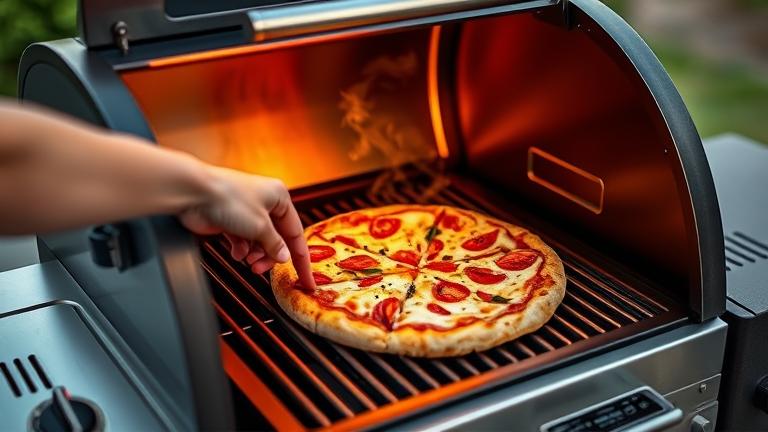
How to Prepare Your Pellet Grill for Pizza
Preparing your pellet grill for pizza is an important step to ensure your homemade or frozen pizza turns out delicious, with a crispy crust and perfectly melted cheese. Getting your grill set up properly helps you mimic that brick oven experience right in your backyard.
First, it’s a good idea to give your pellet grill a quick clean. Remove any leftover ashes, old pellets, or debris from previous cooks. Use a grill brush to scrub the grates and make sure they are free of grease and residue. A clean surface helps prevent sticking and makes your pizza cooking more even.
Next, check your pellet level and quality. Use hardwood pellets like oak or hickory for a smoky flavor that pairs well with pizza. Fill the pellet hopper with fresh pellets if needed, and ensure they flow smoothly into the firepot. This helps maintain a steady temperature during cooking. Keep an extra bag nearby in case you need more pellets for longer cooks.
Now, preheat your pellet grill. Turn it on and set the temperature to around 450°F (232°C). This high heat is ideal for cooking pizza because it creates a crispy crust and ensures the toppings are hot and bubbly. Close the lid and allow the grill to warm up for 15 to 20 minutes. Some grills have a preheat indicator light; use it to know when the desired temperature is reached.
While waiting, prepare your pizza. If you’re cooking a frozen pizza, take it out of the freezer about 10-15 minutes before grilling, so it doesn’t go directly from frozen into a very hot environment. For fresh or homemade pizza, assemble your toppings and have everything ready to go.
Adjust your grill settings as needed. Many pellet grills let you control the temperature digitally. Setting the grill to 450°F ensures the pizza cooks quickly without burning. If your grill has vents, open them partially to improve airflow and temperature control, especially if you notice it running too hot or too cool.
For even cooking, consider using a pizza stone or a cast iron skillet placed on the grill grates. These distribute heat more evenly and help achieve that ideal crispy crust. Preheat the stone or skillet with the grill during the preheating phase, so it’s hot and ready when you place your pizza on it.
- Always double-check your grill’s temperature with an oven-safe thermometer for accuracy.
- Avoid opening the lid too often during cooking, as this can drop the temperature and affect your pizza’s crispiness.
- Use a pizza peel or large spatula to carefully transfer the pizza onto the hot stone or skillet.
- Keep a close eye during the last few minutes to prevent burning, especially if your pizza has delicate toppings.
With a well-prepared pellet grill, you’ll be set to make fantastic pizzas that taste like they came from a pizzeria, right in your backyard. Proper setup not only makes the process easier but also guarantees a better result every time.
Best Settings for Perfect Grilled Frozen Pizza
Grilling a frozen pizza on a pellet grill is a great way to get that crispy crust and melty cheese with a smoky flavor. To achieve the perfect result, it’s all about setting the right temperature and smoke level. With a few simple tweaks, you can enjoy a homemade-style pizza right off your grill every time.
Start by preheating your pellet grill to a temperature of around 375°F to 400°F. This range is ideal because it mimics an oven’s heat but adds a touch of smoky flavor. If your grill has a temperature dial, set it to this range, and give it about 10-15 minutes to fully heat up. Many pellet grills also have a digital control panel, making it easy to set and monitor the temperature precisely.
Next, consider your smoke setting. If your pellet grill allows adjusting the smoke level, keep it at a low to medium setting during the initial phase. Around 10-20% smoke output usually works well. This provides just enough smoky aroma without overpowering the pizza’s flavors. If your grill doesn’t have adjustable smoke settings, simply use quality wood pellets that impart a mild and pleasant smoke, like apple or cherry.
When the grill reaches the desired temperature, place your frozen pizza directly on the grates or on a pizza stone if you have one. Using a pizza stone helps distribute heat evenly and promotes a crisp crust. Close the lid and cook the pizza for approximately 12-15 minutes. Keep an eye on it, especially toward the end, to avoid burning the cheese or crust. You’ll want the cheese to be bubbling and golden, and the crust to be crispy and slightly charred around the edges.
If you notice the toppings are cooking faster than the crust, you can adjust by lowering the temperature slightly to around 375°F. Conversely, if the crust isn’t crisping up enough, try increasing the temp just a little or move the pizza to a hotter zone of the grill. Some pellet grills have multiple heat zones, so you could move the pizza to a hotter side if needed.
Remember, every grill is a bit different, so it might take a couple of tries to find your ideal settings. Use a digital thermometer if you want to check the internal temperature of the pizza, aiming for about 165°F to ensure it’s heated through. Don’t forget to let your pizza rest for a couple of minutes after grilling—it helps the cheese settle and makes slicing easier.
- Use quality wood pellets like apple or cherry for a mild smoky flavor.
- If using a pizza stone, preheat it with the grill for better crispiness.
- Keep an eye on your pizza after 10 minutes to prevent burning.
- If toppings burn or crust is undercooked, adjust temperature or position on the grill.
With these settings and tips, you’ll consistently grill frozen pizzas that are hot, crispy, and full of smoky flavor. Once you get the hang of it, grilling frozen pizza will become one of your go-to quick and tasty meals.
Tips to Make Frozen Pizza Crispy and Delicious
Grilling frozen pizza can be a fun and tasty way to enjoy a crispy, flavorful slice right at home. The key is to pay attention to heat levels and cooking techniques to get that perfect crust and gooey cheese. Whether you’re using a pizza stone or grilling directly over the flame, these tips will help you elevate your frozen pizza game.
First, consider using a pizza stone. This special baking surface heats evenly and absorbs moisture, resulting in a crispier crust. To prepare, place the stone in the grill while it preheats. This ensures the stone is hot enough when you add your pizza, which helps create that desirable crispy bottom.
If a pizza stone isn’t available, direct heat works just fine. Keep the grill medium-high so the pizza cooks quickly and the cheese melts beautifully. Be sure to oil the grill grates slightly or use a piece of parchment paper to prevent sticking. This simple step makes flipping or moving the pizza easier and keeps it from tearing.
Before grilling, let your frozen pizza sit out for a few minutes to slightly soften the outer edges. This makes it easier to handle and prevents cracking when you place it on the grill. Avoid thawing completely unless you plan to bake it in the oven afterward, as a fully frozen pizza can be difficult to transfer and may cook unevenly.
Steps for Grilling Frozen Pizza
- Preheat your grill and, if using, place the pizza stone inside to warm up. Allow at least 15–20 minutes.
- Prepare the pizza by removing any plastic wrap and placing it on a piece of parchment paper or a heat-safe tray for easy handling.
- If using direct heat, oil the grill grates lightly or place the pizza on a well-oiled grilling pan.
- Place the pizza on the hot stone or grill. Close the lid to trap heat and cook for about 10–15 minutes, checking halfway through.
- Watch for the cheese to melt completely and the crust to turn golden brown. If the crust is getting crispy but the cheese isn’t melted yet, cover the grill lightly with foil or close the lid to help heat circulate.
- Once done, carefully remove the pizza with tongs or a spatula. Let it sit for a couple of minutes to set before slicing.
To ensure a crispy base, avoid opening the grill too often during cooking. Consistent heat is key to crispiness, while frequent opening can cause temperature drops. Also, if you notice the edges browning too quickly, lower the heat slightly to prevent burning.
Experimenting with different toppings and cheese levels can also boost flavor. A sprinkle of fresh herbs or a drizzle of olive oil after grilling adds an extra layer of deliciousness. With these practical tips, your frozen pizza will turn out crispy, hot, and irresistibly tasty every time you grill it.
Step-by-Step Guide to Grilling Frozen Pizza
Grilling frozen pizza is a great way to get a crispy crust and melty cheese with that smoky flavor only a grill can give. If you’re new to grilling or want a simple method to elevate your frozen pizza, this guide will walk you through each step. No fancy skills needed — just some basic equipment and a little patience.
First, preheat your grill. You want it hot enough to cook the pizza evenly but not so hot that the crust burns quickly. Aim for a temperature of about 375 to 450 degrees Fahrenheit. If your grill has a two-zone setup, heat one side more than the other. This gives you a cooler zone to move the pizza if it starts to burn.
Prepare the Pizza and Grill
- Remove the frozen pizza from the freezer. Do not thaw it; grilling from frozen helps get that perfect crispy crust.
- If the pizza has toppings that might fall off or create flare-ups, consider removing some toppings or they might need to be added later. You can also brush the crust lightly with olive oil for extra crispiness.
- Clean your grill grates well to prevent sticking. Lightly oil the grates by dipping a paper towel in oil and using tongs to rub it over the grates.
Start grilling the pizza
- Place the frozen pizza directly on the grill grates. Close the lid to help heat evenly. Grill for about 5-7 minutes.
- Check the crust’s color and underside. It should be golden and crispy. If it’s starting to burn or blacken, move it to the cooler zone of the grill.
- Carefully flip the pizza using tongs or a spatula. Be gentle to avoid toppings sliding off. Grill the other side for another 5-7 minutes.
- Monitor regularly to prevent burning. If the cheese is melting nicely but the crust isn’t crispy enough, turn the heat down slightly or move the pizza to a cooler zone.
Finishing up
Once the cheese is bubbly and golden and the crust is crispy to your liking, carefully remove the pizza from the grill. Use tongs or a large spatula to lift it onto a cutting board or plate.
Allow the pizza to rest for 2-3 minutes before slicing. This helps the cheese set and makes slicing easier. Add any fresh toppings like basil or grated Parmesan if desired.
Tips for perfect grilled frozen pizza
- Keep a close eye on the pizza as grilling times can vary based on grill temperature and pizza thickness.
- Close the lid while grilling to help melt the cheese evenly and develop a crispy crust.
- If your pizza is large or thick, consider finishing it on indirect heat or in an oven after grilling to ensure it’s cooked through.
- Experiment with adding extra toppings like fresh herbs, hot sauce, or a drizzle of olive oil right after grilling for a personalized touch.
With a little practice, grilling frozen pizza can become your favorite quick meal. It’s a fun way to enjoy that delicious, smoky flavor with minimal fuss!
Common Mistakes to Avoid When Grilling Pizza
Grilling pizza can produce delicious, smoky results, but it also has its pitfalls. Many home cooks run into common errors that can turn a perfect pie into a burnt, undercooked mess. Knowing what to watch out for can help you achieve that crispy crust and perfectly melted cheese every time.
One of the biggest mistakes is not preheating the grill properly. If your grill isn’t hot enough, the pizza will stick, and the crust may end up soggy rather than crispy. Aim for a surface temperature of around 500°F (260°C) for best results. Always give your grill enough time to reach this heat before placing your pizza on it.
Another common error is using a cold or lukewarm crust. If the dough is not at room temperature, it may not cook evenly. Take your dough out of the fridge about 20-30 minutes before grilling to let it soften. This helps it cook evenly and prevents tearing or sticking.
Uneven grilling is often caused by not using the right tools. A pizza peel or a wide spatula is essential for transferring the pizza onto and off the grill. Using tongs or thin spatulas can make handling tricky and increase the risk of dropping or tearing the crust.
Timing is key. Many people forget that the crust cooks faster than the toppings. To prevent burning the edges while the center remains raw, start with the pizza on the direct heat for a few minutes. Then, move it to indirect heat to finish cooking and melt the cheese without burning the crust.
Overloading the pizza with toppings is a curse for grilled pizzas. Too many toppings can make the pizza heavy, causing it to sag or stick to the grill grates. Keep the toppings light and spread out evenly to ensure good heat circulation and easy handling.
Be careful with toppings that release too much moisture, like fresh tomatoes or extra cheese. Excess moisture can cause the crust to become soggy. Consider pre-cooking or draining juicy toppings beforehand. This step helps keep your crust crispy and prevents steaming during grilling.
Pay attention to the grill vents and lid. Opening the lid too often or keeping it closed for too long can cause temperature fluctuations, leading to uneven cooking. Try to keep a consistent temperature and check only when necessary.
Lastly, don’t forget to watch the heat levels. Flare-ups from fat dripping onto the flames can instantly burn your pizza. Use a spray bottle of water carefully to tame flames if needed, and keep a close eye on the grill during the process.
- Ensure your grill is preheated to high heat before starting.
- Bring your dough to room temperature for even cooking.
- Use the right tools for easy handling of the pizza.
- Start with direct heat, then move to indirect heat to finish.
- Don’t overload toppings; keep them light and evenly spread.
- Pre-cook or drain juicy toppings to avoid sogginess.
- Maintain consistent grill temperature and avoid opening the lid too often.
Serving Ideas for Your Grilled Frozen Pizza
Once your frozen pizza has been grilled to perfection, it’s time to think about presentation and pairing. Serving your pizza in creative ways can turn a simple meal into a fun dining experience. Plus, the right sides and toppings can elevate the flavors and make the whole meal more satisfying.
Creative Topping Ideas
Adding extra toppings after grilling can personalize your pizza. Consider fresh herbs like basil, cilantro, or oregano for a burst of flavor. Thinly sliced red onions, bell peppers, or jalapenos can add a bit of crunch and heat. For a cheesy upgrade, sprinkle on some Parmesan or a handful of shredded mozzarella just before serving.
If you enjoy a bit of sweetness, drizzle honey or balsamic glaze over the top. For a protein boost, add cooked chicken strips, prosciutto, or even a few crumbles of feta cheese. These toppings don’t need to be cooked on the grill and are best added as finishing touches.
Complementary Sides and Dips
Pair your grilled frozen pizza with tasty sides to make the meal more complete. A crisp green salad dressed with a simple vinaigrette pairs beautifully and balances the richness of the pizza. Try mixed greens with cherry tomatoes, cucumbers, and a light balsamic dressing.
Garlic bread or breadsticks are classic companions. You can quickly make garlic butter by mixing softened butter with minced garlic and chopped parsley, then spread it on sliced baguette before grilling or baking. For a healthier option, serve roasted vegetables like zucchini, bell peppers, or asparagus seasoned with herbs.
Choosing the Right Beverages
The drink pairing depends on your flavor profile. A cold beer, like a light lager or pilsner, complements the smoky grilled pizza well. If you prefer non-alcoholic drinks, sparkling water with a splash of lemon or lime refreshes your palate. Iced tea or a fruity lemonade also work nicely and keep things light.
If you’re serving a group, consider offering a variety of beverages so everyone can pick their favorite. For a more sophisticated touch, white wine like a Pinot Grigio or Sauvignon Blanc pairs nicely with many pizza flavors.
Serving Tips for the Best Experience
- Let the pizza rest for a few minutes after grilling. This helps the cheese set and makes slicing easier.
- Use a pizza cutter or sharp scissors for clean, even slices. This prevents the toppings from sliding off.
- Arrange your toppings and sides colorfully on the table to make the meal more appealing.
- Consider serving your pizza on a wooden board or a colorful platter for a casual, inviting look.
With these serving ideas, you can turn your grilled frozen pizza into a delightful meal that everyone will enjoy. Get creative, experiment with toppings, and don’t forget the sides and drinks to complement your pizza perfectly!
FAQs About Cooking Frozen Pizza on a Pellet Grill
Cooking frozen pizza on a pellet grill can be a great way to get that smoky, crispy crust you love. If you’re new to grilling pizza or just looking for some tips, here are some frequently asked questions to help you achieve pizza perfection.
How long does it take to cook frozen pizza on a pellet grill?
The cooking time for frozen pizza on a pellet grill usually ranges from 10 to 15 minutes. This mainly depends on the thickness of the pizza, the initial temperature of your grill, and how crispy you want the crust. Thin-crust pizzas generally cook faster, while thicker crusts may need a few extra minutes. It’s a good idea to check your pizza around the 10-minute mark so it doesn’t burn.
What temperature should I set my pellet grill to for cooking frozen pizza?
For best results, set your pellet grill to around 425°F (220°C). This temperature allows the pizza to heat evenly, melt the cheese properly, and develop a crispy crust. If your grill runs hot, you might want to lower the temperature slightly to avoid burning the toppings. Conversely, if it’s too cool, the pizza might not get crispy enough. A steady temperature of 425°F gives a good balance for most frozen pizzas.
Should I preheat my pellet grill before cooking pizza?
Absolutely. Preheating your pellet grill for about 10–15 minutes ensures it reaches the target temperature and maintains consistent heat during cooking. Place the grill lid down, and give it enough time to heat thoroughly. This helps prevent cold spots that can make your pizza unevenly cooked.
Is it better to cook the pizza directly on the grill grates or on a pizza stone?
Both options work well, but using a pizza stone can give you a more evenly crispy crust. To use a pizza stone, preheat it with your grill, then slide your frozen pizza onto it. If you prefer a quicker method, placing the pizza directly on the grates is fine, just watch carefully to prevent burning. No matter what, keep an eye on your pizza as it cooks to prevent overdoing it.
Any tips for preventing a soggy crust?
Yes! To get a crisp crust, consider pre-baking the crust for a few minutes before adding toppings. You can also brush the crust lightly with olive oil or sprinkle a little cornmeal underneath to help it crisp up. Keep the grill lid closed during cooking but avoid overcrowding the pizza with too many toppings, as excess moisture can make the crust soggy. Finally, remove the pizza promptly once it’s done to prevent it from sitting too long and becoming soft.
What are some common mistakes to avoid?
- Not preheating the grill properly, which can cause uneven cooking.
- Cooking at too low a temperature, leading to a soggy crust.
- Overloading toppings, which can create excess moisture and prevent crispiness.
- Leaving the pizza on the grill for too long, risking burning the crust or toppings.
Following these tips and keeping an eye on your pizza will help you make a delicious, crispy, pellet-grilled frozen pizza every time. Experiment with your grill settings and toppings to find what works best for your taste buds!