
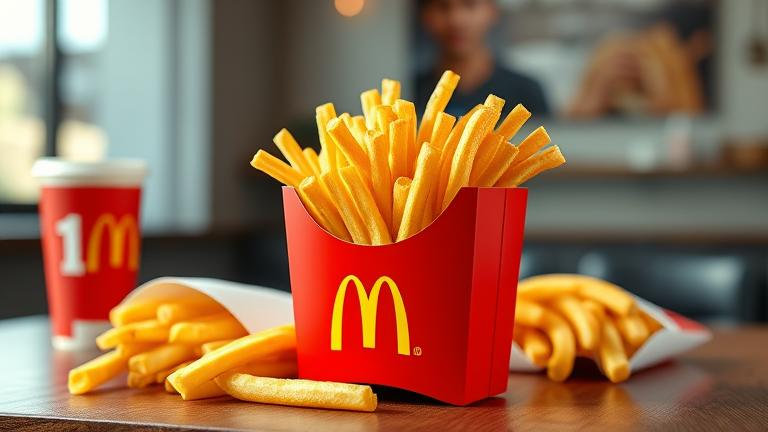
Average Price of McDonald’s Fries
If you’re craving McDonald’s fries, you’re probably curious about how much they cost. The price of a small, medium, or large fries can vary depending on where you are, but there are some general trends. On average, you can expect to pay around $1.50 to $3.00 for a medium-sized order of fries in most locations in the United States.
McDonald’s has a standard pricing range, but local factors like taxes, regional pricing policies, and even promotional deals can influence the final cost. For example, in big cities or tourist areas, fries might be slightly more expensive compared to smaller towns or rural areas. It’s always a good idea to check the menu or app for current prices before you go.
Standard Pricing by Size
| Size | Average Price | Notes |
|---|---|---|
| Small | $1.50 – $1.80 | Usually the most affordable option, perfect for a quick snack. |
| Medium | $2.00 – $2.80 | The most popular choice, offering good value for the price. |
| Large | $2.50 – $3.00 | Ideal for sharing or if you’re really hungry. |
Keep in mind that these prices are approximate averages. During special promotions or discounts, prices can dip lower, especially if you use a mobile app or participate in loyalty programs. Sometimes, joint deals include fries as part of combo meals, which can be more economical than ordering alone.
Regional and International Variations
Prices of McDonald’s fries are not the same worldwide. In countries like Canada, the UK, or Australia, you might see slight variations due to currency differences, taxes, or local ingredient costs. For instance, in some places, a large fries may cost around $4 or more, especially where ingredients are imported or expensive.
Another factor to consider is that some locations may have special offers or seasonal deals that temporarily change the price or include fries as part of value meals. Checking the local menu or ordering online can give you the most accurate and up-to-date pricing information.
Practical Tips
- If you’re watching your budget, opting for a small or medium fries is usually the best value.
- Look out for combo deals or promotions that include fries and a drink or burger.
- Using the McDonald’s app can sometimes unlock exclusive discounts or coupons.
- Prices tend to be consistent within the same region but can vary between regions.
Knowing the typical price of McDonald’s fries can help you plan your meal, budget better, and decide when to indulge. Whether you’re grabbing a quick snack or adding fries to a meal, understanding the average costs makes for a smarter, more satisfying dining experience.
Prices in Different Locations
When it comes to enjoying a classic serving of fries, you might notice that the cost can vary quite a bit depending on where you are. Whether you’re grabbing a quick snack at a local spot or ordering from a high-end restaurant, location plays a big role in price differences.
In general, fries tend to be more affordable in fast-food chains and casual eateries, especially in larger cities where competition is fierce. For example, a small portion of fries at a fast-food place might cost around $1.50 to $3.00 in many U.S. cities. In contrast, the same size at a sit-down restaurant or upscale cafe could range from $4.00 to $8.00 or more.
Regional differences are quite common. Prices tend to be higher along the coasts, such as in New York or California, while some rural areas or smaller towns might offer fries at lower prices. This variation is influenced by factors like local rent costs, ingredient prices, and the overall cost of living.
Factors That Influence Price Differences
- Cost of Ingredients: Fresh potatoes and cooking supplies can be more expensive in certain regions, impacting the final price. Areas with higher transportation costs or limited local agriculture might see pricier fries.
- Labor Costs: Wages differ from place to place. In cities where living costs are high, restaurant staff wages also tend to be higher, which can drive up menu prices.
- Type of Venue: Fast-food chains often have set pricing across locations, while independent restaurants may adjust prices based on their specific costs and clientele.
- Tourist Areas: Locations popular with tourists often charge more for fries, as they cater to visitors willing to pay a premium for convenience or specialty fries with unique toppings.
Comparing Prices: City vs. Rural
| Location | Average Price for Small Fries | Notes |
|---|---|---|
| New York City | $3.50 – $6.00 | High rent and wages contribute to higher prices |
| Los Angeles | $3.00 – $5.50 | Popular tourist spots may charge more |
| Small Town | $1.50 – $3.00 | Lower rent and wages help keep prices down | Rural Area | $1.50 – $2.50 | Limited competition and local sourcing can lower costs |
Understanding these differences can help you budget when dining out or deciding where to buy fries. Remember, the price isn’t always an indicator of quality but can reflect local economic factors. So, next time you’re comparing prices, consider what might be influencing those costs beyond just the menu sticker.
Size and Price Variations
When choosing McDonald’s fries, you’ll notice they come in different sizes, and each size impacts the price. Understanding these variations can help you get the most value for your money. Whether you’re craving a small snack or a larger share, knowing the price differences makes ordering easier and smarter.
McDonald’s typically offers three main fry sizes: Small, Medium, and Large. These are designed to suit different appetites and occasions. The small size is perfect if you want a quick treat or are watching your portion. The medium offers a good balance between portion size and price. The large is ideal for sharing or if you’re really hungry.
Price Differences
The prices of these sizes vary depending on location and current promotions, but generally, there is a clear difference between the sizes. The small fries are usually the most budget-friendly. The medium size costs a little more but offers a bigger portion. The large size tends to be the most expensive, but it also gives you the most fries for your money.
For example, in many regions, the small fries might cost around $1.50. The medium could be around $2.00, and the large might go for about $2.50 or more. These prices are approximate and can vary, so it’s always good to check the menu or app for the latest prices in your area.
Value and Portion Size
While the larger fries cost more, they often provide better value per ounce or gram. For example, a large order might be twice the size of a small, but only about 1.5 times the price. This makes the large a better deal if you want to maximize your fries for your money.
However, if you’re just looking for a small snack or trying to keep your budget in check, the small size is a good choice. It’s enough to satisfy a craving without overspending. Plus, you can always add a side or share if you’re with friends.
Tips for Getting the Best Deal
- Compare prices at your local McDonald’s or check their app for special deals on larger sizes.
- Sometimes, combo meals include large fries at a discounted rate. Look for value combos for more savings.
- If you’re sharing, ordering a large fries can be more economical than buying two smalls.
- Keep an eye out for limited-time offers or promotions that might give you more fries for less money.
Considerations When Choosing Size
Think about how hungry you are and your budget before ordering. If you want enough fries to share, the large is a good choice. For a quick snack, the small or medium might be better. Remember, the size also affects the total calorie intake, so keep that in mind if you’re watching your diet.
Overall, understanding the size and price variations helps you make smarter choices at McDonald’s. Whether you want to save some money or indulge in a larger portion, knowing what each size offers makes your ordering process easier and more satisfying.
Factors Affecting Fry Pricing
When you’re at a restaurant or buying fries from a street cart, you might wonder why the price varies so much. Several factors come into play that influence how much you pay for those crispy, golden fries. Understanding these can help you appreciate the costs behind your favorite snack and maybe even make better choices when cooking at home.
One of the biggest factors affecting fry pricing is the cost of ingredients. Potatoes are the main ingredient, and their price fluctuates based on the season, weather, and supply chain conditions. If there’s a drought or a poor harvest, potato prices can rise, making fries more expensive. Additionally, the type of potatoes used matters. Premium varieties that produce crispier or fluffier fries might cost more than standard ones.
Next comes the cost of oil and seasonings. Frying requires a good amount of oil, and the quality or type of oil used can impact the price. For example, healthier oils like olive or avocado oil may cost more than vegetable or canola oils. Seasonings and toppings, such as cheese, spices, or specialty salts, also add to the final price. Special flavorings or gourmet twists can hike up costs, especially if they are imported or rare.
Labor is another significant factor. Preparing fries often involves washing, peeling, cutting, and frying, which takes time and skill. In busy restaurants or fast-food outlets, wages, staff training, and efficiency influence how much they charge. Skilled workers who ensure your fries are perfectly cooked might be paid more, and higher wages generally translate into higher prices for customers.
Market conditions play a key role as well. The location of the vendor matters—fries in a high-rent city will often cost more than those in a smaller town or rural area. Competition also influences pricing; if many vendors are nearby, prices might be lower to attract customers. Conversely, specialty or gourmet fry shops may charge a premium due to their unique offerings or branding.
Branding and restaurant type also affect fry prices. Chain restaurants often have standardized costs, but their prices might include a markup for brand value. Gourmet or artisanal vendors, who use organic or locally sourced ingredients, tend to set higher prices to cover those premium costs.
Lastly, market demand and seasonality can make a difference. When fries are very popular or in high demand, prices may rise slightly. During times when potatoes are abundant and cheap, prices drop, allowing vendors to offer more affordable options or increase profit margins.
- Consider ingredient quality—using organic potatoes or specialty oils costs more but can enhance flavor.
- Factor in labor costs—skilled staff or quick service may influence the price.
- Be aware of location and competition—urban areas tend to have higher prices.
- Recognize seasonal changes—harvesting times can lower or raise costs.
Next time you enjoy a plate of fries, remember that many variables influence what you pay. These factors help explain the differing prices across vendors and why making fries at home can sometimes save you money or let you experiment with high-quality ingredients.
Discounts and Special Offers
If you love enjoying fries at McDonald’s without breaking the bank, you’re in luck. McDonald’s often runs various deals, promotions, and discounts that make it easier to indulge in your favorite crispy, golden fries. These offers are usually available for a limited time, so it’s good to check regularly and stay updated.
One popular way to save on fries is through special combo deals. For example, ordering a meal with fries included may come at a reduced price compared to buying items separately. Sometimes, McDonald’s offers discounted bundles that feature fries as part of a larger meal deal. This is perfect if you’re grabbing lunch or dinner for a family or a group of friends.
Additionally, McDonald’s frequently offers specific discounts through their mobile app. Downloading the McDonald’s app can unlock exclusive deals, such as “Buy One Get One Free” offers on fries or percentage discounts. These deals often refresh weekly or monthly to give returning customers more chances to save.
Another great tip is to look out for promotional days or seasonal discounts. For example, during certain holidays or special events, McDonald’s may offer discounts on fries or include them free with a purchase. It’s a good idea to check their official website or local flyers for updates around these occasions.
Many times, participating in loyalty programs or signing up for email newsletters can also give you access to coupons and special offers. These promotions might include discounts on larger sizes, combo meals, or occasional freebies. Be sure to read the terms and conditions, as some offers may require a minimum purchase or be limited to certain locations.
- Visit the official McDonald’s website regularly for current deals.
- Download the McDonald’s mobile app for exclusive discounts and coupons.
- Check local flyers and advertisements for seasonal or special event promotions.
- Join their loyalty program if available in your area to earn rewards on your purchases.
Keep in mind that discounts and offers can vary depending on your location, so it’s worth exploring what’s available nearby. Sometimes, fast-food restaurants also partner with food delivery apps that feature special discounts or free delivery on orders including fries. Using these options can often save you more money while enjoying your favorite snack.
Remember, always read the fine print for promotional offers. Some discounts might be limited to certain fries sizes or specific menu items. By staying informed, you can enjoy tasty fries at McDonald’s for less and make the most of these exciting deals!
Comparing Fast Food Chains
When it comes to ordering fries at fast food restaurants, price is often an important factor. McDonald’s is famous for its crispy, golden fries, but how do its prices compare to other popular fast food chains? Knowing this can help you decide where to get your favorite side without overspending.
Let’s take a closer look at some typical fry prices at major chains. Prices can vary depending on location and size, but we will focus on the regular or small sizes commonly available. This way, you can get an idea of the general price range and how competitive each chain is.
| Chain | Small Fry Price | Notes |
|---|---|---|
| McDonald’s | $1.39 | Known for affordable prices and crispy texture. |
| Burger King | $1.29 | Offers slightly cheaper fries, with a different style of seasoning. |
| Chick-fil-A | $1.89 | Premium fries, often considered a bit more expensive but with a unique flavor. |
| Taco Bell | $1.49 | Crinkle-cut fries, usually offering value for money. |
| Krispy Kreme | $1.69 | Varies by location, mostly known for donuts but also serves fries in some places. |
The table shows that McDonald’s generally offers some of the most affordable small fries, which is part of why it remains so popular. Burger King’s fries are slightly cheaper, but their thicker, crinkled design gives a different eating experience. Chick-fil-A’s fries tend to be more expensive, but many consider them worth the extra cost due to their flavor and quality.
It’s important to remember that prices can fluctuate over time or depending on where you are. Sometimes, fast food chains promote deals like “buy one, get one free” or discounts on larger sizes. So, if you’re looking to save money, keeping an eye out for special offers can be helpful.
- Check local menus online to see current prices, as they may vary.
- Consider size options, as larger fries usually cost more but also offer better value per serving.
- Look for combo deals that include fries, a burger, and a drink for a better overall price.
In summary, McDonald’s tends to be the most budget-friendly choice for small fries, making it a go-to for many people. However, each chain offers unique flavors and deals, so it’s worth exploring your options based on what tastes best and fits your budget. Comparing prices can help you enjoy your favorite fries without overspending and make smarter fast food choices overall.
Tips to Save Money on Fries
Everyone loves crispy fries, but they can add up quickly if you’re not careful. Luckily, there are plenty of ways to enjoy your favorite side without overspending. By using smart strategies and taking advantage of deals, you can satisfy your craving while keeping your wallet happy.
One of the easiest ways to save money on fries is by looking for special offers through restaurant apps. Many fast-food chains and casual dining places have mobile apps that regularly feature discounts, coupons, or free items with purchases. For example, signing up for a restaurant’s rewards program can give you access to exclusive deals on fries, especially during certain days or hours. Keep an eye out for limited-time promotions—it’s common to find deals like “Buy a burger, get fries free” or discounted combo meals.
Another effective tip is to consider combo options. Sometimes, ordering a combo meal saves you money compared to buying items separately. Many restaurant menus bundle fries with burgers, sandwiches, or chicken nuggets at a reduced price. If you’re already planning to order a main item, see if a combo with fries offers better value. Also, some places let you customize your meal, so you can opt for smaller fries or share a large portion with a friend to cut costs.
Don’t forget about alternative sources for cheaper fries. Grocery stores often sell frozen fries in bulk, which can be more economical if you like to prepare your own. Cooking them at home allows you to control portion sizes and avoid extra toppings or seasoning charges. Plus, it’s a fun cooking project that can make your fries even tastier with your favorite spices.
To maximize savings, plan your meals around daily deals or discounts. Many restaurants have specific days when they offer reduced prices on fries or combo meals. For example, some fast-food chains offer “Tuesday fries discounts” which can significantly lower your costs if you plan ahead. Following your favorite places on social media can also alert you to flash sales or special deals.
Another tip is to watch for self-service or value-sized portions. Choosing smaller sizes or sharing larger portions with friends can help prevent impulse buys of extra fries that can quickly add up. If you find you’re ordering fries regularly, setting a budget per meal can help manage expenses better.
Always compare prices between dine-in, takeout, and delivery options. Sometimes, ordering directly through the restaurant can be cheaper than third-party delivery services, which often add extra charges. Also, check whether buying fries as part of a meal or combo is more affordable than ordering them separately.
In summary, saving money on fries takes a little planning and awareness of deals. Use apps and rewards, opt for combo meals, consider cooking at home, and look for special discounts on specific days. With these tips, you can indulge in crispy fries without breaking the bank.