
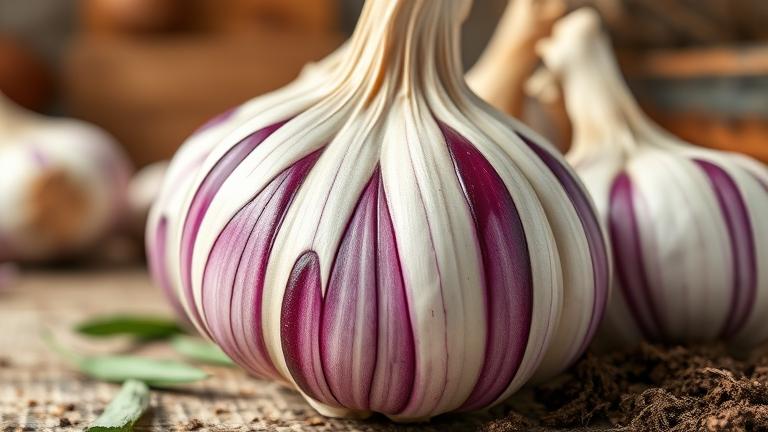
Introduction: The Curious Case of Purple Garlic
Purple garlic is a fascinating variety of the common Allium sativum that has captivated both gardeners and culinary enthusiasts alike. Unlike standard white garlic, purple garlic showcases vibrant shades that range from deep violet to rich purple, making it highly attractive and distinctive. This unusual pigmentation not only enhances its visual appeal but also raises questions about its genetic makeup, growing conditions, and safety for consumption.
Its allure has led to increased interest in understanding what makes purple garlic so unique and how best to cultivate, harvest, and enjoy it in the kitchen. As a natural curiosity, purple garlic offers a blend of aesthetic beauty and culinary versatility that continues to intrigue food lovers and horticulturists around the world.
Genetics and Variety: Why Some Garlic Turns Purple
The striking purple hue of certain garlic varieties is primarily due to their genetic composition. These garlic cultivars are genetically distinct from typical white garlic, with specific genes that influence the production of anthocyanins natural pigments responsible for purple, red, and blue colors in plants.
These genetic factors involve complex pathways that regulate pigment biosynthesis, often controlled by multiple genes working in concert. Variants such as the ‘Purple Russian’ and ‘Chesnok Red’ are popular examples known for their vivid coloration, which results from higher levels of anthocyanins in their skin, cloves, or stems.
Research indicates that the genes controlling these traits are linked to pigment biosynthesis pathways, which are influenced by natural genetic variation within garlic populations. Breeders often select for these genetic traits to produce garlic with desirable aesthetic features and potentially enhanced nutritional profiles owing to higher antioxidant content. The genetic foundation underlying purple garlic provides insight into how plant pigmentation is controlled and opens avenues for developing new cultivars with tailored characteristics.
Understanding the genetics of purple garlic not only helps in breeding new varieties but also emphasizes the importance of genetic diversity. This diversity contributes to garlic’s wide array of appearances, flavors, and nutritional benefits, enriching its role in both culinary arts and horticulture.
Growing Conditions and Soil Composition
Environmental factors greatly influence the development of purple coloration in garlic bulbs. Soil pH is a significant contributor, with slightly acidic soils those with a pH of 6.0 to 7.0 being optimal for vibrant purple hues.
These pH levels improve nutrient availability, especially phosphorus and potassium, which are essential for healthy bulb development and pigmentation. Proper nutrient management ensures that the garlic can produce and accumulate higher levels of anthocyanins, leading to more vivid colors.
Climate conditions further impact purple pigmentation. Cooler temperatures during garlic growth are associated with increased anthocyanin synthesis, resulting in more pronounced purple shades. Sunlight exposure also plays a crucial role, with ample daylight stimulating pigment production. Garlic grown with sufficient sunlight tends to exhibit deeper purple tones, which enhance both aesthetic appeal and possibly flavor complexity.
The overall growing environment including soil nutrients, watering regimes, and cultivation practices must be carefully managed to achieve the desired purple coloration. Well-balanced nutrition, proper irrigation, and minimal stress to the plants all contribute to optimal pigment development.
Cultivators often select specific soil mixes and adjust environmental factors to maximize the visual and nutritional qualities of purple garlic, making it a sought-after crop in both organic and conventional farming systems.
Harvesting and Storage: When and How It Turns Purple
The timing of harvest and post-harvest handling are critical for developing and maintaining the purple pigmentation of garlic bulbs. Harvesting at the right maturity stage is essential typically when the lower leaves turn yellow and the plant begins to die back signaling peak nutrient concentration for pigmentation. This stage coincides with enzymatic activity that promotes pigment synthesis, resulting in more vibrant purple hues.
Once harvested, proper storage conditions are vital to preserve the color intensity. Garlic should be cured in shaded, well-ventilated environments at moderate temperatures to allow the bulbs to dry properly. Curing not only prolongs shelf life but also stabilizes the pigments, helping the purple coloration to remain vivid during storage. Avoiding high humidity, excessive heat, or rough handling prevents color fading, sprouting, and spoilage.
Storing garlic in cool, dry spaces with good airflow further supports the retention of purple pigmentation. Careful management of harvest timing and storage conditions enables growers and consumers to enjoy the visual and culinary qualities of purple garlic over an extended period. This attention to detail helps maximize both the aesthetic value and marketability of purple garlic.
Is Purple Garlic Safe to Eat? Myths, Facts, and Culinary Uses
Purple garlic is generally safe for consumption, sharing the same nutritional profile as standard white garlic. Its vibrant color results mainly from anthocyanins, which are powerful antioxidants associated with health benefits such as reducing inflammation and protecting against oxidative stress. However, as with all foods, moderation is advisable, especially for individuals with allergies or sensitivities.
Some myths suggest that purple garlic may be toxic or significantly different from traditional garlic. Scientific evidence confirms that purple garlic is a natural variant of Allium sativum and poses no additional health risks compared to its white counterpart. Its safety profile is comparable, making it suitable for culinary use and health benefits.
In the kitchen, purple garlic lends both visual appeal and flavor enhancement to various dishes. It can be eaten raw in salads, providing a mild, sweet taste, or cooked in stir-fries, roasts, and sauces. Roasting purple garlic enhances its sweetness, while adding it to pasta or roasted vegetables creates a colorful and flavorful meal. Its versatility and striking appearance make it an excellent ingredient for elevating the aesthetics of dishes and impressing diners with its unique look.