
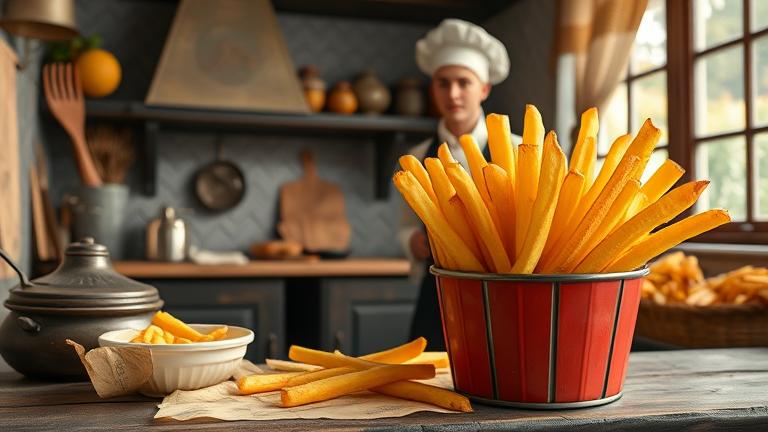
The Origins of French Fries
French fries are a beloved comfort food enjoyed all around the world today. But have you ever wondered where they first came from? The history of French fries goes back hundreds of years and involves a blend of cultural influences and delicious innovation.
Many believe that French fries originated in Belgium, not France, as their name might suggest. According to local tradition, fried potato strips were first crafted in the late 1600s or early 1700s in Belgium. Farmers often fried small fish, but during winter months when the river froze, they cut potatoes into the shape of fish and fried those instead. This practical solution turned into a popular regional specialty.
However, some sources claim that French fries have roots in France, particularly in the region around Paris. The story goes that street vendors in Paris began selling thin, fried potato slices in the 18th or early 19th century. These early fries were often served with vinegar and seasoned with herbs, creating a simple, tasty snack that quickly gained popularity.
Regardless of their true origin, French fries became well-known during the 19th century. They spread across Europe, thanks in part to culinary exchanges and trade, and eventually to the United States. In America, French fries gained a huge boost when fast food chains like McDonald’s and Burger King adopted them as a standard side dish. Their crispy texture and salty flavor made them irresistible to many.
Today, French fries are not just a simple snack. They have evolved into a global culinary icon, with countless variations. From thick, steak-cut fries to thin, shoestring styles, and even sweet potato versions or loaded fries topped with cheese and bacon, the fundamental idea remains the same—crispy, golden, delicious potato strips.
Understanding where French fries come from helps us appreciate their history and cultural journey. Whether you prefer them with ketchup, mayo, or a sprinkle of sea salt, their roots remind us of a simple, tasty invention that has stood the test of time and travels. Next time you enjoy a plate of fries, think about the centuries of tradition behind those crispy bites.
Theories on Who Created French Fries
Many people love French fries, but the story of who actually invented them is a bit tricky. Over the years, different tales and legends have popped up, each claiming to be the real origin of this beloved snack. Exploring these stories can be fun and even spark some curiosity about the history behind your favorite crispy treat.
One popular story suggests French fries were first made in Belgium. According to this legend, villagers there often ate small fried fish. During winter, when the river froze and fishing was difficult, they cut potatoes into fish shapes and fried them instead. This story dates back to the 1600s and is supported by local traditions. Many Belgians see French fries as a cultural icon, and in Belgium, they are often served with special sauces like mayonnaise.
On the other hand, some claims point to France as the birthplace of French fries. This story often involves a French chef or cook who, in the late 1700s or early 1800s, came up with the idea of frying thin slices of potato. French cuisine has long been known for its culinary innovations, and supporters believe that French chefs played a key role in perfecting the technique of making crispy, golden fries.
There are also stories linking the creation of French fries to American history. Some say that in the United States, particularly during the 1800s, French fries gained popularity in places like New York. Italian immigrants and fast-food vendors helped spread the dish, making it a street food staple. This story emphasizes the American love for convenience foods and how French fries became part of fast-food culture elsewhere.
Besides these main stories, there are other interesting accounts and legends. For example, some believe soldiers during World War I introduced French fries to the United States after experiencing them in Belgium or France. Others suggest that the name “French fries” actually refers to the French method of cutting the potatoes into thin strips, rather than the country of origin. In fact, in some places like the UK, they are called “chips,” which might add to the confusion.
While the true origin is hard to pin down, what’s clear is that French fries have a rich, layered history. Each story tells us about the cultural exchanges and culinary creativity that went into developing this snack. Whether from Belgium, France, or elsewhere, French fries have become a global favorite, enjoyed in countless variations around the world.
If you want to explore further, try looking into the different regional styles of fries, or even attempt to recreate a traditional Belgian or French version at home. Every story behind the fries adds a little flavor to your understanding of this delicious treat.
French Fries’ Journey to Global Popularity
French fries have become a beloved snack enjoyed all around the world, but their journey to international fame is quite interesting. Originally, French fries are believed to have originated in Belgium or possibly France, and their story spans many centuries and continents. Today, they are a common side dish or street food in countless countries, from fast-food chains in America to street vendors in Asia.
Many historians trace the roots of French fries back to the late 1600s or early 1700s. Some claim that villagers in Belgium started frying small fish, but when rivers froze during winter, they cut up potatoes instead and fried them. This clever adaptation helped popularize the snack locally. Similarly, France has a long history of potato dishes, which could have influenced the name “French fries.” Because of their popularity across France, some believe the name simply reflects their French origin.
Their global journey truly gained momentum in the 19th and 20th centuries, thanks to technological advances and worldwide travel. As Europeans, especially Belgians and French, emigrated across the world, they brought their love of fries with them. American soldiers in Belgium during World War I discovered the snack and loved it. Since then, French fries became a staple in American fast-food restaurants like McDonald’s and Burger King, fueling their international spread.
Throughout the 20th century, French fries also gained popularity in other parts of the world. Fast-food chains opened in Asia, Latin America, and Africa, making fries a common feature on menus worldwide. Innovation and local adaptation helped their rise too. For example, in some countries, fries are seasoned with local spices or served with regional sauces, showing how this simple food has become a blank canvas for creativity.
Key moments in the global adoption of French fries include the 1950s, when fast food began to boom in the United States, and the international expansion of major chains in the 1970s and onward. Today, they are considered a universal comfort food and a symbol of casual dining everywhere. From street stalls in Belgium to trendy cafes in Japan, French fries have truly traveled far from their humble beginnings.
In summary, the story of French fries is a mix of local innovation, cultural exchange, and global marketing. They have evolved from a regional specialty to a culinary icon enjoyed by millions. Whether topped with cheese, served with ketchup, or seasoned with spices, French fries continue to bring people together across different cultures and tastes.
Cultural Significance of French Fries
French fries are more than just a tasty snack; they hold a special place in many cultures around the world. Their popularity has spread far beyond France and Belgium, becoming a symbol of comfort food and social gatherings in various societies. Whether enjoyed with ketchup in the United States or dipped in spicy aioli in Spain, French fries are a versatile and beloved treat.
In Belgium, French fries are considered a national dish, often served in “fritkot” stands and eaten fresh and hot. Belgians take pride in their double frying process, which makes fries crisp on the outside and soft on the inside. They are traditionally enjoyed with a variety of sauces, including a rich mayonnaise or a tangy sauce called “Andalouse.” In Belgium, fries symbolize community and tradition, seen in gatherings and festivals celebrating their culinary heritage.
Across the Atlantic, in the United States, French fries feature as a staple alongside burgers, hot dogs, and sandwiches. They are associated with fast food culture but also appear as a popular side dish at family meals, picnics, and sports events. The American twist on French fries includes styles like sweet potato fries, seasoned varieties, and “cheese fries.” Their cultural importance lies in their role as a shared comfort food that brings people together.
In France, you might find French fries, or “frites,” served in bistros and cafes. Here, they are often accompanied by hearty dishes like steak-frites, a classic that represents French culinary simplicity and elegance. French fries also serve as a symbol of everyday life—accessible and satisfying, they connect people through shared flavors and traditions.
Other countries have their own unique take on French fries. In the Middle East, you may see “batata fries” with Middle Eastern spices, offering a different flavor profile. In Canada, poutine combines fries with cheese curds and gravy, creating a dish that’s deeply rooted in Quebec’s culinary culture. These regional variations show how French fries adapt easily to local tastes and ingredients, highlighting their cultural flexibility.
French fries are often more than just food; they carry social meanings. In many places, sharing a plate of fries at a street stall or table signifies friendliness and community. During festivals or sporting events, fries are a symbol of celebration and togetherness. Their casual, comforting nature makes them an accessible cultural icon worldwide.
To understand their cultural importance, think about how fries reflect local ingredients, cooking styles, and eating habits. From Belgium’s traditional double-fry method to American inventive toppings, each variation offers a glimpse into the society that made it special. Whether as street food or part of a gourmet meal, French fries continue to connect people and generations across the globe.
Different Ways to Prepare French Fries
French fries are a beloved snack around the world, and there are many ways to prepare them to suit your taste and skill level. Whether you like them crispy, soft, seasoned, or plain, experimenting with different preparation methods can make your fries unique and tasty. Let’s explore some common cutting techniques, cooking methods, and seasoning options to help you make perfect French fries at home.
Cutting Techniques
The way you cut your potatoes impacts their texture and cooking time. The most popular styles include:
- Standard fries: Cut potatoes into evenly sized sticks, about 1/4 inch thick. This shape cooks evenly and is great for frying or baking.
- Wedge fries: Slice potatoes into thick wedges, perfect for oven-baking or deep-frying. They’re hearty and crispy on the outside.
- Steak fries: Cut into thick, rectangular pieces, similar to restaurant-style fries. They have a soft interior with a crispy outside.
- French fry strips: Use a julienne peeler or a sharp knife to create thin strips, ideal for quick frying or air frying.
When cutting potatoes, try to keep the pieces uniform for even cooking. For extra crispiness, soak the cut fries in cold water for about 30 minutes to remove excess starch before cooking.
Cooking Methods
There are several ways to cook French fries, each giving a different texture and flavor. These include:
- Deep frying: This classic method involves submerging fries in hot oil, usually at 350-375°F (175-190°C). It produces crispy, golden fries every time. Use a deep-fryer or a deep, heavy-bottomed pot and monitor the oil temperature for optimal results.
- Oven baking: Toss fries with a little oil and your favorite seasonings, then spread them in a single layer on a baking sheet. Bake at 425°F (220°C) until crispy, about 20-30 minutes, flipping halfway through.
- Air frying: Using an air fryer offers a healthier alternative, producing crispy fries with less oil. Toss the cut potatoes with a small amount of oil and seasonings, then cook at 400°F (200°C) for 15-20 minutes, shaking the basket halfway through.
- Pan frying: Add oil to a skillet and cook fries in batches over medium-high heat. This quick method works well for smaller quantities and gives good crispiness.
Whichever method you choose, always pat the potatoes dry after soaking to prevent splattering and ensure crispiness. Use caution when working with hot oil or oven heat to avoid accidents.
Seasoning Options
French fries are a canvas for flavor. You can keep them simple with just salt, or enhance them with a variety of seasonings and toppings:
- Classic salt and pepper: The simplest way to bring out the natural potato flavor.
- Herbs and spices: Add garlic powder, paprika, onion powder, cayenne, dried herbs like thyme or rosemary for extra zest.
- Cheese and toppings: Sprinkling shredded cheese, adding jalapeños, or drizzling with sauces like ranch or aioli can elevate your fries.
- Vegan or spicy seasonings: Use smoked paprika, chili powder, nutritional yeast, or hot sauce to add bold flavors.
For extra crunch and flavor, toss your hot fries in seasoned salt or fresh herbs immediately after cooking. Feel free to experiment and create your own flavor combinations to suit your taste buds!
Remember, practice makes perfect. Start with simple techniques, then explore seasoning blends and presentation styles. With these tips, you can craft homemade French fries tailored exactly to your preferences.
French Fries in Modern Cuisine
French fries are more than just a classic side dish; they have become a versatile ingredient in many modern cuisines. Chefs and home cooks are experimenting with this crispy favorite, transforming it into innovative and exciting dishes that reflect current culinary trends. From gourmet toppings to global fusion recipes, French fries continue to evolve beyond their traditional roots.
In contemporary kitchens, French fries often serve as a base for creative toppings and flavor combinations. Think of loaded fries topped with melted cheese, spicy jalapeños, or pulled pork. Such dishes are popular at casual restaurants and food trucks, offering a fun way to enjoy fries with a flavorful twist. They are also ideal for sharing at parties or gatherings, making them a social and customizable snack.
Fusion and Cultural Influences
Global cuisines have embraced French fries, adding local flavors and ingredients. For instance, Korean-style fries might be topped with kimchi, spicy gochujang sauce, or sesame seeds. In Mexico, loaded fries could include nacho toppings, sour cream, and chopped cilantro. These fusion recipes illustrate how French fries adapt easily to different culinary traditions, creating exciting new flavor profiles.
Another trend involves using French fries as a key element in dishes like poutines from Canada—where fries are topped with gravy and cheese curds. Some chefs add flavorful twists, such as curry sauce or drizzles of truffle oil. These creative adaptations keep French fries relevant and appealing within modern culinary contexts.
Innovations and Plating
Chefs are pushing the boundaries with presentation and preparation. Instead of serving fries solely on a plate, they are integrated into layered bowls or served on skewers for easier eating. Artistic sauces, vibrant herbs, and inventive dipping options add visual attractiveness and flavor variety. For example, sweet potato fries paired with spicy aioli or tangy yogurt dips create a gourmet experience.
Many establishments now offer high-end fries made from different potato varieties, such as purple or Yukon Gold, or even from unconventional ingredients like beets or carrots. These colorful options not only boost nutritional value but also enhance visual appeal. Using baking or air frying instead of deep frying is also popular, reflecting health-conscious trends and offering more versatile options for various diets.
Tips for Creating Modern French Fry Dishes
- Experiment with toppings such as cheese, herbs, spicy sauces, and more for personalized flavor.
- Try different potato types like sweet potatoes or heirloom varieties to vary taste and texture.
- Consider baking or air frying for healthier versions of classic fries.
- Serve fries with an array of dips, from traditional ketchup to gourmet aioli or hummus.
- Use creative presentation styles like cones, mini baskets, or layered bowls to make dishes more appealing.
In modern cuisine, French fries are no longer just a side—they’re a platform for culinary innovation. Whether topped with gourmet ingredients or infused with international flavors, they continue to inspire chefs and home cooks alike. Embrace these trends and experiment to enjoy French fries in fresh, exciting ways.
Fun Facts About French Fries
French fries are a beloved snack enjoyed worldwide, but there are many interesting facts that might surprise you. Did you know that French fries aren’t originally from France? In fact, their origins date back to Belgium, where villagers traditionally fried small fish and later sliced potatoes. The story goes that soldiers during World War I discovered these crispy treats in Belgium and brought the idea back home, which helped popularize the snack globally.
French fries come in many shapes and sizes. While you might be familiar with the classic thin, crispy style, there are also thick-cut “steak fries,” curly fries, waffle fries, and shoestring varieties. Each has its own unique texture and cooking method, providing many options to suit different preferences. Experimenting with different styles is a fun way to find your favorite.
Interestingly, the term “French fries” actually refers more to the method of slicing the potatoes rather than the country of origin. In Belgium and France, they are called “frites” or “french fries,” but in other regions, they might be named differently. For example, in the UK, they are commonly called “chips.” This linguistic variation can sometimes cause confusion but all refer to the same tasty snack.
Another fascinating fact is that the secret to achieving crispy fries is often the double frying technique. First, the fries are cooked at a lower temperature to cook the potato through. Then, they are fried again at a higher temperature to achieve the golden, crispy exterior. This two-step process prevents sogginess and results in a perfect crunch. Monitoring frying times and temperatures is key to success.
French fries have also been part of debates and even legal disputes. In the early 2000s, Belgian and French chefs competed over the origins of fries, highlighting how fiercely people can defend their culinary heritage. The widespread popularity of fast-food chains like McDonald’s has further propelled French fries into global fame, making them a staple in many households and eateries.
- Potatoes used for French fries are often Russet varieties, thanks to their ideal starch content for crispy outsides and fluffy insides.
- Overcooking or burning fries can produce acrylamide, a compound linked to health concerns, so careful cooking is important.
- French fries are frequently topped or dipped with a range of foods like ketchup, mayonnaise, cheese, or gravy. Feel free to create your own perfect combination!
Next time you enjoy crispy French fries, remember the intriguing facts behind this simple but iconic snack. From their surprising origins to clever cooking tips, there’s always more to explore and enjoy. So, fry up a batch and savor the crunchy, tasty adventure!