
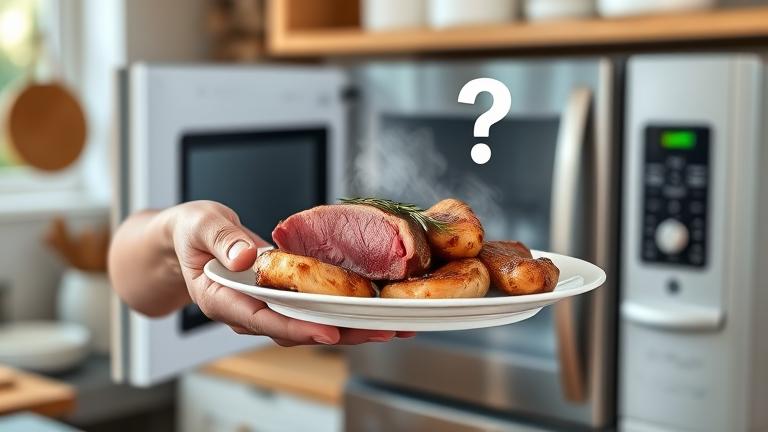
Is Cold Cooked Meat Safe to Eat?
Many home cooks wonder if it’s safe to eat cooked meat after it has been cooled and stored in the fridge or freezer. The answer depends on several important factors, including how the meat was cooked, stored, and how long it has been kept. Understanding these can help you enjoy your leftover meat safely without worries.
Firstly, cooked meat can be safely eaten cold, as long as you follow proper handling and storage procedures. When cooked meat is cooled quickly and stored at the right temperature, harmful bacteria do not have enough time to grow. However, if the meat sits out at room temperature for too long or isn’t stored properly, it can become unsafe.
Key Factors that Influence Safety
- Timing: Cooked meat should be refrigerated within two hours after cooking. If the room temperature is very warm, like above 85°F (29°C), refrigerate within one hour.
- Temperature: The refrigerator should be set to below 40°F (4°C). This temperature slows down bacterial growth and keeps meat fresh longer.
- Storage: Store cooked meat in airtight containers or tightly wrap with plastic wrap or aluminum foil. This prevents contamination and keeps the meat moist and safe.
How Long is Cooked Meat Safe to Keep?
| Type of Storage | Safe Duration |
|---|---|
| Refrigerator (below 40°F / 4°C) | 3 to 4 days |
| Freezer (0°F / -18°C or lower) | 2 to 6 months for best quality, but safe to keep longer |
After these times, the risk of bacterial growth and spoilage increases, making the meat unsafe to eat. Always check for signs of spoilage like a sour smell, slimy texture, or discoloration before consuming leftovers.
Precautions for Eating Cold Cooked Meat
- Reheat properly if you prefer hot food: Reheat leftover meat to an internal temperature of 165°F (74°C). Use a food thermometer to be sure.
- Inspect before eating: Look for any signs of spoilage, and when in doubt, it’s safer to discard.
- Keep it chilled: If you’re not eating the cold meat right away, store it promptly in the fridge or freezer.
- Don’t forget cleanliness: Always wash your hands, utensils, and surfaces after handling cooked meat.
In general, cold cooked meat is safe to eat if stored properly, eaten within the recommended time, and checked for spoilage. When you follow these simple tips, leftovers can be a convenient and delicious part of your meals without health worries.
Best Ways to Store Cooked Meat
Storing cooked meat properly is key to keeping it fresh, tasty, and safe to eat later. Whether you have leftovers from dinner or cooked meat prepared in advance, following the right storage techniques helps prevent spoilage and foodborne illnesses.
First, always cool cooked meat quickly before storing. Hot meat can raise the temperature inside your fridge, creating a perfect environment for bacteria to grow. To cool it efficiently, transfer the meat to shallow containers. This helps it chill faster and more evenly.
Once cooled, store the meat in airtight containers or wrap it tightly with plastic wrap or aluminum foil. This prevents air from reaching the meat, which can cause it to dry out or develop unpleasant odors. Properly sealed storage also keeps out contaminants and slows spoilage.
Ideal Storage Temperatures and Durations
| Storage Method | Temperature | Storage Duration |
|---|---|---|
| Refrigerator | At or below 40°F (4°C) | 3 to 4 days |
| Freezer | At or below 0°F (-18°C) | 2 to 6 months for best quality |
Keeping cooked meat within these temperature ranges helps slow bacteria growth. When storing in the fridge, make sure your appliance stays at or below 40°F. Use a refrigerator thermometer if needed to check the temperature regularly.
If you’re not planning to eat the meat within a few days, freezing is a great option. Wrap the meat tightly using freezer-specific bags or foil to prevent freezer burn. Label each package with the date so you can keep track of how long it’s been stored.
Tips for Safe Storage
- Always refrigerate or freeze cooked meat within two hours of cooking. In hot weather above 90°F, do so within one hour.
- Avoid keeping cooked meat at room temperature for long periods, as bacteria can grow quickly in the danger zone between 40°F and 140°F.
- If re-heating cooked meat, ensure it reaches an internal temperature of 165°F (74°C) to kill any bacteria.
- Divide large amounts of cooked meat into smaller portions for easier cooling and reheating.
- If you notice any weird smell, slimy texture, or discoloration, discard the meat — it’s a sign it might be spoiled.
Common Mistakes to Avoid
- Leaving cooked meat in the fridge for longer than recommended.
- Using unclean containers which can introduce bacteria.
- Refreezing cooked meat that has already been thawed, unless it was reheated thoroughly first.
- Ignoring odor, appearance, or texture changes that indicate spoilage.
By following these storage tips, you can enjoy your cooked meat safely and at its best quality. Proper storage not only preserves flavor but also protects your health. So, next time you have leftovers, remember these simple steps for safe, fresh-tasting meat whenever you want it.
How to Reheat Meat Correctly
Reheating cooked meat is a common step when enjoying leftovers, but doing it properly is important to keep the meat tasty and safe to eat. Whether you’re reheating roast beef, chicken, or steak, following some simple tips can help prevent foodborne illnesses and preserve flavor and texture.
First, always store leftover meat in an airtight container in the refrigerator within two hours of cooking. Keep the temperature below 40°F (4°C). Reheating meat that has been left out for too long increases the risk of bacteria growth. When you’re ready to reheat, ensure the meat is heated thoroughly to kill any bacteria that may have developed.
Safe Internal Temperature
The key to safe reheating is reaching the right internal temperature. For most cooked meats, heat until it reaches at least 165°F (74°C). Use a food thermometer to check. This ensures the meat is heated evenly and safely. Remember that the meat should be steaming hot all the way through, not just warm on the surface.
Methods of Reheating
- Stovetop: Place the meat in a skillet or saucepan with a little butter or broth. Cover and heat over medium heat, turning occasionally until hot. This method works well for sliced or shredded meat.
- Oven: Preheat your oven to 325°F (160°C). Wrap the meat in foil or place in an oven-safe dish. Heat for 20-30 minutes, depending on the size and type of meat. Uncover during the last few minutes if you want to crisp the outside a bit.
- Microwave: Use a microwave-safe dish and cover with a microwave lid or damp paper towel. Heat on high in short intervals, stirring or flipping the meat occasionally. Microwaves heat unevenly, so always check the temperature afterward.
Tips for Better Reheating
- Reheat only the portion you plan to eat. Repeated reheating can degrade quality and safety.
- If reheating multiple times, ensure each time the meat reaches the safe temperature.
- For best flavor, reheat meat gently. Avoid high heat which can dry out or toughen the meat.
Common Mistakes to Avoid
- Reheating meat more than once. This can increase bacteria risk and affect taste.
- Using cold meat straight from the fridge without warming it properly. This may result in uneven heating.
- Not checking the internal temperature. Relying only on appearance can be unsafe.
By following these simple steps, you can enjoy your leftover meat safely while keeping it flavorful and tender. Remember, proper storage and thorough reheating are key to delicious, safe leftovers every time.
How to Tell If Meat Has Spoiled
Knowing how to tell if cooked meat has spoiled is important for safety and enjoyment. Spoiled meat can cause foodborne illnesses, so it’s best to check carefully before eating. There are a few simple signs to look for with cooked meat, including its appearance, smell, and texture.
First, examine the visual appearance. Fresh cooked meat usually has an appealing color, depending on the type of meat. For example, cooked beef should be brown or reddish, and cooked chicken should be white or light brown. If the meat has turned a dull gray or greenish hue, that’s a warning sign. Also, look for any mold, fuzzy spots, or slimy films on the surface. These are signs of bacteria or mold growth, and it’s safest to discard the meat.
Next, smell the meat carefully. Fresh cooked meat has a pleasant, meaty aroma. If you notice a sour, rancid, or rotten smell, do not eat it. These odors indicate that bacteria are breaking down the meat, producing unpleasant gases. Sometimes, spoiled meat might have a smell that’s faint but still off. Trust your nose — if something smells wrong, it’s better to be safe.
The texture of cooked meat can also give clues about spoilage. When you handle the meat, it should feel firm and moist, not sticky or slimy. If the surface feels slimy or sticky to the touch, that’s a sign that bacteria and other microbes are growing. Also, if the meat breaks apart easily or feels unusually mushy, it may be spoiled. Remember that some sliminess can develop naturally over time, but if it’s accompanied by bad odor or discoloration, discard the meat.
Additional Tips to Spot Spoiled Meat
- Check storage times: Cooked meat typically lasts 3 to 4 days in the fridge. If it has been longer, it’s safer to throw it out.
- Watch for juices: If the juices are cloudy or have a strange color, it could mean spoilage.
- When in doubt: Trust your senses. If anything about the meat seems off, it’s better to discard it than risk illness.
Remember, it’s always better to avoid eating spoiled meat. Proper storage in airtight containers and keeping the fridge at the right temperature — below 40°F (4°C) — can help keep cooked meat safe longer. When you check your leftovers, use these signs as your general guide. If anything looks, smells, or feels wrong, it’s safest to toss it.
Cold vs. Hot Cooked Meat Nutritional Differences
When you cook meat, whether hot or cold, it can change some of its nutrients. Understanding how these methods impact the nutritional value can help you make smarter choices and prepare meat safely and deliciously. Both hot and cold cooked meats have their pros and cons when it comes to retaining vitamins, minerals, and other nutrients.
Hot cooked meat refers to meat that is freshly cooked and served warm. This can include grilling, baking, or frying. Cold cooked meat is meat that has been cooked, then cooled down and stored in the refrigerator or freezer before eating. Examples include leftovers, deli meats, or pre-cooked chicken slices.
Cooking meat at high temperatures, especially quickly, can lead to some nutrient loss. Vitamins like B vitamins and water-soluble nutrients tend to degrade when exposed to heat. For example, prolonged boiling can cause leaching of nutrients into the cooking water, so unless you use the broth or cooking liquid, some nutrients are lost.
On the other hand, cooling and storing cooked meat properly can help preserve certain nutrients over time. However, keeping it in the refrigerator for several days may still lead to a slight decrease in nutrients. For instance, vitamin C, although present in small amounts, can degrade over time especially if exposed to air or light.
Notes on Nutritional Content
- Protein: The amount of protein remains relatively stable during both hot and cold storage. Cooking makes protein easier for your body to digest, and it doesn’t significantly degrade with cooling.
- Vitamins: Heat-sensitive vitamins like B12 may degrade during high-temperature cooking, especially if overcooked. After cooling, vitamin levels generally stay stable, but prolonged storage can cause slight reductions.
- Minerals: Minerals like iron, zinc, and magnesium are stable during cooking and storage, remaining unaffected by whether the meat is hot or cold.
- Fat: The fat content generally remains consistent. However, cooking methods influence how much fat remains in the meat; frying or broiling may leave more fat in the meat compared to baking or steaming.
- Nutrient Losses: Overcooking, especially at high temperatures for long periods, can cause nutrient degradation. When cooling and storing, bacterial growth is the main concern, not nutrient loss, as long as storage is adequate.
| Aspect | Hot Cooked Meat | Cold Cooked Meat |
|---|---|---|
| Nutrient retention | Higher immediately after cooking; some vitamins may degrade quickly if overcooked | Relatively stable if stored properly; nutrients may diminish slightly over time |
| Food safety | Needs to be consumed soon after cooking to prevent bacterial growth | Requires refrigeration to prevent spoilage |
| Flavor & texture | Fresh, juicier, often more flavorful | Can be less moist but convenient for cold dishes like sandwiches or salads |
| Nutrition | Maximum nutrient retention if handled correctly | Good for leftovers, but be mindful of storage time and conditions |
Understanding these differences can help you decide how to best prepare, store, and enjoy your meat to maximize both health benefits and taste. Quick cooking methods such as steaming or grilling preserve more nutrients, while proper chilling and timely consumption of leftovers help retain nutritional quality over time.
Delicious Recipes with Cold Meat
Cold cooked meat is a versatile ingredient that can be transformed into many tasty dishes. Whether you have leftovers from a roast or simply want a quick and satisfying meal, incorporating cold meat is an easy solution. From sandwiches to salads, the options are endless.
Using cold meat saves time and adds a rich, meaty flavor to your recipes. Plus, it’s perfect for busy days when you need something fast but still flavorful. Let’s explore some simple and delicious ways to make the most of your cold cooked meat.
1. Classic Meat Sandwiches
This is probably the easiest and most popular way to enjoy cold meat. Simply take your favorite bread, such as a baguette, sandwich bread, or pita, and layer on slices of cold cooked meat like roast beef, turkey, or ham.
Add some fresh toppings like lettuce, tomato, pickles, or cheese. For extra flavor, spread a little mustard, mayonnaise, or horseradish. Wrap it up or cut it in half, and you have a quick, satisfying meal that’s perfect for lunch or a snack.
2. Cold Meat Salad
Cold meat works wonderfully in salads, adding protein and richness. Chop or shred your leftover cooked meat into bite-sized pieces. Combine with fresh greens like spinach, lettuce, or arugula.
Mix in chopped vegetables such as cucumbers, bell peppers, and red onions. For a burst of flavor, add hard-boiled eggs, cheese crumbles, or olives. Dress with a simple vinaigrette or creamy dressing, and you’ve got a healthy, filling salad ready in minutes.
3. Warm Up with Skillet Frittata
If you prefer warm dishes, try adding cold cooked meat to a frittata. Beat some eggs in a bowl, then stir in diced cold meat along with vegetables like spinach, mushrooms, or peppers. Pour everything into a greased skillet and cook over medium heat until set.
This method is great for using up leftovers and makes a hearty breakfast or dinner. The cold meat warms through during cooking, and it’s a wholesome, flavorful meal.
4. Hearty Wraps and Burritos
Create a portable meal by wrapping slices of cold meat in tortillas with your favorite fillings. Add beans, rice, cheese, salsa, or avocado for a Mexican-inspired burrito. Or go for a fresh veggie wrap with lettuce, cucumber, and a tangy sauce.
This is perfect for lunch on the go. Simply layer ingredients on the tortilla, roll it up tightly, and slice in half. It’s quick to prepare and great for leftovers too.
5. Stuffed Vegetables
Turn cold cooked meat into a filling for vegetables like bell peppers, zucchini, or tomatoes. Chop the meat finely and mix with cooked grains such as rice or quinoa, herbs, and a little cheese or tomato sauce.
Stuff the mixture into halved vegetables, place in a baking dish, and bake until heated through and tender. This makes an impressive and tasty main dish that also looks colorful on the plate.
Tips for Using Cold Meat
- Always store cooked meat in the refrigerator within two hours of cooking. Use leftovers within 3-4 days to ensure freshness and safety.
- If reheating, do so thoroughly to an internal temperature of 165°F (74°C). For cold recipes, ensure meat is properly cooled before adding to salads or wraps.
- Mix and match different meats and herbs to create new flavor profiles. For example, use turkey with sage or roast beef with horseradish for extra punch.
These ideas show just how adaptable cold cooked meat can be. With a little creativity, you can turn leftovers into delicious, satisfying meals that save time and reduce waste.
FAQs About Eating Cold Cooked Meat
Many people wonder if it is safe and tasty to eat cooked meat cold. Whether you enjoy leftovers or plan to prepare meals ahead, understanding the ins and outs of eating cold cooked meat is useful. Here are some common questions answered to help you feel confident and informed about this practice.
Is it safe to eat cooked meat cold?
Generally, yes. Cooked meat can be eaten cold as long as it has been stored properly. The key is to keep it refrigerated at or below 40°F (4°C) and avoid leaving it out at room temperature for more than two hours. Proper storage prevents bacteria from multiplying, making cold eatings safe.
However, some meats might not taste as good when cold, and certain types may have a different texture or flavor. Always use your senses—smell, look, and feel—to check if the meat is still good before eating it cold.
How should I store cooked meat to ensure safety?
To keep your cooked meat safe to eat later, place it in an airtight container or tightly wrap it in foil or plastic wrap. Store it in the refrigerator within two hours after cooking. The colder the storage temperature, the better.
Cooked meat typically stays good for 3 to 4 days in the fridge. For longer storage, you can freeze it for up to 2 to 6 months, depending on the type of meat. Always label your containers with the date to track freshness.
Can I reheat cooked meat, and is it safe to eat cold afterward?
Absolutely. You can reheat cooked meat if you want it warm again, but eating it cold is just as safe if it has been stored properly. Reheating ensures the meat reaches an internal temperature of 165°F (74°C) to kill any bacteria present.
If you prefer cold meat, simply take it out of the fridge and enjoy. Just be sure it smells and looks normal before eating. Reheating multiple times is not recommended because this can increase the risk of spoilage and bacteria growth.
Are there any meats that shouldn’t be eaten cold?
Most cooked meats are fine to eat cold, but be cautious with certain items like seafood, which can spoil more quickly. Also, meats with sauces or marinades containing dairy or eggs should be stored carefully to prevent bacteria growth.
Some people find that cold pork or chicken can be dry or less appealing, but this is a matter of taste. If you’re unsure, heat the meat first to enjoy it warm or check for any signs of spoilage before eating cold.
What are some practical ways to enjoy cold cooked meat?
- Include slices in a salad for added protein and flavor.
- Use shredded meat in sandwiches or wraps, paired with fresh vegetables and dressings.
- Create a cold meat platter with cheeses, fruits, and nuts for parties or snacks.
- Add cold cooked beef or chicken to pasta salads for a satisfying meal.
Remember, eating cold cooked meat can be convenient and delicious when handled safely. Just follow proper storage and hygiene habits, and you’ll enjoy your leftovers with confidence.