
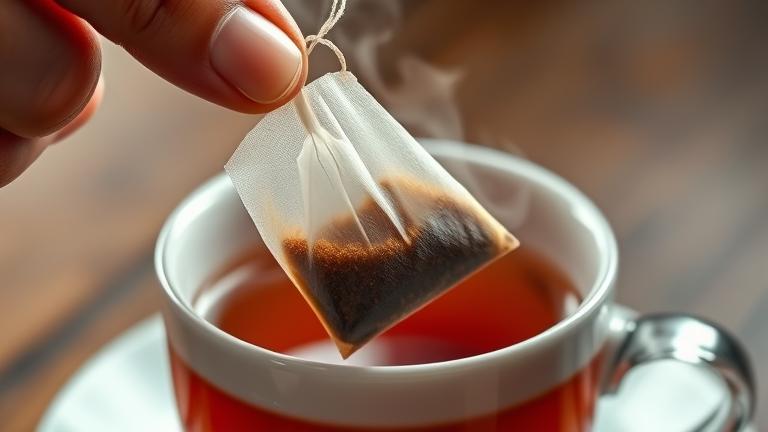
Are Tea Bags Edible or Harmful?
Many people wonder if tea bags are safe to eat or if they should be kept separate from their tea-drinking experience. Usually, tea bags are designed to hold dried tea leaves and are not meant to be consumed directly. However, sometimes people accidentally or intentionally bite into or even eat the tea bag. So, is it safe to do so? Let’s explore what tea bags are made of and the possible health risks.
Most tea bags are made from paper, silk, or nylon, and sometimes contain small amounts of synthetic material. The paper used is often biodegradable and food-grade, but some cheaper or mass-produced tea bags may have glue or other adhesives. These glues are typically not meant for ingestion and might contain chemicals you wouldn’t want to digest. Synthetic materials like nylon or PET are heat-resistant but are generally not designed to be eaten. They could potentially release harmful chemicals if consumed in large amounts.
Many tea bags also contain tiny perforations or seams that can easily shed small fibers or particles into your tea. These fibers are usually safe in small quantities but can be problematic if consumed regularly or in large amounts. If a tea bag is torn or damaged, tiny shredded pieces could end up in your drink or be accidentally swallowed.
In terms of health risks, accidentally ingesting small bits of tea bag material generally isn’t dangerous. The fibers are often made from food-safe or biodegradable materials. However, there is some concern about added components like glue or synthetic fibers, which are not food-grade. Eating large amounts of synthetic fibers or glue could potentially cause stomach upset or other issues.
Some people do choose to carefully open their tea bags and eat the tea leaves directly, which is considered safe if the tea bag is made from natural, food-safe materials. For example, a paper tea bag with no artificial glues, or a tea bag labeled as biodegradable, is more likely to be safe for eating. But always check the packaging and ingredients if you’re considering this.
Here’s a practical tip: if you want to enjoy the tea leaves, it’s safer to buy loose leaf tea. Loose leaf tea provides the same flavor experience without the risk of ingesting unwanted materials. If you do decide to eat tea leaves, do so in moderation and only from trusted, food-safe sources.
- Always check the packaging for information about the materials used.
- Avoid eating tea bags with synthetic fibers or artificial glues.
- If in doubt, stick to drinking the tea and discard the bag.
- Buy loose leaf tea for a safer and more natural option.
To sum up, while most tea bags are safe to handle and use for brewing, they are not typically meant to be eaten. There may be some minor health risks if you try to consume parts of the bag regularly, especially if it contains synthetic or glue components. When in doubt, it’s best to use the tea bags as intended—to brew and enjoy your favorite tea, and opt for loose leaf if you’re curious about eating the leaves directly.
What Happens if You Eat a Tea Bag?
If you’ve ever accidentally or intentionally eaten a tea bag, you might wonder what could happen to your body. While most tea bags are made from materials that are meant to hold tea leaves, ingesting one isn’t typically dangerous, but it’s good to know what to expect and when to seek help.
Eating a tea bag usually won’t cause serious harm, especially if it’s just a small piece or if it’s accidental. Tea bags are often made from paper, silk, or biodegradable materials that are designed to break down or pass through your digestive system. However, swallowing a whole tea bag or larger pieces can lead to some discomfort or minor health issues.
Possible Effects on Your Body
The main concern when eating a tea bag is the material it’s made from. Most are non-toxic, but some contain glue, staples, or dyes that aren’t meant to be ingested. If a staple or glue is present, it could potentially cause a physical barrier or irritation in your digestive system.
Common symptoms after swallowing a tea bag may include mild stomach upset, nausea, or a feeling of fullness. If the tea bag’s contents, like tea leaves or herbs, are chewed or broken open, they may cause minor stomach discomfort or laxative effects depending on the ingredients.
Health Implications to Watch For
- If the tea bag gets stuck in your throat or esophagus, it can cause choking or discomfort. Symptoms include difficulty swallowing, pain, or a sensation of something being stuck.
- In rare cases, if a staple or harmful adhesive is ingested, it can cause damage to your digestive tract or lead to choking.
- If you notice persistent pain, vomiting, or blood in your stool, seek medical attention immediately.
What to Do If You Accidentally Swallow a Tea Bag
- Remain calm. Small pieces often pass through your system without issue.
- Drink plenty of water to help move the material along.
- Monitor yourself for any symptoms such as pain, difficulty swallowing, or vomiting.
- If you swallowed a whole or large piece, or if you suspect any dangerous material like staples or glue, contact a healthcare professional right away.
- Do not try to induce vomiting unless instructed by a medical expert.
Tips for Safe Consumption
- Remove staples, strings, or tags before using a tea bag, especially if you plan to swallow small pieces on purpose.
- Don’t chew or break open a tea bag unless it’s intended for edible purposes and made safe for ingestion.
- Store tea bags out of children’s reach to prevent accidental swallowing.
- If you’re unsure about the material or ingredients of a tea bag, it’s best not to consume it whole.
In general, swallowing a small piece of tea bag occasionally isn’t a big concern, but always keep an eye on symptoms and seek medical help if anything unusual occurs. Being cautious and informed helps ensure that your tea experience remains safe and enjoyable.
Nutritional Value of Tea Bags
Tea bags are a popular way to enjoy a warm, soothing drink, but many people wonder about their nutritional benefits. While tea is often appreciated for its flavor and calming effects, it also contains several important compounds that can contribute to your diet.
At the core of tea’s health benefits are antioxidants, which are molecules that help protect your cells from damage caused by free radicals. These antioxidants belong mainly to a class called catechins in green tea and theaflavins in black tea. Drinking tea regularly can boost your intake of these powerful antioxidants, which research suggests may support overall health and reduce the risk of some chronic diseases.
Tea also contains small amounts of essential minerals like manganese, potassium, magnesium, and some trace elements. Although these minerals are present in tiny quantities, they still contribute to your daily mineral intake, especially if you drink several cups a day.
When you steep a tea bag, certain compounds are released into the water. Besides antioxidants and minerals, tea contains caffeine, a natural stimulant that can help increase alertness and reduce fatigue. The caffeine content depends on the type of tea and the brewing time. Typically, a standard cup of black tea contains about 40-70 milligrams of caffeine, while green tea has around 20-45 milligrams.
It’s worth noting that tea contains very few calories unless you add sugar, honey, milk, or other flavorings. Therefore, drinking tea is a low-calorie beverage option, making it suitable for those watching their calorie intake.
Are There Dietary Benefits?
- Antioxidants: Drinking tea can help increase your antioxidant levels, which are linked to lower risks of heart disease and some cancers.
- Hydration: Since tea is mostly water, it contributes to your daily fluid intake, aiding in hydration.
- Metabolism Boost: Caffeine in tea can help temporarily boost your metabolism and improve alertness.
However, it’s important to remember that the nutritional content of tea bags depends on the quality of the tea and brewing method. For example, oversteeping can lead to a bitter taste and increased caffeine, which might cause jitters or sleep disturbances in some people.
To maximize the health benefits, try to choose high-quality, loose-leaf teas or premium tea bags that contain whole or minimally processed leaves. Steep your tea for about 3 to 5 minutes for black or green tea, which helps extract the beneficial compounds without releasing excess tannins that can make the tea bitter.
While tea does contain beneficial compounds, it’s not a substitute for a balanced diet rich in fruits, vegetables, whole grains, and lean proteins. Think of it as an enjoyable addition that can support your overall wellness.
When Can You Eat Tea Bags?
Most tea bags are designed to be steeped in hot water and then discarded, but sometimes people wonder if it’s safe to eat the tea bag itself. In general, tea bags are not meant to be eaten because they contain materials not designed for digestion. However, there are a few specific situations where eating tea bags might be considered safe or acceptable.
First, it’s important to know what tea bags are made of. Many traditional tea bags are made from paper, silk, or food-grade plastic. Paper tea bags are often bleached or processed, which can leave residues that are not suitable to consume. Some newer tea bags use biodegradable or compostable materials that might be safer if accidentally ingested in small amounts.
When Can You Safely Eat Tea Bags?
- In a culinary or artistic context: If you are making edible crafts or experimenting with dried tea leaves, you might need to open a tea bag and use the contents. In this case, it’s best to use pure tea leaves or herbal ingredients rather than the bag itself.
- When the tea bag is made from edible materials: Some specialty tea bags are designed for direct consumption. These types are usually made from edible, transparent, or biodegradable materials that are safe to eat. Always check the packaging or supplier information to confirm if the bag is edible.
- For certain herbal teas: If the tea bag contains dried herbs and is labeled as safe for consumption, some people choose to eat the entire bag, especially if it’s made from edible fabric. This is more common with herbal or fruit teas rather than traditional black or green teas.
When Should You Avoid Eating Tea Bags?
Most of the time, it’s better to avoid eating tea bags because of potential safety issues. The main risks include ingestion of non-edible materials, residues from processing or bleaching, and possible contaminants.
Here are some common reasons to steer clear:
- Non-edible materials: Many tea bags contain glue, staples, or plastic that are not meant to be ingested. Eating these can cause choking or digestive issues.
- Contaminants or chemicals: Some tea bags have been treated with chemicals during manufacturing, which should not be consumed.
- Unpleasant taste or texture: Even if eating the bag is not harmful, it often tastes bad and can irritate your mouth or stomach.
Special Considerations
If you’re interested in eating tea bags for health reasons or as part of a creative recipe, always check the packaging and contact the manufacturer if needed. Some brands now market edible tea bags, especially for herbal teas, which are safe to eat and even include edible ingredients like flower petals or dried herbs.
In summary, most tea bags are intended only for steeping and should not be eaten unless specified as edible. When in doubt, play it safe and remove the tea leaves from the bag before eating or drinking. Always prioritize safety and choose products meant for consumption if you plan to eat the contents or the bag itself.
How to Safely Consume Tea Bags
If you’re interested in consuming tea bags directly, whether for their flavor, health benefits, or just curiosity, it’s important to do so safely. Tea bags are designed to be steeped in hot water and then discarded, but some people prefer to consume the bag or the contents directly. Here are practical guidelines and precautions to keep in mind.
Understanding the Risks
Tea bags are made from paper, silk, or sometimes nylon, and they often contain herbs, tea leaves, or other plant materials. While most tea bags are safe to steep and drink, consuming them directly can pose some risks. Some materials used in the bag or binding agents may not be intended for ingestion.
Additionally, tea leaves themselves contain tannins and other compounds that, if consumed in large amounts, might cause digestive issues. Always consider whether the benefits outweigh the potential downsides before trying to eat or swallow the bag contents.
Preparation Tips for Safe Consumption
- Choose high-quality, food-grade tea bags: Select brands that specify their bags are safe for ingestion or made from edible materials. Some companies produce tea bags specifically labeled as “edible”.
- Open the tea bag carefully: If you wish to consume the contents, gently cut open the bag using clean scissors. Avoid tearing or ripping the bag into small pieces that could pose choking hazards.
- Use fresh, clean water: If you plan to make a tea infusion and then consume the tea bag contents, always use filtered or boiled water to ensure safety.
- Limit consumption of the bag: Eating the entire bag in one sitting is generally not recommended. Instead, try tasting a small amount of the contents first.
Precautions to Keep in Mind
Before deciding to consume tea bags directly, remember these safety tips:
- Avoid plastic or nylon bags: Some tea bags contain synthetic materials that are not safe to ingest. Always check the packaging or opt for biodegradable, natural fiber bags.
- Be wary of added ingredients: Herbal or flavored teas may contain essential oils, herbs, or additives that are not intended for consumption in large quantities. Check ingredient lists carefully.
- Watch out for choking hazards: Small pieces or remnants of the bag could pose a choking risk, especially if you are not careful when opening or eating the contents.
- Consult your healthcare provider: If you have health conditions or are pregnant, talk to your doctor before consuming tea bag contents as some herbs or compounds might interact with medications or affect health.
Enjoying Tea Safely
Most people safely enjoy tea by steeping the bag in hot water and then discarding it. If you choose to go beyond that and consume the bag or its contents, take it slow. Start with small amounts and pay attention to how your body responds.
Remember, moderation and awareness are key. When in doubt, stick to drinking the brewed tea and enjoy its flavors and health benefits without risking unnecessary complications.