
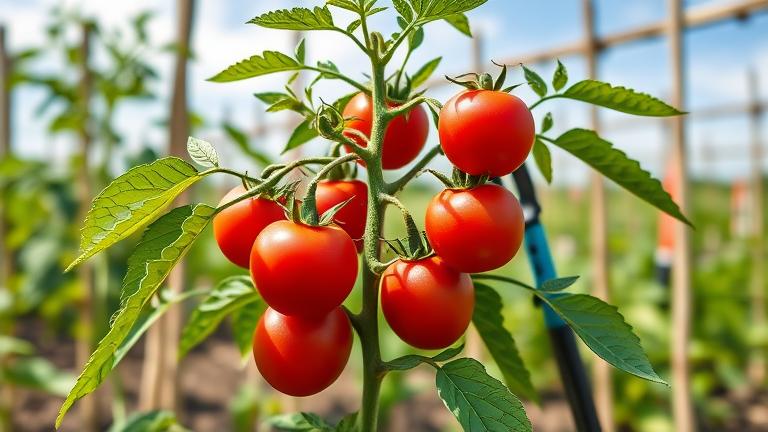
Tomato Plant Life Cycle Overview
The life cycle of a tomato plant is a fascinating journey that begins with tiny seeds and ends with ripe, juicy tomatoes. Understanding the different stages of growth can help you care for your plants better and enjoy a bountiful harvest. Each phase has its own characteristics and timeframes, so let’s explore what to expect along the way.
The process starts with planting the seeds. Tomato seeds are small but hold all the information needed to grow a healthy plant. When conditions are just right—warm soil, plenty of light, and consistent moisture—they will sprout and begin their journey. The first stage is the seedling phase, usually lasting 1 to 2 weeks after germination, during which the tiny plant pushes out its first leaves, called cotyledons. These look different from the true leaves that develop later, signaling the beginning of active growth.
Seedling Stage
During this initial phase, the tomato plant concentrates on establishing its root system and growing strong enough to support future development. Keep the soil moist but not soaked, and ensure the seedlings receive plenty of light, ideally around 12-16 hours a day if grown indoors. Watch out for signs of damping-off disease, which can cause seedlings to wilt and die. To prevent this, avoid overwatering and use well-draining soil.
Vegetative Growth
Once the seedlings develop a few true leaves, they enter the vegetative stage. This phase lasts for several weeks, typically 4 to 8 weeks depending on the variety and growing conditions. During this time, the plant grows rapidly, developing stems, branches, and leaves. It’s the best time to fertilize lightly with a balanced fertilizer and ensure the plant has enough space to grow. Strong, healthy foliage is essential for producing good fruit later on.
Flowering and Fruit Set
After the plant has established a sturdy framework, it will start to produce flowers, usually around 8 to 12 weeks after planting. These yellow or orange blossoms are the first indication that fruit will follow. Pollination occurs when pollen from the male parts of the flower lands on the female parts. This process can happen naturally with the help of bees, or you can gently shake the plant to encourage pollination. Once pollinated, flowers begin to develop into small green tomatoes.
Ripening and Harvesting
The final stage is the ripening phase. Green tomatoes gradually turn red, yellow, or orange depending on the variety. This process can take anywhere from 20 to 50 days after fruit set. During this time, tomatoes need consistent warmth and plenty of sunlight to ripen fully. Keep an eye on the tomatoes, and harvest them when they are fully colored and slightly soft to the touch. Picking at the right time ensures the best flavor and texture.
- Keep in mind that weather, soil quality, and care practices can influence how long each stage lasts.
- Under ideal conditions, your tomatoes may go from seed to harvest in about 70 to 100 days.
- Monitor your plants regularly to catch problems early and support healthy development.
By understanding each phase of the tomato plant’s life cycle, you can provide the right care at the right time. Whether you’re starting from seed or transplanting young plants, knowing what to expect helps you enjoy growing delicious tomatoes all season long.
Factors Affecting Tomato Longevity
Tomatoes are a popular and rewarding garden crop, but their longevity can vary based on several important factors. Knowing what influences how long a tomato plant lives can help you take better care of your plants and enjoy fresh tomatoes for more extended periods.
One of the main elements affecting tomato plant lifespan is the environmental conditions. Tomatoes prefer a warm climate with plenty of sunlight. They need at least six to eight hours of direct sun daily to grow strong and healthy. If your plants are shaded or experience cooler temperatures, their growth may slow down, and they might not live as long. High winds or heavy rain can also stress plants, causing damage or making them more vulnerable to diseases.
Another essential factor is soil quality. Well-drained, nutrient-rich soil helps tomatoes thrive and stay healthy longer. Soil that holds too much water can lead to root rot, a common problem that shortens a plant’s life. Testing your soil before planting can help determine if it needs amendments, such as compost or organic fertilizers. Good soil improves plant resilience, allowing tomatoes to resist pests and diseases better, which in turn boosts their longevity.
Proper watering practices are also key. Tomatoes need consistent moisture, but overwatering can cause problems like fungal diseases or rotten roots. Underwatering leads to stressed plants that may not produce or last as long. A good rule of thumb is to water deeply when the top inch of soil feels dry. Mulching around the base of the plant helps retain moisture, regulate soil temperature, and reduce weed competition.
Plant care practices, including pruning and staking, greatly impact how long tomato plants live. Removing suckers, the small shoots that grow between the main stem and branches, encourages better airflow and prevents disease. Supporting plants with stakes or cages keeps them upright, reduces broken branches, and makes harvesting easier. Regularly inspecting plants for pests or signs of disease allows for quick treatment, preventing issues from spreading and shortening the plant’s lifespan.
Another consideration is the variety of tomato you choose. Some heirloom or heirloom-type tomatoes tend to be more vigorous but might have shorter seasons, while certain cultivars are bred for robustness and longer life, especially when grown as perennials in suitable climates. Understanding the characteristics of your chosen variety helps you set realistic expectations for how long your plant can thrive.
Finally, seasonal changes and weather conditions play a role. Tomatoes are mostly annuals, meaning they complete their life cycle within a year. In warmer climates, some varieties can be grown as perennials and live for multiple years, extending their lifespan with proper winter protection. However, in most cases, cold weather signals the end of the tomato plant’s life, regardless of how healthy it appears.
- Consistent sunlight and warm temperatures boost longevity.
- Healthy soil and proper watering prevent stress and disease.
- Pruning, staking, and regular inspection help maintain plant health.
- Choosing the right variety suited to your climate can extend life.
Paying attention to these factors can help your tomato plants reach their full potential longer, providing you with abundant harvests and a more enjoyable gardening experience.
How Climate Influences Tomato Plants
Tomato plants are quite sensitive to their environment. The climate and weather patterns around you can significantly affect how healthy your plants grow and how long they last. Understanding these factors helps you create the best conditions for a bountiful harvest.
Temperature is one of the most important elements to consider. Tomatoes thrive best when daytime temperatures are between 70 and 85 degrees Fahrenheit. If it gets too hot, above 90 degrees, the plants may stop setting fruit and can even become stressed. Conversely, when temperatures drop below 55 degrees, especially at night, growth slows, and the plants can suffer from cold damage. This means that in very hot or very cold climates, your tomato plants might have a shorter growing season or need extra care.
Rainfall and moisture also play big roles. Tomatoes need consistent watering to stay healthy, but too much rain can cause problems like root rot, fungal diseases, or fruit splitting. If your area experiences heavy rainfall, make sure your plants are well-drained and consider using mulch to help control soil moisture. Drought conditions can stress plants, reduce yields, and make them more susceptible to pests and diseases.
Sunlight is another crucial factor for tomatoes. These plants love full sun, which means at least 6 to 8 hours of direct sunlight each day. Less sunlight can lead to leggier, weaker plants with fewer fruits. During shorter days or cloudy seasons, your tomato plants might produce less or ripen later than usual. If you’re growing tomatoes indoors or in less sunny spots, using grow lights can help compensate for the reduced natural light.
The length of your growing season is directly impacted by climate. In warm regions with long, stable summers, tomatoes can grow and produce fruit for many months. However, in cooler or unpredictable climates, the growing season may be short. To extend the lifespan of your tomato plants, consider starting them indoors early or choosing varieties suited for your climate, such as early-maturing or cold-tolerant types.
Another factor to keep in mind is weather extremes like storms, high winds, or sudden frosts. These events can damage plants, delay flowering, or even wipe out entire crops. Mulching, windbreaks, and frost covers can help protect your tomatoes in unpredictable weather.
In summary, the best way to support healthy, productive tomato plants is to pay attention to your local climate conditions. Adjust watering schedules, provide optimal sunlight, and protect your plants from extreme weather. By doing so, you can extend your plant’s lifespan and enjoy a delicious harvest longer.
Common Diseases and Pests
Tomato plants are popular in many gardens, but they can be vulnerable to various diseases and pests. Knowing what to look out for and how to manage these issues can help you keep your tomatoes healthy and productive.
Common Tomato Diseases
Several diseases can affect tomato plants, leading to poor growth or ruined fruit. The most common ones include early blight, late blight, and fusarium wilt.
- Early Blight: This fungal disease causes dark spots on leaves that eventually turn yellow and drop off. It often appears in hot, humid weather. To prevent early blight, space your plants well for good air circulation and remove any infected leaves promptly.
- Late Blight: Recognized by grayish, water-soaked spots on leaves and green fruit, late blight can cause rapid decay. It thrives in wet weather. Use resistant varieties if possible, and avoid overhead watering to keep leaves dry.
- Fusarium Wilt: This soil-borne fungus causes yellowing and wilting, usually starting from the bottom of the plant. To prevent it, rotate crops each year and avoid planting tomatoes in infected soil.
Pest Problems in Tomato Plants
Besides diseases, pests can also wreak havoc on your tomato plants. Common pests include aphids, tomato hornworms, and whiteflies.
- Aphids: These tiny insects suck sap from the leaves, causing curling and yellowing. They can also transmit diseases. Control aphids by spraying plants with a strong jet of water or applying insecticidal soap.
- Tomato Hornworms: Large, green caterpillars that can quickly defoliate your plants. Hand-pick them when you see them or use organic insecticides if needed. Leaving a few behind can help natural predators like birds and parasitic wasps thrive.
- Whiteflies: Small white insects that congregate on the undersides of leaves. They produce a sticky substance called honeydew, which leads to sooty mold. Control whiteflies with yellow sticky traps and insecticidal soap sprays.
Prevention and Management Tips
Many garden problems are easier to prevent than to treat. Here are some friendly tips to keep your tomato plants healthy:
- Choose disease-resistant tomato varieties when possible.
- Plant in well-draining soil and avoid overwatering to reduce fungal issues.
- Space plants properly to improve air circulation and reduce humidity around leaves.
- Keep your garden clean by removing fallen leaves and infected plant parts.
- Monitor regularly for pests and diseases, catching issues early makes management easier.
By staying vigilant and practicing good garden hygiene, you can minimize problems and enjoy a bountiful harvest of tasty, healthy tomatoes.
Tips to Extend Plant Lifespan
Growing healthy tomato plants can be very rewarding, but sometimes they don’t live as long as we’d like. With a few simple tips and best practices, you can help your tomato plants thrive longer, produce more fruit, and stay healthy throughout the season. Whether you’re a beginner or experienced gardener, these practical strategies—focusing on watering, pruning, and fertilization—can make a big difference.
Proper Watering Techniques
One of the most important factors in extending your tomato plants’ lifespan is consistent and proper watering. Tomatoes dislike both dry spells and waterlogged soil. To keep your plants happy:
- Water deeply and less often instead of shallow, frequent watering. This encourages strong roots that reach deep into the soil for moisture.
- Aim to water early in the day. This allows excess moisture on the leaves to dry, reducing the risk of disease.
- Use a soaker hose or drip irrigation system if possible. It delivers water directly to the roots and minimizes splash-up that can spread diseases.
- Check soil moisture regularly by feeling the top few inches. If it feels dry, it’s time to water.
Avoid overhead watering late in the day, as wet leaves overnight can promote fungal infections. Proper watering reduces stress on your plants and helps them stay healthy longer.
Pruning for Longevity
Pruning is another key practice to extend your tomato plants’ lifespan. By removing excess or damaged foliage, you allow the plant to focus its energy on healthy growth and fruit production. Here’s how to prune effectively:
- Remove suckers — these are small shoots that grow in the joint between the main stem and a branch. Cutting them back keeps the plant tidy and promotes better airflow.
- Prune lower leaves that touch the soil or show signs of disease. This improves air circulation and reduces the chance of rot.
- Stop pruning once the plant begins to set fruit heavily. Over-pruning can stress the plant and reduce yield.
- Use clean, sharp scissors or pruning shears to make smooth cuts. Dirty tools can spread disease.
Remember, gentle pruning can extend the productive life of your plants without reducing overall fruit yield. Keep an eye on the plant’s overall health and remove only what’s necessary.
Fertilization and Feeding
Feeding your tomato plants with the right nutrients helps them stay vigorous and extends their lifespan. A balanced approach is best:
- Start with a fertilizer high in phosphorus during flowering to support fruit production.
- Switch to a fertilizer with higher potassium once plants begin setting fruit. This helps improve fruit quality and plant resilience.
- Apply fertilizer regularly, but avoid overfeeding. Too much nitrogen can lead to lush foliage at the expense of fruit and can make plants more susceptible to pests and diseases.
- Use organic options like compost tea or fish emulsion for a gentle, steady nutrient supply.
Monitor your plants for signs of deficiency, such as yellowing leaves or poor growth, and adjust feeding accordingly. Healthy, well-nourished plants tend to live longer and produce more tasty tomatoes.
Additional Tips for a Longer Life
- Mulch around the base of plants to conserve moisture and suppress weeds.
- Ensure good air circulation by spacing plants properly. This also reduces disease risk.
- Rotate crops each year to prevent soil-borne diseases from building up.
- Keep an eye out for pests and diseases. Early detection allows for easy treatment and can save your plants.
By following these friendly, practical tips for watering, pruning, and fertilizing, you can extend the life of your tomato plants and enjoy a bounty for longer. Remember, healthy plants grow stronger and last longer, so pay attention to their needs and give them the care they deserve.
When to Replant or Replace
Knowing when to replant or replace a tomato plant is key to maintaining a healthy, productive garden. Tomatoes typically have a growing season, and signs that they’ve reached the end of their useful life will help you decide when it’s time for a new plant. Recognizing these indicators ensures you get the most out of your gardening efforts and helps prevent problems from spreading to other plants.
One of the first signs that your tomato plant may need replacing is a decline in overall health. If the plant shows persistent yellowing leaves, stunted growth, or continues to produce fewer tomatoes despite proper care, it might be reaching the end of its life cycle. These symptoms suggest that the plant’s vitality has diminished, and it may no longer produce quality fruit.
Another common indicator is the presence of disease. Tomato plants can suffer from issues like blight, wilt, or spots caused by fungi or bacteria. If these problems are widespread or difficult to control with treatments, it’s best to remove the affected plants. Leaving diseased plants in the garden can spread infections to neighboring plants, jeopardizing your entire crop.
Additionally, observe the plant’s fruit production. If your tomato plant is flowering but producing few or no ripe tomatoes after several weeks, it could mean the plant is past its prime. Sometimes, environmental factors like insufficient sunlight or inconsistent watering cause poor yields, but if these aren’t issues, it might be time to replace the plant.
Timing is important for replanting. Most gardeners find that replacing tomato plants in early to mid-summer works well, allowing new plants enough time to grow and produce before the season ends. If you’re planting in a warmer climate or in a greenhouse, you might have a longer growing window. Always check local planting calendars to match your region’s growing seasons.
Before replanting, prepare the soil properly. Remove all remnants of the old plant, including roots, to prevent disease carryover. Improve soil health by mixing in compost or organic matter, which provides essential nutrients for your new tomato plants. Choosing disease-resistant varieties can also help reduce future problems and extend the productive life of your garden.
Remember that some factors such as plant stress or environmental shocks can cause temporary poor performance. If your plant shows early signs of trouble, consider adjusting watering, fertilizing, or providing shade. If these measures don’t improve the plant’s health after a few weeks, it’s likely time for a replacement.
- Check for sickly or yellowing leaves that don’t recover.
- Watch for signs of disease like spots, wilt, or mold.
- Monitor fruit production and overall growth rate.
- Time your replanting to suit your climate and season.
- Prepare soil carefully to give your new plant the best start.
Replacing your tomato plant when necessary helps keep your garden healthy and productive. With some observation and timely action, you can enjoy a steady supply of fresh, delicious tomatoes throughout the season.
Growing Tomato Plants Successfully
Starting with Healthy Seeds
To grow tomato plants that flourish, it all begins with choosing good seeds. Look for varieties suited to your climate and growing season. Selecting high-quality, disease-resistant seeds can give you a strong start. Before planting, you can soak the seeds in water for a few hours to encourage faster germination.
Preparing Your Growing Space
Tomatoes love plenty of sunlight, so pick a spot that gets at least six hours of direct sun each day. Ensure the soil is well-draining and rich in organic matter. If your soil is heavy or clay-like, consider mixing in compost or peat to improve its texture. You might also start seeds indoors 6-8 weeks before the last expected frost to extend your growing season.
Planting Tips
When planting tomato seedlings or seeds, space them about 18 to 24 inches apart. If planting seedlings, bury them deep—up to the first set of true leaves. This encourages the development of a strong root system. Water gently after planting and mulch around the plants to keep the soil moist and suppress weeds.
Watering and Feeding
Consistent watering is key for healthy tomato plants. Keep the soil evenly moist but not waterlogged. Deep watering once or twice a week often works best. During hot summer days, you might need to water more frequently. Feed your plants with a balanced fertilizer high in phosphorus and potassium once they start flowering. Avoid over-fertilizing, which can lead to lush foliage but fewer tomatoes.
Supporting Your Plants
Tomatoes can become heavy with fruit, so supporting them keeps the plants healthy and prevents damage. Use stakes, cages, or trellises to hold up the plants. Tie the main stem loosely with soft ties to avoid damaging the plant. Regularly check for and remove any suckers—small shoots in the joint between the main stem and branches—that can divert energy from fruit production.
Pest and Disease Control
Common pests include aphids, whiteflies, and tomato hornworms. Check your plants regularly and remove pests by hand or use natural predators like ladybugs. Good air circulation and proper spacing help prevent diseases like blight and blossom end rot. If you notice problems early, treat affected plants with organic solutions or fungicides as necessary.
Harvesting at the Right Time
Tomatoes taste best when fully ripe. Look for uniform color and a slight softness to the fruit. Gently twist and pick the tomatoes to avoid damaging the plant. Regular harvesting encourages plants to produce more fruit and prevents overripe fruit from attracting pests.
Extended Care and Storage
After harvest, watermelon, peppers, or other companion plants can be grown nearby for a diverse garden. Store tomatoes at room temperature for best flavor—refrigeration can ruin their texture and taste. If you have surplus tomatoes, consider preserving them by canning, freezing, or drying for later use.
With patience and care, growing tomato plants can be a rewarding experience that yields delicious homegrown produce. Keep observing your plants, adjusting your practices, and most importantly, enjoy the process from seed to harvest.