
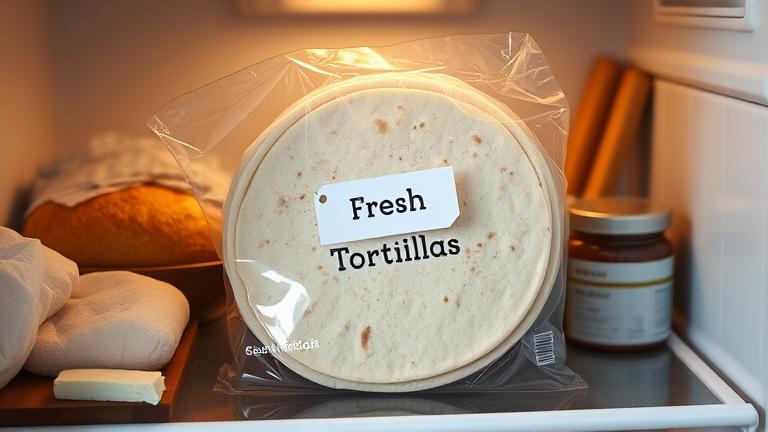
How Long Do Flour Tortillas Stay Fresh?
Knowing how long flour tortillas stay fresh in the refrigerator can help you avoid eating spoiled or stale ones. Flour tortillas are a popular staple in many households because they’re versatile and easy to use. However, like all fresh baked goods, they don’t last forever. Proper storage can extend their shelf life and keep them tasting their best.
Generally, flour tortillas stored in the refrigerator stay fresh for about 4 to 7 days. This range depends on their freshness when purchased and how well they are stored. If you buy them fresh from the store’s bakery section, they might last closer to a week. If they are pre-packaged and stored from the start, their expiration date printed on the packaging is a good guideline to follow.
To maximize their freshness, keep your tortillas sealed tightly in an airtight container or a resealable plastic bag. Removing excess air helps prevent them from drying out or absorbing other odors from the fridge, which can affect taste and texture. If you notice a slight smell or if they feel slimy or moldy, it’s best to discard them.
Signs Your Flour Tortillas Are Going Bad
- Unpleasant or sour smell
- Discoloration or mold spots
- Sticky or slimy texture
- Cracks or dryness that make them break easily
Proper storage can also be influenced by the climate in your home. In warm, humid conditions, tortillas may spoil faster. If you live in a very humid area, consider wrapping them with paper towels before sealing to help absorb moisture. Better yet, if you don’t plan to use them within a week, freezing the tortillas is a good alternative.
When stored properly in the refrigerator, flour tortillas are typically safe to eat for several days past the “best by” date indicated on the package, but always trust your senses. If they look, smell, or feel off, it’s safest to toss them out. Consuming spoiled tortillas can lead to upset stomachs or food poisoning.
Reheating tortillas can revive some of their softness. Use a skillet for a quick warm-up, or microwave them covered with a damp paper towel for 10-15 seconds. This can make leftover tortillas more enjoyable even a few days after purchase. Just remember, even reheated, they are only good for a limited time once stored in the fridge.
In summary, to keep flour tortillas fresh in the fridge, store them tightly sealed and check regularly for signs of spoilage. Most will last about a week, but always prioritize freshness and your own senses to determine if they’re still good to eat. When in doubt, safer to throw them out than risk eating spoiled food.
Signs Your Tortillas Have Gone Bad
Knowing when tortillas are no longer good to eat is important for both safety and taste. Sometimes, the signs of spoilage are easy to spot, but other times they can be more subtle. By paying attention to a few common changes, you can prevent eating expired tortillas that might cause stomach discomfort or worse.
One of the most obvious signs that tortillas have gone bad is mold. Mold can appear as fuzzy patches in green, white, or black. This usually shows up on the surface, especially around the edges or along any creases. If you see mold, throw the entire package away. Do not try to cut off the moldy part and eat the rest, as mold roots can penetrate deeper into the tortilla than what is visible.
Next, smell is a great way to tell if tortillas are past their prime. Fresh tortillas have a mild, neutral aroma. If there is a sour, sourdough-like, or otherwise off-putting odor, it’s a sign they are no longer safe to consume. This bad smell often develops from bacteria or yeast growing on the surface, especially if the tortillas have been stored for a long time or in warm conditions.
Texture changes are also key indicators. Fresh tortillas are soft and pliable. When they start to go bad, they might become dry, brittle, or overly sticky. If tortillas crack or crumble when you try to fold them, it’s a sign they are drying out. Conversely, if they feel slimy or sticky to the touch, bacteria could be growing, and they should be discarded.
Sometimes, the color can change slightly, especially if the tortillas are older. For example, they might develop dark spots or discoloration. While some slight variation in color can occur naturally with whole grain or flavored tortillas, large patches of dark or light spots are usually a red flag.
Additional Tips to Keep in Mind
- Always check your tortillas before eating, especially if they’ve been stored for a while.
- Store tortillas in an airtight container or sealed plastic bag to prevent moisture and mold growth.
- If you’re in doubt, it’s safer to discard and buy fresh tortillas rather than risk food poisoning.
- Try to consume or freeze tortillas within the recommended storage times to keep them fresh longer.
In summary, look for visible mold, listen for unwanted odors, feel for changes in texture, and observe any color shifts to determine if your tortillas are still good. Recognizing these signs early will help you avoid eating spoiled tortillas and keep your meals safe and enjoyable.
Best Storage Practices in the Fridge
Storing your flour tortillas properly helps keep them fresh and tasty for as long as possible. The right storage techniques prevent them from drying out, becoming moldy, or losing their flavor. Understanding how to store tortillas in the fridge can make a big difference in maintaining their quality.
First, consider the container you use. Airtight containers or resealable plastic bags work best. They prevent moisture loss and keep out air, which can dry out the tortillas. Before sealing, press out as much air as possible from the bag to reduce oxidation. Some people prefer wrapping tortillas tightly in plastic wrap or aluminum foil, especially if they plan to use them soon. Just be sure to use a method that creates a good barrier against air and humidity.
Humidity plays a key role in tortilla freshness. The fridge has different humidity zones, but generally, storing tortillas in the main compartment is preferable. Avoid storing them in the fridge door, where temperature fluctuations are more common. If your refrigerator has a crisper drawer with adjustable humidity, set it to low or medium to prevent excess moisture, which can make tortillas soggy or promote mold growth. Keep tortillas away from raw vegetables or fruits with high moisture content, as they can transfer moisture and cause spoilage.
To maximize freshness, store flour tortillas in a way that minimizes exposure to air and humidity. If you’re storing them for a few days, place them in a sealed container or bag and keep them in the middle of the fridge. For longer storage, consider freezing. Wrap tortillas tightly in plastic wrap or foil, then place them in a freezer bag. When you’re ready to eat them, thaw in the fridge or at room temperature, then warm them up for the best texture.
- Label your storage containers with the date so you know how long they’ve been in the fridge.
- Try to consume tortillas within 5 to 7 days for optimal freshness.
- Avoid stacking tortillas too tightly, which can cause them to stick together and tear when you separate them.
- If tortillas become a little dry, lightly steaming or warming them can restore softness.
Be cautious not to leave tortillas out at room temperature for too long, especially in hot or humid weather. Bacteria can grow quickly after about two hours at room temperature. Always check for signs of spoilage like mold, sour smell, or a slimy texture before eating leftovers. Proper storage not only keeps tortillas tasting their best but also ensures they are safe to enjoy.
How to Keep Tortillas Fresh Longer
If you want to enjoy soft, fresh tortillas for several days, storing them properly is key. Refrigeration can help extend their shelf life, but how you handle and wrap them makes a big difference. With these simple tips, your tortillas will stay tasty and fresh longer.
First, always start with fresh tortillas. Check the expiration date before buying or using them. Once at home, keep tortillas in their original packaging if unopened. This helps protect them from air and moisture, which can cause them to spoil faster. If the package has been opened, transfer the tortillas to an airtight container or resealable plastic bag.
Proper Wrapping Techniques
- Use a resealable plastic bag: Place the tortillas inside and squeeze out as much air as possible before sealing. This reduces exposure to oxygen that can make them dry out or mold.
- Wrap in foil or beeswax wrap: For extra protection, especially if you plan to keep tortillas for more than a few days, wrap them tightly in foil or beeswax wrap. These materials block air and moisture effectively.
- Layer with parchment or paper towels: If stacking multiple tortillas, place a sheet of parchment or paper towel between each one. This prevents them from sticking together and helps absorb excess moisture.
Handling Tips for Freshness
When taking out tortillas, do so gently to avoid tearing or cracking. Always grab what you need and reseal the remaining tortillas promptly. Avoid leaving them exposed to air for long periods, as this will dry them out.
Store tortillas flat to prevent bending or tearing which can cause them to crack when you roll or fold. If tortillas tend to dry out quickly in your fridge, consider wrapping them in a damp paper towel before sealing. This provides a little extra moisture to keep them soft.
Other Storage Tips
- Refrigerate promptly: To prevent spoilage, refrigerate tortillas within two days of opening or purchasing.
- Monitor moisture levels: If tortillas feel moist or sticky, unpack them and let them air out slightly before resealing. Excess moisture can cause mold.
- Freeze extras: If you won’t use all your tortillas within a week, freeze the leftovers. Wrap them tightly in plastic wrap, then place in a freezer-safe bag. They can last up to six months.
Signs of Spoiled Tortillas
- Unpleasant sour or moldy smell
- Visible mold spots or discoloration
- Decidedly dry, brittle texture or cracks
By following these tips, your tortillas can stay fresh and delicious longer. Proper storage and handling are simple steps that make a big difference. With a bit of care, you’ll always have soft, tasty tortillas ready for your next meal.
Freezing Versus Refrigeration
When it comes to keeping tortillas fresh, you have two main options: freezing and refrigerating. Both methods can help extend their shelf life, but they serve different purposes and affect the quality in different ways. Understanding the benefits and best practices for each can help you preserve your tortillas more effectively and enjoy them at their best.
Refrigeration is a quick and easy way to keep tortillas fresh for a short period, typically up to a week. It is ideal if you plan to use the tortillas within a few days. When storing in the fridge, place your tortillas in an airtight container or resealable plastic bag to prevent them from drying out or absorbing other odors from your fridge. Be sure to squeeze out as much air as possible before sealing. Keep the tortillas on a middle or upper shelf where temperatures are more stable, ideally around 40°F (4°C).
One advantage of refrigeration is convenience. It’s simple to grab a tortilla for a quick snack or meal without thawing. However, be aware that refrigeration can sometimes cause tortillas to become a bit stiff or dry over time. To restore some softness, you can briefly warm them in a skillet or microwave before serving. This method works well if you plan to eat the tortillas within a week, and it maintains decent quality for short-term use.
Freezing: The Best for Long-Term Storage
Freezing is the best choice if you want to keep tortillas for an extended period. It can preserve their freshness for up to three or four months, making it perfect for bulk purchases or if you don’t use tortillas often. To freeze tortillas, first make sure they are fresh and unwrinkled. Wrap each tortilla individually with plastic wrap or aluminum foil to prevent freezer burn and to keep them from sticking together. Alternatively, you can place a layer of parchment paper between tortillas, then store them in a resealable freezer bag. Squeeze out as much air as possible before sealing to prevent moisture buildup.
Label the bag with the date so you can keep track of how long they’ve been stored. Place the bag flat in the freezer; this makes stacking easier and helps the tortillas freeze evenly. When you’re ready to use them, do not try to thaw all at once. Instead, remove the number of tortillas needed and let them thaw at room temperature or warm them directly from the freezer in a skillet or microwave. Warming a frozen tortilla for a few seconds helps restore softness and makes them easier to roll or fold.
Tips for Best Results
- Always consume refrigerated tortillas within a week to enjoy optimal flavor and texture.
- Wrap tortillas tightly to prevent freezer burn, which can cause dryness and off-flavors.
- If tortillas become stiff after refrigeration or freezing, a brief warm-up can help bring back their pliability.
- Do not refreeze thawed tortillas, as this can degrade their quality and texture.
- Label your storage containers and bags clearly with the date to avoid keeping tortillas too long.
Choosing between freezing and refrigerating depends on how soon you plan to use your tortillas. For short-term storage, refrigeration is quick and easy. For longer storage, freezing is your best bet for maintaining flavor and flexibility. With proper wrapping and handling, both methods can help you enjoy fresh, tasty tortillas whenever you want.
Shelf Life for Homemade vs Store-Bought
When it comes to storing tortillas, understanding how long they stay fresh is key to enjoying them at their best. Homemade tortillas and store-bought ones have different shelf lives, especially when kept in the refrigerator. Knowing these differences can help you decide when to use or discard them to avoid spoilage or dryness.
Homemade tortillas typically have a shorter shelf life compared to store-bought varieties. Since they are made fresh with simpler ingredients and no preservatives, they tend to stay good for about 2 to 3 days when stored in the refrigerator. After this time, they may become dry, tough, or develop mold if kept too long. To keep them at their best, store homemade tortillas in an airtight container or wrap them tightly in plastic wrap or foil. This helps prevent them from drying out and absorbing other fridge odors.
On the other hand, store-bought tortillas usually contain preservatives that extend their freshness. When kept refrigerated, they can last anywhere from 7 to 14 days, depending on the brand and packaging. Always check the expiration date on the package as a guide. If unopened, they will stay fresh longer and are less prone to quick spoilage. Once opened, it is best to consume them within a week for optimal quality. Keep the package sealed tightly or transfer the tortillas to an airtight container to slow down drying out.
Signs of Spoiled Tortillas
- Odd smell, such as sour or rancid odors
- Visible mold or discoloration
- Dry, cracked, or hard texture that feels excessively stale
- Sticky or slimy surface, indicating bacterial growth
Tips for Storing Tortillas
- For homemade tortillas, store in an airtight container or wrap tightly in plastic wrap or foil. Freeze extras if not used within 2-3 days.
- For store-bought tortillas, keep them in their original packaging or transfer to a resealable plastic bag once opened.
- Label stored tortillas with the date so you can keep track of their freshness.
- Reheat tortillas before serving to restore some softness, especially if they’ve become dry from storage.
Quick Storage Hacks
- If you notice tortillas are becoming stale, wrap them in a damp cloth and microwave for a few seconds to soften.
- Freeze leftover tortillas if you won’t use them within their shelf life. They can last up to 6 months in the freezer and can be refreshed by warming.
- Always smell and examine tortillas before use to ensure they are still good.
By understanding the shelf life differences between homemade and store-bought tortillas, you can better enjoy them while they are fresh and safe. Proper storage not only extends their freshness but also helps prevent waste and ensures you always have tasty tortillas ready for your favorite dishes.
Tips for Using Old Tortillas Safely
If you find yourself with tortillas that are nearing or have passed their expiration date, don’t worry. With a few simple guidelines, you can still enjoy them safely or give them a new purpose in your cooking. Old tortillas can sometimes lose their softness or develop a stale smell, but they are often still safe to use if checked carefully. Here’s what you should keep in mind.
1. Check for Signs of Spoilage
Before using old tortillas, give them a close inspection. Look for any mold, discoloration, or unusual spots on the surface. If you see mold, it’s best to discard the tortillas immediately. Mold can produce toxins that are harmful, even if you cook the tortillas afterward.
Next, smell the tortillas. They should have a neutral or slightly corn-like aroma. If they smell sour, off, or rancid, it’s safer to toss them. Stale or dry tortillas may not smell fresh, but as long as there’s no mold or sour odor, they are likely still good.
2. Feel the Texture
Touch the tortillas and assess their feel. Fresh tortillas are soft and pliable. Old tortillas might become dry or brittle. If they are too hard or cracked, you can still soften them before using, but if they crumble easily or are very dry, it’s better to use them for other recipes or discard.
3. Reviving Stale Tortillas
If your tortillas are a bit dry but still safe, you can often bring back some of their softness. Wrap them in a damp (not soaking wet) paper towel and microwave on medium power for 15-20 seconds. Alternatively, you can place them in a warm towel and heat them on a skillet for a few seconds per side.
This method helps restore flexibility, making tortillas more enjoyable for wraps or tacos. Keep in mind that this works best for tortillas that are only slightly stale, not moldy or rancid.
4. Use in Cooked Dishes
If you doubt the freshness of your tortillas but still want to use them, consider incorporating them into cooked dishes. Tortillas make great ingredients for casseroles, enchiladas, or tortilla chips. Cooking at high heat reduces the risk of bacterial contamination and masks minor staleness.
For example, cut stale tortillas into triangles, brush with oil, and bake until crispy for homemade chips. Or, tear them into pieces for stuffing in soups or making tortilla lasagna types where texture is less critical.
5. When to Discard
If the tortillas show any signs of mold, sour smell, or severe dryness or cracking, it’s safest to discard them. Consuming spoiled tortillas can cause foodborne illnesses or digestive discomfort. When in doubt, follow your senses and err on the side of caution.
Additional Tips
- Store tortillas properly in a sealed container or zip-top bag to extend their shelf life.
- When buying in bulk, freeze extras to keep them fresh longer. Thaw only what you need and reheat as instructed.
- Always wash your hands before handling tortillas to avoid introducing bacteria.
By following these guidelines, you can safely make the most of your tortillas, minimize waste, and enjoy their flavor and versatility for longer. When in doubt, it’s better to be cautious and discard old or questionable tortillas rather than risk health risks.