
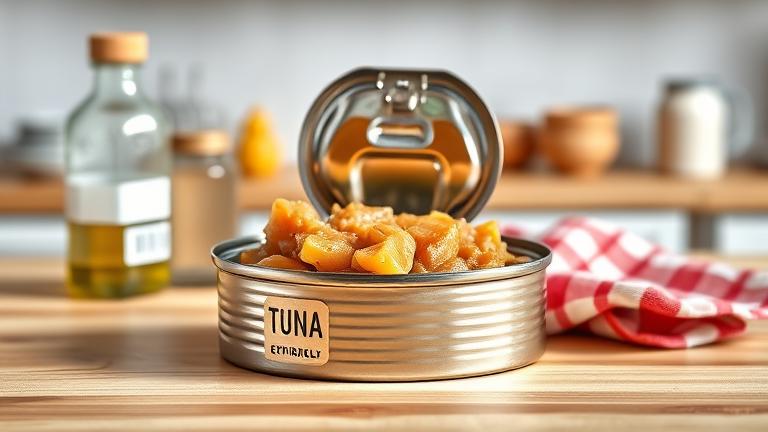
How Long Does Canned Tuna Last?
Many home cooks keep canned tuna in their pantry because it is a convenient and versatile protein source. Knowing how long canned tuna lasts helps ensure you enjoy it at its freshest and safest quality. Canned tuna is already cooked and preserved, making it a long-lasting pantry staple. Still, it is important to pay attention to expiration dates and storage conditions to keep it safe to eat.
Typically, unopened canned tuna can last for quite a while. The shelf life depends on both the “best-by” or “use-by” date printed on the can and how it is stored. These dates serve as good guidelines from manufacturers, indicating when the tuna will be at its best quality. After this date, the tuna might still be safe to eat, but its flavor and texture could start to decline.
Storage and Safety Tips
- Always store canned tuna in a cool, dry place away from direct sunlight. A pantry or cupboard is ideal.
- Once opened, transfer any unused tuna into a covered container and refrigerate promptly. Do not leave it sitting out at room temperature for more than two hours.
- Eat refrigerated tuna within 3 to 4 days for the best taste and safety.
- If the can is damaged, swollen, or leaking, discard it immediately. These are signs that the tuna might be contaminated or spoiled.
How Long Does Canned Tuna Last?
According to food safety guidelines, an unopened can of tuna generally remains safe to eat for about 3 to 5 years beyond its “best-by” date, provided it is stored in optimal conditions. Some brands may have longer shelf lives, up to 7 years, but it is always safest to check the specific date printed on the can.
Once opened, canned tuna should be consumed within 3 to 4 days. If you notice any off smell, discoloration, or slimy texture, do not eat it. Spoiled tuna can cause food poisoning, so it’s best to trust your senses and err on the side of caution.
Impact of Storage Conditions
| Storage Condition | Effect on Tuna Shelf Life |
|---|---|
| Unopened, in a cool, dry place | Maintains quality for 3-5 years past the date on the can |
| Opened, refrigerated in a covered container | Best eaten within 3-4 days |
| Can stored in a hot or humid environment | May spoil faster and should be checked more carefully |
In summary, canned tuna is a healthy and shelf-stable option that lasts a long time if stored properly. Keep an eye on the best-by date, store the can in a cool, dry spot, and refrigerate any leftovers promptly. By doing so, you’ll enjoy your tuna at its best quality and stay safe from spoilage.
Signs Canned Tuna Has Spoiled
Knowing how to tell if canned tuna has gone bad is important for both safety and taste. Sometimes, the signs are obvious, but other times, they can be a bit subtle. Paying attention to the visual, smell, and texture clues can help you avoid eating spoiled fish and prevent foodborne illnesses.
Visual Signs
The first thing to check is the appearance of the tuna and the can itself. Look for any discoloration, such as a dull or grayish hue, which is different from the fresh, pinkish or light beige color of good tuna. If the fish looks slimy or has unusual spots, it might be spoiled.
In addition, examine the can for signs of damage. Bulging, rust, or dents mean the can’s integrity is compromised. A swollen can is a major red flag, as it can indicate bacterial growth inside. Never open a can that appears swollen or leaking, as these are clear signs of spoilage or contamination.
Smell Cues
Next, trust your nose. Fresh canned tuna should have a light, ocean-like smell. If it has a strong, sour, ammonia-like, or rotten odor, that’s a warning sign. Spoiled tuna often develops a foul smell that can quickly fill your kitchen.
When in doubt, open the can in a well-ventilated area and give it a sniff. If the odor is unpleasant or off in any way, it’s safer to toss it out. Remember, smelling is often one of the most reliable ways to detect spoilage, especially if visual signs are subtle.
Texture Clues
After opening the can, examine the texture of the tuna. Good canned tuna should be firm and flaky, holding its shape without being mushy or slimy. If the fish feels excessively slimy, sticky, or has a mushy consistency, it’s likely spoiled.
Sometimes, the liquid around the tuna may be cloudy or foamy. Clear, natural-looking liquid is normal, but if it looks murky or has particles floating in it, discard the product.
Additional Tips
- Always check the canned tuna’s expiration date before opening. Even if it looks and smells fine, it may be past its prime.
- If the can is damaged or if you notice any signs of spoilage, do not taste the tuna. It’s better to be safe than sorry.
- Store canned tuna in a cool, dry place and use it within the recommended time after opening to maintain freshness.
Can You Eat Expired Tuna?
If you have a can of tuna that’s past its expiration date, you might wonder if it’s still safe to eat. The truth is, expiration dates are there for safety and quality reasons. Even if the tuna looks and smells okay, eating expired canned tuna can sometimes pose health risks. So, it’s important to know how to assess whether it’s safe to consume.
First, understand that the expiration date on the can is usually a “best by” or “use by” date. This date indicates when the manufacturer believes the product will be at its freshest and safest to eat. After this date, the quality may decline, but that doesn’t always mean it’s unsafe. However, it’s different from the “code date” or “pack date” that helps track how long it’s been stored.
Visual and Smell Checks
Start by inspecting the can carefully. If the can is swollen, bulging, or leaking, do not open it. These are signs of bacteria growth or spoilage, which can cause food poisoning. If the can looks normal, carefully open it over the sink or a plate.
Check the tuna itself. Fresh tuna should be a light gray or pinkish color. If it looks dull, discolored, or has a pinkish-brown hue, it might be spoiled. Smell the tuna. If it has a strong, sour, or off-putting odor, discard it immediately. Trust your nose — if it doesn’t smell right, don’t risk eating it.
Assessing Safety
Even if the tuna looks and smells okay, consider how long it’s been past the expiration date. Canned tuna can typically stay safe for a few years if stored properly in a cool, dark place. A general guideline is that unopened cans can last 2-5 years past the date, but this can vary depending on storage conditions and the integrity of the can.
Once opened, tuna should be eaten within a few days. Keep it refrigerated in a tight container. If you’re unsure about any of these signs, it’s best to err on the side of caution. When in doubt, throw it out.
Practical Tips for Safe Consumption
- Always check for can damage before opening.
- Pay attention to how long the tuna has been stored past the expiration date.
- Store canned tuna in a cool, dark place to extend its shelf life.
- When in doubt, discard suspicious cans or tuna that smells or looks off.
Final Advice
Eating expired tuna isn’t always safe, but sometimes, if you follow these tips and perform careful checks, it might still be okay. Use your senses and judgment to decide. When in doubt, it’s safer to replace the can with a fresh one. Remember, food poisoning isn’t worth risking for the sake of saving a few dollars or leftovers.
Proper Storage Tips for Canned Tuna
Storing canned tuna properly is key to keeping it fresh, safe, and tasty for when you need it. Whether you’ve opened a can or still have unopened tuna in your pantry, knowing the best storage methods helps you reduce waste and enjoy your favorite seafood anytime.
Unopened Canned Tuna
For canned tuna that hasn’t been opened yet, the best place to store it is in a cool, dry place like your pantry or cupboard. Keep the cans away from direct sunlight, heat sources, or humid areas. These conditions prevent the cans from rusting or deteriorating, which can spoil the tuna inside.
Avoid storing cans in places like above the stove or near the dishwasher, where temperature fluctuations are common. When stored properly, unopened canned tuna can last for up to five years from the date of production, so check the expiration date on the label for the most accurate info.
Once Opened
After opening a can of tuna, it’s important to transfer any unused portion into an airtight container. This prevents the tuna from absorbing other fridge odors and keeps it safe from contamination.
Place the container at the back of your refrigerator where the temperature stays consistent—ideally below 40°F (4°C). Remember, canned tuna in the fridge should be consumed within 3 to 4 days for maximum freshness and safety.
Proper Container Choices
- Use airtight containers, glass jars, or resealable plastic bags for leftovers.
- If you prefer, cover the can with plastic wrap or aluminum foil if transferring the tuna is not an option. This can help prevent the fish from drying out or picking up fridge smells.
Environmental Conditions to Consider
Temperature and humidity are major factors in maintaining canned tuna quality. Keep your storage area cool and avoid places with high humidity, such as near a dishwasher or sink. Fluctuations in temperature can cause the can’s metal to expand and contract, potentially leading to leaks or corrosion.
For opened tuna, ensure your refrigerator maintains a consistent cold temperature and avoid leaving it out at room temperature for too long. Bacteria can grow quickly in warm conditions, making the tuna unsafe to eat.
Common Mistakes to Avoid
- Storing opened cans without transferring to an airtight container.
- Keeping cans in hot or humid environments.
- Ignoring expiration dates on unopened cans.
- Leaving opened tuna out at room temperature for too long, especially beyond two hours.
By paying attention to these simple storage tips, you can ensure your canned tuna stays fresh, delicious, and safe for your next tasty meal. Always double-check the condition of the can and tuna before using, and when in doubt, it’s better to discard it than risk foodborne illness.
Health Risks of Eating Bad Tuna
Eating spoiled or unsafe canned tuna can pose serious health risks. While tuna is a tasty and nutritious fish, consuming it when it has gone bad can lead to food poisoning and other health problems.
It’s important to understand the signs of bad tuna and the dangers involved. When tuna is not stored properly or is past its expiration date, harmful bacteria and toxins can develop. These contaminants can cause illness if ingested.
One of the main concerns with bad tuna is the growth of bacteria such as Clostridium botulinum. This bacteria produces a dangerous toxin that can lead to botulism, a rare but severe illness affecting the nervous system. Symptoms might include difficulty swallowing, muscle weakness, and in severe cases, paralysis.
Another common risk is Scombroid poisoning, which happens when tuna is contaminated with high levels of histamine due to improper storage. This can happen even if the tuna tastes normal. Symptoms of scombroid poisoning include rash, headache, dizziness, and gastrointestinal discomfort such as nausea and diarrhea.
Consuming spoiled tuna can also cause typical food poisoning symptoms like stomach cramps, vomiting, and diarrhea. In more serious cases, contaminated tuna can carry pathogens like Salmonella or Listeria. These bacteria can lead to severe infections, especially in vulnerable groups such as pregnant women, young children, and the elderly.
Knowing how to identify bad tuna can help prevent health issues. Always check the can for any signs of damage like bulging, leaks, or rust. A foul smell, slimy texture, or discoloration of the tuna are clear indicators that it has gone bad. Also, pay attention to the expiration date marked on the can.
To stay safe when handling canned tuna, store it in a cool, dry place and keep it sealed. Once opened, transfer the tuna to an airtight container and refrigerate it. Consume it within a couple of days to avoid spoilage. If you notice any signs of spoilage, it’s best to discard the tuna immediately to protect your health.
Tips for safe tuna consumption:
- Always check the can for damage before buying or opening.
- Look for a clean smell and appearance when opening the can.
- Keep canned tuna refrigerated after opening and consume quickly.
- If in doubt about the freshness, don’t taste or eat the tuna.
Taking these precautions helps ensure that your tuna meals stay both delicious and safe. Remember, when it comes to food safety, it’s better to be cautious than risk health problems.
How to Store Tuna Safely
Storing tuna properly is essential to keep it fresh and safe to eat. Whether you have fresh tuna from the market or canned tuna in your pantry, knowing the right handling and storage tips can prevent spoilage and illness.
Fresh tuna is highly perishable, so it needs to be stored carefully. Canned tuna, on the other hand, has a longer shelf life if kept in the right conditions. Let’s look at how to handle both types for maximum safety and freshness.
Storing Fresh Tuna
When you bring home fresh tuna, it’s important to refrigerate it as soon as possible. Keep it cold, ideally at a temperature below 40°F (4°C). Use a thermometer to check your fridge’s temperature if you’re unsure.
Place the tuna in a tightly sealed container or wrap it tightly in plastic wrap or aluminum foil. You can also put it in a resealable zip-top bag. For extra protection, use a shallow dish covered with plastic wrap. This helps prevent the smell from spreading and keeps the fish from drying out.
Fresh tuna should be eaten within 1 to 2 days for the best quality and safety. If you cannot use it within that time, consider freezing it.
Freezing Fresh Tuna
- Wrap the fish tightly in plastic wrap or aluminum foil.
- For added protection, place the wrapped tuna in a freezer-safe zip-top bag, removing as much air as possible.
- Label it with the date so you know how long it has been stored.
- Frozen tuna stays safe indefinitely, but for best flavor, use it within 2 to 3 months.
Storing Canned Tuna
If you have canned tuna, storage is much simpler. Keep unopened cans in a cool, dry place like a pantry or cupboard. Avoid storing cans in areas that experience temperature fluctuations or humidity, as this can affect quality.
Once opened, transfer leftovers to an airtight container. Store it in the fridge and consume within 3 to 4 days. Do not leave canned tuna out at room temperature for extended periods.
Additional Tips for Safe Storage
- Check expiration dates: Always verify the date on canned goods and fresh fish. Do not consume tuna past its expiration or “use by” date.
- Maintain cleanliness: Wash your hands, utensils, and surfaces before handling tuna to avoid contamination.
- Keep it cold: Keeping tuna chilled slows bacterial growth and spoilage.
- Avoid cross-contamination: Store raw tuna separately from cooked foods or ready-to-eat items.
Signs of Spoiled Tuna
Always use your senses to check if tuna has gone bad. Look for a strong, sour, or ammonia smell. Discoloration, sliminess, or a sticky texture are also signs it should be discarded. Trust your nose and eyes to determine if the tuna is still safe.
By following these storing tips, you can enjoy your tuna safely and at its freshest. Proper storage not only keeps your food safe but also preserves its flavor and texture for whenever you’re ready to enjoy it.
Quick FAQs About Canned Tuna
Many home cooks turn to canned tuna because it’s convenient, affordable, and versatile. But with so many questions floating around, it’s helpful to get clear answers on how to store, handle, and enjoy canned tuna safely. Below, we cover some of the most common questions people have about canned tuna to help you make the best choices in your kitchen.
Is canned tuna safe to eat after the expiration date?
In most cases, canned tuna remains safe to eat past the expiration date if the can is intact. The key is to check the can for any signs of damage, such as dents, rust, or bulging. If the can looks good and there’s no foul smell or unusual appearance when opened, it should be safe. However, for the best taste and quality, try to use it before the date printed on the can.
How should I store canned tuna?
Store unopened cans in a cool, dry place away from direct sunlight. A pantry or closet shelf usually works well. Once opened, transfer any leftover tuna to an airtight container and keep it in the refrigerator. It’s best to consume refrigerated leftovers within 3 to 4 days for optimal freshness and safety.
Can I freeze canned tuna?
Yes, you can freeze canned tuna to extend its shelf life. It’s best to transfer the tuna from the can into a freezer-safe container or sealable plastic bag. Label it with the date so you remember when you froze it. Frozen tuna can last about 2 to 3 months. Keep in mind that freezing may slightly change the texture, making it a bit more flaky once thawed.
What affects the quality of canned tuna?
The quality depends on factors like the type of tuna used, the canning process, and how fresh the tuna was when processed. Look for products labeled “pole-caught” or “skipjack” for a milder flavor and ethical considerations. Also, check the label for added ingredients or preservatives, and choose options with minimal salt if you’re watching your sodium intake.
Are there safety concerns with canned tuna?
Overall, canned tuna is a safe, convenient protein source. But it’s good to be aware of certain concerns. For example, canned tuna can contain trace amounts of mercury, so it’s recommended to limit consumption—especially for pregnant women and young children. Opt for light tuna over albacore, which tends to have lower mercury levels. Always rinse tuna if you want to reduce salt content, and avoid eating spoiled or damaged cans to prevent foodborne illness.
How can I tell if canned tuna has gone bad?
Look for signs like a foul or sour smell, a slimy texture, or discoloration once opened. If the tuna’s color is off or you see mold, discard it immediately. Any cans that bulge, rust, or leak should be thrown away. Trust your senses—when in doubt, it’s safer to toss it out than risk food poisoning.
- Tip: Always label opened cans with the date when stored in the fridge to keep track of freshness.
- Tip: Use your canned tuna in recipes within a few days of opening for the best taste and safety.