
Understanding Rice Measurement: Why Grams and Cups Matter
Accurate measurement of rice is fundamental to achieving perfect results in cooking. Whether you aim for fluffy, separate grains or sticky, cohesive texture, knowing how much rice to use is key. Common units for measuring rice include grams and cups, each serving different purposes based on the recipe or regional measurement systems. Using the right tools, such as a digital kitchen scale or standard measuring cups, facilitates consistency in your cooking process.
Typically, a cup of uncooked rice weighs approximately 200 grams, although this can fluctuate depending on the rice type and grain size. For instance, short grain rice tends to be denser, while long grain rice like Basmati or Jasmine might be lighter per volume.
Accurate measurement not only ensures proper cooking but also prevents issues like overflows or undercooked rice. Precise measurements are vital for recipe fidelity and culinary success, especially when preparing dishes that depend on exact ratios.
Converting 400g of Rice to Cups: Step-by-Step Guide
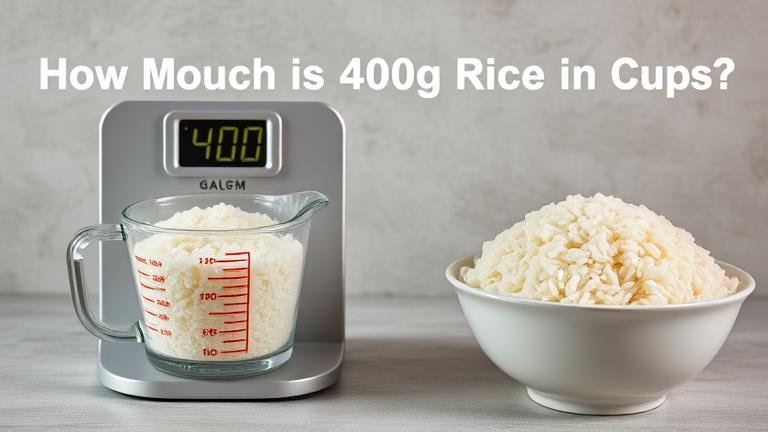
Converting grams of rice to cups is straightforward once you understand the typical weight of rice per cup. On average, one cup of uncooked rice weighs about 180 to 200 grams. To convert 400 grams, divide this weight by the approximate grams per cup. This gives you roughly 2 to 2.2 cups of rice.
For the most precise measurement, it’s advisable to use a digital kitchen scale to weigh the rice first. After measuring, you can use standard measuring cups to portion out your rice. This method guarantees consistency and accurate cooking results every time. Remember, using proper tools like scales and measuring cups enhances the reliability of your recipes.
Variations in Rice Types and Their Impact on Measurements
The type of rice you choose greatly influences both measurement accuracy and cooking outcomes. Different rice varieties such as jasmine, basmati, and short grain rice have unique characteristics that affect volume and water requirements. For example, jasmine rice, known for its aromatic scent, generally needs more water and longer cooking times than basmati rice. Basmati tends to produce fluffy, elongated grains that minimize clumping.
Short grain rice, often utilized in sushi or risotto, contains higher starch levels, making it more sticky. This stickiness affects measurement, especially when rice variety is altered without adjusting the recipe accordingly. Understanding these differences helps prevent common issues such as undercooking or overcooking and ensures optimal texture and flavor.
Research indicates that knowing each rice variety’s specific properties enables better adjustments in water ratios and cooking times. For example, jasmine rice’s moisture content necessitates different handling than drier, long-grain rice like basmati. Tailoring measurement and cooking techniques to the rice type noticeably enhances culinary results and consistency across dishes.
Tips and Tricks for Accurate Rice Measurement in the Kitchen
Home cooks can ensure accuracy in rice measurement by using the right equipment and techniques. Measuring cups, when used correctly, are convenient, but it is crucial to level off the rice without packing it tightly, as excess compression can lead to overestimation. Weighing rice on a kitchen scale provides the most precise measurement, especially for consistent results across multiple preparations.
It is also essential to rinse rice before measuring or cooking to remove surface starch. Rinsing prevents the rice from becoming overly sticky and helps achieve a better texture. Avoid packing rice into measuring cups as it can distort the actual volume and affect cooking ratios.
Furthermore, double-check your measuring tools for calibration and accuracy. Follow specific recipe instructions about water-to-rice ratios, and always measure water precisely to avoid inconsistencies. By adhering to these best practices, you can enjoy perfectly cooked rice that meets your expectations every time. For more detailed techniques, visit our guide on
Recipes and Measurements: Cooking with 400g of Rice
Using 400 grams of rice provides a versatile base for a wide array of recipes. From simple fried rice to elaborate rice salads, the options are endless. Adjusting recipes to accommodate different serving sizes and taste preferences is straightforward once you understand the basics of rice measurement.
Whether cooking for a quick weeknight dinner or hosting a large gathering, rice serves as a satisfying foundation. Learning how to scale recipes up or down ensures that your dishes maintain their flavor and texture. For example, if a recipe calls for two cups of rice, knowing that 400 grams roughly equates to two to two point two cups allows you to prepare the right amount.
Tips on ingredient ratios and cooking times help customize each dish to suit dietary needs and personal preferences. With some practice, modifying recipes becomes intuitive, allowing you to create well-balanced, delicious meals tailored to any occasion.