
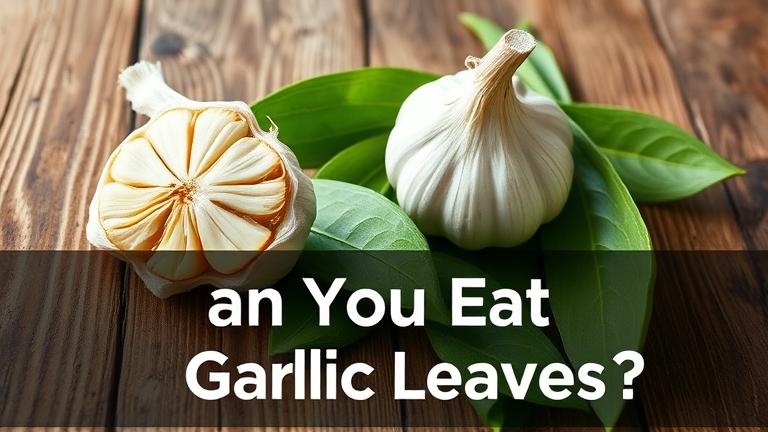
Are Garlic Leaves Edible?
Many people wonder if garlic leaves are safe to eat and how they can be used in the kitchen. The good news is that garlic leaves, also known as garlic scapes or garlic greens, are indeed edible. They are the green, leafy part of the garlic plant that grows above ground and can be a flavorful addition to many dishes.
Garlic leaves have a milder garlic flavor compared to the bulbs but still carry a distinct aroma and taste. They are often overlooked but are versatile and nutritious. Using garlic leaves can help reduce food waste and add a fresh, herbal note to your cooking.
Are Garlic Leaves Safe to Consume?
Yes, garlic leaves are perfectly safe to eat as long as they are fresh and properly grown. Like other leafy greens, they should be washed carefully to remove dirt or any insects. Avoid eating leaves that look yellow, wilted, or have a bad smell, as these could be signs of spoilage or disease.
In some cases, garlic leaves may have a strong aroma or slightly bitter taste, especially if they are older or stressed by weather conditions. Always taste a small amount first to see if you like the flavor before incorporating them into larger dishes.
Common Uses of Garlic Leaves in Cooking
Garlic leaves can be used in many ways. They work well chopped and added to salads, omelets, or soups. Because of their aromatic flavor, they are a nice finishing touch for pasta dishes or grilled meats.
One popular use is to make a garlic leaf pesto. Simply blend the chopped leaves with nuts, olive oil, salt, and a touch of lemon juice. This creates a fragrant spread perfect for bread or pasta. You can also sauté garlic leaves with olive oil and spices for a quick vegetable side dish.
Tips for Harvesting and Storing Garlic Leaves
- Pick garlic leaves when they are young and tender for the best flavor and texture. Older leaves can become tough or bitter.
- Wash the leaves thoroughly under cold running water to remove dirt and debris.
- Store fresh garlic leaves in the refrigerator wrapped in a damp paper towel inside a plastic bag. Use within a few days for maximum freshness.
- If you have a surplus, you can chop and freeze garlic leaves for later use. For freezing, spread the leaves on a baking sheet to freeze individually, then transfer them to an airtight container.
Potential Mistakes to Avoid
- Do not eat garlic leaves that look yellow, wilted, or slimy, as they may be spoiled.
- Avoid using leaves from plants that have been treated with chemicals or pesticides unless you are sure they are safe.
- Start with small amounts if you are trying garlic leaves for the first time, especially if you are sensitive to strong flavors.
Overall, garlic leaves are a delightful and nutritious addition to your cooking repertoire. With proper harvesting and preparation, they can bring fresh flavor and a touch of greenery to your meals.
Health Benefits of Garlic Leaves
Garlic leaves, also known as garlic scapes or garlic greens, are not just a flavorful addition to dishes but also pack a variety of health benefits. Incorporating garlic leaves into your diet can boost your nutrition and support overall wellness. These leafy greens are rich in vitamins, minerals, and antioxidants that can help your body function at its best.
One of the key benefits of garlic leaves is their high content of antioxidants. These natural compounds help protect your cells from damage caused by free radicals. Regular consumption of antioxidants is linked to a lower risk of chronic diseases like heart disease and certain cancers. Garlic leaves also contain allicin, a compound known for its antibacterial and immune-boosting properties.
Nutrition-wise, garlic leaves are a good source of vitamin C, vitamin A, and several B vitamins. Vitamin C supports your immune system, helping your body fight off colds and infections. Vitamin A promotes healthy vision and skin, while B vitamins are essential for energy production and brain health. Including garlic leaves in your meals can contribute to your daily nutrient intake in a simple, delicious way.
Another advantage of garlic leaves is their potential to support heart health. The active compounds in garlic, including allicin and selenium, can help reduce blood pressure and lower cholesterol levels. This makes garlic leaves a heart-friendly addition to your diet, especially if you are aiming to improve cardiovascular health naturally.
People also find that garlic leaves have anti-inflammatory properties. Chronic inflammation is linked to many health problems, from arthritis to metabolic syndrome. Adding garlic greens to your dishes might help reduce inflammation and promote better joint health.
Including garlic leaves in your diet is easy and versatile. You can add chopped leaves to salads, soups, stir-fries, or omelets. They have a mild, garlic-like flavor that enhances dishes without overpowering other ingredients. To get the most benefit, try to use fresh garlic leaves soon after harvesting or purchasing, as they lose nutrients over time.
- Start with small amounts if you’re new to garlic leaves, as their flavor can be quite strong.
- Wash them thoroughly to remove dirt or any pesticides.
- Cook gently to preserve their nutrients, or add raw for a sharper taste.
While garlic leaves are generally safe for most people, those with garlic allergies or sensitive digestion may need to limit their intake. As always, consult with a healthcare provider if you have any health concerns or conditions that might be affected by adding new greens to your diet.
How to Prepare Garlic Leaves
Garlic leaves, also known as garlic scapes or garlic greens, are a flavorful addition to many dishes. They have a mild garlic taste and can be enjoyed raw or cooked. Preparing garlic leaves properly ensures they taste their best and are safe to eat.
Start by selecting fresh garlic leaves. Look for vibrant green color without signs of yellowing or wilting. Fresh leaves are more tender and flavorful, making your dishes taste better. Once you’ve picked your garlic leaves, the next step is cleaning.
Cleaning Garlic Leaves
- Rinse the garlic leaves under cold running water. Gently swipe to remove dirt or any debris.
- If there are visible dirt spots or mud, use a soft brush or your fingers to scrub gently.
- After rinsing, shake off excess water or pat the leaves dry with a clean towel or paper towels.
Cleaning is important to remove any dirt, grit, or pesticides that might be on the leaves. Make sure they are thoroughly dry before cutting to prevent them from becoming slimy or soggy.
Preparing and Cutting Garlic Leaves
- Hold the garlic leaves by the base and examine their length. Many recipes require smaller, manageable pieces.
- Use a sharp knife or kitchen scissors for cutting. A dull knife can crush the leaves, making them turn brown or mushy.
- Trim off any tough or woody parts at the bottom of the leaves.
- Slice the leaves into strips, rings, or small chunks depending on your recipe.
If you plan to eat garlic leaves raw, cut them into thin strips. For cooking, larger pieces work well—they’ll soften during cooking and distribute their flavor evenly.
Tips for Eating Garlic Leaves Raw or Cooked
- Raw garlic leaves are great in salads or as a garnish. They add a fresh, mild garlic flavor.
- Cooked garlic leaves can be sautéed, stir-fried, or added to soups. Cooking softens their texture and enhances their flavor.
- To sauté, heat a little oil in a pan and cook the garlic leaves for 2-3 minutes until wilted.
- For stir-frying, add garlic leaves towards the end of cooking to preserve their flavor and color.
Safety and Storage Tips
- Use freshly prepared garlic leaves soon after cleaning and cutting for the best flavor and texture.
- If not using immediately, store cleaned garlic leaves in an airtight container or plastic bag in the refrigerator. They stay fresh for about 1-2 days.
- Avoid storing chopped garlic leaves for long periods, as they can lose flavor and become slimy.
With these simple steps, you’ll be able to prepare garlic leaves easily for any dish. Remember, fresh garlic leaves bring a bright, zingy touch to your meals and are a wonderful way to add flavor and nutrition. Enjoy experimenting with this versatile ingredient!
Cooking Ideas for Garlic Leaves
Garlic leaves are a flavorful and versatile ingredient that can add a fresh, mild garlic aroma to many dishes. If you’re looking to incorporate garlic leaves into your meals, you’ll find plenty of practical ideas to experiment with. These leaves are often overlooked, but they can be a wonderful addition to your cooking repertoire, offering a milder garlic flavor compared to the bulbs.
One of the easiest ways to enjoy garlic leaves is by adding them to salads. Chop the leaves finely and toss them into green salads or grain bowls for a burst of freshness. They work well with ingredients like tomatoes, cucumbers, and herbs. The leaves can also be used as a garnish, giving your dish a subtle garlic aroma.
Sautéed Garlic Leaves
For a quick and tasty side dish, try sautéing garlic leaves. Simply heat a tablespoon of oil or butter in a skillet over medium heat. Add chopped garlic leaves and cook for about 2-3 minutes until they wilt and release their aroma. Season with salt, pepper, or a squeeze of lemon juice for extra flavor. This method is perfect as a side for rice, grilled meats, or pasta.
Garlic Leaf Pesto
Making pesto with garlic leaves is a delightful way to enjoy their flavor. In a food processor, combine a handful of garlic leaves, fresh basil or parsley, pine nuts or walnuts, Parmesan cheese, and olive oil. Blend until smooth, adding more oil if needed. Spread the pesto on bread, toss with pasta, or use as a dip for vegetables. It’s a wonderful alternative to traditional basil pesto.
Soups and Stews
Garlic leaves can also be added to soups and stews to enhance depth of flavor. Chop the leaves finely and stir them into vegetable, chicken, or beef broths during cooking. Their mild garlic taste complements ingredients like potatoes, beans, and greens. Add them toward the end of cooking to preserve their fresh flavor and texture.
Pickled Garlic Leaves
If you have a bountiful harvest, try pickling garlic leaves. Prepare a simple brine of vinegar, water, salt, and sugar, and add herbs like dill or mustard seeds. Blanch the leaves briefly in boiling water, then place them in sterilized jars and pour over the brine. Store in the refrigerator for a tangy, crunchy snack or condiment. This process extends their use and keeps their flavor for months.
Tips for cooking with garlic leaves include always washing them thoroughly to remove dirt and insects. Use fresh leaves for the best flavor, but if they start to wilt, they can be stored in a plastic bag in the refrigerator for a few days. Avoid overcooking garlic leaves, as they can lose their vibrant green color and fresh taste.
- Experiment with adding chopped garlic leaves to scrambled eggs or omelets for extra flavor.
- Use garlic leaves as a wrap for grilling small fish or vegetables for an aromatic touch.
- Combine garlic leaves with other herbs like cilantro or mint for unique flavor profiles.
Garlic leaves are a practical ingredient to have in your kitchen once you realize how versatile and flavorful they can be. With these ideas, you’ll find new ways to elevate your everyday meals and enjoy the fresh taste of garlic in a gentle, delicious form.
Are Garlic Leaves Safe to Eat?
Many people wonder if garlic leaves are safe to eat, especially since garlic is known for its flavorful bulbs. The good news is that garlic leaves, also called garlic scapes or garlic greens, are generally safe to eat and can be a tasty addition to your meals. However, it’s important to understand some safety considerations to ensure you enjoy them without any issues.
Garlic leaves are the green tops or stems that grow above the garlic bulb. They’re often harvested in the spring when they are young and tender. These leaves contain many of the same compounds as garlic bulbs, including allicin, which has health benefits. But like any edible plant, there are some precautions to keep in mind before adding them to your plate.
Potential Toxins and Safety Concerns
Despite being safe for most people, garlic leaves can cause issues for certain individuals. Some people might experience allergic reactions, such as skin irritation or digestive discomfort. If you are allergic to garlic or other members of the allium family, it’s best to avoid eating garlic leaves.
In rare cases, eating large quantities of raw garlic leaves might cause gastrointestinal upset, such as nausea or stomach ache. This is because raw garlic contains certain compounds that can irritate the stomach lining in sensitive individuals. Cooking the leaves usually reduces this risk and makes them easier to digest.
Another safety consideration is contamination. Like all garden greens, garlic leaves can carry dirt or bacteria. It’s important to thoroughly wash them before consumption to remove any soil, pesticides, or bacteria. Avoid eating leaves if they appear discolored, slimy, or have a foul smell, as these may indicate spoilage or contamination.
Tips for Safe Consumption of Garlic Leaves
- Always wash garlic leaves thoroughly under running water to remove dirt and residues.
- If using raw, eat in moderation to see how your body reacts.
- Cook garlic leaves if you have a sensitive stomach or want to reduce potential irritants. Sauté, blanch, or add them to soups and stews.
- Store fresh garlic leaves in the refrigerator in a plastic bag and use within a few days for the best flavor and safety.
- If you’re unsure about their safety, consult a local gardening expert or nutritionist, especially if you gather them from a garden or the wild.
Common Mistakes to Avoid
- Using leaves that look wilted, slimy, or discolored, as they may be spoiled.
- Eating large quantities of raw garlic leaves without knowing your tolerance.
- Failing to wash thoroughly, which can introduce bacteria or pesticides into your meal.
In summary, garlic leaves are a safe, nutritious addition to your diet when handled properly. Always wash them well, cook if needed, and pay attention to your own reactions. With a little care, you can confidently enjoy this flavorful green from your garden or local market.
Garlic Leaves vs. Garlic Bulbs
When cooking with garlic, you might wonder about the differences between garlic leaves and garlic bulbs. Both come from the same plant, but they have unique characteristics, flavors, and uses. Understanding these differences can help you get the most out of your garlic, whether you’re making a simple stir-fry or a complex sauce.
What Are Garlic Leaves?
Garlic leaves, also known as garlic scapes or garlic greens, are the green tops that grow above the ground. They resemble long, flat, and slightly curly herbs. These leaves are usually harvested in late spring or early summer when the garlic bulb has matured enough but hasn’t been fully harvested yet. They are soft, tender, and have a mild garlic flavor with a fresh, herbal note.
What Are Garlic Bulbs?
The garlic bulb is what most people think of when they hear “garlic.” It is the underground part of the plant, made up of multiple cloves covered in a papery skin. Garlic bulbs have a pungent aroma and a strong, sharp flavor when raw. When cooked, they soften and develop a sweeter, mellow taste. The bulbs are a staple in many dishes worldwide, adding depth and aroma.
Flavor and Texture Comparison
| Feature | Garlic Leaves | Garlic Bulbs |
|---|---|---|
| Flavor | Milky and herbal, with a mild garlic taste | Pungent when raw, sweet and mellow when cooked |
| Texture | Soft, tender, and leafy | Solid, dense, and bulbous |
| Color | Bright green | White with purple or brownish skins |
Best Uses
Garlic leaves are perfect for adding fresh flavor to salads, pasta, or as a garnish. You can chop them up and mix them into dips or pesto for a burst of garlic aroma. Because they are tender, they also work well in light sautés or added raw at the end of cooking.
Garlic bulbs are the foundation of many recipes. They can be roasted whole for a sweet, mellow flavor, minced into sauces, or sautéed as a base for soups and stews. Keep in mind that raw garlic is quite strong, so use smaller amounts if you prefer a milder taste.
Storage Tips
- Garlic leaves are best used soon after picking or purchase, as they wilt quickly. Keep them in the fridge in a plastic bag and use within a few days.
- Garlic bulbs can be stored in a cool, dark place for several weeks. Avoid refrigerating whole bulbs, as moisture can cause mold. Instead, keep them in a mesh bag or basket in a pantry.
Common Mistakes to Avoid
- Using garlic leaves when you need a strong garlic flavor — they are milder than bulbs. Don’t expect the same punch of aroma and taste.
- Overcooking garlic leaves, which can turn them bitter. Add them towards the end of cooking for the freshest flavor.
Both garlic leaves and bulbs are versatile ingredients that bring unique qualities to your kitchen. Knowing when and how to use each will enhance your dishes and make your cooking more flavorful and interesting.
FAQs About Eating Garlic Leaves
Can I eat garlic leaves?
Yes, you can eat garlic leaves, also known as garlic scapes or garlic greens. They are the green tops of the garlic plant and are edible. Many people enjoy their mild garlic flavor and use them in cooking dishes like stir-fries, salads, or soups.
Garlic leaves are not only tasty but also nutritious, providing vitamins and antioxidants. However, it’s important to identify fresh, healthy leaves before eating them. Avoid leaves that are yellowed, wilted, or have dark spots, as these may be signs of spoilage.
How do I prepare garlic leaves for eating?
Preparing garlic leaves is simple. Start by rinsing them under cold water to remove dirt and any debris. Trim off the tough ends and any wilted parts. You can chop the leaves into smaller pieces, depending on your recipe.
Garlic leaves can be eaten raw, added directly to salads for a mild garlic flavor. They also work well cooked—try sautéing them in a little oil or butter, steaming, or adding them to soups and stews. Cooking helps mellow their flavor and makes them more tender.
Are garlic leaves safe to eat?
Yes, garlic leaves are safe to eat when fresh and properly prepared. Make sure you identify the plant correctly—garlic leaves look similar to other green onions or chives but have a distinct garlic smell.
However, avoid eating garlic leaves from unknown or wild sources, as they could be contaminated or mistaken for other plants that aren’t safe to consume. Also, if you have allergies to garlic or related plants, consult your doctor before trying garlic leaves.
Can eating garlic leaves cause any side effects?
For most people, garlic leaves are safe and safe in moderation. However, some might experience mild stomach upset or heartburn if they eat large amounts. If you are sensitive to garlic or have digestive issues, start with a small portion to see how your body reacts.
Pregnant women or people on blood-thinning medication should be cautious, as garlic can thin the blood. Always check with your healthcare provider if you have concerns about consuming garlic leaves regularly.
How long can I store garlic leaves?
| Storage Method | Duration | Tips |
|---|---|---|
| Refrigerator | Up to 3-4 days | Wrap in a damp paper towel and place in a plastic bag to keep fresh. |
| Freezing | Up to 6 months | Chop leaves, place in an airtight container or freezer bag, and freeze flat. |
It’s best to use garlic leaves soon after purchase for the best flavor and texture. Freezing is a good option if you want to preserve them longer.