
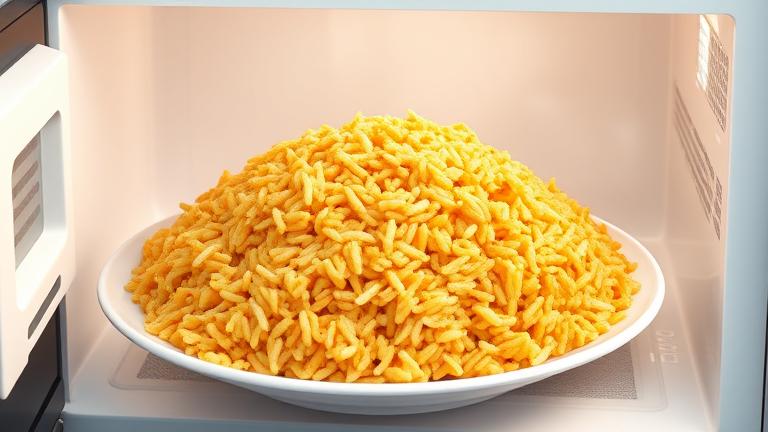
Can You Freeze Fried Rice?
Many people wonder if fried rice can be frozen and saved for later. The good news is, yes, you can freeze fried rice. Freezing is a handy way to keep leftovers and enjoy them at another time without wasting food.
Freezing fried rice is convenient, especially if you cooked a big batch or want to prepare meals ahead of time. It helps reduce food waste and makes quick, tasty meals possible on busy days. However, there are some tips and considerations to keep in mind to keep the rice tasting good after freezing and reheating.
Benefits of Freezing Fried Rice
- Reduces waste: Don’t toss leftovers; instead, save them for later.
- Time-saving: Prepares quick meals in minutes when you’re short on time.
- Meal planning: Portion out fried rice into smaller containers to grab when needed.
- Cost-effective: Buying ingredients in bulk and freezing extras saves money.
Considerations When Freezing Fried Rice
While freezing fried rice works well, there are some points to keep in mind. The texture of fried rice can change slightly after freezing, especially if it has a lot of greasy or soft ingredients. The rice might become a bit drier or more chewy after reheating.
To maximize flavor and texture, it’s best to cool the fried rice completely before freezing. Also, try to freeze it within two hours of cooking to prevent bacteria growth. Use airtight containers or freezer bags designed for freezing to prevent freezer burn and preserve freshness.
Practical Tips for Freezing and Reheating Fried Rice
- Divide into portions: Freeze in small, meal-sized portions for easy reheating.
- Label containers: Write the date on each package so you know how long it has been stored.
- Keep it dry: Remove as much air as possible from freezer bags to prevent ice crystals.
- Reheat properly: Microwave or stir-fry the frozen rice until hot all the way through. Adding a splash of water can help restore moisture.
How Long Can You Store Fried Rice in the Freezer?
| Storage Time | Quality Tips |
|---|---|
| up to 1 month | Best quality; use within this period for optimal taste and texture. |
| 1 to 3 months | Still good, but texture may slightly decline. |
| Over 3 months | Food safe if stored correctly, but flavor and texture may suffer. |
With proper storage, frozen fried rice can be a lifesaver for busy weeknights. Just remember, the key is to cool it quickly, store it properly, and reheat thoroughly to enjoy delicious leftovers anytime!
Best Methods to Freeze Cooked Rice
Freezing cooked rice is a great way to save time and reduce waste. When done properly, it keeps the rice fresh, tasty, and safe to eat later. Whether you cooked a big batch or want to prepare meals in advance, knowing the best methods for freezing rice is key.
The main goal is to prevent the rice from clumping together and to maintain its texture and flavor. Proper freezing also helps avoid the risk of bacteria growth, so safety is important too. Let’s explore some effective techniques to freeze cooked rice the right way.
Preparing the Rice for Freezing
Start by letting the cooked rice cool down to room temperature. Spreading the rice on a baking sheet helps it cool evenly and quickly, reducing the risk of bacteria. Avoid leaving rice out for more than two hours to keep it safe.
Once cooled, transfer the rice to airtight containers or resealable freezer bags. Remove as much air as possible if using bags to prevent freezer burn. Label each container with the date to keep track of storage time.
Best Freezing Techniques
- Portioning: Divide the rice into meal-sized portions before freezing. Smaller portions make it easier to thaw only what you need without defrosting the entire batch.
- Flash Freezing: Place the rice in a single layer on a baking sheet and freeze for about one hour. Once frozen, transfer the rice to a container or bag. This prevents clumping and makes it easier to use later.
- Using Freezer Bags: Squeeze out excess air from resealable bags before sealing. Flatten the bags to save space and make thawing quicker.
Tips for Better Freezing Results
- Label everything with the date so you use the oldest rice first.
- Try to freeze rice within two days of cooking for the best quality.
- Keep the freezer at 0°F (-18°C) or colder for optimal safety and freshness.
- Avoid freezing rice that has been left out at room temperature too long or shows signs of spoilage.
How Long Can You Freeze Cooked Rice?
| Storage Method | Maximum Storage Time |
|---|---|
| In airtight containers or resealable bags | up to 4-6 months |
| In a freezer-safe vacuum-sealed bag | up to 6 months |
Thawing and Reheating Tips
For the best results, thaw frozen rice in the refrigerator overnight. You can also reheat it directly from the freezer by adding a splash of water and steaming or microwaving until hot. Stirring the rice during heating helps maintain even warmth and prevents it from drying out.
Remember, reheat rice until it reaches an internal temperature of 165°F (74°C) to ensure safety. Proper storage and reheating help keep cooked rice delicious and safe to enjoy even after freezing!
Safe Techniques for Freezing Rice
Freezing rice is a great way to save leftovers and prepare meals in advance. However, it’s important to do it safely to prevent bacteria from growing and to keep your rice fresh and tasty. Proper handling and storage are key steps in ensuring your frozen rice stays good for later use.
First, always cool cooked rice quickly before freezing. Bacteria like Bacillus cereus can survive at room temperature if the rice stays out too long. To avoid this, spread the cooked rice in a thin layer on a baking sheet or tray. Let it sit at room temperature for no more than an hour, then transfer it to the fridge to cool completely. The goal is to bring the rice to a safe temperature within two hours of cooking.
Once cooled, transfer the rice into airtight containers or heavy-duty freezer bags. Make sure to remove as much air as possible from bags to prevent freezer burn. Label each container or bag with the date of freezing — ideally within 24 hours of cooking — so you know how long it’s been stored.
Proper Freezing Procedures
- Use shallow containers: They freeze faster and more evenly, helping to reduce the chance of bacteria growth.
- Divide into portions: Freeze rice in single-serving sizes so you can thaw only what you need. This also minimizes the time rice spends thawing at room temperature.
- Keep it airtight: Ensure containers are sealed tightly to prevent moisture loss and contamination.
Storage Duration and Safety
| Type of Rice | Max Storage Time in Freezer | Notes |
|---|---|---|
| Cooked White Rice | up to 6 months | Best quality when used within this timeframe |
| Cooked Brown Rice | up to 3 months | Higher fat content means shorter freezer life |
For safety, always check your rice before reheating. If it has an off smell, discoloration, or a slimy texture, discard it. When reheating, ensure the rice reaches an internal temperature of at least 165°F (74°C) to kill any lingering bacteria. You can reheat rice in the microwave, on the stove, or in the oven, stirring well to heat evenly.
Tips for Safe Freezing and Thawing
- Avoid thawing rice at room temperature. Instead, thaw it in the fridge or use the microwave for quick heating.
- Do not refreeze rice once it has been thawed. Only reheat what you plan to eat to keep the quality safe and fresh.
- Practice clean handling — wash your hands, utensils, and containers thoroughly before storage or reheating.
By following these friendly and practical safety tips, you can enjoy your frozen rice without worries. Proper cooling, sealing, and storage will help keep it fresh, safe, and ready whenever you need a quick side dish or ingredient for your meal.
Tips for Reheating Fried Rice Safely
Reheating fried rice is a common way to enjoy leftovers, but it’s important to do it safely to prevent foodborne illness. Proper reheating not only keeps your fried rice tasty but also ensures it is safe to eat. Here are some practical tips to help you reheat your fried rice correctly every time.
1. Cool the Fried Rice Quickly and Store Properly
After cooking, it’s best to cool the fried rice as quickly as possible. Leftover rice should be transferred to an airtight container within two hours of cooking. If left out at room temperature longer, bacteria can grow rapidly. To speed up cooling, spread the rice out in a thin layer on a baking sheet before refrigerating.
2. Keep the Rice Refrigerated
Store fried rice in the refrigerator at or below 40°F (4°C). Consume leftovers within one to three days for optimal safety and quality. If you’re not planning to eat the leftovers within this time frame, consider freezing the rice for longer storage.
3. Reheat to the Right Temperature
When reheating fried rice, the key is to reach at least 165°F (74°C) all the way through. This temperature ensures any bacteria are killed. Use a food thermometer to check—avoid relying solely on visual cues like steaming or bubbling. The rice should be piping hot, not just warm.
4. Use Proper Reheating Methods
- Microwave: Place the rice in a microwave-safe dish. Cover with a damp paper towel or microwave-safe lid to retain moisture. Heat in short bursts of 1-2 minutes, stirring in between. Use a thermometer to verify the temperature.
- Stovetop: Add a splash of water or oil to a skillet or wok. Heat the rice over medium heat, stirring frequently until hot. Cover the pan to trap heat and help cook evenly.
- Oven: Spread the rice evenly in an oven-safe dish. Cover with foil and bake at 350°F (175°C) for about 15-20 minutes or until steaming hot.
5. Avoid Reheating Multiple Times
Reheating fried rice more than once increases the risk of bacteria growth and reduces quality. Only reheat what you plan to eat, and do it quickly. If you have leftovers after reheating, do not keep them for future meals.
6. Be Mindful of Variations in Rice and Ingredients
Some ingredients, like fresh eggs or seafood, might require extra caution when reheating. If your fried rice contains these, ensure it is heated thoroughly to avoid any health issues. Also, if the rice has a strange odor or appearance after storage, it’s safest to discard it.
7. Tips for Best Reheating Results
- Only reheat the amount of rice you plan to eat in one sitting.
- Avoid reheating fried rice straight from the freezer; thaw it in the refrigerator first for even heating.
- Use a thermometer to confirm the rice reaches a safe internal temperature.
By following these friendly tips, you can enjoy your leftover fried rice safely and without sacrificing too much of its flavor and texture. Remember, safety first, and enjoy your meal!
Microwaving Fried Rice: How to Do It
Microwaving fried rice is a quick and convenient way to enjoy this tasty dish without turning on the stove. To get the best results, it’s important to heat it evenly so your rice doesn’t turn dry or become overcooked. Follow these simple steps for perfect microwave fried rice every time.
Prepare Your Fried Rice
Start by checking the fried rice. If it’s been sitting in the fridge for a while, give it a quick stir to loosen the grains. This helps the heat distribute more evenly during microwaving. If the rice is dry, gently sprinkle a few drops of water over it. This small trick helps keep the rice moist and prevents it from becoming hard while reheating.
Use an Appropriate Container
Choose a microwave-safe dish or bowl, preferably one with a lid or microwave-safe plastic wrap. Covering the dish traps steam, which helps heat the rice evenly and keeps it moist. Avoid using metal containers or foil, as these are unsafe in the microwave.
Heat in Short Intervals
- Place the rice in your container and cover it lightly with a microwave-safe lid or wrap. Leave a small vent for steam to escape.
- Set the microwave to medium power, usually around 50-70%. High heat can cause uneven heating and dryness.
- Heat the rice for 1 to 2 minutes, then pause to check how warm it is. Stir the rice gently with a fork or spoon to promote even heating.
- Continue microwaving in 30-second intervals, stirring each time, until the rice is hot all the way through. Usually, 3-4 rounds of 30 seconds work well.
Avoid Common Mistakes
- Don’t microwave the rice for too long at once, as it can dry out quickly.
- Avoid uncovered heating, which can cause the rice to dry out or become rubbery.
- Be careful when removing the cover — steam will be hot and can cause burns.
Final Tips for Perfect Microwaved Fried Rice
- If the rice seems a little sticky after reheating, add a touch more water before microwaving again.
- For extra flavor, sprinkle a tiny bit of soy sauce or sesame oil before serving.
- If you’re reheating multiple servings, try to spread the rice out evenly for uniform heating.
With these simple guidelines, microwaving fried rice can be quick, easy, and delicious. Just remember: gentle heat, covering the dish, and stirring often lead to the best results. Happy reheating!
Reheating on the Stovetop for Best Results
Reheating fried rice on the stovetop is a great way to bring back its fresh flavor and chewy texture. It allows you to control the heat and prevent the rice from becoming mushy or dry. With a few simple tips, you can enjoy your leftover fried rice almost as good as when it was first cooked.
Start by choosing a good-quality skillet or frying pan. A non-stick pan is ideal because it prevents sticking and makes cleanup easier. Heat the pan over medium heat for a couple of minutes before adding the rice. This ensures the surface is hot enough to reheat evenly.
Next, add a small amount of oil or butter to the pan. About a teaspoon of vegetable oil or sesame oil is enough for a serving. Swirl the oil around to coat the bottom of the pan. The oil helps reheat the rice uniformly and adds back some of the flavor lost during storage. If your fried rice contains vegetables or meat, you can add a splash of soy sauce or a sprinkle of sesame oil at this stage for extra flavor.
Once the oil is hot, add the rice in a thin, even layer. Avoid overcrowding the pan, as this can cause uneven heating. Keep the heat at medium and stir frequently using a spatula or wooden spoon. Stirring prevents the rice from sticking and helps it heat through evenly. Break apart any clumps of rice as you go, so every grain gets reheated thoroughly.
To keep the fried rice moist and fluffy, you can add a little splash of water or broth. Cover the pan with a lid for a minute or two to create steam, which helps heat the rice evenly and prevents it from drying out. Continue stirring for 3-5 minutes, or until the rice is hot all the way through. Be careful not to overcook, as this can make the rice tough or chewy.
Check the rice’s temperature before serving. It should be steaming hot. If it’s not quite there, give it another minute on the stove. Once heated, taste the rice and adjust any seasonings, such as adding a dash of soy sauce or a squeeze of lime, to refresh the flavors.
- Avoid reheating fried rice multiple times, as this can increase food safety risks and degrade quality.
- Stir frequently during reheating to prevent burning or sticking.
- Use medium heat to gently reheat without overcooking.
- If the rice seems dry, add a little more water, broth, or oil to restore moisture.
Reheating fried rice on the stovetop is quick and straightforward when you follow these tips. It helps preserve the flavor, texture, and overall quality of your leftovers, making your next meal just as enjoyable as the first.
Food Safety Tips for Fried Rice Storage
Storing fried rice properly is key to keeping it safe to eat and tasting fresh when you’re ready for leftovers. Because rice can sometimes harbor bacteria if not stored correctly, it’s important to follow some simple food safety tips. These easy guidelines help prevent foodborne illnesses and make sure your fried rice remains delicious and safe to enjoy later.
How Long Can You Store Fried Rice?
Generally, cooked fried rice should be stored in the refrigerator within two hours of cooking. If left out longer, bacteria can grow quickly, increasing the risk of illness. In the fridge, fried rice is best eaten within 1 to 3 days. After that time, the quality can decline, and the risk of bacteria increases.
To stay safe, try to consume leftovers within this timeframe. If you don’t think you’ll finish it in time, consider freezing it for longer storage.
Choose the Right Containers
Proper storage containers are important for keeping fried rice safe and fresh. Use airtight containers made of glass or BPA-free plastic. These keep out air and moisture that can lead to spoilage or freezer burn. Avoid using regular aluminum foil or loosely covered bowls, as they don’t provide a good seal.
If you’re freezing fried rice, use freezer-safe containers or heavy-duty zip-top bags. Label them with the date so you know how long they’ve been stored. This helps you keep track and ensures you eat the oldest leftovers first.
Cool and Store Leftover Fried Rice Safely
Before putting fried rice in the fridge, let it cool down to room temperature, but don’t leave it out for more than two hours. Placing hot rice directly in the fridge can raise the temperature and introduce bacteria to other foods. Spread it out in shallow containers to help it cool faster and evenly.
When storing, ensure the lid is tight, and avoid overcrowding the refrigerator. Proper air circulation helps keep the entire fridge at a safe temperature, usually below 40°F (4°C).
Reheating Your Fried Rice Properly
When it’s time to enjoy your leftovers, reheating fried rice to an internal temperature of at least 165°F (74°C) is essential. Use a microwave, stovetop, or oven for even heating. Stirring the rice frequently during reheating helps prevent cold spots where bacteria can survive.
Be cautious with reheating leftovers multiple times. It’s safer to only reheat what you plan to eat to minimize the risk of bacteria growth. Never reheat fried rice more than once.
Food Safety Tips to Remember
- Store fried rice in airtight containers in the fridge within two hours of cooking.
- Eat leftover fried rice within 1 to 3 days for best safety and flavor.
- Use shallow containers for quick cooling and easy reheating.
- Avoid leaving rice at room temperature for more than two hours.
- Reheat leftovers thoroughly to kill any bacteria.
- Label containers with the date to keep track of storage time.
By following these straightforward storage tips, you can enjoy your fried rice safely and keep it tasting fresh. Good storage habits are simple but essential in preventing foodborne illnesses and savoring delicious leftovers!