
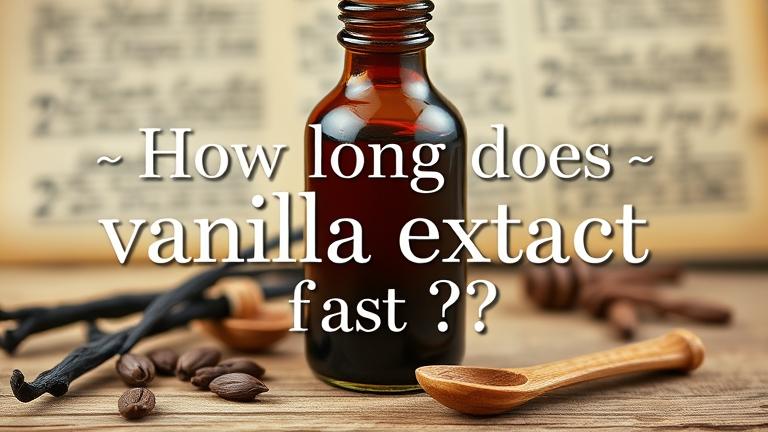
How to Tell If Vanilla Extract Has Gone Bad
Vanilla extract is a common ingredient in baking that adds rich flavor to cookies, cakes, and desserts. Over time, it can spoil or lose its quality, so it’s helpful to know how to tell if your vanilla extract has gone bad. By paying attention to a few simple signs, you can ensure you’re always using fresh, safe vanilla in your recipes.
First, take a good look at your vanilla extract. Fresh vanilla should be a clear, dark amber color that sometimes appears slightly cloudy but still retains its liquid form. If your extract has turned a dull or murky color or has developed particles floating inside, it might be a sign that it has deteriorated. Also, check for any mold or unusual growths on the surface. If you see any of these, discard the bottle immediately.
Smell Test
The aroma is a great indicator of whether vanilla extract is still good. Fresh vanilla extract has a strong, sweet, and warm vanilla scent. If the smell has faded, become sour, or developed an off-putting sour or chemical odor, it’s time to say goodbye to that bottle. A stale or musty smell suggests that the extract has lost its flavor quality and might not deliver the delightful aroma you want in your baked goods.
Taste Test
If the extract looks and smells normal but you’re still unsure, you can do a taste test. Carefully dip a clean spoon into the vanilla extract and taste a small drop. Fresh vanilla will be sweet and intensely aromatic. If the flavor is bland, bitter, or kind of chemically, it has likely gone bad and should not be used in recipes.
Additional Tips for Storage and Shelf Life
- Store vanilla extract in a cool, dark place away from direct sunlight, which can break down its quality over time.
- Keep the bottle tightly sealed to prevent evaporation and contamination.
- Pure vanilla extract generally remains good for several years if stored properly. However, flavored or imitation vanilla may not last as long.
If you’re ever in doubt after checking appearance, smell, and taste, it’s safest to replace your vanilla extract. Using spoiled vanilla can affect your baked goods’ flavor and might even introduce spoilage bacteria or mold into your food.
Remember
- If in doubt, throw it out.
- Always store vanilla extract away from heat and sunlight.
- Trust your senses—sight, smell, and taste—to determine freshness.
Shelf Life of Different Types of Vanilla Extract
Vanilla extract is a popular flavoring used in many baked goods and desserts. Understanding how long different types of vanilla extract stay fresh helps you get the most flavor out of your ingredients. The shelf life depends on the type of vanilla extract you have, whether it’s pure, imitation, or homemade.
Pure vanilla extract is made from vanilla beans soaked in alcohol. It often has a rich aroma and strong flavor. Because it contains only natural ingredients and alcohol, it tends to last the longest when stored properly. Imitation vanilla, on the other hand, is made from artificial flavorings that may not keep as well over time. Homemade vanilla extract, usually prepared by soaking vanilla beans in alcohol at home, has a shelf life similar to commercial pure vanilla but can vary depending on storage conditions and ingredients used.
How Long Does Each Type Last?
| Type of Vanilla Extract | Estimated Shelf Life | Notes |
|---|---|---|
| Pure Vanilla Extract | Up to 4-5 years | Longer shelf life due to high alcohol content. Quality remains best if stored in a cool, dark place. |
| Imitation Vanilla | About 2-3 years | Less natural oils, so flavor might fade quicker. Keep tightly sealed and away from heat. |
| Homemade Vanilla Extract | Up to 2-3 years | Depends on the alcohol used and storage. Use dark glass bottles to help preserve flavor. |
Tips for Extending Shelf Life
- Store vanilla extract in a cool, dark place, such as a cupboard away from heat or sunlight.
- Keep bottles tightly sealed to prevent evaporation and contamination.
- Use clean utensils when pouring or transferring vanilla to avoid introducing bacteria or mold.
- Check for changes in smell or color before using old vanilla extract. If it develops an off-odor or cloudy appearance, it’s best to replace it.
Common Mistakes and Safety Tips
Many home cooks forget that exposure to heat and sunlight can break down vanilla’s flavor compounds over time. That’s why storing in a dark cupboard is best. Also, avoid storing vanilla near the stove or oven, as high temperatures speed up deterioration.
Another mistake is using expired vanilla extract in recipes. While it might not be harmful, its flavor may be weak or off. For best results, replace vanilla extract that is over 5 years old or shows signs of spoilage.
Finally, homemade vanilla extract can vary in quality and shelf life depending on the alcohol used. Darker spirits like bourbon or vodka with high alcohol content tend to preserve vanilla longer.
Proper Storage Tips for Maximum Freshness
Vanilla extract is a popular ingredient that adds rich flavor and aroma to many recipes. To keep it tasting its best and preserve its potency, proper storage is essential. With a few simple tips, you can extend its shelf life and enjoy that fresh, vibrant vanilla flavor every time.
First, consider the container. Store your vanilla extract in a dark glass bottle or jar, preferably with a tight-fitting lid. Clear plastic containers can allow light to seep in, which may degrade the extract over time. Glass not only helps protect the flavor but also prevents any unwanted chemical reactions that can occur with plastic containers.
Next, pay attention to temperature. Vanilla extract should be kept in a cool, dark place like a pantry or cupboard away from direct heat sources, such as the stove or sunlight. Extreme temperatures, whether too hot or too cold, can cause the extract to lose its flavor and aroma. An ideal storage spot is between 60 to 70 degrees Fahrenheit (15 to 21 degrees Celsius). Avoid storing it in the refrigerator, as the cold environment can sometimes cloud the extract and affect its consistency.
Exposure to light is another factor that can diminish the quality of vanilla extract. Light, especially sunlight, can cause the flavor compounds to break down, resulting in a less aromatic product. Always keep your vanilla in a dark place, or even in a cupboard with a door to shield it from light. If your bottles are transparent, consider wrapping them in a cloth or aluminum foil to add an extra layer of protection.
Additionally, ensure the lid is always tightly sealed after each use. Oxygen exposure can lead to oxidation, which can gradually weaken the flavor. When resealing the bottle, press out any excess air before tightening the lid to minimize this effect.
Here are some quick tips to keep in mind:
- Use a dark glass container for storage whenever possible.
- Keep your vanilla in a cool, dark place away from heat and sunlight.
- Avoid storing in the refrigerator to prevent cloudiness and flavor changes.
- Always keep the lid tightly closed after use.
- If the bottle is clear, wrap it in foil or cloth for extra protection.
By following these simple storage practices, your vanilla extract will stay flavorful and potent for years to come. It’s a small investment in proper storage that can make a big difference in the taste of your baked goods, desserts, and homemade vanilla recipes.
Signs of Spoilage in Vanilla Extract
Vanilla extract is a popular flavoring used in many recipes, but like all foods, it can go bad over time. Knowing the signs of spoilage can help you determine whether your vanilla extract is still good to use or if it’s time to replace it. Stay alert to changes in color, smell, and texture, which are the main indicators of spoilage.
Color Changes
Fresh vanilla extract typically has a rich, deep brown color. If you notice that your extract has lightened significantly or turned a dull, muddy color, it may be a sign it’s past its prime. Sometimes, a cloudy or murky appearance can also indicate spoilage. Keep in mind that natural vanilla extract might darken with age, so color alone isn’t always a definitive sign. However, if the color change is drastic or accompanied by other signs, it’s better to be cautious.
Aroma Clues
The aroma of vanilla extract should be strong, sweet, and inviting. If your extract smells weak, sour, or entirely off, it’s a clear warning sign. Spoiled vanilla can develop a rancid or musty smell, which indicates bacterial or mold growth. Trust your nose; if the scent is not the beautiful vanilla aroma you remember, it’s safest to discard the bottle.
Texture and Consistency
While vanilla extract is usually a liquid, it can sometimes develop a cloudy or thickened appearance if it has spoiled. If you notice sediment settling at the bottom or the extract becoming sticky or gooey, do not use it. Also, if you see any mold or mold-like spots floating on the surface, that’s a definite sign that your vanilla extract is no longer safe.
Other Considerations
- Expiry date: Check the bottle for an expiration date or best-by date. Even if the extract visually seems fine, use it within the recommended timeframe.
- Storage conditions: Proper storage helps extend shelf life. Keep your vanilla extract in a cool, dark place away from direct sunlight. Exposure to heat and light can accelerate spoilage.
Tips for Extending Shelf Life
- Always keep the bottle tightly sealed after each use.
- Use clean utensils when measuring or pouring to prevent introducing bacteria or mold.
- Avoid storing vanilla extract near heat sources or in humid areas.
By keeping an eye on these signs and practicing good storage habits, you can enjoy your vanilla extract safely and at its best. If you notice any of these spoilage indicators, it’s best to replace your bottle to ensure the flavor and safety of your baked goods and recipes.
Does Alcohol Content Affect Vanilla Extract’s Longevity?
When it comes to vanilla extract, one important factor influencing its shelf life is the amount of alcohol it contains. Many home cooks wonder if a higher alcohol percentage means a longer-lasting vanilla. The answer is yes, to some extent, but there are a few details to keep in mind.
Vanilla extract is typically made by soaking vanilla beans in alcohol. The alcohol acts as a preservative, preventing bacteria and mold from growing inside the bottle. Generally, the higher the alcohol content, the better the preservation. Most store-bought vanilla extracts contain about 35% alcohol, which is enough to keep the flavor intact for many years.
To understand how alcohol percentage affects longevity, think of alcohol as a natural preservative. It creates an environment where microbes cannot survive, keeping the vanilla safe and potent over time. When the alcohol content drops below about 20%, the extract might not last as long because it has less power to inhibit microbial growth.
Higher alcohol content means longer shelf life
- Extracts with alcohol levels of 40% or more tend to stay good for 5 years or more.
- In comparison, homemade vanilla which sometimes has lower alcohol levels might last 2-3 years if stored properly.
But remember, alcohol is not the only thing that impacts storage. How you store your vanilla matters too. Keep it in a cool, dark place away from direct sunlight. Always tightly seal the bottle after use to prevent evaporation and contamination. Over time, vanilla flavor might fade or become less vibrant, even if the extract remains safe to use.
Does a higher alcohol percentage mean better flavor preservation?
Yes, in many cases. Because alcohol shields the vanilla from spoilage, a higher percentage can help the flavor stay fresher longer. However, very high alcohol levels, like in spirits used as substitutes, can sometimes overpower the vanilla aroma. Commercial vanilla extracts strike a good balance, typically around 35% alcohol.
It’s also good to note that some cheap or poorly made vanilla extracts with lower alcohol percentages might spoil faster or develop off-flavors. That’s why choosing a quality product with at least 35% alcohol can be a smart move for longevity and flavor retention.
Are there any downsides to very high alcohol content?
One thing to keep in mind is that extracts with extremely high alcohol levels, like pure alcohol spirits, could be flammable and less suitable for baking or flavoring. Plus, they might have a harsher taste or aroma that masks the vanilla flavor.
In summary, yes, alcohol content does influence vanilla extract’s shelf life. Higher alcohol levels tend to extend its freshness and potency. But proper storage and choosing good quality products are just as important for having vanilla that lasts beautifully in your kitchen for years to come.
Homemade Vanilla Extract: How Long Does It Last?
Homemade vanilla extract is a wonderful way to add rich flavor to your baked goods and desserts. But once you make it, you might wonder how long it stays good. Knowing the shelf life of your DIY vanilla extract helps you enjoy its best flavor and keep it safe to use.
In general, homemade vanilla extract can last up to five years if stored properly. The high alcohol content acts as a preservative, preventing bacteria from growing. However, several factors influence how long your vanilla will stay fresh and flavorful.
First, the type of bottle you use matters. Glass bottles with tight-fitting caps are best because they prevent air from entering and preserve the extract. Avoid plastic containers, which can absorb flavors and degrade over time.
Second, the storage location is important. Keep your vanilla in a cool, dark place away from direct sunlight and heat sources. Light and heat can accelerate the breakdown of vanilla’s aromatic compounds, dulling its flavor. A pantry or a cupboard is ideal.
Third, the quality of ingredients impacts longevity. Use high-quality vanilla beans and good vodka or alcohol. Cheaper or older beans might weaken faster, while fresh, plump beans yield a more robust extract that lasts longer.
To maximize freshness, here are some practical tips:
- Shake the bottle occasionally to keep the vanilla evenly infused.
- Label your bottle with the date you made it. This helps you keep track of how long it has been stored.
- If you notice any changes in aroma, color, or flavor—such as a sour smell or murky appearance—it’s best to replace it.
While homemade vanilla extract is quite shelf-stable, it’s good practice to check it every once in a while. If stored properly, it remains safe and flavorful for several years. Over time, however, it may lose some potency, so you might want to make smaller batches if you bake often.
Finally, remember that homemade vanilla extract does not contain preservatives like commercial versions. This makes proper storage and handling even more important to keep it at its best.
In summary, with proper storage, your homemade vanilla extract can last for many years. Keep it in a cool dark spot in a sealed glass bottle, shake it now and then, and enjoy the rich aroma and flavor it adds to your favorite recipes for a long time.