
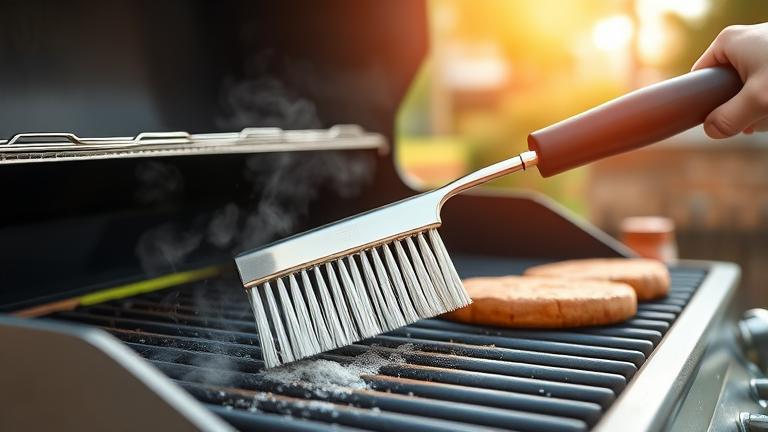
Are Stainless Steel Grill Brushes Safe?
Stainless steel grill brushes are a popular choice among grill enthusiasts because they are durable and effective at cleaning grates. However, as with any tool, it’s important to understand the safety considerations to avoid potential hazards. Using a stainless steel grill brush safely can help prevent injuries and keep your food free from unwanted particles.
One main concern with stainless steel grill brushes is the possibility of bristles coming loose during use. If a bristle falls off, it can accidentally stick to your grill or even get caught in your food. Swallowing or inhaling a loose bristle can cause injuries or health issues, which makes safety checks essential.
Despite this risk, many home cooks safely use stainless steel brushes by following some simple precautions. First, regularly inspect your brush for loose or damaged bristles before and after each use. If you notice any missing or bent bristles, it’s time to replace the brush to prevent accidents.
Using the brush correctly also matters. Always hold the brush firmly and scrub with gentle, consistent strokes. Avoid pressing too hard, as this can cause the bristles to shed more easily. Additionally, it’s best to clean your grill when it’s turned off and cooled down to prevent burns or accidents.
Another tip for safety is to choose a high-quality brush from a reputable brand. Cheaper brushes may use lower-quality stainless steel that is more prone to shedding. Reading reviews and checking for safety certifications can help you find a more reliable product.
Some people prefer alternatives to stainless steel brushes, such as silicone brushes or brass scrapers. These options are less likely to shed bristles and can be just as effective at cleaning your grill without the safety worries associated with loose metal bristles.
| Safety Tips for Using Stainless Steel Grill Brushes |
|---|
|
In summary, stainless steel grill brushes can be safe when used properly. The key is to stay vigilant about brush condition and use techniques that minimize shedding. By taking these precautions, you can enjoy a clean grill and safe grilling experience at the same time.
Common Concerns About Grill Brush Safety
When it comes to cleaning your grill, safety should always come first. Many home cooks have worries about using grill brushes, especially regarding wire bristles shedding, ingestion risks, and potential damage to your grill surface. Understanding these common concerns can help you choose safer cleaning methods and avoid accidents.
One of the biggest worries is the loose wire bristles that can detach from the brush during cleaning. These tiny wires can easily stick to your grill grates or fall into your food. If ingested, they can pose serious health risks, including cuts or internal injuries. That’s why it’s important to regularly inspect your brush for loose wires and replace it if it shows signs of wear. Never use a worn-out or damaged brush, as the risk of shedding increases over time.
In addition to bristle shedding concerns, some people worry about whether using a grill brush can harm the surface of their grill. Most grills are made of stainless steel or coated with paint or porcelain. Using a brush with stiff bristles too aggressively can scratch or damage these surfaces. Scratches can trap grease and food particles, making it harder to clean and potentially leading to rust or corrosion over time. To avoid this, use gentle, circular motions when cleaning and choose a brush suitable for your grill type.
There are also safety concerns related to the cleaning process itself. For instance, if you’re cleaning the grill immediately after cooking, residual heat can cause the bristles to loosen or the brush to slip. Always make sure the grill is cool before cleaning to prevent burns and reduce the chance of accidental injury or brush damage.
Many home cooks worry about what to do if a bristle falls into the food. The best approach is to stop cooking immediately if you see a wire or suspect one has fallen off. Carefully inspect your food, and if you find a wire, discard the food to avoid any health risk. To minimize this concern, some experts recommend using non-wire brushes, such as those with nylon or silicone bristles, which do not shed or break off.
Here are some quick safety tips to keep in mind:
- Inspect your grill brush regularly for loose bristles or damage.
- Replace brushes at the first sign of wear or after a certain period of use, usually every few months.
- Use gentle, circular motions when cleaning to avoid scratching the grill surface.
- Allow the grill to cool completely before cleaning.
- Consider alternative cleaning tools if you’re concerned about wire shedding.
By staying aware of these common safety issues and following simple precautions, you can keep your grilling experience safe and enjoyable. Remember, a little fussing with your cleaning tools now can prevent bigger problems later.
Tips for Using Grill Brushes Safely
Using grill brushes is an essential part of keeping your barbecue grill clean and functioning well. They help remove grease and stuck-on food, ensuring your next meal tastes great. However, safety is key to prevent accidents or injuries while cleaning your grill. Here are some practical tips to help you use grill brushes safely and effectively.
Inspect Your Brush Regularly
Always check your grill brush before each use. Look for loose or damaged bristles, as these can break off during cleaning and fall onto your grill, ending up in your food. If you notice any wear or missing bristles, it’s time to replace the brush.
Using a worn-out brush can be dangerous and ineffective. New brushes with tightly secured bristles provide better cleaning and reduce the risk of bristle pieces getting into your food.
Choose a Safe and Suitable Brush
Select a brush with sturdy, stiff bristles designed for grill cleaning. Some brushes come with heat-resistant handles, making it safer to use without risking burns. Avoid wire brushes with loose bristles that can easily detach.
Consider the type of grill you have—charcoal, gas, or pellet—and pick a brush suitable for cleaning that specific surface. Non-wire brushes or scrub pads can be useful for delicate grates, while wire brushes are best for heavy-duty cleaning.
Use Proper Technique During Cleaning
When cleaning, turn off the grill and let it cool slightly—avoid cleaning a hot grill, as this can cause bristles to loosen. Hold the brush firmly and scrape in the direction of the grill grates to avoid damaging them.
Apply steady, even pressure and avoid scrubbing too aggressively, which can wear out the bristles or damage your grill surface. For stubborn residue, soak the grates in warm, soapy water first, then scrub gently.
Schedule Regular Maintenance and Replacement
Clean your grill and brush after every few uses to prevent buildup of grease and dirt. Rinse the brush thoroughly and let it dry completely to prevent rusting or microbial growth.
Replace your grill brush at least once a year or sooner if you notice any damage. Regular replacement minimizes the risk of bristle contamination and ensures safe, effective cleaning every time.
Additional Safety Tips
- Wear protective gloves to prevent cuts or splinters during cleaning.
- Keep the brush away from children and pets when not in use.
- Store your brush in a dry place to prevent mold or rust.
- Never use a wire brush on non-metal surfaces that could be damaged by stiff bristles.
By following these simple safety tips, you can keep your grill clean without risking injuries or contamination. Proper maintenance not only extends the life of your grill but also ensures your food stays safe and delicious.
Alternatives to Stainless Steel Brushes
If you’re looking for other ways to clean your grill besides using a stainless steel brush, you’re in the right place. There are several options that can help keep your grill in top shape without risking damage or safety concerns. Whether you prefer gentle scrubbers or natural methods, it’s good to explore different tools to find what works best for you.
One popular alternative is a grill scraper. These come in various shapes and sizes, often made from plastic or rubber. They are gentle yet effective at removing loose debris and grease from grill grates. Scrapers are especially useful for light cleaning and can be used frequently without damaging your grill surface. Just be sure to choose a scraper with sturdy edges to get into all the nooks and crannies.
Another option is a nylon brush. Unlike metal brushes, nylon brushes are softer and less likely to scratch delicate grill surfaces. They work well on porcelain-coated or ceramic grills, helping you clean without the risk of metal particles breaking off and ending up on your food. Nylon brushes are also quieter and easier to handle, making them a family-friendly choice for regular maintenance.
Natural cleaning alternatives are gaining popularity among eco-conscious cooks. For example, a ball of aluminum foil can act as a makeshift scrubber. Simply crumple the foil into a ball and use it to scrub away grime. It’s inexpensive and environmentally friendly, and it works because the rough surface of the foil can effectively remove burnt-on food and grease.
Another natural method involves using vinegar and baking soda. Mix equal parts of vinegar and water in a spray bottle and spritz on the grill grates. Let it sit for a few minutes to loosen stubborn residues. Then, sprinkle baking soda onto the wet surface and scrub with a soft-bristle brush or sponge. This natural combo is safe, non-toxic, and works well for routine cleaning, especially if you prefer avoiding harsh chemicals or metal abrasives.
Safety is a key consideration when choosing a cleaning tool. Metal brushes, especially those with wire bristles, can sometimes shed bristles that cling to the grill or worst, fall into your food. Always inspect your tools regularly and avoid using excessively worn brushes. Nylon brushes and scrapers don’t pose the same risk, making them safer choices for everyday use.
Effectiveness varies depending on your grill type and how much cleaning you need. For tougher, baked-on grime, a steel or wire brush might be needed, but always follow up with a softer tool to remove loose bristles. For routine maintenance and lighter cleaning, nylon brushes, scrapers, or natural methods can do the job beautifully.
- Always wear gloves and eye protection when using any cleaning tools to prevent injury.
- Test natural cleaners on a small, hidden area first to check for any adverse reactions.
- Clean your tools regularly to keep them effective and hygienic.
Choosing the right cleaning method depends on your grill type, the amount of buildup, and personal safety preferences. With these alternatives, you can maintain your grill efficiently day after day without relying solely on traditional stainless steel brushes.
Maintaining Your Grill Brush
Taking good care of your grill brush is important for safe and effective grilling. A well-maintained brush clears away grease and food residue, helping to prevent flare-ups and ensuring your grill is always ready for the next meal.
Start by cleaning your grill brush after each use. Food particles, grease, and rust can build up over time, which can make the brush less effective and even unsafe. To clean, rinse the brush under hot water. You can use a dish brush or a comb to remove stubborn debris stuck between the bristles.
If your brush has a scraper blade, wipe it down with a damp cloth. For a deeper clean, soak your brush in a mixture of hot water and dish soap for about 10 minutes. This helps loosen any grease or residue. After soaking, scrub lightly with a brush or sponge to remove buildup. Rinse thoroughly and let it air dry completely before storing.
Replacing Your Grill Brush
Even with regular cleaning, brushes wear out over time. The bristles can become frayed, bent, or loose, which decreases their effectiveness and might pose safety risks. It’s best to replace your grill brush when you notice signs of wear.
Check the bristles regularly. If they are curling, breaking, or missing, it’s time for a new brush. Also, if you see rust starting to form, replace your brush promptly. Cheap or worn-out brushes can shed bristles during cleaning, which can be dangerous if they end up on your food.
When choosing a new grill brush, look for one with sturdy, tightly packed bristles and a comfortable handle. Some brushes come with replaceable head options, which can be more cost-effective and environmentally friendly.
Proper Storage Tips
Store your grill brush in a dry place, away from moisture. Moisture promotes rust and bristle deterioration, making your brush less safe to use. Hang it on a hook or store it in a toolbox to keep it off the ground and protected from dirt.
If your brush has a plastic handle, make sure it is fully dry before putting it away. Avoid storing it in a damp drawer or in a place where it might get knocked around. Keeping your brush in a dedicated, clean spot also helps remind you to check and clean it regularly.
Another tip is to keep your grill brush separate from other cleaning tools. This reduces cross-contamination and helps you maintain proper hygiene, especially if you also clean vegetables or other food items in the same area.
- Inspect your brush before every use for signs of wear or damage.
- Clean your brush thoroughly after each grilling session.
- Replace your grill brush at least once a season or sooner if needed.
- Store your brush in a dry, protected place to extend its lifespan.
With a little regular care and proper storage, your grill brush will stay in top shape, helping you enjoy safe, delicious grilled meals every time.
How to Choose the Right Grill Brush
Choosing the right grill brush is key to keeping your grill clean, safe, and ready for your next barbecue. With so many options available, it can be tricky to know which one is best for your needs. The right grill brush depends on factors like material, design, safety features, and your personal preferences. Let’s explore how to make a smart choice and ensure your grilling experience stays enjoyable and safe.
Consider the Material
The most common materials for grill brushes are stainless steel, brass, and wire. Stainless steel brushes are durable and effective at removing tough, baked-on grease and food. They’re great for thick grill grates but can sometimes scratch softer surfaces if used aggressively.
Brass brushes are softer and less likely to damage your grill, making them ideal for delicate surfaces or porcelain-coated grates. Wire brushes, often made of stainless steel or brass, tend to be more aggressive and are perfect for heavy-duty cleaning.
Safety note: avoid using wire brushes with stiff, rigid wires on fragile porcelain coatings, as they can cause scratches or loosen wires, which might end up in your food.
Look at the Design
Grill brushes come in various designs. The most common are the traditional hand-held brushes with a handle and the scraper type that has a metal or plastic scraping edge. Handles vary in length; longer handles give you more reach and keep your hands away from the flames and heat.
Some brushes have rotating or angled heads that help clean hard-to-reach spots more easily. Others include a built-in scraper for stubborn spots. When choosing a design, think about your grill’s size and your comfort while cleaning.
Tip: choose a brush with a sturdy, non-slip handle for better control and safety. Avoid cheap, flimsy handles that might break during use.
Focus on Safety Features
Grill cleaning is safer when safety features are in place. Look for brushes with a sturdy, heat-resistant handle so your hands stay cool and protected. Some brushes have a protective guard or shield over the wire bristles, helping prevent loose wires from flying away during scrubbing.
Pay attention to the bristle type; ensure they are firmly embedded and not loose. Wires that shed can accidentally end up in your food, which is a safety concern. Some brushes feature a wire-locking mechanism that keeps the bristles secure even after heavy use.
Another tip is to replace your brush regularly. Worn or frayed bristles can break off and pose a health risk. Many manufacturers recommend replacing a grill brush every few months or after heavy use.
Additional Tips for Choosing Your Grill Brush
- Read reviews to find brushes known for durability and safety.
- Opt for a brands with good warranties or replacement parts.
- Consider your grill’s material; pick a brush compatible with porcelain, cast iron, or stainless steel grates.
- Test different styles if you’re unsure—which one feels best in your hand and efficiently cleans your grill.
Remember, the safest and most effective grill brushes are those that suit your grill type, feel comfortable to hold, and have safety features that keep you protected. Taking a few moments to select the right brush now will make your cleaning easier and safer in the long run, so you can focus on enjoying your delicious grilled dishes.
Health Tips for Grill Cleaning Safety
Keeping your grill clean is essential for safe and healthy outdoor cooking. Proper cleaning not only helps your food taste better but also prevents harmful bacteria and residues from building up. But it’s just as important to follow safety tips during the cleaning process to protect your health and ensure a safe cooking environment.
First, always wait until the grill has completely cooled down before you start cleaning. A hot grill can cause burns or accidents if you handle cleaning tools improperly. Use heat-resistant gloves to protect your hands and avoid injuries. When handling tools like wire brushes or scrapers, inspect them for damage. A worn-out brush can shed bristles that might stick to your food or be ingested accidentally.
Next, work in a well-ventilated area. Cleaning fumes from degreasers or old grease can be toxic if inhaled in confined spaces. If you’re using chemical cleaners, carefully read the labels and follow the manufacturer’s safety instructions. Whenever possible, opt for natural or homemade cleaning solutions such as a mixture of baking soda and vinegar. These are effective and less harsh on your skin and respiratory system.
During the cleaning process, avoid inhaling dust or particles that may come off old grease or debris. To reduce this risk, wear a mask or a dust mask, especially when scrubbing stubborn buildup. It’s also a good idea to wear safety goggles to protect your eyes from splashes or flying debris when scrubbing the grill grates.
After cleaning, thoroughly rinse all parts of the grill to remove any soap, degreaser, or cleaning residue. Leftover chemicals can contaminate your food or cause health issues over time. Make sure to let the grill dry completely before using it again. Moisture left on the grill can cause rust, which in turn can create harmful particles that might transfer to your food.
Preventing Cross-Contamination
- Always wash your hands thoroughly with soap and water after cleaning the grill.
- Use separate brushes or scrapers for cleaning and for applying sauces or marinades during cooking.
- Store cleaning tools away from food prep areas to avoid accidental cross-contamination.
Additional Safety Tips
- Replace worn-out cleaning brushes regularly to prevent bristle contamination.
- Do not use abrasive steel wool or harsh chemicals that can damage the grill or leave behind harmful residues.
- Store cleaning supplies in a safe, out-of-reach place, especially if you have children or pets.
By following these simple health tips for grill cleaning safety, you’ll keep your outdoor cooking space safe, clean, and enjoyable. Proper cleaning practices help prevent health risks and extend the life of your grill. Remember, a clean grill is a happy grill and a healthy one too.