
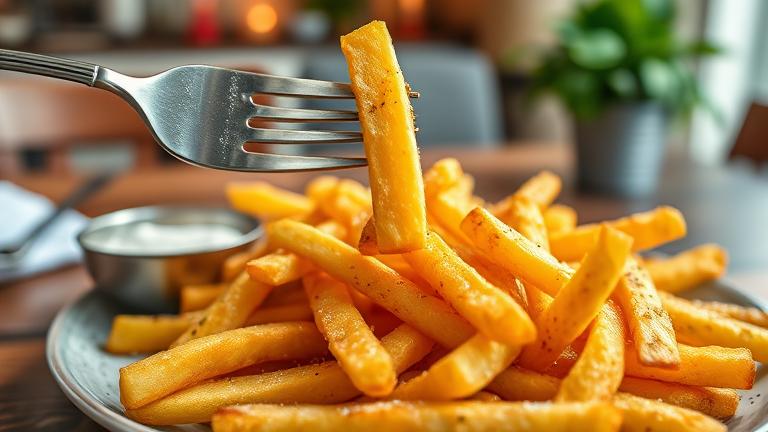
When to Season Fries for Best Flavor
Seasons and fries go hand in hand, but the key to making your fries taste amazing is knowing exactly when to add the seasoning. Whether you like them salty, spicy, or coated in herbs, timing matters. Seasoning at the right stage helps the flavors stick and ensures every bite tastes just right.
The most common options are seasoning before frying, after frying, or sometimes during other stages. Let’s look at each method to find out which works best for different types of seasonings and fries.
First, seasoning before frying is a popular choice. When you toss your raw or partially cooked fries with salt, spices, or herbs before frying, the heat can help the flavors set into the potato. This method works well with simple seasonings like salt or garlic powder. But be careful—if you add too much salt beforehand, it can draw out moisture and make your fries soggy instead of crispy.
Another good time to season is right after frying. Once the fries come out of the oil and are still hot, it’s the perfect moment to sprinkle salt or spices. The heat helps the seasoning stick better because the surface is warm and slightly greasy. Plus, seasoning after frying means you can adjust the flavor easily—adding more salt, pepper, or herbs, to taste. It’s especially ideal for delicate seasonings like freshly chopped herbs that might lose flavor or color if cooked at high heat.
Some cooks like to season during the frying process. This means adding spices or herbs to the oil or potatoes as they cook. This method is common when making spiced fries or flavored coatings. But it requires careful timing so the seasonings don’t burn or become bitter. For example, chili powder or paprika can be added to the oil for a smoky flavor, but only added at the right stage to avoid burning.
A good rule of thumb is to season lightly before frying, then taste and adjust after the fries are cooked. This way, you get the crispy texture, vibrant flavors, and that satisfying crunch that makes fries so delicious.
Here are some practical tips:
- Always season hot fries after frying for best flavor adhesion.
- If you want a seasoned crust, try tossing hot fries with a mix of oil and spices before baking or frying.
- Limit seasoning before frying to salt and dry spices. Save delicate herbs or liquids for afterward.
- For extra flavor, consider tossing your fries with a flavorful sauce or spice blend right after cooking.
Remember, the right timing makes all the difference. Experiment with different methods to see which yields the crispiest, most flavorful fries you love. With a little practice, you’ll know exactly when to season for the perfect crunch and taste every time.
How Freshness Affects Seasoning Timing
When making fries, the freshness of your ingredients and seasonings plays a big role in getting the flavor just right. Using fresh spices, herbs, and seasonings can make your fries taste more vibrant and flavorful. On the other hand, older or stale ingredients can dull the taste and even cause uneven seasoning.
One common mistake many home cooks make is adding seasoning too early or too late. The key is knowing when to season for the best results. Fresh ingredients should be added at specific points in the cooking process to maximize their flavor potential.
Why Freshness Matters
Fresh herbs like parsley, thyme, or rosemary hold their essential oils better. These oils are responsible for the aroma and strong flavor burst that can elevate your fries. As herbs and spices age, they lose their potency, which means you need to use more to get the same flavor. But excess seasoning can overpower the natural taste of the potatoes.
Fresh seasonings also help prevent bitterness or off-flavors that sometimes appear when ingredients sit too long. For example, stale onion powder or garlic powder can taste dull or even a little rancid, throwing off your seasoning balance.
When to Add Fresh Seasonings
- Before frying: Lightly season the potato slices or fries with salt before cooking. This helps to draw out moisture and ensures even seasoning.
- During cooking: For herbs like rosemary or thyme, sprinkle them onto the fries partway through frying to release their fresh oils.
- After frying: Add fresh herbs, freshly ground pepper, or a sprinkle of your favorite spice blend at the end. This preserves their bright flavor and aroma.
For example, if you’re making crispy French fries, season them immediately after removing from the oil while they are still hot and slightly moist. This helps the salt and other seasonings stick better. Fresh herbs like parsley or chives are best added just before serving for a burst of color and freshness.
Tips for Maintaining Freshness
- Store spices and herbs in a cool, dark place away from sunlight and humidity to prolong shelf life.
- Check expiration dates regularly and replace old seasonings as needed.
- Buy smaller quantities of fresh herbs if you don’t use them often. This way, they stay fresh longer.
- When possible, buy fresh herbs in bunches rather than pre-chopped versions, as they tend to last longer.
Common Mistakes to Avoid
- Adding dried herbs too early, which can cause them to lose flavor during frying.
- Using stale or old seasonings that have lost their potency.
- Over-seasoning early, which can make the flavor muddy by the time fries are ready.
Remember, the goal is to enhance the natural goodness of your potatoes while highlighting the fresh spices and herbs. Timing your seasoning to match ingredient freshness can make your fries tastier and more fragrant. Don’t be afraid to experiment with when and how you add your seasonings for perfect results every time.
Seasoning Before or After Frying?
When making crispy fries, one common question is whether to add seasoning before frying or after. Both methods have their advantages and disadvantages, depending on what kind of flavor you want and the type of seasoning you use. Understanding these differences can help you get the most flavor and the best texture in your homemade fries.
Seasoning before frying is popular because it allows the flavors to coat the fries as they cook. When you toss your cut potatoes in salt or spices before dropping them into hot oil, the seasonings get a chance to settle into the crispy surface. This method is especially good for simple salts, garlic powder, or seasoned salts. It can enhance the flavor by embedding it during frying, making each bite savory and well-seasoned.
However, some seasonings do not fare well when cooked. For example, delicate herbs like parsley or fresh chili flakes tend to lose their brightness and can even burn if added before frying. This can result in a bitter taste or a ruined texture. If you want to preserve the freshness or vibrant flavor of these ingredients, adding them after frying is better.
Seasoning Before Frying: Pros and Cons
- Pros: Flavors meld into the fries, creating a well-seasoned crust; simple spices stay embedded; fast and convenient.
- Cons: Some herbs and spices can burn or turn bitter; over-seasoning can make fries too salty or overpowering.
Seasoning After Frying: Pros and Cons
- Pros: Delicate herbs and fresh seasonings retain their flavor and bright color; control over seasoning allows for adjustments; better for flaky toppings like cheese or herbs.
- Cons: Seasonings don’t penetrate as deeply; some flavors may be less integrated into the fries’ surface.
Tips for Best Results
- If you want a crisp, flavorful crust with simple seasonings like salt, paprika, or garlic powder, season before frying. Just toss the cut potatoes evenly before frying.
- If using fresh herbs, lemon zest, or delicate spices, wait until the fries are out of the oil to sprinkle or toss them with your toppings.
- For a balanced flavor, consider seasoning in stages. Lightly salt or spice the fries before frying, then add finishing touches afterward.
- Be cautious with salt; adding too early can draw out moisture, making fries soggy instead of crispy. Dry fries thoroughly before seasoning and frying.
Experiment and Adjust
Remember, the best way to learn is by trying both methods. For example, you might season your fries with basic salt and pepper before frying, then sprinkle fresh herbs or grated cheese after. This way, you get a flavor that is both embedded and fresh. Don’t be afraid to experiment and adjust according to your taste preferences and the seasonings used.
Common Seasoning Mistakes to Avoid
Seasoning fries properly can take a simple snack to the next level. But it’s easy to make some common mistakes that can leave your fries either bland or overpowering. Knowing these pitfalls will help you achieve perfectly seasoned, flavorful fries every time.
The first mistake is applying seasoning too early. Adding salt or spices directly at the start of frying may seem logical, but it can cause issues. Salt pulls moisture from the potatoes, which can make your fries soggy instead of crispy. To avoid this, wait until the fries are cooked and hot before seasoning. This helps the seasoning stick better and enhances the flavor.
Another frequent slip-up is over-seasoning. It’s tempting to dump a lot of spices, especially if you want bold flavors. However, too much salt or chili powder can overpower the natural taste of the potatoes. Best practice? Start with a small amount, then taste and add more if needed. Remember, it’s easier to add than to fix an overseasoned batch.
Furthermore, using the wrong types of seasonings can spoil the flavor balance. For instance, using overly strong spices like curry powder or too much garlic powder can masks the fresh, crispy potato flavor. Instead, stick with classics like salt, pepper, paprika, or onion powder. You can also add herbs like parsley or thyme after cooking for a fresh kick without overpowering the potatoes.
Another common mistake is inconsistent application. If you sprinkle seasonings unevenly, some bites will be flavorful while others might taste bland. To avoid this, place the fries in a large bowl or on a tray, then sprinkle the seasonings evenly. Toss or shake gently so that each fry gets coated uniformly.
Many also forget to consider the seasoning’s pairing with dips or toppings. A pinch of sea salt can elevate a simple ketchup, but if your fries are heavily seasoned, you might want to choose dips that complement rather than clash. For example, a garlic aioli pairs well with paprika-seasoned fries, while a tangy ranch works nicely with herb-seasoned ones.
Lastly, avoid relying solely on pre-mixed seasoning powders. While convenient, they often contain additives or too much salt. Instead, create your own spice blends tailored to your taste. Mix salt, pepper, smoked paprika, and a pinch of chili for a simple but flavorful seasoning that you can adjust over time.
- Always season after frying, not before.
- Start with less seasoning and add more if needed.
- Stick to classic, well-balanced spices for best flavor.
- Toss fries evenly to ensure consistent seasoning.
- Pair seasoned fries with suitable dips for extra flavor.
By avoiding these common seasoning mistakes, your fries will come out crispy, tasty, and perfectly seasoned each time. It’s all about balance, timing, and a little patience to get that ideal crunch and flavor that everyone loves.
Tips for Perfectly Seasoned Fries Every Time
Getting the seasoning just right on your fries can take them from good to amazing. Whether you like them spicy, savory, or somewhere in between, knowing how to season fries properly ensures each bite is flavorful and satisfying. It’s all about balancing the right seasonings, applying them at the perfect moment, and using simple techniques that work every time.
Start by choosing your preferred seasonings. Common options include salt, pepper, garlic powder, paprika, cayenne, or even brown sugar for a touch of sweetness. Keep in mind that less is often more—adding too much seasoning can overpower the natural flavor of the potatoes. A good rule of thumb is to mix your seasonings in a small bowl first, then sprinkle evenly over the fries.
When it comes to seasoning ratios, a simple approach helps. For every pound of fries, start with about one teaspoon of salt and adjust based on taste. For other spices, a quarter teaspoon per pound is a good starting point. Feel free to experiment with flavors like smoked paprika for a smoky touch or chili powder for heat. Remember to taste your seasoning mix before applying it to ensure it matches your flavor goals.
Application method matters just as much as the seasoning itself. Toss your freshly cooked fries in a large bowl or a paper bag with the seasoning mixture. This allows the spices to evenly coat each fry. For crispy fries straight from the oven or fryer, sprinkle the seasoning immediately after cooking. The heat helps the seasonings stick better, especially if you’re using a small amount of oil or butter to toss the fries first.
If you prefer a more intense flavor, season your fries while they are still hot. The residual heat helps the spices penetrate the surface, resulting in a more flavorful bite. Avoid seasoning too early before cooking, as some spices, like garlic powder, can burn if exposed to high heat for too long. For best results, season just after removing from heat to preserve their aroma and taste.
Another handy tip is to add fresh herbs or grated cheese for an extra layer of flavor. Chopped parsley, chives, or a sprinkle of Parmesan work wonderfully when added after seasoning. But be careful not to overload the fries; a light touch keeps them crispy and delicious.
- Use a small bowl to mix dry seasonings for even distribution.
- Adjust seasoning ratios based on your taste preferences.
- Season immediately after fries come out of the fryer or oven for maximum flavor absorption.
- Don’t forget to taste your seasoning mix before applying it.
- Enhance with fresh herbs or cheese for extra flavor, added after cooking.
Perfectly seasoned fries are all about balance, timing, and application. Once you find your favorite combination, you can make delicious fries every time that suit your mood and cravings.
Different Seasoning Ideas for Fries
Freshly cooked fries are delicious on their own, but adding the right seasonings can turn them into a flavor-packed snack or side dish. Whether you like spicy, cheesy, tangy, or herbs, there’s a seasoning combo for every taste. Here are some easy and tasty ideas to elevate your fries.
One popular way to spice up fries is with classic salt and pepper. It’s simple but effective, highlighting the natural potato flavor. For a little extra, sprinkle on some garlic powder or onion powder. These add depth and aroma without overpowering the fries. For a crisp, flavorful finish, toss your hot fries with salt, pepper, and a dash of smoked paprika. It gives a smoky, slightly spicy kick that’s hard to resist.
If you’re craving something cheesy, try mixing grated Parmesan cheese with Italian herbs. This creates a savory, fragrant coating that feels like gourmet street food. Cheddar powder or shredded cheddar cheese also works well, especially if you toss your fries while they’re still hot so the cheese melts slightly. For fans of spicy foods, chili powder, cayenne pepper, or even hot sauce powder are great choices. These bring heat and depth, perfect if you like a bit of a fire in every bite.
For a tangy twist, consider seasonings like lemon zest or a sprinkle of vinegar powder. You can sprinkle on some ranch seasoning mix or a blend of dried herbs such as thyme, rosemary, and oregano. These give your fries a fresh, Mediterranean vibe that pairs perfectly with burgers or sandwiches. Mediterranean-inspired fries can also get a boost from a drizzle of olive oil and a sprinkle of za’atar— a Middle Eastern herb blend with sumac, sesame seeds, and thyme that adds a zesty, nutty flavor.
Sweet and savory combo fans can try cinnamon sugar for a unique treat. Just mix a little cinnamon with granulated sugar and sprinkle while the fries are still warm. For an Asian-inspired flavor, consider adding five-spice powder or a touch of soy sauce mixed with a little sesame oil before baking or frying. These flavors give a more complex taste that’s surprisingly delicious.
Finally, don’t hesitate to mix and match your seasonings to create custom blends. For example, a combination of garlic, Parmesan, and parsley yields a fresh, cheesy herb flavor. Or mix chili powder, cumin, and lime zest for a Mexican-inspired twist. The key is to taste as you go and adjust according to your preferences.
Here’s a quick list of some seasoning ideas to keep in mind:
- Salt and pepper (classic and versatile)
- Garlic powder and onion powder
- Smoked paprika or cayenne for spice
- Parmesan cheese with Italian herbs
- Chili powder, hot sauce powder
- Herbs like thyme, rosemary, oregano
- Zest of lemon or lime
- Za’atar or other Middle Eastern spice blends
- Cinnamon sugar for a sweet twist
- Five-spice powder or soy sauce with sesame oil for Asian flavors
Try experimenting with these seasonings to find your favorite combination. The right mix can turn ordinary fries into a memorable snack full of flavor. Have fun customizing your fries to match your mood, meal, or occasion!
Final Tips for Delicious, Well-Seasoned Fries
Making perfect fries that are crispy, flavorful, and well-seasoned doesn’t have to be complicated. With a few friendly reminders, you can consistently create fries that everyone will love. Whether you’re baking, frying, or air frying, these final tips will help you get the best results every time.
Choose the Right Potatoes
Start with starchy potatoes like Russets. They give fries that fluffy interior and crispy exterior. Avoid waxy potatoes, which can be too moist and less crispy. If you’re unsure, ask your grocery store staff for their best potato for fries.
Prep the Potatoes Properly
Wash and peel your potatoes if preferred. Cut them into even strips so they cook uniformly. To get rid of excess starch and achieve crispiness, soak the cut fries in cold water for at least 30 minutes. This step helps prevent sticking and improves texture.
Season at the Right Time
Don’t season immediately after frying. Instead, toss hot fries with salt, herbs, or spices once they’re cooked and still warm. This helps the seasonings stick better. Adding salt before frying can make fries soggy, so it’s best to wait until they’re out of the oil or oven.
Use the Correct Oil and Temperature
Choose a high smoke point oil like vegetable, canola, or peanut oil for frying. Maintain the oil temperature around 350-375°F (175-190°C). Too hot, and fries will burn; too cold, and they’ll soak up oil and become greasy. Use a thermometer if possible to keep the temp steady.
Double Fry for Extra Crunch
One trick for crispy fries is double frying. Fry the potatoes once at a lower temperature to cook through, then let them rest for a few minutes. Raise the temperature and fry again for a minute or two until golden and crispy. This method seals the exterior for a crunch that lasts.
Prepare Delicious Seasonings
Beyond simple salt, get creative with your seasonings. Garlic powder, paprika, black pepper, or even Parmesan cheese can boost flavor. Mix these into your salt or sprinkle them on top after cooking for a personalized touch.
Mind Your Serving Time
Serve your fries hot for the best texture. If you need to keep them warm, place them on a wire rack in a warm oven instead of stacking them on paper towels, which can cause sogginess.
Watch for Common Mistakes
- Avoid overcrowding the frying basket or pan because it drops the temperature and results in soggy fries.
- Don’t add salt before frying, as it can draw out moisture.
- Be patient with double frying — rushing this step can ruin the texture.
Additional Tips for Flavorful Fries
- Try tossing fries with a little vinegar or lemon juice after cooking for a tangy twist.
- Mix in fresh herbs like parsley or chives after frying for a burst of freshness.
- Reheat leftovers in a hot oven or air fryer to regain crispiness rather than microwave, which can make fries limp.
Remember, mastering the art of seasoned fries takes a little practice. Don’t be afraid to experiment with different seasonings and cooking times. With these final tips, you’re well on your way to enjoying golden, crispy, and perfectly seasoned fries every time!