
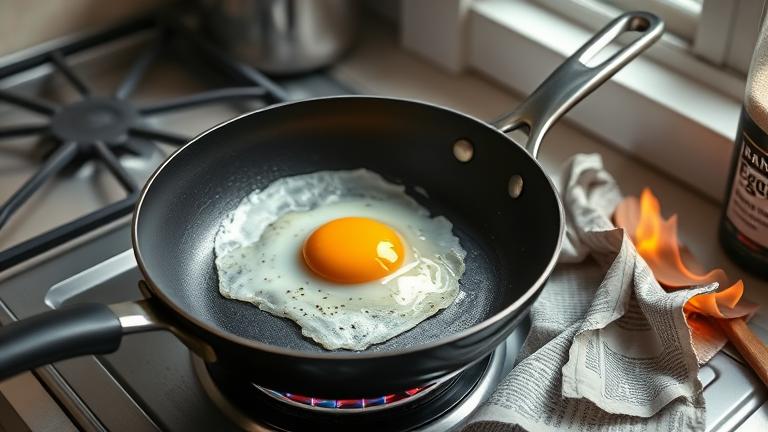
Is Frying Eggs in Newspaper Safe?
Many people wonder if it is safe to fry eggs using newspaper as a makeshift cooking surface or wrapper. It’s a common question because newspapers are strong, easy to find, and inexpensive. But before you try this trick, it is important to understand that using newspaper in the kitchen can pose health risks.
Newspapers are printed with ink, which often contains chemicals and dyes that are not safe to ingest. When exposed to heat, these inks can transfer onto your food, especially greasy items like eggs. This means some harmful substances from the ink can end up in your meal, which is not good for your health.
Most experts agree that frying eggs directly on newspaper or using it as a liner is not recommended. The ink and paper may release toxins into your food. Additionally, the paper can catch fire or burn easily when exposed to high heat, creating a fire hazard in your kitchen.
If you are looking for safe ways to cook or prepare eggs, there are much better options. Using non-stick pans, regular frying pans, or even parchment paper designed for cooking are all safe choices. These materials won’t transfer harmful chemicals to your food and can withstand the heat needed for frying eggs.
However, in some outdoor or emergency situations, people have used newspaper to wrap or transport food. While this might be convenient, it is better to avoid cooking directly on newspaper for safety reasons. If you do need to temporarily use newspaper to hold or carry eggs, make sure it’s clean and dry. Do not try to fry or cook eggs directly on it.
To sum up, frying eggs in newspaper is not a safe practice due to the risk of chemical transfer and fire hazards. Instead, stick to cookware like pans, grills, or oven-safe baking sheets. Your health and safety are worth using proper tools in the kitchen.
Risks of Using Newspaper in Cooking
Many home cooks have wondered if using newspaper in the kitchen is safe. While it might seem convenient to repurpose old newspapers for wrapping or lining, there are important health risks to consider. Using newspaper directly in cooking or as a contact surface can pose serious safety hazards that shouldn’t be ignored.
First, the biggest concern is ink transfer. Most newspapers use inks that are not food-grade and can easily smudge onto food. If the ink gets onto your hands, utensils, or food, it can be ingested unknowingly. Some inks contain chemicals or dyes that are not safe for consumption. This is especially true if the newspaper is used for wrapping hot foods or baked goods, where heat can cause the ink to leach out.
Another health risk comes from the paper’s material itself. Newspapers are typically made from recycled paper that may contain ink residues, adhesives, or other chemicals not intended for contact with food. When heated, these substances can release harmful fumes or migrate into your food, increasing the risk of poisoning or allergic reactions.
Using newspaper as a contact surface, such as lining baking trays or wrapping foods before cooking, can also lead to contamination. If the paper is not sanitized properly, bacteria or dirt from the paper’s outer layers may transfer to your food. Additionally, the rough texture of newspaper can sometimes damage delicate foods, like baked goods or fresh produce, and create tears that allow contamination to seep in.
There are other safety considerations to keep in mind. For instance, when newspapers are used to wrap fried foods before reheating or storing, the ink and chemicals can contaminate the food. This issue is not limited to hot foods; even cold storage can pose risks if the paper releases substances into the food over time.
While it might seem like a good idea to reuse old newspapers for eco-friendly wrapping, the potential health hazards outweigh the convenience. Instead, consider using parchment paper, silicone mats, or food-safe parchment wraps. These options are specifically designed for cooking and are much safer for your health.
Remember, safety first in the kitchen. If you’re ever unsure about a material’s food safety, it’s best to avoid it. Keeping in mind these risks of using newspaper in cooking can help you make smarter, safer choices for you and your family.
The Truth About Newspaper and Food Safety
If you’ve ever wondered whether it’s safe to use newspaper in your kitchen, you’re not alone. Many home cooks and beginners have heard stories about wrapping food or covering dishes with newspaper. But is it actually safe? Let’s clear up some common misconceptions and look at what official safety guidelines say about newspaper and food safety.
First, it’s important to understand that not all newspapers are the same. Newspapers are printed using inks and chemicals that are not meant to come into contact with food. Most newspapers use regular inks that contain dyes and solvents, which can transfer onto your food. This transfer can be harmful especially if ingested regularly or in larger amounts.
Official health agencies, like the Food and Drug Administration (FDA) and the Centers for Disease Control and Prevention (CDC), strongly recommend against using newspaper for wrapping, lining, or covering food. Their concern is that the inks and chemicals could pose health risks. For example, some inks contain lead or other heavy metals, which are especially dangerous for children and pregnant women.
What do safety guidelines suggest?
- Use food-safe materials: Instead of newspaper, use materials specifically designed for food contact. Wax paper, parchment paper, aluminum foil, or food-grade plastic wraps are safe choices.
- In case of wrapping leftovers: Always choose airtight containers or wrap your food with plastics labeled as food-safe. These materials prevent contamination and keep food fresh.
- Avoid using newspapers as a table cover or for lining baking pans: They aren’t meant for direct contact with food and can transfer inks or chemicals.
Practical tips for safe food handling:
- Check packaging labels: Always verify that wraps and papers are marked as food-grade or food-safe before using them in your kitchen.
- Be cautious with old newspapers: Even if they seem clean, the inks may have changed over time. It’s safer to use newer, food-safe alternatives.
- Use paper towels or clean cloths: For cleaning or handling food, opt for clean, disposable paper towels or cloths designed for kitchen use.
Common mistakes to avoid
- Wrapping hot foods directly in newspaper, which can cause inks to transfer onto the food.
- Using old newspapers or magazines that may contain outdated or unsafe inks.
- Assuming all printed materials are safe—stick to proven, food-safe options instead.
In summary, using newspaper directly on food or as a covering is not recommended. Stick with food-safe wraps, parchment paper, or other approved materials to keep your food safe and your family healthy. Remember, when in doubt, it’s better to choose safer, tested options for your kitchen.
Eco-Friendly Alternatives for Cooking
When it comes to cooking and food preparation, using eco-friendly alternatives can make a big difference for the environment. Many traditional materials like newspaper are often used in the kitchen, but they might not be the safest or most sustainable options. Luckily, there are plenty of environmentally friendly substitutes that are safe, reusable, and good for the planet.
One of the best eco-friendly options is silicone baking mats. These mats can be used repeatedly for baking cookies, roasting vegetables, or even yeast bread. They eliminate the need for disposable parchment paper or aluminum foil, which can both contribute to waste over time. Silicone mats are durable, dishwasher safe, and heat resistant, making them a practical choice for everyday cooking.
Another popular alternative is beeswax wraps. These reusable wraps are made from cotton fabric coated with beeswax, jojoba oil, and resin. They are perfect for wrapping sandwiches, covering bowls, or storing cheese. Beeswax wraps are biodegradable, breathable, and can be washed and reused dozens of times. They help cut down on plastic cling wrap, which often ends up in landfills or the ocean.
For food safety and convenience, consider using silicone food storage bags instead of traditional plastic bags. These are designed for storing leftovers or marinating foods. Silicone bags are non-toxic, freezer safe, and easy to clean. They also repel bacteria better than some plastic options, making them a healthier choice for your family and the environment.
When replacing newspaper or paper towels for cleaning or wrapping, look for eco-friendly alternatives like washable cloths or hemp-based products. Microfiber cloths are excellent for cleaning up spills without using harsh chemicals, and they can be washed in the washing machine after use. For wrapping food, consider cotton or linen towels that are soft, biodegradable, and reusable.
If you’re into outdoor or camp cooking, biodegradable food wraps made from plant-based materials are a great choice. These wraps decompose after use and do not release harmful chemicals into the environment. Some brands also offer compostable food containers, which break down in compost heaps rather than lingering in landfills.
Lastly, always think about your cookware. Cast iron, stainless steel, and ceramic pots and pans tend to be more durable and environmentally friendly than non-stick options, which can release chemicals over time. Choosing high-quality, long-lasting cookware reduces waste and the need for frequent replacements.
In summary, eco-friendly kitchen choices like silicone mats, beeswax wraps, reusable silicone bags, and sustainable cleaning cloths not only help protect the planet but also promote safer food handling. Making small changes in your cooking habits can lead to a greener footprint and a healthier home environment.
How Newspaper Affects Food Quality
Using newspaper in cooking or food storage might seem like a quick fix, but it can significantly impact the taste, texture, and overall quality of your food. Many home cooks have heard of wrapping items in newspaper, especially when preserving or cooling. However, the effects on food quality are important to understand before relying on this method.
First, newspapers often contain inks and dyes that are not meant for food contact. When food is wrapped in newspaper, especially if it’s hot or moist, these inks can transfer onto the food. This transfer can cause an undesirable taste, sometimes even a chemical aftertaste, which makes the food less pleasant to eat. For example, wrapping fish or cheese in newspaper may make it taste metallic or bitter after some time.
Beyond taste, texture can also suffer. Food wrapped in newspaper can become soggy or develop a strange film on their surface because the paper’s porous nature causes moisture to escape or absorb in unwanted ways. This can make crispy items lose their crunch or fresh produce turn mushy faster than expected.
Impact on Food Safety and Quality
- Inks and Dyes: The inks contain chemicals that are not designed for food contact. These chemicals can leach into food, especially when the food is warm or humid.
- Moisture and Bacteria: Newspaper is not sterile. If used for long periods, bacteria from the paper or environment can transfer onto your food, increasing the risk of contamination.
- Preservation Effectiveness: Newspaper is not a recommended barrier for preventing spoilage or keeping food fresh. It neither seals out air nor effectively controls humidity.
Practical Tips for Using Newspaper Safely
- Only use newspaper for non-food purposes, such as protecting surfaces or wrapping items during transport.
- If you choose to wrap food in paper, opt for food-grade wax paper, parchment paper, or specialized food wraps that are safe and do not leach chemicals.
- Unwrap food promptly to reduce contact time with potentially harmful inks or bacteria.
Better Alternatives for Food Preservation
If you want to wrap or store food effectively, consider options like plastic wrap, aluminum foil, or reusable silicone covers. These are designed for safe food contact and will keep your food tasting fresh and maintaining its texture.
In conclusion, while newspaper might seem like a handy material in a pinch, it is not suitable for wrapping or storing food if you care about taste, texture, and safety. Using proper food-safe wraps ensures your food remains high quality and healthy to eat.
Tips for Safe and Eco-Friendly Frying
Frying eggs can be quick, tasty, and satisfying, but it’s important to do it safely and in an environmentally friendly way. Whether you’re a beginner or someone looking to refine your technique, these tips will help you fry eggs with confidence and care.
First, choose the right cooking oil. Picking an oil with a high smoke point, like avocado or grapeseed oil, means you’ll prevent smoke and harmful fumes. Use just enough oil to coat the pan lightly. This not only reduces waste but also makes cleanup easier and more eco-friendly.
Always use a clean, stable pan that’s suitable for frying. Non-stick pans are popular because they require less oil and are forgiving for beginners. Warm the pan over medium heat before adding the oil. This helps prevent sticking and ensures even cooking.
When cracking eggs, do it gently to avoid shell pieces and reduce mess. To keep things tidy, crack eggs into a small bowl first, then slide them into the pan. This way, if an egg is spoiled or bad, you won’t ruin the entire batch.
Maintain the right temperature. Fry eggs over medium heat to avoid burning the bottom while the whites cook through. If the heat is too high, you might burn the oil, which can release toxins. Adjust the heat as needed during cooking.
For safety, never leave frying eggs unattended. Hot oil can splatter and cause burns, and unattended stovetops pose a fire risk. Keep a lid nearby, just in case you need to cover the pan quickly.
When it’s time to remove the eggs, use a slotted spatula to lift them gently. This helps keep their shape and avoids breaking yolks or whites. Drain any excess oil on a reusable cloth or paper towel if necessary, to minimize waste.
After cooking, cool used oil properly. Let it cool completely, then strain it through a fine cloth or sieve if you plan to reuse it. Store it in a sealable container and dispose of it responsibly at a recycling or hazardous waste facility. Never pour used oil down the drain, as it can clog pipes and harm the environment.
To make your frying more eco-friendly, consider upgrading to appliances like a cast iron skillet, which retains heat well and lasts for years. Also, use energy-efficient burners and match the pan size to your burner to save electricity or gas.
Finally, clean up thoughtfully. Wash dishes with eco-friendly soap and avoid harsh chemicals that can pollute water. Keeping your kitchen safe and green is all about mindful choices, from how you fry to how you dispose of leftovers and waste.
- Use high smoke point oils for safer frying.
- Preheat your pan and keep the heat moderate.
- Crack eggs into a small bowl first for safety and tidiness.
- Avoid leaving hot oil unattended to prevent accidents.
- Recycle used oil responsibly and avoid pouring it down drains.
Common Questions About Using Newspaper
Many home cooks wonder if using newspaper in cooking is safe and effective. Newspaper has been used for years to help keep food fresh or to wrap things, but it’s natural to have questions about how and when to use it. Here, we’ll answer some of the most common questions so you can feel confident in your cooking practices.
Is It Safe to Use Newspaper for Wrapping Food?
In general, it is not recommended to use newspaper for wrapping food that will be eaten directly. Most newspapers contain ink that may transfer to food, and some inks contain chemicals or dyes that shouldn’t be ingested. However, newspaper can be safely used to wrap non-food items or for tasks like lining a baking sheet or covering a dish temporarily.
If you’re looking for a safe alternative, consider using parchment paper, wax paper, or food-grade wrapping paper. These materials are designed specifically for contact with food and won’t transfer ink or chemicals.
Can I Use Newspaper for Cooking or Baking?
While some people have used newspaper to line grills or to wrap fish for baking, it is generally not safe. Printing inks and other chemicals in newspaper might release harmful substances when heated. Burning or roasting with newspaper is risky and can produce dangerous fumes.
Instead, use aluminum foil or dedicated baking paper for grilling, roasting, or baking tasks. These materials are safe for high temperatures and won’t contaminate your food.
What Are Some Uses of Newspaper in the Kitchen?
- Wrapping large cuts of meat for storage in the freezer
- Protecting surfaces when rolling out dough
- Absorbing excess moisture from vegetables or berries before refrigeration
- Using as a temporary cover for a dish while cooling
Keep in mind, when using newspaper, always check that the ink is minimal and that the paper is clean and dry.
Are There Better Alternatives to Newspaper for Food Storage?
Yes, there are safer and more effective options. For wrapping food to store in the fridge or freezer, use cling wrap, zip-top bags, beeswax wraps, or reusable silicone food covers. These are made for contact with food and are free from inks and chemicals.
For lining pans or covering food, parchment paper or silicone mats are great choices. They are food-safe and designed to withstand the temperatures involved in cooking or baking.
What Are Some Common Mistakes When Using Newspaper in Cooking?
- Using newspaper to wrap food that will be cooked or eaten directly
- Ignoring the potential transfer of ink or chemicals onto food
- Using damp or dirty newspaper, which can introduce bacteria
- Believing newspaper is a safe, permanent food storage solution
Remember, safety always comes first. When in doubt, choose food-safe materials designed specifically for cooking and storage.