
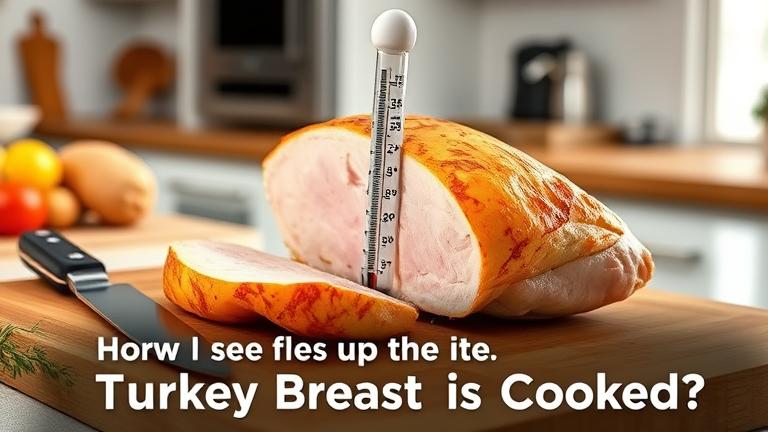
Tips for Checking Turkey Doneness
Knowing when your turkey breast is fully cooked is key to a tasty and safe meal. Under-cooked turkey can be unsafe, while overcooked meat becomes dry and tough. Luckily, there are simple and reliable ways to check if your turkey is done. Follow these friendly tips to ensure your bird is perfectly cooked every time.
1. Use a Meat Thermometer
The most accurate way to check turkey doneness is by using a digital meat thermometer. Insert it into the thickest part of the breast, avoiding bones, which can give a false reading. The turkey is safe and properly cooked when the internal temperature reaches 165°F (74°C). Always check the temperature close to the end of cooking, but don’t remove the bird too early, as the temperature might still rise slightly after you take it out of the oven.
2. Look for Clear Juices
If you don’t have a thermometer handy, another visual cue is the color of the juices. When you pierce the turkey with a fork or skewer, the juices should run clear. If the juices are tinged pink or reddish, the turkey might still be undercooked. Keep in mind that some pinkness can remain in cooked turkey, especially if it’s been injected or marinated, so use this tip with caution.
3. Check the Texture of the Meat
Properly cooked turkey meat will feel firm but still moist. When pressed with a fork or tongs, the meat should feel springy and not mushy. If it feels soft or gelatinous, it needs more cooking. Overcooked turkey, on the other hand, becomes very firm and dry. Use your judgment by feeling the meat’s texture to avoid serving a dry bird.
4. Observe the Skin and Surface
For turkey with skin on, a golden-brown, crispy surface is a good sign that it’s nearing completion. However, don’t rely solely on appearance. Always combine visual cues with temperature readings or juice checks. If the skin has browned too much but the meat is not yet at 165°F, cover the turkey loosely with foil to prevent burning while it finishes cooking.
5. Avoid Cutting Into the Turkey Too Early
Resist the temptation to cut into your turkey immediately after removing it from the oven. Juices will run out, and the meat may appear pink, tempting you to cook it longer. Instead, wait at least 15 minutes. This rest period allows juices to redistribute, making the meat more flavorful and easier to judge for doneness.
6. Use Multiple Methods
For the best results, combine these tips. Check the temperature, look for clear juices, and assess the meat’s texture. This layered approach helps you catch any signs of undercooking or overcooking, giving you confidence that your turkey is ready to carve and serve.
- Always ensure the thermometer reads 165°F in the thickest part of the breast.
- Look for clear, not pink, juices when piercing the meat.
- Rest the turkey for at least 15 minutes before carving.
Signs of Fully Cooked Turkey Breast
Cooking turkey breast to perfection is essential for a juicy, flavorful meal that’s also safe to eat. Knowing the right signs that your turkey breast is fully cooked will help you avoid undercooking or overcooking. Here are some practical tips and key indicators to look for.
First, the most reliable way to check if your turkey breast is done is with a meat thermometer. Insert the thermometer into the thickest part of the breast, avoiding bones or fat. When the internal temperature reaches 165°F (74°C), the turkey is considered safe to eat. This temperature ensures harmful bacteria are killed while keeping your meat moist and tender.
Visual cues are helpful as well. The juices should run clear when poking the thickest part of the breast with a fork or knife. If the juices are pink or blood-tinged, the turkey needs more cooking. The meat’s color is a good, but secondary indicator—cooked turkey should appear white or light tan, not pinkish.
Touch can also guide you. When the turkey breast is fully cooked, it will feel firm but still have some bounce. If it is very soft or squishy, it needs more time. Conversely, if it feels extremely firm and dry, it might be overdone. Practice makes perfect with this test, as it takes a little experience to judge the right firmness.
Another sign is the appearance of the surface. While not a definitive indicator on its own, a uniformly browned or golden exterior often suggests proper cooking. However, color alone can be misleading, especially if you’re roasting with foil or at lower temperatures.
Allow the turkey to rest after removing it from the oven, about 10-15 minutes. During this time, the juices redistribute, and the internal temperature may rise slightly. Checking the temperature at this point will give you a more accurate reading of doneness.
Lastly, avoid slicing the turkey breast immediately after cooking. Cutting too early can cause juices to escape, leaving the meat dry. Always wait for the resting period and double-check with a thermometer before serving.
Here are quick tips for ensuring your turkey breast is fully cooked:
- Always use a reliable meat thermometer.
- Check for clear juices and white meat color.
- Press gently to assess firmness.
- Allow resting time before slicing.
By keeping these signs in mind, you can confidently cook turkey breast that is safe, moist, and delicious every time.