
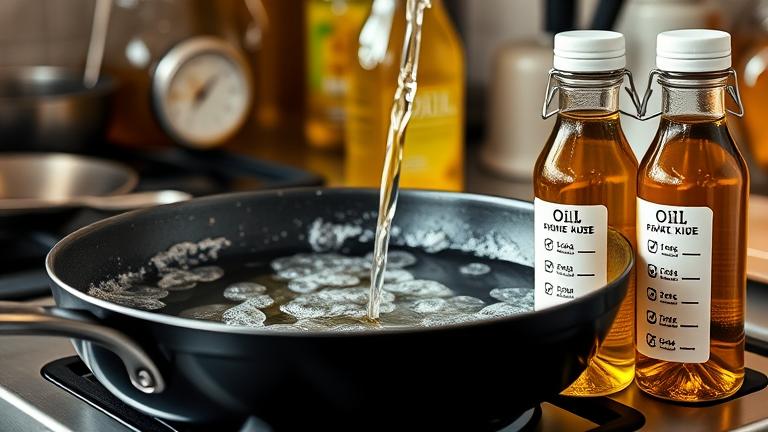
How Reusing Cooking Oil Affects Food Quality
Reusing cooking oil is a common practice, especially when frying at home or in busy kitchens. While it can save money and reduce waste, it’s important to understand how repeated use of oil impacts the flavor, texture, and overall quality of your fried foods. Over time, oil breaks down, and this change can influence your dishes in several ways.
When you reuse oil, it gradually deteriorates due to exposure to heat and air. This process is called oil degradation. As the oil degrades, it can develop off-flavors that transfer to your food, making it taste less fresh and sometimes even bitter or rancid. The smell of reused oil can also become stronger and less appealing, which might affect your enjoyment of the meal.
Not only does flavor suffer, but the texture of fried foods can also change. Fresh oil produces a crispy, golden crust, but as the oil gets older, the food might turn out soggy or greasy. The coating may not crisp up properly, leading to a less appetizing bite. This is because degraded oil can cause the formation of larger bubbles, which interfere with the browning and crispiness you’d typically expect.
The appearance of your fried items can tell you a lot about the quality of the oil used. When oil is past its prime, fried foods might look dull rather than shiny and golden. You may notice black spots or a darker hue that indicates the oil is breaking down. These signs signal that the oil is no longer suitable for frying and could negatively impact the food’s presentation.
How to Tell If Your Oil Is No Longer Good
- Smell: Rancid or off-putting odors indicate that the oil has degraded.
- Color: Darker than usual oil or with black spots suggests it’s time to replace it.
- Food Quality: If fried foods are consistently turning out soggy or have an unpleasant taste, the oil may be past its best.
- Foaming: Excessive foaming during frying can also signal that the oil is breaking down.
Practical Tips for Reusing Oil Safely
- Strain the oil after each use to remove food particles that can accelerate spoilage.
- Store used oil in a cool, dark place in a sealed container.
- Limit reuse to about 3-4 times, depending on what you fry and the oil’s condition.
- Dispose of oil if it develops a bad smell, color, or foam during heating.
By paying attention to these signs and tips, you can enjoy delicious fried foods while maintaining good oil quality. Remember, while reusing oil can be convenient, fresh oil always yields the best flavor, texture, and appearance in your dishes.
Signs Your Oil Is No Longer Good
Knowing when cooking oil has gone bad is essential for safe cooking and tasty food. Using old or spoiled oil can affect the flavor of your dishes and may even pose health risks. Fortunately, there are clear signs to watch for that tell you it’s time to replace your oil.
The first thing to check is the appearance of the oil. Fresh oil usually has a clear, golden or light amber color. When oil starts to go bad, it often becomes darker or cloudy. If you notice a murky or thick consistency, it might be spoiled. Sometimes, old oil develops sediment or has bits floating on the surface, which indicates it’s past its prime.
Next, give the oil a sniff test. Good oil has a neutral or slightly nutty aroma, depending on the type. If your oil smells sour, musty, or rancid, it’s definitely no longer good. Rancidity is a common sign of spoilage, caused by exposure to air, heat, or light over time. Trust your nose—if it smells off or unpleasant, discard it.
Another important indicator is the smoke point. When oil is fresh, it has a high smoke point, meaning it can be heated to a certain temperature without burning. As oil ages, its smoke point decreases. If your oil starts to smoke at a lower temperature or produces a lot of smoke quickly, it’s a sign it has deteriorated. Burning oil not only affects taste but can also produce harmful compounds.
Paying attention to the shelf life is also helpful. Most cooking oils have a recommended use-by date printed on the bottle. While some oils like olive oil or sesame oil last longer, others like flaxseed or walnut oil spoil faster. Even if the date hasn’t passed, monitor the oil’s appearance, smell, and behavior when heated.
Be aware of the taste as well. If you taste a tiny amount and it tastes sour or bitter compared to fresh oil, it’s best to discard it. Do not rely solely on taste when cooking, but it can be a helpful final check.
Lastly, if you notice any change in texture—such as stickiness or a sticky film on the surface—it’s best to throw out the oil. These changes indicate oxidation and spoilage that can affect the quality and safety of your food.
| Signs of Spoiled Oil | Description |
|---|---|
| Color | Dark, cloudy, or murky appearance |
| Smell | Sour, musty, or rancid odor |
| Smoke Point | Burns or smokes at low temperatures |
| Texture | Sticky or film on surface |
| Appearance | Sediment, particles floating |
- Always store oil in a cool, dark place to extend its shelf life.
- Use clean utensils to avoid contamination.
- Trust your senses — smell and look are your best guides.
- If in doubt, it’s safer to replace the oil rather than risk spoilage.
Health Risks of Reusing Oil Too Often
Many home cooks reuse cooking oil to save money and reduce waste. While it might seem like a good idea, reusing oil too many times can pose serious health risks. When oil is used repeatedly, it can break down and produce harmful substances that may affect your health over time.
One of the main concerns is the formation of harmful compounds called free radicals and aldehydes. These are generated when oil is heated repeatedly to high temperatures. Consuming foods cooked in such oil can increase your risk of inflammation, which is linked to chronic illnesses like heart disease and some types of cancer.
Another issue is the buildup of trans fats and oxidized fats. Trans fats are known to raise bad cholesterol levels and lower good cholesterol, increasing the risk of heart problems. Oxidized fats can also cause oxidative stress in the body, which damages cells and contributes to aging and disease.
Reusing oil also leads to an increase in calorie content. When oil is heated repeatedly, it loses some of its moisture and releases free fatty acids. This process makes fried foods more calorie-dense and less healthy. Eating foods fried in reused oil regularly can lead to weight gain and related health issues like obesity and diabetes.
It’s also worth noting that the taste and smell of foods fried in old oil often decline. The oil can develop a rancid smell, and foods may taste off or greasy. This is a sign that the oil is breaking down and should be discarded.
Common health risks associated with reusing oil:
- Increased risk of inflammation: The harmful compounds can trigger inflammation in your body, which is linked to many chronic diseases.
- Heart health concerns: Elevated trans fats and oxidized fats can contribute to clogged arteries and heart problems.
- Digestive issues: Consuming food cooked in degraded oil may cause stomach discomfort or indigestion.
- Weight gain and metabolic issues: Higher calorie content from reused oil can contribute to obesity and insulin resistance.
Practical tips to minimize health risks:
- Use fresh oil whenever possible, especially for high-temperature frying.
- Limit the number of times you reuse cooking oil—usually no more than two or three uses.
- Strain the oil after each use to remove food particles that can accelerate breakdown.
- Store used oil in a cool, dark place to slow the oxidation process.
- Discard oil that smells rancid, has a sticky consistency, or appears dark and thick.
By paying attention to these signs and following these tips, you can enjoy tasty fried foods without compromising your health. Remember, while reusing oil can be convenient, moderation and proper handling are key for your well-being.
How to Store Used Cooking Oil Properly
Storing used cooking oil properly is important to keep it fresh and safe for future uses. Whether you plan to reuse it a few times or dispose of it, correct storage helps prevent spoilage and reduces mess. With the right containers and storage conditions, you can extend the life of your used oil and avoid unpleasant odors or pests in your kitchen.
Choose the Right Container
The first step is selecting an appropriate container for storing used cooking oil. Look for a container made of glass, metal, or heavy-duty plastic that seals tightly. Avoid flimsy or porous containers, as they may leak or allow air to get in, which speeds up spoilage.
- Glass jars with tight-fitting lids are ideal. They’re durable, non-reactive, and easy to clean.
- Metal containers like aluminum or stainless steel are also great options, especially if they have a secure lid.
- Plastic bottles should be labeled as food-grade and have a tight seal. Avoid bottles that previously held other chemicals or non-food items.
Always make sure the container is clean and dry before pouring in the used oil. Residues or moisture can cause mold and spoilage.
Proper Storage Conditions
Once you have the right container, store the used oil in a cool, dark place. Light and heat can cause the oil to go rancid faster, leading to bad smell and taste. A pantry shelf away from heat sources like the stove or oven is perfect.
Keep the container sealed tightly after each use to prevent air from entering. Oxygen exposure speeds up oxidation and spoilage, so always close it properly.
Additional Tips for Safe Storage
- Label your container clearly with the date of collection. This helps you keep track of how long the oil has been stored.
- Avoid mixing used oil with fresh oil. If you reuse oil, only add small amounts at a time rather than pouring fresh oil into older used oil.
- Dispose of used oil safely if it develops a sour smell, foams excessively during cooking, or becomes dark and viscous. Do not pour it down the drain, as that can clog pipes and harm the environment.
- Consider recycling options. Many communities have recycling programs for used cooking oil that can convert it into biodiesel or other products.
Common Mistakes to Avoid
Don’t store used oil at room temperature in warm or sunny spots. This encourages spoilage. Avoid reusing oil too many times, as each use introduces food particles and accelerates deterioration. Also, skip leaving the lid slightly open, since exposure to air leads to rancidity.
By following these simple storage tips, you can make the most of your used cooking oil, keeping it fresh longer and ensuring safety in your kitchen. Proper storage not only saves money but also helps protect the environment when you dispose of it responsibly.
Best Practices for Extending Oil Life
Cooking oil is a versatile ingredient that can be reused to save money and reduce waste. But to get the most out of your oil, it’s important to follow some simple best practices. Proper filtering, temperature control, and smart usage techniques can make your oil last longer and cook safer and tastier meals.
First, always strain your oil after each use. When you finish frying or cooking, let the oil cool down slightly. Then, use a fine mesh sieve or a piece of cheesecloth to remove food particles, crumbs, and bits. These small bits can burn during the next use, causing off-flavors and breaking down the oil faster. Keeping your oil clear of debris helps maintain its quality longer.
Next, pay attention to the temperature at which you cook. Overheating oil speeds up its degradation. Use a thermometer to keep the oil steady and avoid exceeding the recommended temperature for your oil type. For example, many vegetable oils are best kept below 375°F (190°C). If you see smoke or smell a burnt aroma, it means the oil is breaking down and should be replaced or cooled immediately.
Another key tip is to avoid mixing old oil with fresh oil. When you add new oil to leftover oil, it can cause uneven cooking and reduce the lifespan of the entire batch. Instead, keep older oil separate and use it for dressings or lower-heat cooking, where its quality won’t matter as much. Reserve fresh oil for high-temperature frying or delicate recipes.
Store your oil properly to prevent it from spoiling. Keep bottles in a cool, dark place away from direct sunlight and heat sources. Exposure to light and heat speeds up oxidation, which causes the oil to go rancid faster. Transfer your oil into a clean, airtight container if the original bottle is not suitable for long-term storage. This helps protect it from oxygen and moisture, both of which can degrade quality.
Be mindful of how often you reuse oil. Even with proper filtering and storage, oil naturally breaks down over time. Generally, oils can be reused about 3 to 4 times for frying, but this can vary depending on the type of oil and what you cooked. For instance, deep-frying heavily battered foods will degrade your oil faster than frying simple vegetables.
Look out for signs that your oil has reached the end of its lifespan: a foul smell, a change in color (darkening), or a sticky texture. If these occur, it’s best to discard the oil safely and start fresh. Reusing oil past its prime can lead to off-flavors and potentially harmful compounds.
- Use a thermometer to monitor cooking temperature
- Filter oil after each use to remove food debris
- Store oil in a cool, dark place in an airtight container
- Limit reuse to about 3-4 times, depending on the type of oil and cooking methods
- Check for signs of degradation before reusing
Following these simple tips can help you get the most value from your cooking oil. With good filtering, careful temperature control, and proper storage, you can extend its life and enjoy delicious, safe meals every time.
When to Dispose of Cooking Oil Safely
Knowing when to dispose of cooking oil safely is important for both your health and the environment. Used cooking oil can become less effective over time and may pose health risks if reused too many times. Plus, improper disposal can lead to clogged drains and environmental pollution. Clear guidelines help you handle used oil responsibly and keep your kitchen and the planet happy.
First, pay attention to the smell, appearance, and consistency of your oil. Fresh cooking oil usually has a mild aroma and clear appearance. When the oil develops a rancid smell, becomes dark, or gets thick or sticky, it’s time to consider disposal. Sometimes, small changes like visible food particles or excessive smoking during frying can also signal that the oil has gone bad.
Knowing the right time to toss your oil helps prevent health issues and ensures quality in your cooking. Reusing oil a few times is normal, especially for deep frying. However, each reuse degrades its quality. If you’ve used the oil multiple times and it shows signs of spoilage, dispose of it safely. That way, you avoid unpleasant flavors or potential health risks in future dishes.
How to Safely Discard Used Cooking Oil
Disposing of used cooking oil improperly can clog pipes, harm wildlife, and pollute water sources. To do your part in protecting the environment, follow these safe disposal methods:
- Let the oil cool completely after cooking. Never pour hot oil down the drain, as it can harden and cause blockages.
- Once cooled, strain the oil to remove food particles. This helps prevent clogging in the disposal container or recycling system.
- Pour the oil into a sealed, non-breakable container, like an empty milk carton or a plastic jug. Label it clearly as used cooking oil.
- Check your local regulations. Many communities have specific disposal or recycling programs for used cooking oil. Some areas offer special collection services or drop-off sites.
Environmentally Friendly Disposal Methods
If recycling or collection options are available in your area, take advantage of them. Many recycling facilities convert old cooking oil into biodiesel, a renewable energy source. Here’s what you can do:
| Method | Description | Tips |
|---|---|---|
| Recycling programs | Reuse your oil by taking it to a designated recycling center or collection point. | Check local websites or call waste management to find the nearest facility. |
| Home composting | Only small amounts of used, vegetable-based oil can go into compost if allowed by your local rules. Always check first. | Mix the oil with plenty of compostable materials to help it break down safely. |
| Solidification | Absorb the oil with unwanted coffee grounds, kitty litter, or paper towels, then dispose of it in the trash. | Make sure the solidified mixture is sealed in a bag to prevent leaks. |
What Not to Do When Disposing of Oil
- Do not pour used cooking oil down the drain or toilet. It can solidify and cause costly blockages.
- Avoid pouring it into the yard or garden, as it can harm plants and animals.
- Never dump oil in the trash without proper solidification, as it can leak and create messes.
Handling used cooking oil carefully not only extends the life of your kitchen appliances but also protects the environment. Always follow local regulations, and when in doubt, reach out to your community waste management services for advice. Responsible disposal is a small act with a big impact on community health and environmental sustainability.
Tips for Safer and Greener Frying
Frying can be a delicious way to prepare your favorite foods, but it also requires care to stay safe and protect the environment. By following some simple tips, you can enjoy crispy, tasty meals while minimizing risks and reducing waste.
First, always use the right amount of oil for frying. Pour enough oil to cover the food without overflowing the pan. Overfilling increases the chance of spills or splatters, which can cause burns or fires. Use a deep, heavy pan or a fryer with a lid for better control and safety. When heating the oil, monitor the temperature carefully. The ideal frying temperature is usually between 350°F and 375°F (175°C to 190°C). Use a thermometer to check this, since overheated oil can catch fire, and too-cold oil will make food greasy and soggy.
Avoid adding water or wet foods directly into hot oil. Water causes bubbling and splattering, which increases the risk of burns. Pat food dry with paper towels before frying to reduce splatters. Always stay nearby when frying and keep a fire extinguisher or baking soda close in case of emergencies. Never use water to put out an oil fire. Instead, turn off the heat and carefully smother the flames with a lid or fire blanket.
When it’s time to dispose of used oil, do it responsibly. Never pour oil down the drain, as it can clog pipes and harm the environment. Let the oil cool completely, then strain it through a fine sieve or cloth to remove food particles. Store it in a sealed container if you plan to reuse it or take it to a recycling center. Many communities have special drop-off locations for used cooking oil. Reusing oil a few times can be okay, but avoid using oil past its smoke point, where it starts to break down and create harmful compounds.
To be more eco-friendly, consider alternatives to traditional frying. Air fryers use minimal oil and still deliver crispy results, saving money and reducing waste. If you prefer deep frying, choose oils with high smoke points, like sunflower or avocado oil, which last longer and withstand higher temperatures. When shopping, look for oils that are sustainably sourced and free from additives.
Finally, clean your frying equipment properly after each use. Let the oil cool, then drain it into a container for reuse or disposal. Wash your pans with hot water and a gentle scrubber, avoiding steel wool or harsh chemicals that can harm the environment. Keeping your frying setup clean reduces smoke and fire hazards, while also extending the life of your cookware.
By following these tips for safer and greener frying, you can enjoy tasty fried foods responsibly. Think safety first and be mindful of your impact on the environment. With a little planning and care, frying can be both fun and eco-friendly.