
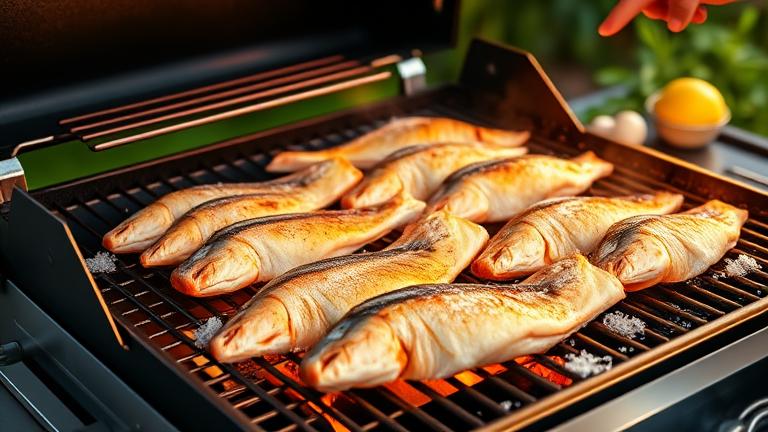
Best Ways to Grill Frozen Fish
Grilling frozen fish can be a quick and easy way to enjoy a delicious seafood meal without waiting for it to thaw. When done right, grilling frozen fish keeps it moist, tender, and full of flavor. The key is to adjust your methods slightly to account for the fact that the fish starts out frozen. With a few simple tips and techniques, you’ll be able to master grilling frozen seafood with confidence.
The first step is selecting the right type of fish for grilling. Fish like salmon fillets, tuna steaks, or firm white fish such as cod or halibut work well when frozen because they hold up better on the grill. These options tend to cook evenly and stay moist. Softer, flaky fish like tilapia may be a bit trickier and require more careful handling to prevent drying out.
Before grilling, it’s a good idea to rinse the frozen fish under cold water to remove any ice crystals. This helps it cook more evenly. Pat the fish dry gently with paper towels to remove excess moisture. Lightly brushing the fish with oil or a marinade can also help prevent sticking and improve flavor during grilling.
embed code:
Method 1: Direct Grilling from Frozen
This is the simplest method but requires some attention. Preheat your grill to medium-high heat, about 375 to 400 degrees Fahrenheit. Place the frozen fish directly on the grill grates. Be careful to avoid overcrowding so the heat circulates well.
Cook the fish for about 4 to 6 minutes per side, depending on thickness. Turn once the surface is seared and the fish releases easily from the grill. Keep an eye on it to prevent burning or drying out.
One tip is to use a fish basket or a piece of aluminum foil if you’re concerned about delicate fillets falling apart. This makes handling easier and helps maintain the shape.
Method 2: Thaw Slightly First
If you prefer more control over the cooking process, you can thaw the fish slightly before grilling. To do this quickly, place frozen fish in a sealed plastic bag and submerge in cold water for about 15 to 20 minutes. Pat dry and then proceed to season and oil as usual.
This method ensures more even cooking and reduces the risk of uneven doneness. It’s especially helpful if you’re cooking thicker fillets or whole fish. Remember to cook the fish immediately after thawing to prevent any bacteria growth.
Method 3: Indirect Grilling with Heat Control
For larger pieces or whole fish, indirect grilling is a great option. Preheat your grill with one side set to high heat and the other to low or off. Place the fish on the cooler side after searing briefly over the high heat.
Close the lid and let the fish cook gently. This method allows the heat to penetrate slowly, keeping the fish moist and tender. Use a probe thermometer to check for doneness—look for an internal temperature of about 145 degrees Fahrenheit.
Safety Tips:
- Always cook fish to the recommended internal temperature to ensure safety.
- Avoid defrosting fish at room temperature to prevent bacterial growth.
- Use a clean brush or paper towel to remove ice crystals for even cooking.
With the right techniques, grilling frozen fish can be both simple and satisfying. Whether you like it seared, tender, or perfectly flaky, these methods will help you get great results every time.
Tips for Perfectly Cooked Fish
Cooking fish just right is all about understanding the right temperature and timing. Whether you’re grilling, baking, or pan-frying, achieving the perfect doneness can make your fish tender, flaky, and full of flavor. Here are some practical tips to help you get it just right every time.
Know Your Fish
Different types of fish vary in their cooking needs. With firmer fish like salmon or swordfish, you can cook them longer without losing texture. Delicate fish such as cod or flounder cook quickly and can easily become overdone.
Check your fish’s thickness—thicker fillets need more time to cook through evenly. If you’re unsure, using a digital thermometer is a reliable way to know when it’s done.
Use a Food Thermometer
The most accurate way to ensure your fish is perfectly cooked is to use a kitchen thermometer. The USDA recommends an internal temperature of 145°F (63°C) for most fish. When the fish reaches this temperature, it should be opaque and flake easily with a fork.
If you prefer a slightly softer texture, you can remove it from the heat when it hits about 140°F (60°C). Keep in mind, the fish will continue to cook slightly after removal due to residual heat.
Timing Tips
- As a general rule, bake or grill fish for about 10 minutes per inch of thickness.
- Pan-fry sturdy fillets for about 3-4 minutes per side.
- If using the oven, preheat to 375°F (190°C) and check often after the midpoint of cooking.
Always keep a close eye after the initial cooking time. Fish can go from perfectly cooked to overdone very quickly, especially in high heat or thin cuts.
Visual Cues for Doneness
Look for an opaque appearance—raw fish will be translucent and shiny. When cooked, it turns opaque and white or pink, depending on the type. Flakes easily with a fork, but avoid over-flaking, which can lead to dry fish.
If you press gently on top with a fork or finger, it should give slightly. Remember, removing fish a little early is better than overcooking. It will finish cooking with its residual heat.
Practical Tips for Juicy, Flavorful Fish
- Marinate fish briefly to add flavor but avoid overly acidic marinades, which can break down delicate flesh.
- Use a light coating of oil or butter to keep the fish moist during cooking.
- Rest cooked fish for about 2 minutes before serving to let the juices settle.
With these tips, you’ll improve your fish-cooking skills and enjoy tender, flavorful results every time. Practice makes perfect—so don’t be discouraged if it takes a few tries to master your favorite method.
Common Mistakes to Avoid
Grilling frozen fish can be a quick and convenient way to enjoy a healthy meal. However, many home cooks run into common mistakes that can affect the taste, texture, and overall success of the dish. Knowing what to watch out for can help you avoid these pitfalls and achieve delicious, perfectly grilled fish every time.
One of the biggest errors is overcooking the fish. Since frozen fish is often thicker or denser right out of the freezer, it can take longer to cook through. If you don’t keep an eye on the timing, you might end up with dry, tough meat. To prevent this, use a reliable meat thermometer and aim for an internal temperature of 145°F (63°C). When the fish flakes easily with a fork, it’s usually ready.
Another common mistake is not properly seasoning the fish before grilling. Frozen fish can be a bit bland if you skip this step. It’s a good idea to brush the fish with oil and sprinkle on salt, pepper, and your favorite herbs or spices before placing it on the grill. This helps develop flavor and prevents the fish from sticking to the grill grates. Avoid seasoning during the last minutes of cooking, as moisture and seasoning can fall off if added too late.
Many grilled fish beginners also fall into the trap of not pre-heating the grill enough. Cold or partially heated grills cause sticking and uneven cooking. Always preheat your grill to medium-high. This creates a hot surface that helps sear the fish, keeping it from sticking and ensuring it cooks evenly.
Another mistake to avoid is handling the fish too often while grilling. Flipping it too many times can break apart the delicate flesh, leaving you with a mess instead of a nice fillet. The best approach is to wait until the fish naturally releases from the grill grates before flipping. Usually, this takes about 3 to 4 minutes per side, depending on thickness. Use a spatula gently to turn the fish only once for the best results.
Some people forget to thaw the fish slightly or don’t remove it from the freezer in advance. While you don’t need to fully thaw frozen fish before grilling, letting it sit at room temperature for a few minutes can improve cooking evenness. This way, the outside doesn’t cook much faster than the inside, which can lead to burned edges and raw centers.
Finally, don’t forget about safety. Fish should be cooked to a safe internal temperature. Overcooking can lead to dryness, but undercooking is risky. Use a digital thermometer for peace of mind, especially when grilling thicker cuts or whole fish. Also, be mindful to clean your grill after cooking to prevent bacteria from leftover raw fish from contaminating other foods.
By avoiding these common mistakes — overcooking, poor seasoning, inadequate preheating, excessive handling, and improper thawing — you’ll be able to enjoy perfectly grilled frozen fish. Practice makes perfect, and soon you’ll be grilling tasty, flaky fish with confidence every time.
How Long to Cook Frozen Fish
Cooking frozen fish on the BBQ can be convenient and yummy, but it’s important to get the timing right. The goal is to cook it enough to be safe and preserve its flavor and texture. The cooking time mainly depends on the type of fish and how thick the fillet or steak is.
When grilling frozen fish, remember that it will slightly take longer than fresh or thawed fish. Typically, you should add about 50% more time to your usual cooking duration. This way, you won’t end up serving undercooked or raw fish.
The first step is to know the type of fish you’re cooking. Fish like salmon, cod, tilapia, and haddock all have different cooking needs. A general rule of thumb is to cook fish for about 10 minutes per inch of thickness when thawed. For frozen fish, add approximately 5 more minutes per inch.
| Fish Type | Fresh/Thawed Cooking Time | Frozen Fish Cooking Time (per inch of thickness) |
|---|---|---|
| Salmon Fillet | 8–10 minutes | 13–15 minutes |
| Cod Fillet | 8–10 minutes | 13–15 minutes |
| Tilapia | 6–8 minutes | 11–13 minutes |
| Haddock | 8–10 minutes | 13–15 minutes |
Keep in mind that these times are estimates. The best way to tell if your fish is done is to check its internal temperature. The Food and Drug Administration recommends cooking fish to an internal temperature of 145°F (63°C). When done, the fish should be opaque and flake easily with a fork.
Here are some practical tips for grilling frozen fish successfully:
- Preheat your BBQ to medium-high heat to get a good sear.
- Oil the grill grates lightly to prevent sticking.
- If your fish has skin, start with the skin side down.
- Use a fish basket or foil to keep small or delicate pieces from falling apart.
- Be patient: frozen fish may take a few extra minutes, but avoid rushing or cranking up the heat to high as this can burn the outside while leaving the inside undercooked.
- Turn the fish carefully with tongs or a spatula during cooking to promote even grilling.
Sometimes, cooking times can vary based on your grill, the fish’s thickness, and even outdoor weather conditions. Always check the fish at the minimum time and then gauge if it needs a little more by examining its appearance and internal temp.
Finally, once your fish reaches the perfect doneness, let it rest for a minute or two off the heat. This helps the juices settle so your fish stays moist and flavorful. With these guidelines, cooking frozen fish on the BBQ can turn into a quick, tasty, and safe meal every time.
Seasoning and Flavor Ideas
Enhancing frozen fish with the right seasoning and marinades can turn a simple meal into a delicious feast. Whether you like it spicy, zesty, or mild, there are plenty of creative ways to boost flavor without much fuss. The key is to choose seasonings that complement the fish’s delicate taste while adding your personal touch.
Start with basic herbs and spices to elevate the natural flavor. Lemon zest, garlic powder, and black pepper are classic choices that work well together. Just sprinkle these over the fish before cooking, or mix them into a quick marinade. For a little extra brightness, squeeze fresh lemon or lime juice over the fish after it’s cooked. This adds a fresh, tangy flavor that pairs nicely with the tender fish meat.
Marinade Ideas to Try
- Garlic Herb Marinade: Mix olive oil, minced garlic, chopped parsley, and a pinch of salt. Cover the fish and let it sit in the fridge for 15-30 minutes before cooking. The garlic infuses the fish with rich flavor, while herbs add freshness.
- Spicy Chili Lime: Combine lime juice, chili powder, cumin, and a splash of honey. Marinate for about 20 minutes to add a smoky, spicy kick. This is perfect if you enjoy bold, adventurous flavors.
- Sweet and Savory: Blend soy sauce, honey, ginger, and a little sesame oil. This marinade gives a nice balance of sweetness and umami, excellent for baking or grilling.
Creative Seasoning Combos
Don’t be afraid to mix and match seasonings based on your taste. Here are some popular flavor profiles to inspire you:
- Italian Style: Use dried oregano, basil, garlic powder, and a drizzle of olive oil. Finish with a sprinkle of Parmesan cheese if desired.
- Asian Inspiration: Try a marinade of soy sauce, rice vinegar, ginger, and a touch of honey or brown sugar. Garnish with chopped scallions after cooking.
- Southern Flavors: Season with paprika, cumin, onion powder, and a pinch of cayenne pepper. This gives a smoky, spicy taste great for baking or skillet cooking.
Quick Tips for Perfectly Flavored Fish
- Always pat the fish dry before applying seasonings to help them stick better.
- Marinate for at least 15 minutes but no longer than an hour to keep the fish tender.
- If using a wet marinade, let excess drip off before cooking to prevent flare-ups on the grill.
- Adjust seasoning levels to match your taste preference — start small, then add more if needed.
Remember, the right seasoning can really bring your frozen fish to life. Experiment with different herbs, spices, and marinades to find your favorite flavor combinations. Whether you keep it simple with lemon and garlic or go bold with spicy or savory blends, your taste buds will thank you for the effort!
Safety Tips for Cooking Frozen Fish
Cooking frozen fish can be a quick and convenient way to enjoy a healthy meal. However, it is essential to follow safety precautions to ensure the fish is cooked properly and safely. Improper handling or cooking of frozen fish can lead to foodborne illnesses, which we all want to avoid. In this section, you’ll find friendly and practical tips to help you cook frozen fish safely and confidently.
1. Keep Fish Frozen Until Ready to Cook
Always keep your fish frozen until you are ready to cook. Keeping it cold prevents bacteria growth. If you need to thaw the fish, do so safely in the refrigerator or on the coldest part of your countertop for a short period. Avoid leaving fish at room temperature for more than two hours.
2. Thaw Properly When Needed
For even cooking, it’s best to thaw frozen fish before grilling, especially for thicker fillets. Thaw it in the refrigerator overnight or use the microwave’s defrost setting if you’re in a hurry. Remember: never thaw fish on the counter for too long, as this increases the risk of bacteria growth.
3. Check the Fish for Signs of Quality
Before cooking, inspect your fish. It should have a fresh smell, not a sour or ammonia-like odor. The flesh should be firm and moist, not slimy or discolored. These signs indicate if the fish is safe to cook and eat.
4. Use a Food Thermometer
A food thermometer is your best friend in ensuring food safety. Cook fish until it reaches an internal temperature of 145°F (63°C). The fish should be opaque and flake easily with a fork. Checking temperature helps you prevent undercooking, which can harbor harmful bacteria.
5. Avoid Cross-Contamination
Always wash your hands, utensils, and surfaces thoroughly after handling raw fish. Keep raw fish separate from other foods, especially ready-to-eat items like salads or bread. Use separate cutting boards for fish and vegetables if possible.
6. Cook Fish Evenly
When grilling frozen fish directly, cook it on a medium heat to allow the inside to heat through without burning the outside. Cover the grill to help heat evenly. Turn the fish halfway through cooking to ensure even heat distribution.
7. Don’t Rely on Color or Texture Alone
Color changes or texture are not always reliable indicators of doneness. Use your thermometer to confirm the fish has reached the correct internal temperature. This is especially important with thicker fillets or whole fish.
8. Store Leftovers Safely
If you have leftover cooked fish, refrigerate it within two hours. Store it in airtight containers and consume within two days. When reheating, ensure it reaches at least 165°F (74°C) for safety.
9. Be Aware of Safe Storage Times
| Frozen Fish Storage Time | Quality Tips |
|---|---|
| Up to 6 months for best quality | Label fish with date it was frozen |
| Less than 12 months for whole fish | Use within recommended time to prevent freezer burn |
By following these safety tips, your grilled frozen fish will be both delicious and safe to eat. Proper handling, cooking to the right temperature, and good hygiene make all the difference in preventing foodborne illnesses. Happy grilling!
Easy Recipes for Frozen Fish
Cooking with frozen fish on the BBQ can be a quick and tasty way to enjoy a delicious meal without much fuss. No need to thaw the fish first; with the right techniques, you can get perfect results every time. This guide shares simple recipes and tips to help you make the most of frozen fish on your grill.
Preparing Frozen Fish for the BBQ
Start by removing your frozen fish from the freezer. If the fish is in a vacuum-sealed package, you can cook it directly from frozen. Otherwise, rinse any ice crystals under cold water and pat it dry with paper towels. Moisture on the fish can cause flare-ups on the grill, so dry it well for best results.
Next, lightly season the fish. Simple salt and pepper work well, or you can brush it with olive oil and add herbs like lemon, garlic, or paprika for extra flavor. Keep the seasoning light, especially if you plan to serve the fish with tangy sauces or sides.
Grilling Frozen Fish: Step-by-Step
- Preheat your BBQ to medium-high heat. You want a good hot surface to sear the fish quickly and prevent sticking.
- Oil the grill grates lightly with a high-heat oil like canola or vegetable oil. This helps keep the fish from sticking and makes turning easier.
- Place the frozen fish on the grill. Cover and cook for about 4-6 minutes. Do not flip immediately; let it develop a slight crust.
- Carefully turn the fish using a spatula or tongs. Cook for another 4-6 minutes, depending on thickness. Fish fillets generally need about 8-12 minutes total.
- Check doneness by inserting a fork or knife into the thickest part. It should flake easily and have an opaque color. If it needs more time, turn after a few minutes and check again.
Simple Fish Recipes to Try
- Grilled Lemon Herb Fish: Brush frozen fish with olive oil, lemon juice, and sprinkle with chopped herbs like parsley and thyme. Grill until opaque and slightly charred.
- Spicy Bbq Fish: Marinate frozen fish briefly in a mix of chili powder, cumin, garlic powder, and lime juice. Grill until cooked through for a flavorful twist.
- Asian-Style Fish: Brush with soy sauce or teriyaki glaze before grilling. Serve with steamed rice and vegetables.
Tips for Perfect Grilled Fish
- Always heat your grill well before adding the fish to prevent sticking.
- Use a fish basket or foil tent if your fish is delicate or prone to breaking apart.
- Cook fish until it looks opaque all over and flakes easily. Overcooking can dry it out quickly.
- Let the fish rest for a few minutes after grilling. This helps juices redistribute for a tender bite.
Safety and Storage
Remember to keep frozen fish frozen until ready to cook. Do not refreeze fish that has been thawed unless it has been cooked first. Cooked fish can be stored in the refrigerator for up to two days or frozen for later use.