
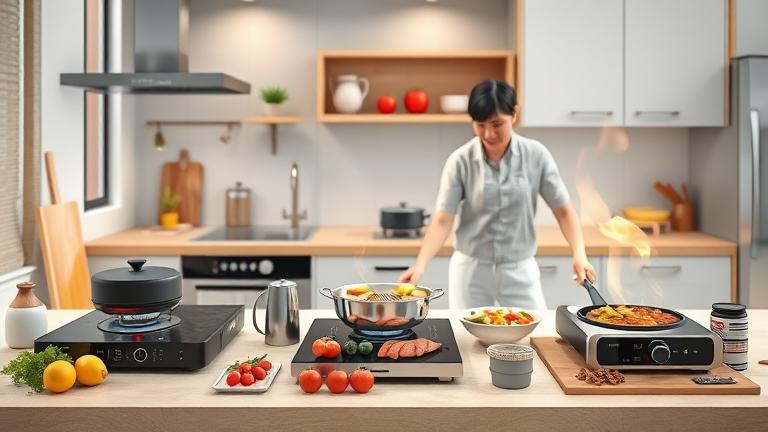
Alternative Cooking Methods for Beginners
If you’re starting out in the kitchen, exploring alternative cooking methods can be both exciting and helpful. These options are perfect when you don’t have access to a traditional gas stove or want to try something different. Many of these methods are simple, safe, and can produce delicious results.
Let’s look at some popular alternative ways to cook food that are ideal for beginners. They are easy to learn, versatile, and can work in various settings, whether you’re at home, camping, or in a small apartment.
Electric Cookers and Hot Plates
Electric cookers and hot plates are portable and easy to use. They usually have adjustable heat settings, making them safe for beginners. These devices are perfect for small kitchens or when you need extra cooking space. They work similarly to traditional stoves, heating pots and pans from below.
Tip: Always place a hot plate on a stable, flat surface, and never leave it unattended while in use. Use cookware with flat bottoms for even heating.
Microwave Cooking
The microwave is a quick and convenient method for cooking or reheating food. It’s excellent for tasks like steaming vegetables, cooking eggs, or even baking small cakes. You just need microwave-safe containers and a bit of creativity.
For beginners, start with simple recipes like scrambled eggs or steamed veggies. Remember to cover your food to prevent splatters and stir occasionally for even cooking. Be cautious of hot containers when removing from the microwave.
Slow Cookers and Crockpots
Slow cookers are fantastic for making stews, soups, and tender meats with minimal effort. You simply add ingredients, set the temperature, and let it cook for hours. They’re very forgiving for beginners because they require little attention once you set them up.
For best results, cut ingredients into uniform pieces and follow recipe instructions for cooking times. Always use the lid to maintain temperature and moisture.
Pressure Cookers and Instant Pots
Pressure cookers cook food quickly by trapping steam under high pressure. The electric versions, like Instant Pots, are versatile and beginner-friendly. They can cook rice, beans, meats, and even desserts in a fraction of the time.
Safety is very important with pressure cookers. Always read the manual carefully, ensure the pressure is fully released before opening, and check that seals are in good condition. Start with simple recipes to get comfortable with this method.
Campfire and Outdoor Cooking
If you enjoy outdoor adventures, cooking over a campfire is a great skill to learn. You can use a cast-iron skillet or Dutch oven directly over the fire or coals. It’s an excellent way for beginners to practice managing heat and developing timing skills.
Always follow safety rules: keep a fire extinguisher nearby, never leave the fire unattended, and ensure you’re cooking in a safe, open area. Building a simple fire goes like this: gather dry wood, create a teepee structure, and light it carefully with matches or a lighter.
Tips for Beginners
- Start with simple recipes to build your confidence.
- Always follow safety guidelines for each method.
- Read your appliance manuals thoroughly before use.
- Try experimenting with different ingredients and techniques.
- Keep a clean workspace to prevent accidents and make cooking easier.
Trying different cooking methods is a great way to expand your skills and discover new favorites. Whether using an electric hot plate, microwave, slow cooker, or even cooking outside, each technique can help you create tasty meals safely and efficiently.
Electric and Induction Cooktops Explained
If you are considering upgrading your kitchen or trying to cook without using gas, electric and induction cooktops are great options to explore. Both types of cooktops are popular for their ease of use and modern design. While they might look similar at first glance, they work quite differently and offer unique benefits.
Let’s start with how each cooktop works. Electric cooktops use heating elements that heat up when you turn them on. These elements are usually made of metal coils or smooth glass surfaces with hidden heating units underneath. When you turn the dial or press a control button, electricity flows through the element, causing it to heat up. The heat then transfers to your cookware. Electric cooktops are known for providing steady, reliable heat, but they can take a little longer to cool down or heat up compared to other types.
Induction cooktops are a bit smarter. Instead of heating the surface directly, they use electromagnetic energy to heat your pots and pans. Inside the cooktop, there is a coil that creates a magnetic field when powered. When you place specially designed ferromagnetic cookware—such as cast iron or some stainless steel—on the surface, the magnetic field induces heat directly in the bottom of your pan. This process heats the food more quickly and precisely. Because the heat is generated directly in the cookware, the surface remains cooler and easier to clean.
Advantages of Electric and Induction Cooktops
- Safety: Induction cooktops tend to stay cooler on the surface, reducing the risk of burns. Electric cooktops have no open flame, making them safer in some ways.
- Efficiency: Induction is generally more energy-efficient. It heats faster and uses less power because almost all the energy goes directly into the pot.
- Easy to Clean: Both types have smooth glass surfaces that wipe clean easily. The fact that induction surfaces don’t get as hot helps prevent food from burning onto the surface.
- Precise Temperature Control: Induction cooktops respond quickly to changes, giving you better control over cooking temperatures.
Tips for Using Electric and Induction Cooktops
If you are new to no-gas cooking using these cooktops, here are some helpful tips:
- Use the Right Cookware: For induction, ensure your pots and pans are ferromagnetic. A simple way to test is to see if a magnet sticks to the bottom.
- Start with Lower Settings: Especially with induction, starting at a lower heat helps you avoid overdoing it and makes cooking more precise.
- Keep the Surface Clean: Regularly wipe the cooktop to prevent buildup and maintain efficient heat transfer.
- Be Aware of Residual Heat: Even after turning off, surfaces can stay warm for a little while. Use this to your advantage for gentle warming.
Common Mistakes to Avoid
- Using incompatible cookware on induction cooktops.
- Overheating delicate foods, which can happen quickly on induction.
- Ignoring safety features, like child locks or auto shut-off, which many models include.
- Packing cookware too tightly on the coil, which can interfere with heat transfer.
Both electric and induction cooktops are versatile tools for a no-gas kitchen. With a little practice, you can cook efficiently and safely, enjoying the modern convenience they offer.
Using Solar Power to Cook Food
Cooking with solar power is a fun, eco-friendly way to prepare meals using the energy of the sun. It’s a great option if you want to save on electricity or reduce your carbon footprint. Solar cookers come in different types and designs, each suited for various cooking needs and environments.
Before getting started, it’s helpful to understand the basic idea: solar cookers gather sunlight and convert it into heat, which then cooks your food. They work best on clear, sunny days and can be used in many outdoor settings such as backyards, camping sites, or even balcony spaces.
Types of Solar Cookers
- Box Cookers: These are simple to make at home and consist of a cardboard or wooden box with a glass or plastic lid. Inside, the box traps heat similar to a greenhouse. You place your pot inside, and it slowly heats up. Box cookers are great for steady, low-temperature cooking like baking bread or simmering stews.
- Panel Cookers: Panel cookers use reflective surfaces to direct sunlight onto a cooking pot. They usually have a reflective shield or a parabolic shape that concentrates sunlight. They’re easy to set up and ideal for boiling water or cooking rice quickly.
- Parabolic Cookers: These are more advanced and use a curved mirror to focus sunlight onto a small, intense point. They can reach higher temperatures, making them suitable for frying or grilling. Parabolic cookers are portable but require more attention and safety precautions.
How to Effectively Use a Solar Cooker
Using a solar cooker well depends on good preparation and some practical tips. First, always position your cooker toward the sun. On a clear day, adjust the angle so that the reflector or the glass lid captures maximum sunlight. Keep the cooker steady and avoid casting shadows on it.
Preheat your solar cooker by letting it sit in direct sunlight for about 15-30 minutes before adding ingredients. This step helps to increase the cooking temperature and reduce cooking time.
When cooking, select suitable foods. Thick soups, beans, and bread work well because they tolerate low and steady heat. Quick-cooking items like vegetables or eggs might not work as efficiently with some cookers, especially the box type, which heats slowly.
Safety Tips and Common Mistakes to Avoid
- Wear protective gear: Solar cookers can get very hot, so use oven mitts when handling pots or adjusting reflectors.
- Don’t block sunlight: Keep the area around the cooker clear of shadows and obstructions.
- Monitor cooking progress: Since solar cooking depends on sunlight intensity, check your food regularly and be patient, especially on cloudy days.
- Avoid opening the lid frequently: This releases heat and can slow down cooking.
Remember, patience is key with solar cooking. It may take longer than conventional methods, but it’s worth it for the green energy and unique experience. Plus, it’s perfect for outdoor adventures or when saving energy is a priority.
Cooking with Charcoal and Wood
Cooking with charcoal and wood has been a favorite method for outdoor meals for generations. These traditional techniques give food a rich, smoky flavor that is hard to replicate with other cooking methods. Whether you’re grilling steaks or slow-smoking ribs, understanding how to safely and effectively use charcoal and wood can elevate your outdoor cooking game.
Safety Precautions
Before you start, safety is key. Always cook outdoors in a well-ventilated area to prevent dangerous smoke buildup. Keep a fire extinguisher or a bucket of water nearby in case of emergencies. Never leave a burning grill or fire unattended, especially if children or pets are around. It’s also important to use long-handled tools to avoid burns and wear heat-resistant gloves when handling hot equipment.
Essential Equipment
- Charcoal Chimney Starter: Makes lighting charcoal easier and quicker without using chemicals.
- Grill or Smoker: Choose a grill designed for charcoal or wood smoking, with adjustable vents for controlling airflow.
- Tongs and Spatulas: Long-handled tools to handle food safely over the heat.
- Fireproof Surface: Set up your grill on a sturdy, non-flammable surface away from overhanging branches or structures.
- Wood Chunks or Chips: Use seasoned wood pieces to add flavor. Popular choices include hickory, oak, and fruit woods like apple and cherry.
Using Charcoal and Wood Effectively
To start, fill your chimney starter with charcoal and light it using newspaper or a firelighter. Allow the charcoal to ash over, which usually takes about 15-20 minutes. For wood, soak the chunks briefly if you want longer smoke, but for quick flavor, dry wood works best.
Arrange the coals in a two-zone setup: a hot side for searing and a cooler side for slow cooking. This setup provides flexibility for different recipes and prevents burning the food. Add wood chunks to the hot coals to infuse smoky aroma into your dishes.
Control the airflow by adjusting the vents on your grill. More airflow makes the fire hotter, while less airflow cools it down. Keep the lid on when smoking to trap smoke and maintain consistent heat. Remember, patience is key—low and slow is often the best way to get tender, flavorful results.
Suitable Recipes
- Steaks and Burgers: Sear over the hot side for a perfect crust, then move to the cooler side to finish cooking.
- Smoked Ribs: Use a slow-smoking process to tenderize and infuse rich smoky flavor over several hours.
- Vegetables: Chopped vegetables or whole corn on the cob are delicious grilled directly over the coals.
- Whole Chicken: Brine beforehand and cook slowly over indirect heat for juicy, flavorful meat.
Tips to Keep in Mind
- Always let your fire die out completely after cooking to prevent unintended fires.
- Use seasoned, dry wood for the best smoke without excess creosote buildup.
- Clean your grill regularly to prevent flare-ups and ensure even cooking.
- Experiment with different wood types to find your favorite smoky flavor.
Innovative No-Gas Kitchen Appliances
In today’s modern kitchens, no-gas appliances are gaining popularity for their convenience, safety, and energy efficiency. Whether you want to avoid using gas or simply prefer the simplicity of electric devices, there are many innovative options available. Appliances like electric ovens, microwave ovens, and multi-function cookers make cooking easier and more versatile without the need for gas lines or open flames.
Electric Ovens
Electric ovens are a great alternative to traditional gas ovens. They heat evenly and are often equipped with advanced temperature controls and smart features. This means you can set precise temperatures, which is especially helpful for baking and roasting. Modern electric ovens also heat up quickly, saving you time in the kitchen.
Many models include convection fans that circulate hot air for even cooking and browning. Some even have self-cleaning functions, reducing the effort needed for maintenance. If you’re replacing an old gas oven, an electric version offers a safe, clean, and energy-efficient choice.
Microwave Ovens
Microwave ovens are probably the most versatile no-gas appliance in any kitchen. They use microwave radiation to heat and cook food rapidly, making meal prep quick and simple. They are ideal for reheating leftovers, defrosting, or even cooking certain meals from scratch.
Newer models come with features like grilling, convection, and smart sensors that adjust cooking times automatically. This allows you to cook a wider variety of dishes with minimal effort and no gas needed. Microwaves are compact, making them perfect for small kitchens or office spaces.
Multi-Function Cookers
Multi-function cookers are like having several appliances in one. They include electric pressure cookers, slow cookers, rice cookers, and more. These devices are user-friendly and can handle complex recipes with little oversight.
For example, a popular electric multi-cooker can sauté, steam, slow cook, and even bake. Thanks to these features, you can prepare entire meals using just one appliance. This saves counter space and simplifies your cooking process. Plus, since they run on electricity, there’s no need to worry about gas safety.
Benefits of No-Gas Appliances
- Safer to use, especially in homes with children
- More energy-efficient in many cases, reducing utility bills
- Less maintenance and cleaning since there’s no gas or open flame
- Can be more precise with temperature control
- Better for indoor air quality, avoiding gas fumes and emissions
Practical Tips for Using No-Gas Appliances
- Always read the manufacturer’s instructions before using new appliances.
- Ensure your kitchen has appropriate electrical outlets for high-power devices.
- Use heat-resistant cookware compatible with your appliance.
- Keep appliances clean and free of dust to ensure longevity.
- In case of electrical issues, consult a professional to avoid hazards.
Tips for Safe and Efficient No-Gas Cooking
Cooking without gas can be a safe, energy-efficient, and fun way to prepare meals at home. Whether you’re using electric appliances, induction cooktops, or portable electric stoves, it’s important to follow some key safety and efficiency tips. These guidelines help prevent accidents, extend the lifespan of your equipment, and save energy while cooking delicious meals.
First, ensure your kitchen is well-ventilated. Proper airflow reduces the buildup of heat and humidity and helps clear odors or any cooking fumes. Keep windows open when possible, or turn on your exhaust fan if you have one. Good ventilation also minimizes the risk of smoke or accidental gas odors if nearby gas appliances are still present in your home.
Next, pay attention to your appliances’ maintenance. Regularly clean your electric cooktop or induction stove to keep them working efficiently. Remove any spills or crumbs that could cause uneven heating or even minor electrical issues. Check cables and plugs periodically for wear or damage. Well-maintained equipment reduces safety risks and makes cooking more reliable.
When using portable or countertop appliances, always follow the manufacturer’s safety instructions. Keep flammable items away from hot surfaces, and never leave appliances unattended while in use. Use heat-resistant gloves when handling hot pots or pans. Remember to turn off appliances immediately after cooking, and unplug them if you’ll not be using them for a while to prevent accidental activation.
Energy conservation is also a big plus of no-gas cooking. Here are some practical tips to save power and cook efficiently:
– Use the right-sized burner or heating element for your pot or pan to avoid wasting energy.
– Cover pots and pans while cooking. This traps heat inside and reduces cooking time.
– Use flat-bottomed cookware compatible with your stove type, especially on induction cooktops, for maximum efficiency.
– Try to cook multiple items in the same pot or oven to make the most of heat.
– Plan your cooking so you can prepare meals in sequence, reducing the need to repeatedly turn appliances on and off.
Common mistakes to avoid:
- Using cookware that isn’t suitable for electric or induction cooking.
- Forget to turn off appliances after use, which wastes energy and can pose safety hazards.
- Leaving pots unattended, especially if boiling or simmering for long periods.
- Overfilling pots, which can cause spills or uneven heating.
Additionally, consider investing in energy-efficient appliances when upgrading your kitchen. Look for features like high energy-star ratings, good insulation, and easy-to-clean surfaces.
Finally, keep safety tools handy, such as a fire extinguisher suitable for electrical fires, and familiarize yourself with your appliances’ emergency shut-off procedures. Following these practical tips ensures that your no-gas cooking experience is both safe and enjoyable.
Easy No-Gas Recipes to Try Today
If you’re new to cooking or just want to try something different, no-gas recipes are a fantastic option. They are simple to prepare, require minimal equipment, and result in delicious meals. Whether you don’t have a gas stove or prefer to avoid using gas for safety reasons, there are plenty of tasty recipes you can make without it. Let’s explore some ideas that are perfect for beginners and anyone looking to experiment with no-gas cooking.
Why Choose No-Gas Recipes?
No-gas recipes are convenient and versatile. They often use everyday ingredients and kitchen tools like a microwave, electric stove, or even just a knife and chopping board. Plus, cooking without gas can be safer and more energy-efficient. It’s also ideal for small spaces or temporary setups, such as camping or apartment living.
Basic No-Gas Breakfast Ideas
- Overnight Oats: Combine rolled oats, milk (or plant-based alternative), a sweetener, and your favorite toppings like fruits, nuts, or seeds in a jar. Let it sit in the fridge overnight. In the morning, you’ll have a ready-to-eat, nutritious breakfast.
- Fruit & Yogurt Parfait: Layer Greek yogurt, fresh berries, and granola in a glass. This quick and healthy treat works well for breakfast or a snack.
- Peanut Butter Toast: Toast some bread in an electric toaster or oven. Spread peanut butter and add banana slices or honey for extra flavor.
Simple No-Cook Lunch & Dinner Recipes
The key to no-gas lunch and dinner dishes is fresh ingredients and clever combinations. Here are some ideas:
- Veggie Wraps: Spread hummus on a whole wheat tortilla, add sliced vegetables like cucumber, bell peppers, and lettuce. Roll it up and enjoy a crunchy, filling wrap.
- Salad Bowls: Mix greens, cherry tomatoes, avocado, cooked beans, and cheese. Top with a simple vinaigrette made from olive oil, lemon juice, salt, and pepper.
- Caprese Salad: Layer slices of fresh mozzarella, tomatoes, and basil leaves. Drizzle with olive oil and balsamic vinegar for a classic, no-cook Italian dish.
Easy No-Gas Snacks & Desserts
- Energy Bites: Mix oats, honey, peanut butter, and chocolate chips. Roll into small balls and refrigerate. Delicious and perfect for a quick snack.
- Fresh Fruit Salad: Toss your favorite fruits like melons, berries, and citrus. Add a splash of lime juice or honey for extra flavor.
- No-Bake Cheesecake: Combine cream cheese, whipped cream, and a little sugar. Spread over a graham cracker crust and chill until firm.
Tips for Successful No-Gas Cooking
- Use fresh ingredients whenever possible for the best flavor.
- Invest in a good quality microwave and electric appliances to make your cooking easier.
- Prepare ingredients in advance to save time during busy days.
- Experiment with spices and herbs to add flavor without needing heat.
- Always store perishable foods properly and refrigerate leftovers promptly.
Starting with these no-gas recipes can boost your confidence in the kitchen. They are straightforward, fun to make, and perfect for trying new flavors without complicated equipment. Happy cooking!