
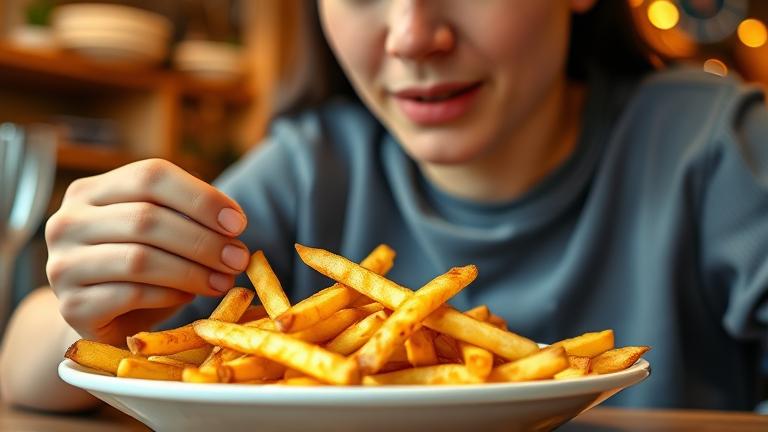
Are Undercooked Fries Safe to Eat?
Many of us love crispy, golden fries, but sometimes they turn out a little soft or undercooked inside. If you’ve ever wondered whether it’s safe to eat fries that aren’t fully cooked, you’re not alone. Understanding the safety concerns associated with undercooked fries can help you make better choices in the kitchen.
First, it’s important to recognize that fries are usually made from potatoes that contain natural bacteria and dirt. When fries are undercooked, there’s a small chance that some bacteria or germs might still be present on the surface or inside. While most bacteria are killed during proper cooking, leaving fries undercooked could potentially pose health risks.
The main concern with eating undercooked fries is the risk of foodborne illnesses. Bacteria like Salmonella or E. coli can sometimes be present on raw or undercooked potatoes or if the oil or frying surface weren’t clean. These bacteria can cause symptoms such as stomach cramps, diarrhea, fever, and vomiting. Although the risk is generally low if you’re cooking at home and using fresh, clean potatoes, it’s still better to be cautious.
What Makes Fries Undercooked?
- Not frying long enough or at a high enough temperature
- Overcrowding the frying basket, which causes the temperature to drop
- Using potatoes that are too thick or unevenly cut
- Not checking the fries’ internal texture before serving
How to Tell if Fries Are Properly Cooked
Fries should be crispy on the outside and soft inside. When you bite into one, the interior should be tender and, if you press it, it should give easily. An undercooked fry will often feel soft or doughy in the middle. It might look pale or less golden compared to fully cooked fries.
Is It Safe to Eat Slightly Undercooked Fries?
Generally, slightly undercooked fries are unlikely to cause harm if they are simply soft because the frying process usually kills most bacteria. However, if the fries are very underdone, or if there’s any doubt about the cleanliness of the oil or potatoes, it’s better to cook them longer. Eating fries that are definitely undercooked increases the chance of consuming harmful bacteria or allergens that might be present.
Tips for Ensuring Your Fries Are Safe and Delicious
- Always cook fries at the recommended temperature, usually around 350-375°F (175-190°C). This helps ensure they are cooked through and crispy.
- Check the internal texture before serving — it should be tender and the exterior crispy.
- If you notice parts are soft or pale, return the fries to the oil for a few more minutes.
- Use a thermometer to monitor oil temperature, especially if frying large batches.
- Choose fresh, high-quality potatoes and wash them thoroughly before slicing.
- Follow proper hygiene practices in your kitchen to prevent bacteria contamination.
While enjoying fries, always balance the desire for a crispy texture with food safety. When in doubt, cook fries a bit longer to ensure they are safe to eat. Food safety is important, even when indulging in your favorite snack. Remember, properly cooked fries are not only tastier but also healthier and safer to enjoy!
Risks of Eating Undercooked Fries
Eating undercooked fries might seem harmless, but it can pose several health risks. When fries are not cooked long enough, they may contain harmful bacteria or enzymes that can cause illness.
One of the main dangers of eating undercooked fries is the possibility of foodborne illnesses. Bacteria like Salmonella or Clostridium botulinum can be present on raw potatoes or may develop if the fries are not cooked properly. Consuming these bacteria can lead to symptoms such as stomach cramps, diarrhea, vomiting, or more serious conditions in some cases.
Undercooked fries also carry the risk of food poisoning caused by parasites or bacteria that thrive in poorly prepared foods. For example, if the oil used to fry the potatoes hasn’t reached a high enough temperature, it can leave bacteria alive on the surface. This makes the fries unsafe to eat, especially if they are not heated thoroughly.
Another concern is the presence of natural toxins called solanine, which are found in green or sprouted potatoes. If these potatoes are not cooked enough, the solanine may not be destroyed, leading to potential poisoning symptoms like nausea, headache, or neurological issues.
Eating undercooked fries can also cause digestive discomfort. Raw or undercooked starchy foods can be harder for your body to digest, leading to bloating or gas. Over time, regularly consuming undercooked foods may contribute to larger health problems, especially if food safety is compromised.
To avoid these risks, always ensure your fries are cooked thoroughly. Proper cooking kills bacteria, neutralizes toxins like solanine, and improves digestibility. A good guideline is to cook your fries until they are golden brown and crispy. The internal temperature should reach at least 165 degrees Fahrenheit (75 degrees Celsius) for safety.
Remember, even if the fries look cooked on the outside, check the inside. If they are still soft or pale, give them more time in the fryer or oven. Using a food thermometer can help confirm they are heated through properly.
In summary, eating undercooked fries may not only spoil your meal but also pose health risks. By cooking fries thoroughly, you protect yourself from potential illnesses and enjoy your favorite snack safely.
How Fries Can Cause Food Poisoning
Many people enjoy crispy fries, but it’s important to remember that undercooked or improperly handled fries can sometimes lead to food poisoning. Understanding how this happens can help you make safer choices in your kitchen and at your favorite restaurants. The main reasons are bacterial growth and contamination sources that often come into play during the preparation and cooking process.
One common way fries can cause food poisoning is through bacteria that thrive in raw or improperly cooked potatoes. While potatoes themselves are generally safe, if they are not cooked enough, especially at lower temperatures, bacteria like Salmonella or Listeria can survive. These bacteria can multiply rapidly in the right conditions, such as when fries are left at room temperature for too long before cooking or if the cooking process is incomplete.
Another concern is cross-contamination. When fries are prepared on surfaces or with utensils that have been in contact with raw meat or contaminated ingredients, bacteria can transfer onto the fries. For example, if the same cutting board or knife is used for raw chicken and then to prepare potatoes without proper cleaning, bacteria can spread easily. This contamination can lead to foodborne illnesses if the bacteria are not destroyed during cooking.
Oil quality and temperature also play a role in food safety. If fries are fried at too low a temperature or for too short a time, they may not reach the cooked temperature needed to kill bacteria. Use a cooking thermometer to ensure your oil stays at the recommended frying temperature, usually around 350°F to 375°F. Undercooked fries may appear golden on the outside but can still harbor harmful bacteria inside.
Reusing oil or storing cooked fries improperly can increase the risk of bacterial growth. If you cook a batch and then leave them out at room temperature for too long, bacteria such as Staphylococcus aureus can multiply. This bacteria produces toxins that are not destroyed by reheating. To stay safe, refrigerate leftover fries within two hours of cooking and reheat them thoroughly before eating.
It’s also important to note that contaminated water used to wash potatoes or in the cooking process can introduce bacteria. Always wash potatoes thoroughly under running water and avoid using contaminated sources for cooking liquids or ingredients.
Finally, chefs or home cooks should always practice good hygiene. Washing hands thoroughly before handling food, cleaning all surfaces and utensils between uses, and cooking fries completely at proper temperatures are simple but effective steps to prevent food poisoning.
- Cook fries at the right temperature to kill bacteria.
- Wash potatoes and hands thoroughly before preparation.
- Avoid cross-contamination by using separate utensils for raw and cooked foods.
- Store cooked fries promptly in the refrigerator and reheat thoroughly.
By following these safety tips, you can enjoy delicious, crispy fries without worrying about foodborne illnesses. Paying attention to how fries are cooked and handled makes all the difference in keeping your meals safe and enjoyable.
Common Bacterial Contaminants in Undercooked Food
When it comes to undercooked foods like fries, understanding the common bacteria that might be present is important for keeping your meals safe. Bacteria such as Salmonella and E. coli are two of the most common culprits that can cause illness if food is not cooked thoroughly.
Salmonella is often linked to raw or undercooked poultry, eggs, and sometimes contaminated vegetables. However, it can also appear in foods like fries if they come into contact with contaminated surfaces or ingredients. Salmonella bacteria can cause symptoms like stomach cramps, diarrhea, fever, and vomiting. In most cases, these symptoms appear within 6 to 72 hours after eating contaminated food and can last for several days.
Escherichia coli, commonly called E. coli, is another bacteria that can be found in undercooked foods. The most concerning strain, E. coli O157:H7, can cause severe stomach cramps, bloody diarrhea, and even a serious complication called hemolytic uremic syndrome, which affects the kidneys. E. coli often contaminates food through fecal matter, especially if proper hygiene procedures are not followed during handling or cooking. Although it’s less common in fries, cross-contamination from raw ingredients or dirty utensils can introduce these bacteria.
How These Bacteria Are Transmitted
- Cross-Contamination: Bacteria can spread from raw meat, contaminated surfaces, or dirty utensils to cooked foods like fries.
- Inadequate Cooking: Not heating food to the right temperature allows bacteria to survive. For fries, this means ensuring the oil is hot enough to kill bacteria—generally at least 350°F (175°C).
- Improper Storage: Leaving cooked food out at unsafe temperatures provides bacteria a chance to multiply. Fries should be eaten soon after cooking or stored properly in the refrigerator.
Health Precautions
To prevent illness caused by bacteria in undercooked fries or other foods, follow some simple tips. Always cook fries until they are golden and crispy, which indicates they’ve reached the right temperature. Use a food thermometer if you’re unsure. Keep raw and cooked foods separate to avoid cross-contamination. Wash your hands thoroughly after handling raw ingredients or touching surfaces in the kitchen.
If you notice any signs of food poisoning after eating undercooked fries, such as stomach pain, fever, or diarrhea, seek medical advice. Staying aware of these common bacterial threats helps you enjoy your favorite foods safely and confidently.
Signs and Symptoms of Food Poisoning
Eating undercooked fries might seem harmless, but sometimes it can lead to food poisoning. Recognizing the signs early can help you seek treatment and prevent complications. Food poisoning symptoms usually appear within hours or a few days after eating contaminated food. When fries are not cooked thoroughly, they can harbor bacteria or other harmful germs that cause illness.
The most common signs of food poisoning include stomach issues such as nausea, vomiting, and diarrhea. You might also experience abdominal cramps or pain. These symptoms happen because your body is trying to get rid of the harmful bacteria or toxins introduced by undercooked fries.
Common Symptoms
- Nausea: A queasy feeling that might make you want to lie down or find a restroom quickly.
- Vomiting: Your body’s way of ejecting something it sees as harmful, which may happen soon after eating undercooked fries.
- Diarrhea: Frequent, watery stools are common, as your digestive system reacts to the bacteria.
- Abdominal Cramps: Pain and discomfort in the stomach area, sometimes severe.
- Fever: Mild to high fever can occur if the infection is more serious.
- Fatigue: Feeling unusually tired or weak as your body fights the infection.
When to Seek Medical Help
If symptoms are mild, they often resolve on their own with plenty of rest and fluids. However, be alert for warning signs that need medical attention. Seek help if you experience:
- High fever over 101.5°F (38.6°C)
- Persistent vomiting that prevents you from keeping liquids down
- Blood in your stool or vomit
- Signs of dehydration such as dry mouth, dark urine, or dizziness
- Symptoms lasting more than a couple of days
How to Reduce Your Risk
To avoid food poisoning from undercooked fries, always cook them thoroughly until they are crispy and golden brown. Use a food thermometer if needed, to ensure they reach at least 165°F (74°C). Avoid eating fries that look or smell off, or if they have been sitting out for too long.
Remember, cross-contamination and poor hygiene also increase the risk of food poisoning. Wash your hands, utensils, and surfaces often when preparing food. When in doubt, it’s safer to discard undercooked or questionable fries.
Tips for Cooking Perfect, Safe Fries
Making delicious fries at home is fun, but it’s important to cook them thoroughly to ensure they are safe to enjoy. Proper cooking not only guarantees they taste great but also minimizes the risk of foodborne illness. Here are some practical tips to help you cook perfect, safe fries every time.
Choose the Right Pot and Oil
Start with a deep, heavy-bottomed pot or a deep fryer to give your fries enough space to cook evenly. Use high-smoke-point oils such as vegetable oil, peanut oil, or canola oil. These oils withstand high temperatures without breaking down, which is crucial for safety and perfect crispiness.
Prepare Your Pot and Oil Safely
- Fill the pot with enough oil so that the fries are fully submerged, but do not overfill. Leaving some space helps prevent oil from splattering.
- Heat the oil gradually to the correct temperature, around 350°F to 375°F (175°C to 190°C). Use a thermometer for accuracy. Too high, and the fries might burn outside before inside; too low, they may soak up excess oil and become greasy.
Properly Prepare Your Fries
For safety and best results, soak-cut potatoes in cold water for at least 30 minutes before frying. This removes excess starch, preventing sticking and reducing fire risk. Drain and pat them dry thoroughly with paper towels to avoid oil splatters caused by water droplets.
Cook in Batches
To ensure even cooking, fry your fries in small batches. Overcrowding the pot drops the oil temperature, leading to soggy fries. Cook in batches until golden and crispy, then remove with a slotted spoon or spider strainer.
Maintain Safe Cooking Temperatures
Keep an eye on the oil temperature throughout cooking. If it drops below 350°F, fries may become greasy and undercooked inside. If it exceeds 375°F, they can burn quickly. Use a kitchen thermometer to monitor and adjust heat as needed.
Use the Right Cooking Technique
Many home cooks prefer the double-fry method: fry the potatoes at a lower temperature first to cook through, then increase heat to crisp the outside. This method produces fries that are both tender inside and crispy outside, safely cooked through.
Check for Doneness Safely
The safest way to ensure fries are fully cooked is to check their internal temperature. Use a food thermometer to verify they reach at least 165°F (74°C). You can also cut open a fry to see if the interior looks cooked and pale, not raw or doughy.
Drain and Serve Properly
Once cooked, drain the fries on paper towels to remove excess oil. Serve immediately or keep warm in a low oven if needed. Always handle hot fries with tongs to avoid burns and splatters.
Store Leftovers Safely
If you have leftover fries, store them in an airtight container in the refrigerator within two hours of frying. Reheat thoroughly to a safe temperature before eating. Avoid leaving cooked fries at room temperature for too long to prevent bacteria growth.
By following these tips, you’ll enjoy perfectly crispy and thoroughly cooked fries while keeping food safety in check. Remember, patience and attention to temperature are your best friends in the kitchen!
What to Do If You Suspect Food Poisoning
If you start feeling sick after eating undercooked fries or suspect food poisoning, it’s important to stay calm and act quickly. Food poisoning can cause a variety of symptoms like nausea, vomiting, diarrhea, stomach cramps, and sometimes fever. Recognizing the signs early helps you know when to seek medical help and what steps to take to feel better faster.
Recognize the Symptoms
Food poisoning symptoms usually appear within a few hours to days after eating contaminated food. Common signs include stomach cramps, diarrhea, vomiting, nausea, and sometimes a low-grade fever. If you notice these symptoms shortly after eating undercooked fries, especially if they were left out for a long time or came from a suspicious source, it’s likely you have a foodborne illness.
Take Immediate Steps
- Stay Hydrated. Diarrhea and vomiting can cause dehydration. Drink plenty of fluids such as water, oral rehydration solutions, or clear broths. Avoid caffeinated or alcoholic drinks which can worsen dehydration.
- Rest. Allow your body time to recover. Rest is key when fighting off illness.
- Eat Light. When you feel ready, stick to bland foods like toast, crackers, bananas, or rice. Avoid greasy, spicy, or heavy foods until your symptoms improve.
When to Seek Medical Attention
Most cases of food poisoning resolve on their own within a few days. However, certain symptoms mean you should see a healthcare professional right away. Seek medical help if you experience:
- High fever over 102°F (39°C)
- Blood in your stool or vomit
- Severe abdominal pain or cramping
- Persistent vomiting that prevents you from keeping fluids down
- Signs of dehydration, like dizziness, dry mouth, or dark urine
- If symptoms last more than a few days without improvement
Additional Tips for Safety
- Identify the Source. Keep any leftovers or packaging if you need to show it to a doctor or health inspector.
- Inform Others. If others ate the same fries, remind them to watch for symptoms and encourage them to seek help if needed.
- Report Suspected Food Poisoning. Contact your local health department if you suspect the fries or any other food caused the illness. This helps prevent others from getting sick.
Prevent Future Incidents
To avoid food poisoning from fries or other foods, always cook potatoes thoroughly. Undercooked fries can harbor bacteria or parasites, especially if fried or stored improperly. Use a food thermometer to ensure fries reach a safe internal temperature of 165°F (74°C). Also, keep cooked fries hot and refrigerated leftovers promptly to prevent bacterial growth.