
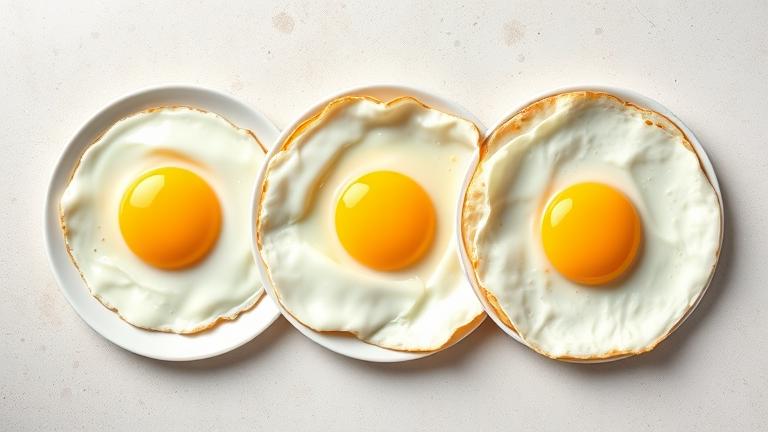
Introduction to Fried Eggs and Cooking Basics
Fried eggs are a classic and versatile part of breakfast menus around the world. Whether you prefer them sunny-side up, over easy, or cooked-in, mastering how to fry eggs is a valuable skill for any home cook.
Before you start frying, it helps to understand the basic techniques involved. The key is controlling the heat and knowing how long to cook the egg to reach your desired level of doneness. Getting familiar with these basics will make your fried eggs turn out perfect every time.
Choosing the Right Pan and Ingredients
Start with a non-stick skillet or a well-seasoned cast-iron pan. These surfaces help prevent sticking and make flipping or sliding eggs easier. Use fresh eggs for the best flavor and texture; older eggs tend to be more difficult to fry smoothly.
For cooking, a small amount of oil or butter is sufficient. Butter adds a rich flavor, while oil provides a higher smoke point, making it easier to control the cooking temperature. Warm the pan over medium heat before adding the fat.
Basic Techniques for Frying Eggs
Crack your egg into a small bowl first to check for shell pieces or freshness. Gently pour the egg into the hot pan, avoiding splashes. If you want a perfectly round shape, you can crack the egg directly over the pan or use a ring mold.
Cook the egg over medium-low heat. Too high a temperature can cause the edges to burn before the yolk cooks, while too low makes the egg take longer to fry evenly. Adjust the heat as needed for even cooking.
Understanding Doneness Levels
- Sunny-side up: Cook until the whites are set but the yolk remains runny. Do not flip the egg. It’s great for a soft, juicy center.
- Over easy: Flip the egg gently when the whites are mostly set and cook for just a few more seconds. The yolk stays runny inside.
- Over hard: Flip and cook until the yolk is fully firm. Ideal if you like a completely cooked yolk.
Practicing these techniques will help you control the doneness levels and tailor your eggs to suit your taste. Remember, frying eggs is simple but requires a little patience and attention to heat. With practice, you’ll be able to make perfect fried eggs for any meal or snack.
Understanding the Three Doneness Levels
When cooking fried eggs, there are three main levels of doneness that many home cooks aim for: sunny side up, over easy (or over lightly), and over hard. Knowing the differences in texture and appearance helps you choose the perfect style for your meal and your taste buds.
Each doneness level varies by how long the egg is cooked and whether the yolk remains runny or gets firm. This affects not only the look but also the flavor and how the egg holds together on your plate. Let’s explore these three common styles so you can master them at home.
Sunny Side Up
This is the classic eggs-just-fried look. The egg is cooked only on one side. The key characteristic is a fully intact, slightly glossy yolk that remains runny. The whites become firm but stay tender, with a slightly crispy edge if cooked longer at the sides.
To make sunny side up eggs, crack an egg into a hot, lightly oiled skillet. Cook over medium heat until the whites are mostly set, about 2-3 minutes. The yolk should stay bright and shiny. During cooking, avoid turning the egg. It’s perfect for topping toast or serving as a visually appealing breakfast item.
Tip: Cover the skillet during the last minute to help the whites cook evenly without flipping the egg. Be careful not to overcook, or the yolk will lose its pleasurable runny texture.
Over Easy and Over Light
The next stages involve flipping the egg. For over easy, gently turn the egg over once the whites are set, then cook briefly on the other side. The goal is to keep the yolk mostly runny but slightly cooked on top. Over easy eggs are often served with a soft, slightly cooked yolk that can be gently broken with a fork.
Over lightly eggs, sometimes called over medium, are cooked a bit longer, giving the yolk a slightly thicker, creamier texture. The whites will be fully cooked on both sides, and the yolk may be just starting to set around the edges.
To make these, slide a spatula under the cooked whites, flip the egg carefully, and cook for another 10-30 seconds depending on desired yolk consistency. Use low to medium heat to prevent burning while allowing even cooking.
Over Hard
Over hard eggs are fully cooked through. After flipping, cook for 1-2 minutes longer until the yolk is firm and no longer runny. The yolk will be solid and crumbly, similar in texture to a hard-boiled egg but with crispier whites.
This style is favored by those who prefer their eggs fully cooked or are using them for recipes needing firm yolks. To achieve this, flip the egg and cook until the yolk no longer jiggles, and the surface appears opaque.
Remember, cooking over hard may dry out the whites a bit more, so managing your heat to avoid burning is helpful. Use a timer if needed to control the cooking time precisely.
Choosing Your Perfect Egg
Deciding which level of doneness to cook your fried eggs depends on your personal preference and how you plan to eat them. For a quick breakfast with runny yolk to dip into toast, sunny side up or over easy is ideal. If you prefer eggs to eat with a fork or need firmer yolks for stacking or salads, over hard is your choice.
Practicing the timing and temperature will help you perfect each style. Remember, starting with lower heat and observing how the whites and yolk respond ensures a beautiful, consistent result. Enjoy experimenting and finding your favorite fried egg style!
How to Cook Sunny Side Up Eggs
Cooking sunny side up eggs is a simple and delightful way to enjoy a fresh, runny yolk. This style of egg is perfect for breakfast, topping your toast, or adding flavor to a variety of dishes. The key is to cook the eggs gently so that the whites are firm while the yolk stays runny and vibrant. Follow this easy guide to get perfectly cooked sunny side up eggs every time.
Gather Your Ingredients and Tools
- Fresh eggs
- Butter or oil (like vegetable or olive oil)
- Salt and pepper for seasoning
- Non-stick frying pan or skillet
- Spatula (optional, for serving)
- Lid or cover (optional, for even cooking)
Step-by-Step Instructions
- Start by heating your skillet over medium-low heat. This gentle heat helps ensure the whites cook properly without browning or curling.
- Add a small amount of butter or oil to the pan. Allow it to melt and spread evenly across the surface.
- Carefully crack an egg into a small bowl or cup first. This helps prevent shell fragments and allows for gentle placement into the pan.
- Gently slide the egg from the bowl into the skillet. Repeat for additional eggs, keeping enough space so they don’t touch.
- Cook the eggs undisturbed for about 2-3 minutes. The whites should become opaque and set, while the yolk remains bright and runny.
- If you prefer your whites more fully cooked, you can cover the skillet with a lid. This traps heat and helps cook the top of the whites without flipping the egg.
- Season with a pinch of salt and pepper while cooking or just before serving.
- Once the whites are firm and the yolk looks glossy and slightly jiggly, use a spatula or carefully lift the edges to check doneness.
- Gently slide a spatula underneath the egg and transfer it onto a plate. Serve immediately for the best texture and flavor.
Tips for Perfect Sunny Side Up Eggs
- Use fresh eggs for the best presentation. Fresher eggs have firmer whites that hold their shape better.
- Cook on low to medium-low heat to prevent the whites from toughening and the yolk from hardening.
- For an even yolk, you can gently baste the top with hot oil or butter during cooking.
- Always serve immediately after cooking to enjoy the runny yolk at its best.
Common Mistakes to Avoid
- Using high heat, which can cause the whites to brown or become crispy while the yolk remains undercooked.
- Overcrowding the pan, leading to uneven cooking or eggs sticking to one another.
- Cracking eggs directly into hot oil, risking shells or uneven spread. Always crack into a bowl first.
Serving Ideas
Sunny side up eggs are versatile and pair well with toast, sautéed vegetables, or crispy bacon. For a complete breakfast, serve with hash browns or fresh fruit. A sprinkle of fresh herbs like chives or parsley can add color and flavor. No matter how you enjoy them, perfectly cooked sunny side up eggs bring a comforting and satisfying touch to your meal.
Achieving Over Easy and Over Hard Eggs
Cooking eggs to over easy or over hard perfection is a skill that adds variety to your breakfast repertoire. The key difference between the two lies in how well the yolk is cooked. Over easy eggs have a runny yolk, while over hard eggs have a fully set, firm yolk. Learning how to flip eggs at the right time and controlling the cooking process ensures you get the perfect finish every time.
Start with a good non-stick skillet or cast iron pan. Use a small amount of butter or oil, enough to coat the surface lightly. Turn the heat to medium-low. This gentle heat cooks the eggs slowly and helps prevent burning or sticking.
Steps to Cook Over Easy Eggs
- Crack the eggs into the skillet, keeping the yolks intact. For best results, crack them gently into a small bowl first, then slide into the pan.
- Cook for about 2-3 minutes until the whites are mostly set but the yolk remains soft. You’ll see the edges start to lift slightly from the pan.
- Use a thin spatula to gently loosen the edges if needed. Then, carefully slide the spatula under the egg, lifting it slightly off the pan.
- Gently flip the egg, using a quick, confident motion. If you’re new, practice flipping eggs in the air or with a wide spatula for stability.
- Cook for an additional 10-20 seconds. This gives the yolk a soft, runny finish, perfect for over easy eggs.
- Slide the egg onto a plate and serve immediately.
Steps to Cook Over Hard Eggs
- Follow the same initial steps: crack eggs into the pan, and cook for 2-3 minutes on one side until whites are mostly set.
- Gently slide a spatula under the eggs, making sure to keep the yolks intact.
- Flip the eggs carefully and cook for 2-3 more minutes. This extra time cooks the yolk thoroughly, making it firm.
- If you want very firm yolks, you can cover the pan with a lid for a minute to trap heat and cook the yolk faster.
- Once the yolk feels firm when pressed lightly with a spatula, remove the eggs from the pan and enjoy.
Tips for Perfect Flips and Consistent Results
- Use a non-stick pan for easier flipping and handling.
- For beginners, use a wider spatula to support the entire egg when flipping.
- Flip eggs when whites are just set but still slightly shiny on top—this indicates they’re ready to turn.
- Keep the heat moderate to prevent burning the whites before the yolk is cooked through or set.
- Be gentle when flipping, especially for over easy eggs, to avoid breaking the yolk.
Practicing these techniques takes a little patience, but with time, you’ll master the art of cooking perfect over easy and over hard eggs. Whether you like a soft, runny yolk or a fully cooked one, controlling your timing and flip style is the secret to your breakfast success.
Tips for Perfectly Fried Eggs Every Time
Fried eggs are a breakfast classic loved by many, but getting them just right can sometimes be tricky. Whether you prefer sunny side up, over easy, or well done, these practical tips will help you cook fried eggs to perfection every time. With a little practice and some helpful tricks, you’ll be able to enjoy beautifully cooked eggs that look and taste fantastic.
Choose the Right Pan and Use Enough Oil or Butter
Start with a non-stick skillet or a well-seasoned cast-iron pan. These surfaces make flipping and sliding the eggs easier and help prevent sticking. Use enough butter, oil, or cooking spray to fully coat the bottom of the pan. This creates a protective layer that stops the eggs from sticking and helps achieve a uniform, golden color. If you notice the eggs are sticking, it might be time to add a bit more fat or check your pan’s temperature.
Cook at the Right Temperature
The secret to perfectly fried eggs is controlling the heat. For most styles, cook on medium-low heat. High heat might cause the edges to burn or cook too fast, while too low can turn the eggs rubbery. A good rule of thumb is to wait until the butter or oil is hot but not smoking before adding the eggs. You want a gentle sizzle that cooks the eggs evenly without overcooking the edges.
Master the Art of Timing
Timing is key to your preferred doneness. For sunny side up eggs, cook until the whites are set and just starting to turn opaque, usually about 2-3 minutes. For over easy or over hard eggs, gently flip the eggs after the whites are firm and cook for an additional 30 seconds to a minute, depending on how runny or firm you like the yolk. Use a spatula carefully and avoid pressing down on the egg to keep the shape intact.
Use Fresh Eggs for Better Results
Fresh eggs hold their shape better and have a vibrant yolk, making them ideal for fried eggs. Older eggs tend to spread out more and can break apart easily. To test freshness, place an egg in a bowl of water. If it sinks and lays flat, it’s fresh. If it stands upright or floats, it’s past its prime. Fresh eggs will give you better control over the appearance and texture of your fried eggs.
Adjust Cooking Time for Desired Doneness
- Sunny Side Up: Cook until whites are firm but yolk is still runny, about 2-3 minutes.
- Over Easy: Flip after whites are set, cook 30 seconds to 1 minute for a soft yolk.
- Over Hard: Flip and cook until the yolk is fully firm, about 2-3 minutes.
Remember, these times are approximate. Keep an eye on your eggs and adjust based on your stove and pan. It might take a bit of trial and error, but soon you’ll find the perfect timing for your favorite style.
Finish with a Touch of Salt and Pepper
Season your eggs once they’re cooked to your liking. A little salt and freshly ground pepper make a simple dish taste even better. For extra flavor, add herbs or a sprinkle of cheese just before serving. A well-seasoned fried egg is a satisfying start to any meal.
- Don’t rush flipping – wait until the whites are fully set.
- Use a spatula if you want to flip or remove the eggs carefully.
- Clean your pan regularly for the best non-stick results.
Common Mistakes and How to Avoid Them
Cooking eggs is simple, but even seasoned egg enthusiasts can make some common mistakes. These errors can affect the texture, taste, and presentation of your eggs. The good news is, most of these issues are easy to fix once you know what to watch out for. Here, we’ll highlight some typical mistakes home cooks make when preparing eggs and share practical tips to avoid them.
Overcooking or Undercooking Eggs
One of the most common problems is cooking eggs for too long or not enough. Overcooked eggs tend to become rubbery and dry, especially with scrambled or fried eggs. On the other hand, undercooked eggs can be runny or slimy, which might not be appealing or safe.
To avoid this, keep a close eye on cooking times. For scrambled eggs, cook on medium-low heat and stir gently, removing from the heat just before they look fully done. For fried eggs, cook until the whites are set but the yolk is still runny, unless you prefer otherwise. Using a timer can help you get consistent results.
Using the Wrong Pan or Too High Heat
Non-stick pans are ideal for eggs because they prevent sticking and make clean-up easier. Using a pan that is too hot can cause eggs to burn or cook unevenly. If the heat is too high, eggs can quickly become tough and rubbery, especially with scrambled eggs or omelets.
Always cook eggs on low to medium heat. Preheat your pan gently and add a small amount of butter or oil to prevent sticking. This also helps eggs cook more evenly, giving you tender, fluffy results.
Not Adding Enough or Too Much Butter or Oil
Fats like butter or oil are important for flavor and texture. Using too little can cause eggs to stick or dry out, while too much can make them greasy and heavy.
For most cooking methods, a teaspoon of butter or oil per two eggs is enough. When making scrambled eggs or omelets, add the fat to the pan first and let it melt or heat up before adding eggs. This helps prevent sticking and results in smoother, creamier eggs.
Not Seasoning Properly
Eggs are often under-seasoned, leading to bland results. Remember to add salt and pepper during cooking or just before serving. Fresh herbs, a dash of hot sauce, or a sprinkle of cheese can also elevate the flavor.
Be cautious with salt, especially if you’re adding ingredients like cheese or bacon, which already contain salt. Taste your eggs as you go and adjust the seasoning accordingly.
Fixing Common Issues
- If eggs are too dry, try reducing cooking time or heat next time. For scrambled eggs, adding a splash of milk or cream before cooking can make them creamier.
- If eggs stick to the pan, ensure the pan is properly preheated and fats are adequately distributed before adding eggs.
- If the eggs are rubbery, lower the heat and cook more gently. Remove from heat earlier to prevent overcooking.
By being aware of these common mistakes and following these simple strategies, you can elevate your egg-cooking game. With a little practice, your eggs will turn out perfectly every time, whether you like them soft and fluffy or firm and savory.
Delicious Uses of Different Egg Doneness
Eggs are incredibly versatile in the kitchen, and their flavor and texture change depending on how they are cooked. Understanding the different levels of egg doneness can help you create a variety of tasty dishes. Whether you prefer a runny yolk or a fully set white, each style opens up new culinary possibilities.
Soft-Boiled Eggs
Soft-boiled eggs have a tender white with a warm, runny yolk. They are perfect for breakfast, served in an egg cup with a sprinkle of salt and pepper. They’re also great peeled and sliced onto toast or salads for added richness. Soft-boiled eggs can be used to make comforting dishes like ramen or other noodle soups, where the yolk acts as a natural sauce.
Medium-Boiled Eggs
Medium-boiled eggs have a firmer white and a slightly set yolk that is semi-liquid. These eggs are ideal in a variety of recipes, such as filling a breakfast sandwich or adding to a salad. Their yolks are perfect for creating creamy dressings or dips. For a nutritious snack, peel a medium-boiled egg and season it with a pinch of paprika or herbs.
Hard-Boiled Eggs
Hard-boiled eggs have fully set whites and yolks, making them sturdy and easy to slice or chop. They are excellent for making egg salad, stuffing in deviled eggs, or garnishing dishes like Nicoise salad. Hard-boiled eggs also store well, making them a convenient snack or lunchbox addition. For extra flavor, try marinating peeled eggs in a mixture of soy sauce, vinegar, and spices.
Uses for Different Egg Textures in Cooking
- Soft yolks: Great in dipping sauces, atop baked potatoes, or in sushi as tamago (Japanese omelet).
- Medium yolks: Perfect for making creamy sauces, enriching pasta dishes, or filling croquettes.
- Fully set yolks: Ideal for chopping into salads, making mayonnaise, or preparing egg-based spreads.
Practical Tips for Cooking Eggs to Different Doneness
- Use a timer to achieve precise doneness, especially for soft and medium eggs.
- Start with eggs at room temperature for more even cooking.
- After cooking, plunge eggs into ice water to stop the process and make peeling easier.
- Fresh eggs are slightly harder to peel when boiled, so older eggs may be more practical for hard boiling.
Experimenting with different egg doneness levels can inspire new dishes and methods of preparation. Whether you’re making a quick snack or a sophisticated dinner centerpiece, understanding how to cook eggs just right adds a delicious touch to your culinary repertoire.