
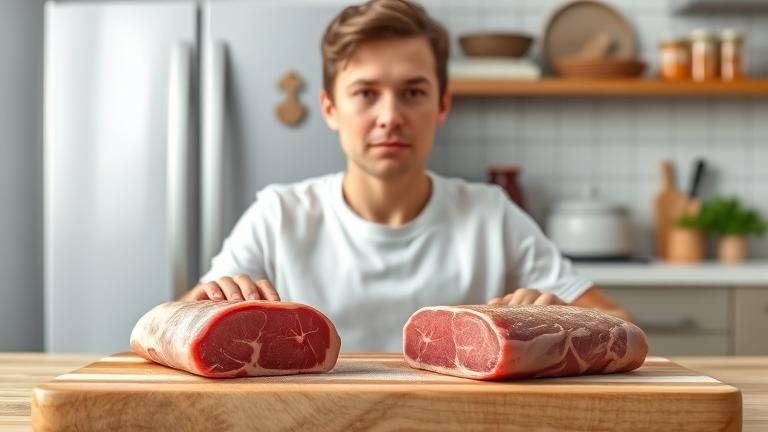
Benefits of Cooking Meat Before Freezing
Freezing raw meat is common, but cooking meat before freezing offers some great advantages. It can make meal prep easier, preserve flavor, and help you store your food more efficiently. If you’re thinking about cooking your meat first, here are some benefits to consider.
One of the biggest advantages is convenience. Having cooked meat already prepared means less time spent on busy days. When you’re ready to eat, you can simply reheat the cooked meat without the need for additional cooking. This is especially helpful for quick lunches or last-minute dinners, saving you planning and effort.
Cooking meat before freezing can also improve flavor and texture. When you freeze raw meat, ice crystals may damage the meat’s muscle fibers. This can sometimes make the meat turn out a bit drier or less tender after reheating. Cooking first helps lock in moisture and enhances the taste, so your leftovers are just as delicious as when you first cooked them.
Another key benefit is better preservation. Cooked meat typically stays good longer in the freezer, especially when properly stored in airtight containers or vacuum-sealed bags. This reduces the risk of freezer burn, which can ruin the quality of raw meat over time. Pre-cooked meat tends to maintain its flavor, texture, and nutritional value better during cold storage.
Cooking meat prior to freezing can also help with portion control. You can divide cooked meat into serving-size portions, making it easier to grab exactly what you need for a meal. This minimizes waste and helps you manage your grocery budget better. Plus, having pre-cooked portions ready means faster meal assembly and less hassle during busy weekdays.
Many people also find that cooking meat beforehand simplifies meal planning. Whether it’s chicken, beef, or pork, you can cook large batches at once, then freeze in smaller portions. When it’s time to eat, just defrost and reheat. This approach reduces cooking time on busy nights and helps you stick to healthy eating routines.
It’s important to remember that not all meats are best cooked before freezing. For some types, like steaks or roasts, freezing raw might preserve texture better. However, for shredded chicken, ground beef, or stew meat, pre-cooking can be a real time-saver. Always follow safe food handling guidelines when cooking and storing meat.
- Label your containers with the date so you know how long the meat has been frozen.
- Allow cooked meat to cool completely before sealing and freezing to avoid excess moisture and ice crystals.
- Use high-quality, airtight containers or vacuum sealers to prevent freezer burn and flavor loss.
Overall, cooking meat before freezing offers an easy way to enjoy flavorful, ready-to-eat meals at home. It simplifies your cooking routine, keeps your food tasting its best, and helps you make the most of your freezer space. Whether you’re meal prepping for the week or just saving leftovers, this method can be a real game-changer in your kitchen.
When to Cook Meat Before Freezing
Deciding whether to cook meat before freezing depends on your meal planning, the type of meat, and how you want to use it later. Sometimes, cooking meat ahead of time can save you time during busy days. Other times, it’s better to freeze raw meat so you can cook it fresh when needed. Knowing the best time to cook meat before freezing can help you keep your kitchen organized and ensure your meat stays tasty and safe.
Generally, pre-cooking meat before freezing works well for certain types like chicken breasts, beef roasts, and leftovers from stews or casseroles. If you plan to use the meat in dishes that match the cooked flavor and texture, then cooking beforehand is a smart choice. For example, if you often make quick tacos, pre-cooked ground beef can be a real lifesaver.
Considerations for Different Types of Meat
- Chicken and Poultry: Cooking chicken breasts or thighs before freezing makes meal prep faster. You can cook, shred, or chop the meat, then store it in airtight containers or freezer bags. When needed, just reheat or add to recipes.
- Beef: For cuts like roasts, cooking before freezing depends on how you plan to use the beef. Ground beef can be cooked and crumbled, perfect for tacos or pasta. For steaks or large roasts, it’s usually best to freeze raw and cook fresh later unless you’ve already cooked large batches for later use.
- Pork: Similar to beef and chicken, cooking pork cuts ahead of time works well for dishes like pulled pork or pork stir-fry. Cook, portion, and freeze for quick meals.
- Seafood: It is generally better to freeze seafood raw unless you plan to cook it immediately after thawing. Cooked seafood can become mushy or lose texture if frozen too long.
When Pre-Cooking Is Beneficial
Pre-cooking is a great idea when you want quick access to ready-made meals. If you often make salads, wraps, or burritos, cooking and then freezing your meat saves time. It also helps when planning for large gatherings or weekly meal prep, letting you portion out ready-to-eat protein sources ahead of time.
Another reason to pre-cook is to reduce the risk of spoilage. Raw meat can sometimes be unsafe if not used within a certain timeframe. Cooking and then freezing meat extends its shelf life while maintaining safety and flavor.
Tips for Freezing Cooked Meat
- Cool it down: Always let cooked meat cool completely before freezing. Hot foods can raise the temperature of the freezer and affect other stored items.
- Portion control: Divide cooked meat into meal-sized portions. Use airtight containers or freezer bags and remove excess air to prevent freezer burn.
- Label clearly: Write the date and type of meat on each package. This helps you keep track of freshness and avoid mystery meat surprises later.
In summary, choosing whether to cook meat before freezing depends on your cooking style and meal plans. Pre-cooked meat offers convenience for quick meals, but raw meat gives flexibility. Consider the type of meat and how you’ll use it, and always follow safe food handling practices to keep your meals delicious and safe to enjoy later.
Best Cooking Methods for Freezing
When preparing meat for freezing, choosing the right cooking method can help preserve its texture and flavor. Not all methods are suitable for freezing because some can result in freezer burn or changes in taste and texture. Here, we’ll explore the best ways to cook meat before freezing so your stored meals stay fresh and delicious.
One of the key tips is to avoid fully cooking meat with high moisture content, such as boiling or poaching, as these can cause the meat to become soft or mushy after thawing. Instead, focus on methods that lock in flavor and moisture while reducing the risk of freezer burn.
Grilling and Broiling
Grilling and broiling are excellent methods to prepare meat for freezing, especially cuts like steak or chicken breasts. These high-heat methods quickly cook the meat, creating a flavorful exterior while keeping the inside tender. Once cooked, let the meat cool completely before packaging it in airtight containers or freezer bags.
Tip: To avoid overcooking, remove the meat slightly underdone, since it will finish cooking when reheated. Proper wrapping prevents freezer burn and keeps the meat flavorful. When reheating, do so gently to maintain moisture and texture.
Searing and Pan-Frying
Searing meat in a hot pan is a quick way to develop flavor through caramelization. After searing, let the meat cool and then freeze it. Searing helps seal in juices, which can improve texture after thawing. This method is especially good for smaller cuts like steaks, pork chops, or chicken thighs.
Tip: Use olive oil or butter during searing to add flavor. Wrap the cooked meat tightly to prevent freezer burn, and avoid overcrowding the pan, which can cause steaming rather than roasting the meat.
Slow Cooking
For tougher cuts like brisket or stewing beef, slow cooking or braising is a smart choice. This method tenderizes the meat while developing rich flavors. After cooking, cool the meat thoroughly and portion it into freezer-safe containers. Slow-cooked meat can be reheated in the oven, stovetop, or microwave without losing much of its moisture.
Tip: Keep the cooking juices or sauce with the meat for added flavor when reheating. Be sure to leave some headspace in containers to account for slight expansion during freezing.
Precooking and Parboiling
Precooking or parboiling involves partially cooking the meat before freezing. This is useful for preparing ingredients for soups or stir-fries. Parboiled meat retains good texture after thawing and cooks quickly later on.
Tip: Avoid overcooking during this step, as the meat will finish cooking during reheating. Let it cool completely, then pack in airtight containers or freezer bags.
Important Tips for Freezing Cooked Meat
- Always let the cooked meat cool completely before freezing to prevent condensation and ice crystals.
- Use airtight containers or vacuum-sealed bags to prevent exposure to air, which can cause freezer burn.
- Label packages with the date to keep track of storage time and consume within recommended limits.
- When reheating, do so gently to avoid drying out the meat or losing flavor.
- Avoid reheating frozen meat multiple times to maintain quality and safety.
How to Freeze Cooked Meat Properly
Freezing cooked meat is a great way to save leftovers and prepare meals in advance. When done correctly, it helps prevent freezer burn and keeps the meat tasting fresh. Proper packaging and storage techniques are key to maintaining the quality of your cooked meat.
Start by allowing the cooked meat to cool down to room temperature. Hot or warm meat can cause condensation inside the packaging, which may lead to ice crystals and freezer burn. Once cooled, pat the meat dry with paper towels if needed to remove excess moisture.
Choose the right packaging to protect your cooked meat. Heavy-duty freezer bags, airtight containers, or vacuum-sealed bags work best. Remove as much air as possible from the packaging to prevent freezer burn. If using freezer bags, squeeze out excess air before sealing. For added protection, wrap the meat tightly with plastic wrap or aluminum foil before placing it in a bag or container.
Label each package with the date you froze the meat. This helps you keep track of how long it has been stored. Proper labeling can prevent you from forgetting how long the meat has been in the freezer, and helps use the oldest items first.
Store cooked meat in the coldest part of your freezer, ideally at 0°F (-18°C). Keep the temperature steady and avoid frequent opening of the freezer, which can cause temperature fluctuations and affect the quality of your meat.
Follow recommended storage durations for cooked meat. Generally, cooked meat can be stored safely for up to 3 to 4 months in the freezer. Try to use it within this timeframe for the best flavor and texture.
Tips for Freezing Cooked Meat
- Use airtight containers or vacuum-sealed bags for best protection against freezer burn.
- Freeze in portions that you typically use, making it easier to defrost only what you need.
- Wrap the meat tightly to prevent exposure to air and moisture.
- Avoid overcrowding the freezer, which can lead to uneven freezing.
- Always label packages with the date to track storage time.
When ready to use, thaw cooked meat safely in the refrigerator overnight. Avoid thawing at room temperature as it can promote bacteria growth. Reheat thoroughly before eating to ensure it is hot throughout.
Tips for Reheating Frozen Meat
Reheating frozen meat can sometimes be tricky. The goal is to bring the meat back to a safe temperature while keeping it moist and flavorful. Whether you’re reheating chicken, beef, pork, or other meats, following some simple tips can make a big difference in the final result.
First, always thaw the meat safely before reheating whenever possible. The best method is to move it from the freezer to the refrigerator and let it thaw slowly overnight. This helps prevent bacteria growth and keeps the meat tender. If you’re short on time, you can use the microwave’s defrost setting, but be sure to cook the meat immediately afterward.
When reheating, use gentle heat to prevent the meat from drying out. High temperatures can cause moisture loss and make the meat tough. Using a stove, oven, or slow cooker works well because you can control the temperature more easily than in a microwave.
For microwave reheating, place the meat in a microwave-safe dish and cover it with a microwave lid or damp paper towel. Heat on medium power in short intervals, around 30 to 60 seconds, and check frequently. Stir or flip the meat to ensure even heating. This method helps prevent hot spots that can overcook parts of the meat while leaving others cold.
If reheating meat in the oven, preheat it to about 325°F (160°C). Put the meat in an oven-safe dish, add a splash of broth or water if it looks dry, and cover with foil to trap moisture. Heat until the internal temperature reaches 165°F (74°C), which is the safe eating temperature for most meats. This technique keeps the meat moist and evenly heated.
For stovetop reheating, slice the meat into smaller pieces for faster, more even warming. Use low to medium heat, add some liquid like broth or water, and cover the pan. Stir occasionally to prevent sticking and ensure all parts heat evenly. This method is particularly good for reheating sliced steak or shredded chicken.
Practical Tips for Perfect Reheating
- Never reheat meat more than once, because each round of reheating can degrade quality and increase food safety risk.
- Use a food thermometer to check the internal temperature. The meat should reach at least 165°F (74°C) to be safe to eat.
- If reheating large portions, consider cutting them into smaller pieces to heat more evenly.
- Allow the meat to rest for a few minutes after reheating to let juices redistribute. This makes the meat more tender and flavorful.
- Keep leftovers refrigerated within two hours of cooking to prevent bacterial growth before reheating.
Remember, the key to tasty reheated meat is gentle, even heating combined with proper storage and handling. Following these tips helps you enjoy your frozen meat at its best, every time.
Safety Precautions for Freezing Meat
Freezing meat is a great way to keep it fresh for longer, but it’s essential to follow safety guidelines to prevent foodborne illnesses. Proper handling, storage times, and temperature control are key points to keep in mind. By taking these simple steps, you can enjoy delicious, safe meals every time.
Handle Meat Carefully Before Freezing
Start with clean hands, utensils, and surfaces. Wash your hands thoroughly with soap and water before touching raw meat. Use separate cutting boards for meat and other foods to avoid cross-contamination. If you notice any blood or juices, wipe them up promptly to reduce bacteria spread.
When preparing meat for freezing, remove excess moisture by patting it dry with paper towels. This helps prevent ice crystals from forming, which can damage the meat’s texture. If you’re freezing whole cuts, consider trimming any excess fat, as fat can spoil faster if exposed to air inside the freezer.
Proper Packaging for Freezing
Use airtight containers or heavy-duty freezer bags to pack the meat. Squeeze out as much air as possible before sealing to avoid freezer burn, which can dry out meat and affect flavor. Label each package with the date of freezing so you can keep track of storage times.
For best results, wrap meat tightly in plastic wrap before placing it in a freezer bag. This extra layer helps maintain freshness and prevents odors from other foods in the freezer from seeping in.
Monitor Freezer Temperature
Keep your freezer at or below zero degrees Fahrenheit (-18°C). This temperature effectively halts bacterial growth and keeps meat safe for longer. Use a freezer thermometer to check regularly. If the temperature rises above this level, move the meat to a colder part of the freezer or consider a new thermometer.
Avoid frequent opening of the freezer door. This causes temperature fluctuations that can compromise the quality and safety of the meat. Try to plan your freezer access to minimize door openings and keep the inside temperature steady.
Know Safe Storage Times
Different types of meat have recommended maximum storage times in the freezer to ensure safety and quality. For example:
| Type of Meat | Maximum Freezer Storage Time |
|---|---|
| Beef, Steaks or Roasts | 6 to 12 months |
| Pork, Chops or Roasts | 4 to 6 months |
| Chicken or Turkey, Whole | 1 year |
| Ground Meat (beef, pork, chicken) | 3 to 4 months |
Label packages with the date they were frozen. Use the oldest items first to avoid keeping meat in the freezer too long, which can affect taste and safety.
Tips for Safe Freezing
- Avoid freezing meats that are already past their expiration date.
- If you notice any freezer burn or strange odors, discard the meat.
- Plan ahead for thawing—thaw meat in the refrigerator, not on the counter, to prevent bacteria growth.
- Cook frozen meat directly if recipes allow, but ensure it’s heated to the proper internal temperature.
Common Mistakes to Avoid
- Freezing meat in unsealed or poorly wrapped packages, which leads to freezer burn.
- Refreezing meat that has thawed without cooking it first, as this can increase the risk of bacteria.
- Overloading your freezer, preventing proper air circulation and temperature regulation.
Following these safety precautions for freezing meat ensures that your food stays fresh, tastes great, and stays safe to eat. It might seem like extra work at first, but these simple steps make a big difference in your kitchen health.
Common Mistakes to Avoid
Freezing and cooking meat can be straightforward, but it’s easy to make mistakes that affect taste, texture, and safety. Knowing what to watch out for can help you keep your meats fresh, flavorful, and safe to eat. Here are some common errors and simple tips to prevent them.
One of the biggest mistakes is not wrapping meat properly before freezing. Leaving meat exposed to air can cause freezer burn, which dries out the meat and makes it less tasty. To avoid this, wrap meat tightly in plastic wrap, aluminum foil, or place it in a zip-top freezer bag. Squeeze out as much air as possible before sealing. For extra protection, consider using a vacuum sealer, especially if you plan to store meat for several months.
Many home cooks forget to label their packages with the date they froze the meat. Without labels, it’s easy to forget how long it has been in the freezer. This can lead to eating meat that’s been stored too long, risking quality loss or food safety issues. Always write the date with a permanent marker on the package. Most meats stay their best quality for about 4 to 12 months, depending on the type.
Another common mistake is thawing meat at room temperature. This unsafe method allows bacteria to multiply quickly on the surface of the meat. Instead, always thaw meat in the refrigerator, in cold water, or in the microwave. If you choose to thaw in cold water, keep the meat sealed in a leak-proof bag and change the water every 30 minutes to keep it cold. Need to cook the meat quickly? The microwave is a safe option, just cook it immediately after thawing.
Missing the chance to let meat rest after cooking is a mistake that can affect texture and juiciness. When meat is removed from the heat, its juices are pushed to the center. If you cut into it right away, those juices will escape and make the meat dry. To avoid this, let your meat rest for about 5 to 10 minutes before slicing. Cover it lightly with foil if needed. This simple step helps lock in flavor and moisture.
Overcooking meat is another common pitfall. It can turn a tender cut into a tough, chewy piece. Use a reliable meat thermometer to check doneness instead of relying solely on cooking time. Different meats have different safe internal temperatures: for example, chicken should reach 165°F (74°C), while beef can be enjoyed at 135°F (57°C) for medium rare. Checking temperature keeps you from guessing and overcooking.
- Always wrap meat tightly before freezing to prevent freezer burn.
- Label your packages with the date to track storage time.
- Thaw meat safely in the fridge, cold water, or microwave, not at room temperature.
- Let cooked meat rest before slicing for better juiciness.
- Use a meat thermometer to prevent overcooking and check for safety.
By avoiding these common mistakes, you can enjoy delicious, safe, and perfectly cooked meat every time. A little extra care during freezing and cooking goes a long way toward making your meals enjoyable and safe for everyone at the table.