
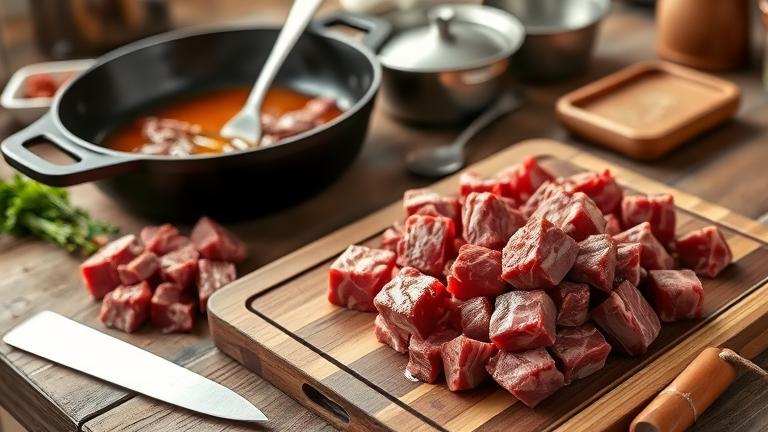
Choosing the Best Beef Cubes
When it comes to making flavorful stews, curries, or slow-cooked dishes, the right beef cubes can make all the difference. Selecting high-quality beef cubes ensures your dish will be tender, tasty, and satisfying. Here’s how to choose the best beef cubes for your cooking needs.
First, consider the cut of beef. Some cuts are naturally better for slow cooking because they become tender and flavorful over time. Common options include chuck, brisket, and round. Chuck is a popular choice because it has a good balance of meat and fat, which adds flavor and moisture during cooking. Brisket and round can also work well, but they may require a longer cooking time to become tender.
Next, look at marbling. Marbling refers to the small streaks of fat spread throughout the meat. Well-marbled beef cubes tend to be juicier and more flavorful because the fat melts during cooking, making the meat tender. When shopping, choose beef cubes with evenly distributed marbling. Avoid pieces that look dry or have large, hard fat pockets, as they can result in uneven texture and less flavor.
Freshness is key to good-tasting beef. Check the color: high-quality beef should be bright red. Avoid beef that looks gray, brown, or dull, as it may be past its prime. Also, give the meat a quick smell test—fresh beef should have a clean, meaty aroma without any sour or off-putting smells.
Size and shape matter too. Uniformly cut cubes ensure even cooking. If some pieces are much larger than others, they may stay tough while smaller ones become overcooked. Many butchers or grocery stores offer pre-cut beef cubes, but if you buy a large piece and cut it yourself, try to keep the pieces about the same size for the best results.
Another tip is to buy from a trusted butcher or store known for good quality meat. They often provide better cuts and fresher options. If you’re uncertain, don’t hesitate to ask the staff for advice—they can recommend the best cuts for slow cooking or stewing.
- Look for bright red, firm beef with fine marbling.
- Avoid dull, gray, or brownish meat.
- Choose uniformly sized cubes for even cooking.
- Buy from trusted sources when possible.
- Ask your butcher for recommendations on the best cuts for stews.
| Cut | Best for | Cooking Time | Marbling Level |
|---|---|---|---|
| Chuck | Stews, braises | 2-3 hours | Moderate to high |
| Brisket | Braises, slow cooking | 3-4 hours | Moderate |
| Round | Stews, slow cooking | 2-3 hours | Low to moderate |
By paying attention to these factors—cut, marbling, freshness, and size—you’ll be well on your way to choosing the best beef cubes for your next delicious meal. Remember, good quality meat makes a noticeable difference in both taste and texture, so take a little extra time shopping to get the best possible ingredients.
Preparing Beef for Tender Cooking
Getting beef ready for tender cooking starts with some simple preparation techniques that can make a big difference in the final dish. Whether you’re making stew, stir-fry, or braised beef, preparing the meat properly ensures it becomes juicy, flavorful, and easy to eat. Let’s go through some practical steps to help you get your beef cubes ready for the best results.
Choose the Right Cut
The first step is selecting the right type of beef. For tender cooking, look for cuts that are naturally softer or suitable for slow cooking, such as chuck, sirloin, or round. These cuts often have more connective tissue, which breaks down during cooking, making the meat tender and flavorful. If you want quicker results, choose cuts like sirloin or tenderloin, which are naturally tender and require less prep.
Trimming Excess Fat and Connective Tissue
Before cooking, examine your beef and trim away any excess fat or silver skin—thin, whitish connective tissue—using a sharp knife. Removing these parts helps prevent a greasy or chewy texture. Be careful not to trim away all the fat, as a little fat adds flavor and moisture to your beef during cooking.
Cutting into Even Cubes
Next, cut the beef into evenly-sized cubes. This helps the meat cook uniformly, preventing some pieces from overcooking while others remain tough. Aim for cubes about 1 to 1.5 inches wide. When cutting, hold the meat steady with a fork or your fingers, and cut against the grain—this means slicing perpendicular to the lines of muscle fibers. Cutting against the grain makes each bite more tender.
Pre-treatment for Extra Tenderness
To make beef even more tender before cooking, consider marinating or tenderizing. A marinade with acids like vinegar, lemon juice, or yogurt helps break down muscle fibers. A simple marinade might include oil, garlic, salt, and acid, left to sit for at least 30 minutes or up to a few hours in the fridge.
If you’re short on time, you can also use a meat tenderizer. These are often made with small blades or mallets that physically break down tough fibers. Gently pound the beef with a meat tenderizer to improve tenderness before cooking.
Practical Tips to Remember
- Start with quality beef from a trusted butcher or store.
- Always cut against the grain for more tender bites.
- Don’t trim away all the fat; it adds flavor and moisture.
- If marinating, stick to acidic ingredients for better results.
- Allow the beef to sit at room temperature for about 20 minutes before cooking for even heat distribution.
Properly preparing your beef before cooking helps ensure it turns out tender, juicy, and delicious. Taking a little extra time to trim, cut, and tenderize can make a big difference, especially in dishes where slow cooking or braising is involved. Now, you’re all set to cook beef cubes that are full of flavor and melt-in-your-mouth tender!
Key Marinades and Tenderizers
Marinades and tenderizers are great tools to make your meat more flavorful and tender. They help break down tough connective tissues, making meat easier to chew and more enjoyable to eat. Whether you’re preparing chicken, beef, pork, or other meats, understanding how to use these agents can make a big difference in your cooking results.
Marinating is soaking meat in a mixture of liquids and spices before cooking. Tenderizers, on the other hand, are ingredients or tools that directly break down the meat’s fibers. Combining the right marinade with the proper tenderizer can turn a tough cut into a tender, flavorful dish.
Popular Marinades
- Acid-based marinades: These contain ingredients like vinegar, lemon juice, or yogurt. The acidity helps break down muscle fibers, making the meat softer. For example, a lemon garlic marinade adds brightness and tenderness to chicken.
- Enzymatic marinades: Ingredients like pineapple, papaya, or kiwi have natural enzymes that soften meat. These work quickly but can turn the meat mushy if left too long, so it’s best to marinate for about 30 minutes to 2 hours.
- Oil-based marinades: Olive oil or other vegetable oils help keep meat moist. When combined with herbs and spices, they add flavor and can help distribute tenderizing acids evenly.
- Sweet marinades: Honey or brown sugar enhances flavor and can assist in caramelization during cooking, adding both tenderness and a nice crust.
Effective Tenderizers
- Aspiration powders: Commercial tenderizer powders often contain enzymes like bromelain (from pineapple) or papain (from papaya). Sprinkle these over meat and let sit for at least 30 minutes.
- Salt: Salting meat and letting it rest before cooking can draw out moisture and break down proteins, resulting in a juicier piece of meat. For best results, salt the meat and leave it covered in the fridge for a few hours.
- Mechanical tenderizers: Tools like meat mallets or blades physically break down fibers. Use gently to avoid shredding the meat, especially for tougher cuts.
- Acid and enzyme mixtures: Combining acids like vinegar or citrus juice with enzymatic fruit purees can be very effective. Just remember, too much acid or enzyme exposure can make meat mushy, so timing is important.
Tips for Best Results
- Marinate for the right amount of time: Thin cuts may only need 30 minutes, while tougher, thicker cuts can benefit from several hours or overnight.
- Avoid over-marinading: Too long in an acidic marinade can make the meat slimy or mushy. Keep an eye on marinating times.
- Test small pieces first: Especially when using new marinades or tenderizers, try on a small piece to see how the meat responds.
- Use refrigeration: Always marinate in the fridge to prevent bacteria growth and keep the meat safe to eat.
Top Cooking Methods Explained
If you want tender beef cubes, choosing the right cooking method makes all the difference. Different approaches break down tough connective tissues and bring out rich flavors. Let’s explore some of the most popular methods for cooking beef until it’s perfectly tender.
Braising
Braising involves cooking beef slowly in a small amount of liquid, usually on the stovetop or in the oven. The beef is first browned in a hot pan to develop flavor. Then, it is simmered gently in broth or wine for a few hours. This slow cooking process helps break down tough connective tissue, making the beef tender and flavorful.
Tips for braising: use a heavy pot like a Dutch oven to distribute heat evenly. Keep the heat low to prevent boiling, which can toughen the meat. Cover the pot to trap moisture and prevent drying out. Braised beef is great for stews, pot roasts, and classic dishes like beef bourguignon.
Stewing
Stewing is similar to braising but involves cutting the beef into smaller, uniform cubes before cooking. The beef is usually completely submerged in liquid. This method is especially good for tougher cuts like chuck, which become meltingly tender after hours of slow cooking.
To stew beef, brown the pieces first in a little oil to add flavor. Then, add enough liquid—such as broth, wine, or a combination—and simmer gently on the stove or in the oven for several hours. The result is tender, flavorful meat that easily falls apart.
Stews are perfect for hearty meals like beef stew with vegetables or chili. Remember to stir occasionally and check the liquid level to avoid burning or drying out.
Slow Cooking
Slow cookers are convenient appliances that do all the work for you. You simply add your beef cubes, vegetables, seasonings, and liquid into the slow cooker. Set it to low and let it cook for 6 to 8 hours or more.
The slow, gentle heat ensures the beef becomes tender while absorbing flavors from the ingredients. This method is ideal for busy days because you can set it and forget it. Slow-cooked beef works well in dishes like shredded BBQ beef, stews, and soups.
Tip: avoid opening the lid too often, as it lets out heat and prolongs cooking time. For best results, use cuts with more connective tissue like chuck or round.
Other Methods to Consider
- Roasting: Cooking beef in the oven at high heat, then finishing at lower temperatures for tender results. Ideal for cuts like prime rib or tenderloin.
- Grilling: Quick method for tender, well-marbled cuts such as steak or kebabs. Not suitable for tougher cuts unless marinated or sliced thin.
- Pan-Frying/Searing: Best for tender cuts, cooked quickly over high heat. Adds flavor and a delicious crust.
Choosing the right cooking method depends on the cut of beef and the result you want. For tough cuts like beef cubes, slow methods like braising, stewing, or slow cooking are your best options for achieving tender, flavorful meat. Remember, patience and gentle heat are key to turning tougher cuts into delicious dishes.
Cooking Tips for Tender Beef
Cooking beef cubes so they stay tender can make a big difference in your dishes. Whether you’re making stew, kebabs, or stir-fries, the key is to understand how to control temperature and cooking time. With a few simple tips, you can turn tough cuts into melt-in-your-mouth tender bites that everyone will enjoy.
First, choose the right cooking method. For beef cubes that will be cooked quickly, like in stir-fries or skewers, use high heat for a short time. This keeps the meat tender and juicy. For tougher cuts, a slow and gentle approach, such as braising or slow cooking, works best. Low heat over a longer period breaks down connective tissues, making the meat soft and flavorful.
Temperature is really important when cooking beef. To keep cubes tender, aim for an internal temperature of about 125°F to 135°F for medium-rare to medium doneness. Use a meat thermometer to check. Overcooking can cause the beef to become dry and chewy, so keep an eye on the timer and temperature.
Timing and Resting
Timing depends on the size of your beef cubes and the cooking method. Small cubes cook quickly, usually in just a few minutes over high heat. Larger chunks may need 10-15 minutes or longer, especially if you’re simmering or baking.
Once the beef is cooked, let it rest for a few minutes before serving. Resting allows the juices to settle back into the meat, making every bite tender and moist. Cover the cooked beef loosely with foil and wait 5 minutes if possible.
Tips for Perfectly Tender Beef
- Marinate the beef: Adding an acidic ingredient like vinegar, wine, or citrus to your marinade can help tenderize the meat. Marinate for at least 30 minutes or up to 24 hours for best results.
- Use the right cut: More tender cuts like sirloin or tenderloin are easier to cook quickly and stay tender. Tougher cuts like chuck or round benefit from slow cooking or braising.
- Cut against the grain: When slicing cooked beef, cut perpendicular to the muscle fibers. This shortens the fibers and makes the meat easier to chew.
- Avoid overcooking: Keep a close watch on time and temperature. Overcooked beef loses its tenderness fast.
Common Mistakes to Avoid
- Using too high heat for long cooking times, which can toughen the meat.
- Not letting the beef rest after cooking, causing juices to escape.
- Choosing the wrong cut for your recipe. Know what cut works best for your dish.
- Overcrowding the pan, which lowers the cooking temperature and causes steaming rather than searing.
Following these practical tips will help you achieve juicy, tender beef cubes every time. Remember, patience and attention to temperature make all the difference in home cooking success.
Common Mistakes to Avoid
Cooking beef can be enjoyable, but it’s also easy to make some common mistakes that can turn your tender meat into a tough, chewy mess. Whether you’re new to cooking or just want to perfect your technique, understanding what mistakes to watch out for can help you achieve juicy, flavorful beef every time.
One of the biggest mistakes is overcooking the beef. When meat is cooked too long, the heat causes the muscle fibers to tighten, making the beef tough and dry. Many home cooks tend to leave the beef on the stove or grill longer than necessary, thinking it will make the meat more tender. However, it actually has the opposite effect. To prevent this, always pay attention to recommended cooking times and internal temperatures that match the cut and thickness of your beef.
Another common error is not using a thermometer. Relying solely on cooking time can be misleading since oven temperatures and meat thickness vary. Using a meat thermometer helps you judge accurately when your beef is perfectly cooked. For example, a medium-rare steak will have an internal temperature of about 135°F, while well-done is around 160°F. Investing in a good thermometer is a simple way to avoid overcooking or undercooking your meat.
Improperly preparing the beef before cooking is also a frequent mistake. For instance, cooking beef straight from the fridge can cause uneven cooking, with the outside overdone while the inside remains undercooked. To avoid this, take the meat out of the refrigerator about 30 minutes before cooking so it can reach room temperature. This helps it cook more evenly.
Another tip is to avoid seasoning the beef too early. Salt, when added too far in advance, can draw out moisture, especially if you are grilling or pan-searing. Instead, season your beef just before cooking or right after. This helps retain the juices and enhances flavor without making the meat dry.
Skipping the rest period after cooking is a mistake that can lead to loss of juices. Once the beef reaches the desired temperature, let it rest for 5 to 10 minutes before slicing. During this time, the juices redistribute throughout the meat, making it more tender and flavorful. Cutting into hot beef immediately can cause all the flavorful juices to run out, leaving you with less tender results.
Lastly, choosing the wrong cut of meat for your recipe can be a mistake. Tougher cuts like chuck or brisket need slow cooking methods, such as braising or roasting at lower temperatures, to break down connective tissues and become tender. Tender cuts like ribeye or sirloin are better suited for quick, high-heat methods like grilling or pan-searing. Picking the right cut for your cooking method ensures better results and less disappointment.
- Always use a meat thermometer for precise cooking.
- Take beef out of the fridge early enough for even cooking.
- Rest the meat after cooking for maximum juiciness.
- Choose the right cut for your cooking method.
- Avoid overseasoning or salting too early.
Serving and Perfecting Your Beef
When it comes to serving beef cubes, presentation can really elevate your dish. Choose a nice serving platter or individual plates that allow the rich color of the beef to stand out. You can garnish with fresh herbs like parsley or thyme for a pop of color and a hint of freshness. For a more elegant touch, consider sprinkling a little coarse sea salt or a drizzle of high-quality olive oil on top. Serving your beef hot ensures it stays juicy and flavorful. If you’re planning to serve it with sides, prepare those in advance so everything comes together at the same time.
To make your beef look appealing, slice it into uniform pieces if you plan to serve it sliced. For cubes, arrange them neatly, perhaps on a bed of rice, mashed potatoes, or roasted vegetables. This not only looks attractive but also makes it easier for your guests to enjoy. An attractive presentation encourages everyone to dig in and enjoy the dish at its best.
Tips to Refine Your Dish for Maximum Tenderness and Flavor
Getting perfectly tender beef with rich flavor takes a few thoughtful steps. First, use quality beef cuts suited for stewing or slow cooking, like chuck or round. These cuts tend to become more tender when cooked slowly over low heat. Second, marinating your beef cubes before cooking can add layers of flavor and help tenderize tougher cuts. A simple marinade with olive oil, garlic, herbs, and a splash of vinegar or citrus works well.
When cooking, avoid rushing the process. Low and slow is the way to go. Braising or slow cooking beef cubes in broth or wine until they are fork-tender ensures they break apart easily and absorb flavors deeply. If you’re browning the beef before braising, do it in batches to avoid overcrowding the pan. Overcrowding causes the meat to steam instead of brown, which can result in less flavor.
During cooking, taste the liquid periodically and adjust seasoning if needed. Flavors deepen over time, so adding a bit more salt, pepper, or a splash of acidity like vinegar can really enhance your dish. Once cooked, let the beef rest for about five minutes before serving. Resting helps the juices redistribute within the meat, making each bite juicy and tender.
- Don’t overcook the beef, or it may become tough and dry.
- Use a meat thermometer if unsure about doneness; for tender, cooked beef, aim for an internal temperature around 145°F (63°C) for medium rare or 160°F (71°C) for well done.
- Experiment with finishing touches, like a splash of balsamic vinegar or a sprinkle of freshly chopped herbs, for extra flavor.
By paying attention to both how you serve and how you cook your beef cubes, you can create a dish that looks beautiful and tastes irresistible. Small details like correct seasoning, proper cooking time, and attractive plating make all the difference. Practice these tips, and soon you’ll be refining your beef dishes for maximum tenderness and flavor every time.