
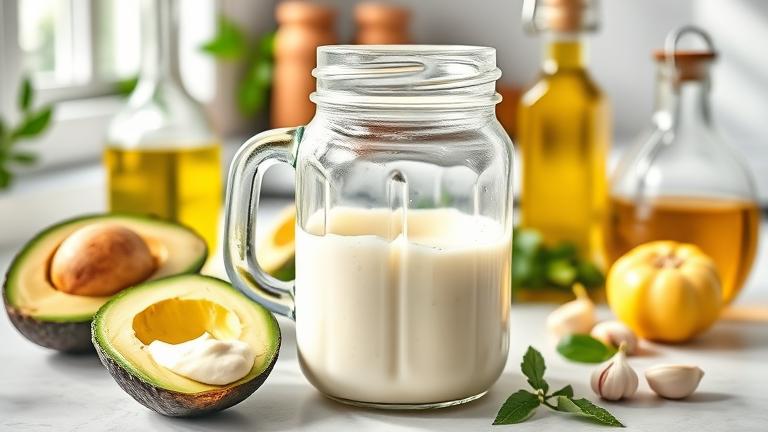
What Is Vegan Mayo? An Overview
Vegan mayo is a dairy-free and egg-free alternative to traditional mayonnaise. It’s made from plant-based ingredients and provides a similar creamy texture and tangy flavor. More people are turning to vegan mayo for health, ethical, or environmental reasons.
Unlike regular mayonnaise, which typically contains eggs and sometimes dairy, vegan mayo uses ingredients like soy, aquafaba, or other plant-based emulsifiers. This makes it suitable for vegans, vegetarians, or anyone with egg allergies. It also often contains healthier fats from oils such as soybean, avocado, or olive oil.
What Are the Benefits of Vegan Mayo?
- Ethical and compassionate: No animal products are used, supporting animal welfare.
- Healthier options: Many brands use oils that contain healthier fats and avoid cholesterol found in eggs and dairy products.
- Allergy-friendly: Perfect for those with egg allergies or sensitivities.
- Diet versatility: Suitable for vegans, vegetarians, and those reducing animal product intake.
- Environmental impact: Producing plant-based products generally requires fewer resources and produces fewer greenhouse gases than traditional mayonnaise.
Making the switch to vegan mayo can be easy and satisfying. Many brands available at grocery stores taste very similar to traditional mayo, making it a simple swap in your favorite recipes. Plus, homemade vegan mayo can be quite simple to prepare with a few basic ingredients.
What Is It Typically Made Of?
Most vegan mayo recipes include a combination of plant-based oils, acids, and stabilizers. Common ingredients are soy protein, aquafaba (the cooking liquid from beans), tofu, or cashew cream. To give it flavor, lemon juice or vinegar is added, along with salt and sometimes mustard for a zing.
Because of its creamy consistency, vegan mayo is used in sandwiches, salads, dips, and dressings. It’s also a popular ingredient in recipes like potato salad or slaw where mayo is essential.
Choosing the Right Vegan Mayo
- Check ingredients: Look for options with simple, recognizable ingredients and no artificial additives.
- Flavor preferences: Some brands have a tangier or milder taste, so try a few to find your favorite.
- Nutrition facts: Compare calories, fats, and added sugars to find a healthier choice that fits your diet.
- Homemade or store-bought: Making vegan mayo at home is easy and customizable, but store-bought varieties are convenient and available in many flavors.
In summary, vegan mayo is a versatile, ethical, and health-conscious alternative to traditional mayonnaise. Whether you buy it ready-made or make it at home, it can easily become a staple in your kitchen for sandwiches, salads, and more.
Key Ingredients for Perfect Vegan Mayo
Creating delicious vegan mayonnaise starts with choosing the right ingredients. These simple components come together to give you that creamy, flavorful spread perfect for sandwiches, salads, or dips. Knowing what to include can help you master the art of making fresh, homemade vegan mayo every time.
The foundation of vegan mayo is plant-based, so traditional eggs are replaced with alternatives that provide the same texture and richness. The most common base ingredients include aquafaba, silken tofu, or a blend of oil and plant milk. Each has its unique qualities, so you can pick based on your preferred texture and flavor.
Core Ingredients
- Oil: A neutral-tasting oil like vegetable, canola, or light olive oil is essential. Oil provides the creamy, smooth consistency characteristic of mayo. Use about 1 cup for a standard batch. You can also experiment with sesame or avocado oil for a different flavor profile.
- Vegan Egg Substitute: Aquafaba (the cooking liquid from chickpeas) is a popular choice because it whips up like egg whites. Silken tofu is another good option, offering creaminess and added nutrition. Some recipes also use commercial vegan mayo as a base.
- Vinegar and Lemon Juice: These acids add brightness and tang that balance the richness. Freshly squeezed lemon juice is preferred for its fresh flavor, but apple cider vinegar works well too. Use about 1-2 tablespoons.
- Mustard: Adds depth of flavor and helps emulsify the mayo. Dijon or yellow mustard both work nicely. Use about 1 teaspoon.
- Sweetener (Optional): A tiny bit of maple syrup, agave nectar, or sugar can mellow the acidity and add a subtle sweetness. Usually just ½ teaspoon is enough.
- Salt and Spices: Salt enhances flavor, while spices like garlic powder or onion powder add extra zest. Feel free to customize with herbs or pepper to suit your taste.
Additional Tips for Success
- Always start with fresh ingredients for the best flavor. Use fresh lemon juice and high-quality oils.
- Balance the acidity with oil and seasonings. Taste as you go to get it just right.
- For a thicker mayo, add a little more oil slowly during blending. For a thinner version, dilute with a splash of plant milk.
- Keep the mixture chilled before serving to improve its texture and flavor.
Using these key ingredients, you can create vegan mayo that rivals any store-bought variety. Experiment with flavors and find your perfect blend. A little practice and these basics are all you need to enjoy fresh, homemade vegan mayonnaise anytime.
Easy Vegan Mayo Recipes to Try
Making vegan mayo at home is easier than you might think. With just a few simple ingredients, you can create a creamy, delicious condiment perfect for sandwiches, salads, or dipping. Whether you’re new to plant-based cooking or a seasoned chef, these recipes are straightforward and customizable.
Vegan mayo is made without eggs, often using ingredients like silken tofu, aquafaba, or plant-based milk combined with oil and seasonings. The key is blending everything until smooth and creamy. Let’s explore some easy recipes to get you started.
Basic Vegan Mayo
This recipe is versatile and perfect as a base for other flavored mayos. You’ll need these ingredients:
- 1/2 cup silken tofu or plant-based yogurt
- 1/4 cup neutral oil like sunflower or vegetable oil
- 1 tablespoon lemon juice or apple cider vinegar
- 1 teaspoon Dijon mustard
- 1/2 teaspoon salt
- Optional: garlic powder or fresh herbs for extra flavor
Here’s how to make it:
- Place all ingredients in a blender or food processor.
- Blend until smooth and creamy. Stop to scrape down the sides as needed.
- Taste and adjust seasonings or acidity if desired.
- Pour into an airtight container and refrigerate for up to a week.
This basic vegan mayo can be customized easily. Add roasted garlic, chopped dill, or a pinch of smoked paprika to create different flavor variations. Remember, the key to a good mayo is blending thoroughly until it’s silky and smooth.
Quick Aquafaba Vegan Mayo
If you’re avoiding soy or tofu, aquafaba—the liquid from a can of chickpeas—is an excellent egg substitute. Here’s what you’ll need:
- 3 tablespoons aquafaba
- 1 cup neutral oil
- 1 tablespoon lemon juice
- 1 teaspoon Dijon mustard
- Pinch of salt
Follow these steps:
- Combine aquafaba, lemon juice, mustard, and salt in a blender.
- Start blending on low speed while slowly pouring in the oil in a steady, thin stream.
- Continue blending until the mixture thickens and turns creamy.
- Refrigerate for at least 30 minutes before using.
This aquafaba mayo is light, fluffy, and works well in salads or as a spread. The slow addition of oil while blending is crucial to achieving that mayo consistency.
Tips for Perfect Vegan Mayo
- Use a neutral oil like sunflower, canola, or grapeseed for the best flavor.
- Always blend until completely smooth. Any lumps will affect the texture.
- Adjust acidity with lemon juice or vinegar to suit your taste.
- If your mayo feels too thick, thin it out with a splash of water or plant-based milk.
- Store homemade mayo in a sealed jar in the fridge. Consume within a week for freshness and safety.
Now that you have these simple vegan mayo recipes, you can easily whip up your own creamy spreads at home. Experiment with flavors and enjoy making your own plant-based condiments that suit your taste and diet.
Tips for Making Vegan Mayo Creamier
Creating a vegan mayo with a smooth, creamy texture is easy when you know a few simple tricks. Whether you’re making it from scratch or tweaking store-bought versions, these expert tips will help you achieve that silky consistency everyone loves.
First, consider your ingredients. Using a high-quality neutral oil like avocado or light olive oil can make a big difference. These oils blend smoothly and help create that rich, velvety texture. Avoid oils that are too strong or thick, as they can make your mayo feel greasy or grainy.
Next, paying attention to the liquid component is key. Many recipes use plant-based milks such as soy, almond, or cashew milk. For creamier mayo, opt for unsweetened and unflavored versions. Thicker plant-based milks, like homemade cashew cream or coconut cream, add extra richness and help emulsify the mayo better.
Emulsification is the secret behind a creamy mayo. To improve it, start blending your ingredients at a low speed and gradually increase as the mixture thickens. This slow build helps the oil and water components combine smoothly, avoiding separation or a grainy texture. If your mayo seems too thick or stiff, add a teaspoon of warm water or lemon juice and blend again. The liquid helps loosen it up and creates a lighter, creamier consistency.
Another practical tip is to add a splash of aquafaba — the chickpea cooking water — or a small amount of silken tofu. These ingredients act as natural emulsifiers, making your mayo extra smooth and stable. Whisking or blending vigorously is also helpful. Using an immersion blender or a regular blender on high speed creates a uniform, creamy mixture.
If you’re aiming for an ultra-smooth texture, strain your mayo through a fine mesh sieve after blending. This step removes any tiny lumps or bits of unblended ingredients, leaving behind a silkier spread.
Lastly, taste and adjust. Adding a pinch of salt, a squeeze of lemon, or a dab of mustard can enhance flavor and improve texture. Don’t be afraid to tweak the ingredients until you find the perfect level of creaminess for your liking.
- Use high-quality, neutral oils for a smooth blend.
- Choose thick, unsweetened plant-based milks for richness.
- Blend gradually and at high speed for a consistent emulsion.
- Add water, lemon juice, or aquafaba to loosen the mayo if needed.
- Strain through a sieve for an extra silky finish.
Common Substitutions and Variations
Vegan mayo is a versatile condiment that you can easily customize with different ingredients and flavors. Sometimes, you might run out of a key ingredient or want to add a unique twist to suit your taste. Don’t worry—there are plenty of simple substitutions and variations to make your vegan mayo just right for you.
One of the most common ingredients in vegan mayo is aquafaba, the liquid from cooked chickpeas, which acts as a great binder and creates a creamy texture. If you don’t have aquafaba, you can substitute with silken tofu for a rich, smooth consistency. Just blend it well to smooth out any chunks. Alternatively, light coconut milk can add creaminess, but keep in mind it will impart a slight coconut flavor.
Basic Ingredient Swaps
- Base Oil: Many recipes use neutral oils like canola, sunflower, or light olive oil. For a more pronounced flavor, try walnut or sesame oil sparingly. Remember, stronger oils can overpower the mayo’s taste, so start with small amounts.
- Vinegar or Lemon Juice: These provide tanginess to the mayo. If you’re out of lemon juice, apple cider vinegar, white wine vinegar, or even a splash of pickle juice can work as a replacement.
- Sweetener: A touch of sugar, maple syrup, or agave nectar adds balance. If you prefer, skip the sweetener entirely for a more savory flavor.
- Mustard: Adds flavor and helps emulsify the mixture. Dijon, yellow, or wholegrain mustard all work. If you don’t have mustard, a pinch of garlic powder or a dash of soy sauce can add depth.
Flavor Variations
Want to spice up your vegan mayo? You can add various herbs and seasonings to create different flavor profiles.
- Garlic Mayo: Mix in minced garlic or garlic powder for a bold, savory kick.
- Herb Mayo: Add chopped fresh herbs like dill, parsley, basil, or chives for a fresh taste. Dry herbs also work if fresh are unavailable.
- Smoky Mayo: Mix in smoked paprika, chipotle powder, or a few drops of liquid smoke to give it a smoky flavor perfect for sandwiches or dipping.
- Spicy Mayo: Add a dash of hot sauce, cayenne pepper, or grated jalapeno for some heat.
Dietary and Allergen-Friendly Variations
If you want to make your vegan mayo compatible with other dietary needs, try these options:
- Low-fat version: Use a smaller amount of oil or substitute part of it with blended silken tofu for creaminess without extra fat.
- Low-sodium mayo: Reduce or omit added salt and season with herbs and spices instead of salt for more flavor.
Tips for Customizing Your Vegan Mayo
- Always taste and adjust as you go. Add a little at a time to control flavor and consistency.
- Store freshly made vegan mayo in an airtight container in the fridge. It should stay fresh for about a week.
- If your mayo becomes too thick or dry, give it a gentle stir. Sometimes, oil separation can occur but is not always a sign of spoilage.
- Experiment with different flavor combos to find your favorite version. It’s easy to make your own signature vegan mayo!
With these substitutions and variations, your vegan mayo can be tailored to any dish or preference. Whether you prefer it spicy, herby, or smoky, customizing your mayo makes your meals even more delicious and personalized.
Troubleshooting: Avoiding Mistakes
Making vegan mayo at home can be simple and rewarding, but it can also come with a few common challenges. Don’t worry if your first batch isn’t perfect. Here are some practical tips and solutions to help you avoid mistakes and succeed every time.
One of the most common issues is mayo that doesn’t thicken properly. This usually happens if the oil and liquids aren’t emulsified well. To prevent this, start with a clean blender or food processor. Make sure your ingredients are at room temperature, as cold ingredients can cause the mixture to split. When blending, add the oil slowly in thin streams, which helps it combine smoothly with the other ingredients.
If your vegan mayo looks split or curdled, don’t panic. It often means the emulsion has broken. You can try to rescue it by adding a teaspoon of warm water or a splash of lemon juice while blending gently. Sometimes, starting with a new egg-free base, like aquafaba (the liquid from chickpeas), and gradually re-emulsifying with the oil helps bring it back together.
Tips to Keep Your Vegan Mayo Successful
- Use a high-quality, neutral oil: Oils like light olive oil, grapeseed, or sunflower are less likely to overpower the flavor or cause separation.
- Adjust the acidity: Lemon juice or vinegar helps stabilize the emulsion. Add them gradually and taste as you go.
- Don’t rush the process: Pour the oil slowly when blending to give it time to emulsify properly.
- Check your blender: A good-quality blender or immersion blender usually produces a smoother mayo. If you’re using a whisk, it might take more effort but still works with patience.
Common Mistakes and How to Fix Them
- Adding too much oil at once: This can cause the mixture to split. Always add the oil gradually, in thin streams.
- Using cold ingredients: Cold liquids can hinder emulsification. Warm them slightly before blending.
- Not tasting and adjusting: As you blend, check the flavor. Sometimes a pinch of salt, more lemon juice, or a touch of sweetener can improve the final product.
- Over-blending: While blending helps emulsify, overdoing it can break the mayo. Blend just until it’s thick and smooth.
Storing Your Vegan Mayo
Once your mayo is ready, store it in an airtight container in the refrigerator. It’s best used within 3 to 4 days for optimal freshness and flavor. If it thickens too much after refrigeration, whisk in a little water or lemon juice before using to restore its creamy texture.
Making vegan mayo might take a few tries to master, but with patience and these tips, you’ll be creating delicious, smooth mayo every time. Remember, small adjustments can make a big difference. Keep experimenting, and soon it will become second nature!
Best Practices for Storing Vegan Mayo
Vegan mayo is a tasty and versatile condiment that can enhance many meals. To keep it fresh and flavorful for as long as possible, proper storage is essential. Whether you make it at home or buy it from the store, following some simple best practices will help prevent spoilage and maintain quality.
First, always store vegan mayo in the refrigerator after opening. The cold temperature slows down bacterial growth and keeps the ingredients fresh. Usually, the packaging will say to use it within a certain timeframe after opening, so check the label for guidance.
Most commercial vegan mayos are designed to be shelf-stable before opening, but once opened, refrigeration is a must. Keep the jar tightly sealed with its lid to prevent air from entering, which can cause spoilage and rancidity. Ensure the lid is screwed on firmly after each use.
When storing homemade vegan mayo, transfer it to a clean airtight container if it’s not already in one. Tupperware or small glass jars with tight-fitting lids work well. Avoid leaving it in the original mixing bowl or spooning it out from a large container repeatedly, as this introduces bacteria.
Temperature stability matters too. Store vegan mayo in the main body of the refrigerator, not in the door. The door experiences more temperature fluctuations due to frequent opening, which can cause the mayo to spoil faster.
Pay attention to the expiration date on store-bought vegan mayo. Even if it looks and smells fine, discard it once the date passes. For homemade versions, a general guideline is to use it within one week to ten days. Always check for signs of spoilage before using.
Signs that vegan mayo has gone bad include an off smell, changes in color or texture, or the appearance of mold. If any of these are present, discard the mayo immediately. Do not taste-test if you’re unsure, as consuming spoiled mayo can cause stomach upset.
Additional Tips for Storage
- Always use clean utensils when scooping out vegan mayo to prevent contamination.
- If you notice the mayo becoming too thick or dry, give it a gentle stir. Sometimes, oil separation can occur but is not always a sign of spoilage.
- For longer storage, consider portioning the vegan mayo into smaller containers. This minimizes repeated exposure to air and helps keep the main batch fresh.
- Keep vegan mayo away from direct sunlight or high heat areas in your fridge, as this can degrade the quality faster.
By following these best practices, you’ll enjoy fresh, tasty vegan mayo for many meals to come. Proper storage not only preserves flavor but also ensures safety and prevents waste. With just a little care, your vegan mayo will remain a reliable staple in your kitchen.