
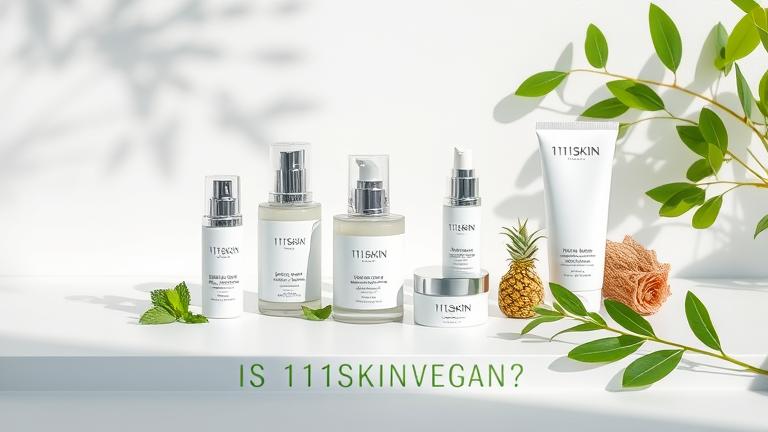
Is 111Skin a Vegan Brand?
If you’re curious whether 111Skin is a vegan brand, you’re not alone. Many skincare lovers want to ensure their favorite brands align with their ethical choices. 111Skin is well-known for its luxurious skincare products that promise to improve skin health and glow. But does that include being vegan? Let’s explore this together.
To determine if 111Skin is a vegan brand, it’s important to look at their ingredients and company policies. Vegan brands avoid all animal-derived ingredients and do not test on animals. It’s also good to consider whether their formulations contain common ingredients like beeswax, lanolin, or carmine, which are derived from animals.
From what is publicly available, 111Skin does not explicitly label itself as a vegan brand. The company’s focus has been mainly on skincare innovations, using advanced ingredients and technologies. They often include ingredients like peptides, hyaluronic acid, and antioxidants, which are plant-based or synthetic. However, some formulations could potentially contain animal-derived components, like collagen or certain proteins, unless specifically stated otherwise.
Another aspect to check is their stance on animal testing. 111Skin is based in the UK, and the country has strict regulations against animal testing for cosmetic products. The brand states that they comply with all relevant laws, but they do not claim to be certified cruelty-free or vegan. If avoiding animal products is essential for you, this might be a point to consider.
Ethically-minded consumers often look for certifications from reputable organizations. These include the Leaping Bunny or Vegan Society stamps. Since 111Skin does not prominently display such certifications, it’s safer to assume they are not officially certified vegan. For a product to be fully vegan, it must contain no animal ingredients and be cruelty-free, verified by an independent organization.
This means that if you prefer complete vegan skincare, you may need to check each product’s ingredient list carefully. Look for items that specify they are vegan or are certified by vegan organizations. Some products might be vegan-friendly even if the brand doesn’t have a formal certification, but it’s always best to verify each product individually.
- Read ingredient labels carefully before purchase.
- Check for vegan certifications on the packaging or official website.
- Contact customer service if you’re unsure about specific ingredients.
- If cruelty-free is important, look for brands with the relevant certification, even if they are not explicitly vegan.
In summary, while 111Skin produces high-quality skincare, it is not officially labeled as a vegan brand. Without a clear vegan certification, it’s safest to assume some products may contain animal-derived ingredients. If being vegan is a top priority for you, consider choosing brands with specific vegan certifications. But if you are comfortable with a brand that emphasizes innovation and ethical practices without certifying as vegan, 111Skin could still be a good option.
Key Vegan Skincare Tips to Know
Choosing vegan skincare products is a great step toward a more cruelty-free and plant-based routine. Knowing what to look for and how to care for your skin can make the process easier and more enjoyable. Whether you are new to vegan skincare or looking to improve your current routine, these essential tips will help guide you.
1. Read Labels Carefully
Always check the ingredient list and packaging for clear vegan labeling. Look for certifications like the Vegan Society or Leaping Bunny, which verify that no animal products or testing were involved. Some common non-vegan ingredients to watch out for include beeswax, lanolin, carmine, and collagen.
Be aware that some products may be labeled as cruelty-free but still contain animal-derived ingredients. Reading labels helps you make sure your products align with your values.
2. Understand the Benefits of Plant-Based Ingredients
Vegan skincare often uses ingredients like aloe vera, coconut oil, jojoba oil, shea butter, and green tea. These natural options are gentle, nourishing, and packed with antioxidants. They can soothe skin irritation, boost hydration, and improve your skin’s overall health.
Know what your skin needs and choose products with ingredients that suit your concerns, whether it’s dryness, oiliness, or sensitivity.
3. Avoid Unnecessary Additives
Many skincare products contain parabens, synthetic fragrances, and dyes, which can irritate sensitive skin. When selecting vegan products, opt for those with minimal, natural preservatives and fragrance free if you have allergies.
It’s a good idea to do a patch test before trying a new product. Apply a small amount on your wrist or behind your ear and wait 24 hours to check for reactions.
4. Focus on Skin Type and Concerns
Not all vegan skincare products work for every skin type. Determine whether your skin is oily, dry, sensitive, or combination. Choose products labeled for your specific needs, like a lightweight gel for oily skin or a rich cream for dry skin.
Use serums or oils with calming botanicals if you have sensitive skin, or exfoliants with gentle acids to brighten dull skin. Personalized options help your routine be more effective.
5. Keep Your Routine Simple and Consistent
More skincare isn’t always better. Stick to a basic routine with cleanser, moisturizer, and sunscreen during the day. Add targeted treatments as needed, such as exfoliants or serums.
Consistency is key for seeing results. Use products as directed and give your skin time to adjust before switching or trying new items.
6. Proper Storage and Maintenance
Store your vegan skincare in a cool, dry place, away from direct sunlight. Proper storage extends the shelf life of your products and keeps them effective. Make sure to close containers tightly after each use to prevent contamination.
Replace any products that change in smell, texture, or color, as these can indicate spoilage. Keep your routine clean and organized for the best results.
Tips for Success
- Start with a few simple products to see how your skin responds.
- Patch test new items before full application.
- Read reviews and get recommendations from trusted sources or friends.
- Be patient; skincare improvements take time.
Benefits of Vegan Skincare Products
Vegan skincare products are becoming increasingly popular among people who want healthy skin while also caring for the planet and animals. These products are made without animal-derived ingredients like honey, beeswax, lanolin, or milk, which makes them a compassionate choice. But the benefits go beyond ethics — using vegan skincare can also improve your skin’s health and help protect the environment.
One of the main advantages of vegan skincare is that it often contains natural, plant-based ingredients. This means fewer chemicals and synthetic fragrances that can irritate sensitive skin or cause breakouts. Many vegan formulations include ingredients like aloe vera, coconut oil, tea tree, and chamomile, which are gentle and nourishing. If you have sensitive skin or allergies, switching to vegan products can reduce the chance of reactions and keep your skin calmer and healthier.
Vegan skincare is also about supporting ethical standards. Choosing these products means you are helping to prevent animal cruelty often linked to traditional skincare manufacturing. Many vegan brands are also cruelty-free, meaning they do not test on animals. This aligns with a compassionate lifestyle and helps encourage companies to adopt more humane practices.
Environmental impact is another big reason to pick vegan skincare. Producing animal-derived ingredients requires more resources, like water and land. For example, raising animals for products like milk or beeswax contributes to deforestation and pollution. Vegan products, made from plants and minerals, typically use fewer resources and generate less waste. By choosing vegan skincare, you’re reducing your ecological footprint and helping preserve ecosystems.
Additionally, vegan skincare often involves sustainable packaging. Many brands prioritize eco-friendly materials such as recycled plastics and biodegradable packaging. This can lessen plastic waste and pollution. Some companies also focus on cruelty-free testing and ethical sourcing of their ingredients, adding more layers of environmental responsibility.
Here are some practical tips when switching to vegan skincare:
- Read ingredient labels carefully. Look for words like plant-based, cruelty-free, and vegan certification.
- Start with a few products, such as cleanser and moisturizer, to see how your skin responds.
- Patch test new products before applying to your face to prevent any irritation.
- Combine vegan skincare with good habits like wearing sunscreen, staying hydrated, and eating a balanced diet for optimal skin health.
Overall, choosing vegan skincare products is a friendly step toward healthier skin, ethical living, and a cleaner environment. With the variety of options available today, it’s easier than ever to find products that work well for your skin and align with your values.
How to Spot Vegan Skincare Items
Finding vegan skincare products can seem tricky at first, but once you know what to look for, it becomes much easier. Vegan skincare items are made without any ingredients derived from animals or animal by-products. They are a great choice if you’re looking to avoid animal exploitation and choose cruelty-free options.
First, always read the product label carefully. Packaging can give you quick clues about whether a skincare item is vegan. Look for clear words like “vegan” or “animal cruelty-free” on the packaging. Some brands proudly display these labels to help you identify their products quickly.
Next, check the ingredients list. Vegan skincare products do not include common animal-derived ingredients. Be on the lookout for ingredients like honey, beeswax, lanolin, collagen, collagen hydrolysate, carmine, gelatin, keratin, and animal fats. If these are listed, the product is not vegan, even if it claims to be cruelty-free.
To make it easier, familiarize yourself with common plant-based ingredients used in skincare. These include aloe vera, coconut oil, shea butter, jojoba oil, green tea extract, and chamomile. Products that feature these ingredients are often vegan, but it’s always best to double-check the label for hidden animal ingredients.
Using Certifications to Confirm Vegan Status
Certifications can be very helpful when trying to spot vegan skincare items. Look for official symbols or labels from trusted organizations. The most well-known vegan certification is the V-Label, which guarantees that the product is vegan and vegetarian. Also, some brands have their own vegan seals or endorsements from cruelty-free organizations like Leaping Bunny or PETA.
| Certification | What it Means |
|---|---|
| V-Label | Confirmed vegan and cruelty-free by an independent organization |
| Leaping Bunny | Cruelty-free, with no animal testing—but not specifically vegan |
| PETA Cruelty-Free & Vegan | The product is both cruelty-free and free from animal-derived ingredients |
Remember, not all vegan skincare products will have a certification, so it’s important to read labels carefully. Sometimes, brands are transparent about their standards but may not have formal seals.
Also, watch out for misleading labels. Terms like “animal-friendly” or “cruelty-free” do not necessarily mean vegan. They focus on testing animals but might still include animal ingredients. Always verify both the ingredients and certifications.
Tips for Making Informed Choices
- Research brands ahead of time to see if they are committed to vegan and cruelty-free practices.
- Read reviews and product descriptions from trusted sources to get real feedback on vegan claims.
- Be cautious with products that use ambiguous ingredients. When in doubt, contact the manufacturer for clarification.
- Choose products with clear, transparent labeling to avoid accidentally purchasing non-vegan items.
With a little practice, spotting vegan skincare becomes second nature. Always prioritize reading labels and certifications, and you’ll be able to make informed, compassionate choices for your skincare routine.
Common Myths About Vegan Skincare
Many people are curious about vegan skincare, but there are quite a few misconceptions that can create confusion. Understanding the facts versus myths helps you make better choices for your skin and your values. Here, we’ll clear up some of the most common myths about vegan skincare.
Myth 1: All vegan skincare products are naturally gentle and safe for sensitive skin.
While vegan skincare products exclude animal-derived ingredients, it doesn’t automatically mean they are gentle or suitable for sensitive skin. Some vegan formulas contain synthetic fragrances, alcohol, or other potential irritants. Always check the ingredient list and do a patch test before fully trying a new product. Look for products labeled “hypoallergenic” if your skin tends to react easily.
Myth 2: Vegan skincare is less effective than non-vegan options.
This is not true. Many vegan skincare brands focus on using potent plant-based ingredients like hyaluronic acid, aloe vera, and antioxidants that nourish and protect the skin. Several studies show that plant-based ingredients can be just as effective, if not more so, than animal-derived ones. Choose products based on ingredients and your skin type rather than whether they are vegan or not.
Myth 3: Vegan skincare is always cruelty-free.
Vegan products do not contain animal ingredients, but cruelty-free means products are not tested on animals. Some vegan brands still conduct animal testing, especially if they sell in countries where testing is required by law. Look for labels like “cruelty-free” or certifications such as Leaping Bunny to ensure no animal testing was involved at any stage.
Myth 4: Vegan skincare is more expensive than regular skincare.
Cost varies widely among brands, vegan or not. While some high-end vegan products can be pricey, there are many affordable options available. It is possible to build an effective skincare routine without breaking the bank by choosing products with ingredients suited to your skin and looking for sales or drugstore brands with vegan options.
Myth 5: Vegan skincare products are limited and hard to find.
In reality, the market for vegan skincare has grown a lot in recent years. You can find vegan options in most drugstores, department stores, and online shops. Many brands are now dedicated to offering clean, cruelty-free, and vegan products, making it easier for consumers to find suitable skincare solutions.
Myth 6: Vegan skincare is only for vegans or vegetarians.
Anyone can use vegan skincare, regardless of their diet. People choose vegan skincare for reasons like ethical concerns, environmental impact, or personal health. You don’t have to be vegan to enjoy the benefits of plant-based, cruelty-free products. They often suit various skin types and needs.
- Always read labels carefully even if a product claims to be vegan.
- Research brands and look for trustworthy certifications.
- Test new products on a small skin patch first to avoid irritation.
- Balance your skincare routine with ingredients that work well for your skin type.
Vegan Skincare for Sensitive Skin
Vegan skincare can be a gentle and effective choice for those with sensitive skin. Since sensitive skin tends to react easily to certain ingredients, choosing vegan products with natural, plant-based ingredients can help reduce irritation and soothe the skin. Many vegan skincare formulations avoid common allergens and harsh chemicals, making them suitable for sensitive skin types.
When selecting vegan skincare products for sensitive skin, it’s important to focus on gentle and nourishing ingredients. Look for products that list natural oils, herbs, and plant extracts known for their calming properties. Avoid products with alcohol, synthetic fragrances, dyes, or preservatives, as these can cause redness, itchiness, or breakouts.
Tips for Choosing the Right Vegan Skincare
- Check the labels carefully: Ensure the product is labeled as vegan and cruelty-free. Also, look for certification seals from reputable organizations to confirm.
- Choose fragrance-free options: Fragrances, especially synthetic, are common irritants. Opting for scent-free or naturally scented products can prevent adverse reactions.
- Start with patch tests: Before applying a new product to your face, perform a patch test on a small area of skin. Wait 24 hours to see if any redness or irritation occurs.
- Look for soothing ingredients: Ingredients like chamomile, aloe vera, calendula, and oat extract are known for calming sensitive skin. These can help reduce redness and inflammation.
- Avoid harsh exfoliants: While exfoliating can improve skin texture, rough scrubs or harsh acids can aggravate sensitive skin. Instead, choose gentle chemical exfoliants with ingredients like lactic acid or fruit enzymes.
Example of a Simple Vegan Skincare Routine for Sensitive Skin
- Gentle Cleanser: Use a mild, sulfate-free cleanser with plant-based ingredients like aloe or chamomile. Cleanse your face twice daily to remove dirt and excess oils without stripping moisture.
- Toner: Apply an alcohol-free toner with soothing ingredients such as witch hazel or rose water to balance your skin’s pH.
- Serum or Treatment: Use a calming serum with antioxidants or anti-inflammatory ingredients like chamomile or green tea extract.
- Moisturizer: Choose a fragrance-free, hydrating moisturizer with ingredients like shea butter, jojoba oil, or squalane to lock in moisture and protect sensitive skin.
- Sunscreen: Finish with a broad-spectrum vegan sunscreen suitable for daily use. Look for mineral options with zinc oxide or titanium dioxide for gentle sun protection.
Common Mistakes to Avoid
- Overusing products: Stick to a simple routine to avoid overwhelming your skin with too many ingredients.
- Ignoring ingredient labels: Always read the list to ensure the product is free from known irritants.
- Using expired products: Discard any skincare that has passed its expiration date, as ingredients can degrade and cause reactions.
By choosing the right vegan skincare products and following gentle routines, you can help your sensitive skin stay calm, healthy, and radiant. Remember, the key is clarity, patience, and listening to your skin’s needs.
Final Thoughts on 111Skin and Vegan Options
When it comes to skincare, choosing products that align with your values is important. If you are interested in vegan skincare, it’s good to know that 111Skin does not officially advertise as a vegan brand. Their formulations may contain ingredients derived from animal sources or tested on animals, so it’s wise to review each product carefully.
For those committed to vegan skincare routines, there are plenty of excellent alternatives available. Many brands now offer fully vegan, cruelty-free options that focus on natural ingredients and ethical practices. These products can deliver similar benefits for your skin without compromising your values.
What to Look for in Vegan Skincare
- Labels and Certifications: Check for labels such as the vegan symbol, Leaping Bunny, or PETA approval. These certifications ensure the product is cruelty-free and vegan.
- Ingredient Lists: Read the ingredient list for common animal-derived ingredients like beeswax, lanolin, collagen, or carmine. Vegan products replace these with plant-based alternatives like shea butter, jojoba oil, or algae extracts.
- Brand Transparency: Trust brands that openly share their sourcing and testing practices.
Practical Tips for Choosing Vegan Skincare
- Start with a few key products such as moisturizer, cleanser, and serum to see how your skin reacts.
- Patch test new products before full application to avoid allergic reactions.
- Read reviews and ask for recommendations from trusted sources or fellow vegan skincare users.
- Remember that not all “cruelty-free” products are vegan; check labels carefully.
Common Mistakes to Avoid
- Assuming all natural or organic ingredients are vegan—that’s not always the case.
- Overlooking ingredient labels in products like lip balms and makeup, which often include animal-derived components.
- Choosing only on price—sometimes investing in higher-quality vegan skincare pays off in better results and safer ingredients.
While 111Skin offers luxurious skincare options, if vegan and cruelty-free products are your priority, explore dedicated vegan brands. Many of these products are developed with the same focus on quality and effectiveness, giving you peace of mind with your skincare routine.
Ultimately, the best choice depends on your values, your skin’s needs, and how well a product works for you. With a bit of research, you can find great vegan-friendly options that keep your skin healthy and your conscience clear.