
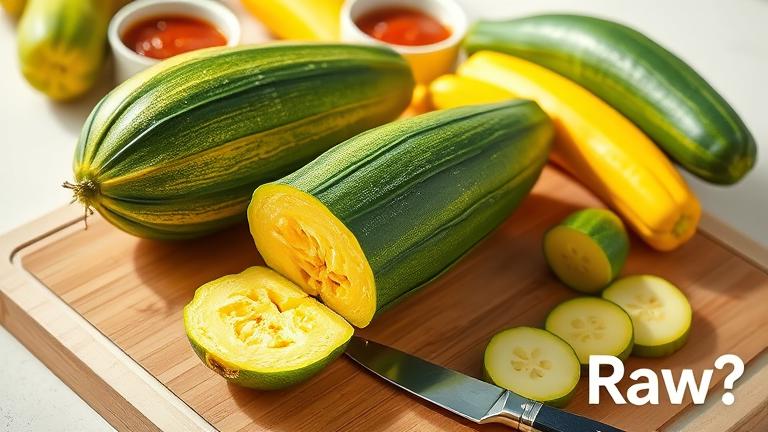
Is Summer Squash Safe to Eat Raw?
Many home cooks wonder if summer squash is safe to eat raw. The good news is that yes, most summer squash varieties, like zucchini, yellow squash, and pattypan, are safe to enjoy without cooking.
Eating summer squash raw can be a crisp, refreshing way to enjoy its delicate flavor and tender texture. But, as with all fresh produce, there are some safety considerations to keep in mind.
First, make sure to wash the squash thoroughly before eating. Dirt, bacteria, or pesticides can be present on the skin, so rinse the outside well under cold running water. Use a vegetable brush if needed to scrub the surface gently.
Next, inspect the squash for any bruises, cuts, or soft spots. If the skin looks damaged or shows signs of mold, it’s best to avoid eating that portion or discard the squash altogether. While summer squash has a high water content and is generally safe, damaged areas can harbor bacteria.
After washing, you can slice or cube the squash for salads, snacks, or veggie trays. Raw summer squash adds a nice crunch and mild flavor to many dishes. However, be aware that some people might experience minor digestive discomfort if they eat large amounts raw, especially if their digestive system is sensitive.
Another safety tip is to avoid eating summer squash that has been left out at room temperature for more than two hours. Bacteria can grow quickly at warm temperatures, so keep raw squash refrigerated until you’re ready to eat or prepare it.
While summer squash is generally safe to eat raw, it’s worth noting that some peels or seeds might be tougher on digestion for certain individuals. If you find the texture or flavor unappealing, cooking is an easy way to soften it and enhance flavor.
- Choose bright, firm squash with smooth skin
- Wash thoroughly before eating
- Store in the refrigerator and consume within a few days
- Discard any damaged or moldy pieces
Following these simple tips will help ensure that your raw summer squash is safe, clean, and delicious. So go ahead, enjoy it fresh in salads or as a crunchy snack!
Health Benefits of Summer Squash
Summer squash, like zucchini and yellow crookneck, are not only versatile and delicious but also packed with health benefits. Eating summer squash raw is a simple way to enjoy its full nutritional potential. These colorful vegetables are rich in vitamins, minerals, and antioxidants that support your overall health and well-being.
One of the main advantages of summer squash is its high vitamin content. They are a great source of vitamin C, which is essential for a strong immune system. Vitamin C helps your body fight off colds and infections and also promotes healthy, glowing skin. Summer squash also provides vitamin A, mainly in the form of beta-carotene. This vitamin is important for good eyesight, healthy skin, and a strong immune response.
In addition to vitamins, summer squash supplies various minerals that help keep your body functioning properly. They are particularly rich in potassium, a mineral that maintains your blood pressure and supports muscle and nerve function. The mineral manganese, which is involved in bone development and metabolism, is also present in good amounts. Consuming summer squash raw allows you to preserve these nutrients, which can degrade when cooked at high temperatures.
Antioxidants are another key benefit of summer squash. These natural compounds help protect your cells from damage caused by free radicals, which are linked to aging and chronic diseases like heart disease and cancer. Summer squash contains antioxidants such as lutein and zeaxanthin, which are especially beneficial for eye health. Eating raw summer squash ensures you get these antioxidants in their most potent form.
Besides being nutrient-dense, summer squash is very low in calories. This makes it an excellent choice for anyone looking to maintain or lose weight without sacrificing essential nutrients. Because it is mostly water, summer squash also helps keep you hydrated, especially during hot summer days.
Practical Tips for Eating Summer Squash Raw
- Wash thoroughly: Always rinse summer squash well under running water to remove dirt and pesticides.
- Slice thinly: Use a sharp knife or a mandoline to cut thin, even slices that are easy to snack or add to salads.
- Pair with healthy fats: Add a drizzle of olive oil or a sprinkle of nuts to boost nutrient absorption, especially for fat-soluble vitamins like A and E.
- Serve with dips: Try hummus, yogurt, or vinaigrettes for a tasty, nutritious snack.
Remember, eating raw summer squash is a fantastic way to maximize its nutritional benefits. Incorporate it into salads, veggie boats, or as a refreshing snack during the summer months. With its abundance of vitamins, minerals, and antioxidants, summer squash is a simple yet powerful addition to a healthy diet.
How to Prepare Summer Squash Simply
Summer squash is a fresh and versatile vegetable that’s perfect for snacking or adding to salads. Preparing it for raw eating is simple and quick, making it a great choice for healthy snacks or meal additions. The key steps are washing, trimming, and slicing, so let’s walk through each one.
Step 1: Wash the Squash
Start by rinsing the summer squash under cool running water. This removes dirt, pesticides, and any bacteria that might be clinging to the skin. Use your hands or a soft brush to gently scrub the surface, especially if the skin feels rough or sticky. Remember, since you’re eating the squash raw, cleanliness is extra important.
Step 2: Trim the Ends
Once clean, lay the squash on a cutting board. Use a sharp knife to cut off both ends. The stem end and the blossom (flower) end can both be removed, as they often don’t have much flavor and can be tougher. Removing these parts makes the squash easier to handle and prepare for slicing.
Step 3: Slice the Squash
There are many ways to slice summer squash, depending on how you plan to use it. For snacking or salads, thin rounds or half-moons work well. Simply cut the squash into manageable lengths, then slice crosswise into thin pieces. If you prefer, you can also julienne by cutting into strips. Use a sharp knife for clean cuts to keep the slices even and avoid crushing the vegetable.
Additional Tips for Raw Summer Squash
- Choose fresh squash: Look for firm, shiny squash with vibrant color. Avoid dull or soft spots.
- Storage: Keep unwashed squash in a plastic bag in the fridge for up to a week. Wash just before using.
- Serving ideas: Toss sliced squash with olive oil, lemon juice, salt, and pepper for a quick salad, or serve with hummus as a raw snack.
- Using a mandoline: For thin, uniform slices, a mandoline slicer can make prep faster and more consistent.
- Safety tip: Always use a sharp knife and cut on a stable surface to prevent accidents.
Preparing summer squash for raw dishes is quick, easy, and adds a fresh crunch to your meals. With these simple steps, you can enjoy this seasonal vegetable raw and delicious anytime. Just remember to wash, trim, and slice with care, and you’ll be ready to add it to salads, snacks, or any dish that calls for a fresh crunch.
Easy Summer Squash Recipes
Summer squash is a versatile vegetable that is perfect for quick, tasty meals during the warm months. Its mild flavor and tender texture make it ideal for raw preparations, and there are plenty of simple recipes to help you enjoy this seasonal produce. Whether you have a zucchini or yellow squash, these ideas are easy to make and great for any meal of the day.
Raw Summer Squash Salad
This salad is a fresh, crunchy way to enjoy raw summer squash. It’s quick to prepare and works well as a side dish or light lunch. Start by washing your squash thoroughly to remove any dirt. Using a sharp knife or a mandoline slicer, thinly slice the squash into rounds or matchsticks.
In a small bowl, whisk together a simple vinaigrette with olive oil, lemon juice, salt, and pepper. You can add herbs like basil or parsley for extra flavor. Toss the sliced squash in the dressing until they’re evenly coated. For added brightness, sprinkle with some grated Parmesan or crumbled feta cheese. Serve immediately for the crunchiest texture.
Summer Squash Wraps
If you’re looking for a portable, healthy snack or lunch, try making summer squash wraps. Use large raw squash slices like a tortilla substitute. Wash and slice the squash thinly lengthwise. Layer the slices with your favorite fillings such as hummus, fresh vegetables, and cooked proteins like grilled chicken or tofu.
Gently roll the squash slices around the fillings, creating a wrap. Secure with toothpicks if needed. These are perfect for picnics or a refreshing lunch. For extra flavor, add a drizzle of balsamic glaze or a sprinkle of crushed red pepper.
Quick Summer Squash Noodles
Made with just a peeler, summer squash turns into a low-carb alternative to pasta. Wash the squash and, using a vegetable peeler, peel along the length of the squash to create thin, noodle-like strips. These raw squash noodles can be added directly to salads or made into a cold noodle dish.
To enhance the flavor, toss them with a quick sauce—such as olive oil, lemon juice, garlic, and chopped herbs. Top with cherry tomatoes, mozzarella balls, or sliced olives for a Mediterranean vibe. Serve immediately to enjoy their fresh texture.
Tips for Preparing Raw Summer Squash
- Choose firm, glossy squash without blemishes for the best texture and flavor.
- Wash squash thoroughly before slicing or grating.
- Use a mandoline or sharp knife for even slices, which look nicer and are easier to eat.
- To prevent the squash from becoming too watery, consider salting slices lightly and letting them sit for 10 minutes before rinsing and dressing.
- Experiment with herbs, citrus, and cheese to customize these recipes to your taste.
Cooking Tips for Better Flavor
Summer squash is a versatile vegetable that tastes great when eaten raw or lightly cooked. To enjoy its fresh, mild flavor at its best, a few simple tips can make a big difference in how it tastes and feels in your mouth.
First, choose ripe, firm summer squash with smooth, shiny skin. Avoid soft or wrinkled ones, as they may be less flavorful. When selecting squash, look for ones that feel heavy for their size; this usually means they are fresh and full of water, which helps keep them crisp.
Before eating raw, give your squash a good wash under cold running water. Trim off the stem ends and any blemished parts. If you prefer a softer texture, you can peel the squash, but many people enjoy the tender skin for extra crunch and added nutrients.
Enhancing Flavor with Simple Prep
- Salt it lightly: Just a pinch of salt sprinkled on raw squash can brighten its natural flavor. Let it sit for a few minutes to allow the salt to draw out some moisture and taste.
- Use acid: A splash of lemon juice or vinegar can add a fresh zing and make the squash taste brighter. These acids also help tenderize if you are lightly cooking the squash later.
- Opt for herbs and spices: Fresh herbs like basil, mint, or dill make a big difference. A sprinkle of black pepper or a pinch of red pepper flakes can give it a bit of spice.
Texture Tips
For a crunchier bite, slice your squash thinly or into matchstick-sized strips. If you want it a little softer while still raw, toss the slices with a bit of olive oil and let them sit for 10-15 minutes. This slightly coats the slices and enhances their texture and flavor.
Light Cooking Alternatives
If you prefer your summer squash lightly cooked, steaming or sautéing are good options. Keep cooking times short—just a minute or two—so the squash retains its bright flavor and crunch.
Common Mistakes to Avoid
- Over-salting: Too much salt can overpower the delicate flavor of summer squash, so use sparingly.
- Overcooking: Cooking squash for too long can make it soggy and dull in flavor. Aim for just a quick sear or flash steam to keep it lively and fresh.
- Using overwhelming ingredients: Strong sauces or heavy dressings can mask the natural taste. Use light, fresh toppings to enhance without overwhelming.
With these simple tips, you’ll enjoy summer squash’s fresh, tender crunch and subtle sweetness even more. Remember, the key to better flavor is fresh ingredients, gentle preparation, and a touch of seasoning that complements its natural taste.
Common Questions About Summer Squash
Summer squash is a popular and versatile vegetable that many home cooks enjoy during the warmer months. If you’re new to summer squash, you may have many questions about how to choose, store, and cook it. Here, we answer some of the most common questions to help you make the most of this tasty vegetable.
How do I pick good summer squash at the store or farmers’ market?
Choosing fresh summer squash is simple once you know what to look for. Look for squash that has a firm, smooth, and shiny skin without wrinkles or spots. The shape should be uniform and free of cracks or blemishes. Smaller squash, usually around 6 to 8 inches long, tend to be more tender and sweet, while larger ones can be a bit more watery and less flavorful. If buying yellow squash or zucchini, check the color; it should be bright and vibrant without dull patches. Feel the squash gently; it should feel heavy for its size, indicating freshness and moisture inside.
How should I store summer squash to keep it fresh?
To keep summer squash fresh, store it in the refrigerator. Place it in a perforated plastic bag or loosely wrap it in a paper towel inside a plastic bag. This allows some airflow, preventing moisture buildup that can cause mold. Keep it in the crisper drawer, where humidity levels are just right for vegetables. Use your summer squash within 2 to 3 days of purchase for the best flavor and texture. If you notice any cut or damaged parts, remove them promptly to prevent spoilage of the rest.
Can I eat summer squash raw?
Yes, summer squash is delicious and nutritious when eaten raw. It has a mild, slightly sweet flavor and a crisp texture that makes it great for salads or snacks. Sliced raw, it adds crunch and hydration. Be sure to wash it thoroughly before eating raw, especially if bought from a farmers’ market or stand. When prepared raw, keep it refrigerated until serving to maintain freshness.
What are some easy ways to cook summer squash?
There are many simple methods to cook summer squash. Sautéing slices in a little olive oil with garlic and herbs is quick and flavorful. Grilling adds smoky flavor; just brush slices with oil and cook on a hot grill until tender. You can also roast squash in the oven by tossing it with olive oil, salt, and pepper, then baking at 400°F (200°C) for about 15-20 minutes. Steaming or boiling works too, especially if you want to mash or blend it into other dishes. Remember not to overcook, as squash cooks quickly and can become mushy.
Are there common mistakes to avoid when preparing summer squash?
- Overcooking: Squash cooks fast and can turn mushy. Keep an eye on it and test for doneness early.
- Using too much water: When boiling or steaming, avoid using excessive water that can dilute flavor.
- Not washing thoroughly: Always rinse squash well to remove dirt and any pesticide residues.
- Ignoring size: Larger squash can be tougher and less flavorful. For the best taste, choose smaller, tender squash.
By keeping these tips in mind, you’ll be able to select, store, and prepare summer squash with confidence. Whether you enjoy it raw in salads or cooked in your favorite dishes, this vegetable is a versatile and healthy addition to your summer meals.
Delicious Ways to Enjoy Summer Squash
Summer squash is a versatile vegetable that shines when served raw. Its mild flavor and crisp texture make it perfect for quick, fresh dishes. Whether you have extra zucchini or yellow squash from your garden, there are plenty of fun and tasty ways to enjoy it in its raw state. Here are some ideas to inspire your next summer snack or appetizer.
One of the simplest and most popular ways to enjoy summer squash raw is in salads. Thinly sliced squash works beautifully as a crunchy addition to mixed greens or pasta salads. For a colorful and refreshing dish, try combining shredded zucchini with cherry tomatoes, mozzarella cheese, fresh basil, and a drizzle of olive oil and lemon juice. It’s easy to prepare and great for hot days when you want something light and satisfying.
Another idea is making squash snack boats. Cut the squash into small rounds or spears, then top with your favorite ingredients. For example, spread hummus or cream cheese on the slices, then add sliced cherry tomatoes, olives, or herbs. These make eye-catching, healthy snacks that are perfect for parties or quick bites. They’re also a fun way to introduce kids to raw vegetables.
If you’re craving something with a little more zing, consider creating zucchini or yellow squash ribbons. Use a vegetable peeler or a spiralizer to turn the squash into thin strips or noodles. Toss these ribbons with a simple vinaigrette, minced garlic, and chopped herbs for a fresh summer side dish. You can also add crumbled feta or grated Parmesan for extra flavor. This method is a popular choice for raw salads because it mimics the texture of pasta.
For an easy appetizer, try a summer squash carpaccio. Thinly slice fresh squash and arrange the slices on a plate. Drizzle with olive oil, lemon juice, and sprinkle with flaky sea salt and freshly cracked pepper. Add a handful of capers or toasted pine nuts for extra flavor and texture. It’s an elegant dish that highlights the squash’s delicate taste.
Lastly, you can incorporate summer squash into vegetable platter trays. Slice the squash into sticks or rounds and serve with a variety of dips, such as ranch, tzatziki, or spicy salsa. Combining squash with crunchy carrots, bell peppers, and cucumbers makes for a colorful, healthy platter perfect for gatherings or family snacks.
To keep squash fresh when preparing ahead, store cut pieces in an airtight container in the refrigerator. Wash and dry the squash thoroughly before slicing and use within a couple of days for the best crunch and flavor.
Remember, enjoying summer squash raw is all about experimenting and keeping it simple. Don’t be afraid to try new combinations or presentation styles. With these ideas, your summer squash can shine in a variety of delicious, raw dishes that are quick to prepare and full of flavor.