
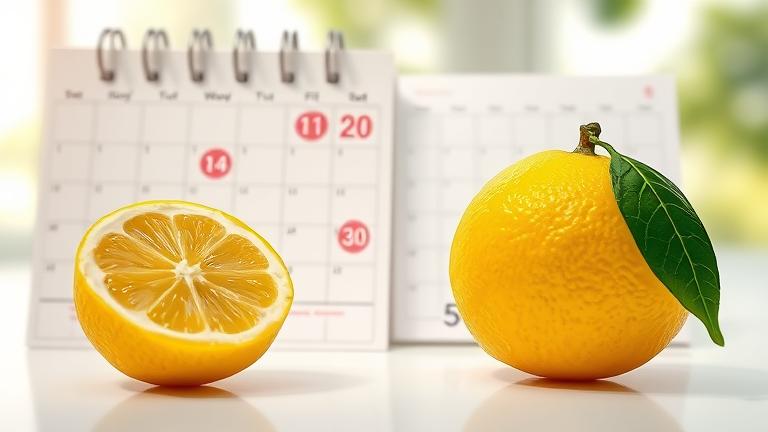
Does Lemon Actually Delay Menstruation?
Many people wonder if lemon can influence the timing of their period. Some believe that drinking lemon juice or consuming lemon in other ways might delay menstruation. While these ideas are popular, it is important to understand what science says about this claim. Lemons are nutritious and full of vitamin C, but their effect on the menstrual cycle is not well-supported by scientific evidence.
First, let’s look at what might make someone think lemon could delay their period. Lady’s lore and anecdotal reports suggest that high doses of vitamin C could influence hormonal balance. Since hormones like estrogen and progesterone control menstruation, some believe that altering these hormones might affect cycle timing. Lemon’s high vitamin C content leads some to think it could impact hormone levels, but scientific studies do not confirm this connection.
In fact, the menstrual cycle is primarily regulated by the body’s hormonal system. The fluctuation of hormones like estrogen and progesterone signals when the uterine lining sheds, leading to a period. These hormone levels are influenced by factors like stress, health, medications, and overall hormonal balance. Diets or foods, including lemon, are unlikely to have a strong enough effect to significantly change this cycle.
What Does Science Say?
- There is no solid scientific evidence that lemon or vitamin C can delay or advance menstruation.
- Some studies suggest that very high doses of vitamin C might influence estrogen levels slightly, but the impact is not enough to alter a menstrual cycle intentionally.
- Consuming lemon regularly is healthy, but it should not be relied upon to control your period.
It is worth noting that very high doses of vitamin C can have side effects, such as stomach upset or kidney stones. So, trying to use lemon or vitamin C supplements as a way to delay your period isn’t advisable. If you are considering altering your cycle for a specific reason, it is best to consult a healthcare professional.
Below is a helpful video explaining the science behind menstrual cycles and the effects of diet on hormones.
Practical Tips for Managing Menstruation
- If you want to predict or manage your period, keep a cycle calendar or use a period-tracking app.
- Eating a balanced diet, managing stress, and getting enough sleep support overall hormonal health.
- Talk to a doctor if you have irregular cycles or want to delay your period for an important event.
In summary, drinking lemon may be a healthy choice for many reasons, but it is not a proven method for delaying menstruation. Relying on more scientifically supported methods, like hormonal contraceptives or medical advice, is safer and more effective. Lemon is best enjoyed for its flavor and health benefits rather than as a hormonal magic trick.
Scientific Facts Behind Lemon’s Effect on Periods
Lemons are often thought of as a health booster, rich in vitamin C and antioxidants. But when it comes to their effect on menstrual cycles, what does science actually say? In this section, we’ll explore the research and evidence on how lemon might influence periods, helping you understand the facts behind this popular belief.
First, it’s important to know that lemon contains high amounts of vitamin C. This vitamin supports the immune system and helps maintain healthy skin. Some people believe that consuming lemon can help regulate menstrual cycles or ease symptoms like cramps. However, scientific research specifically linking lemon intake to period regulation is limited and inconclusive.
The Role of Vitamin C and Hormonal Balance
Vitamin C is involved in many body processes, including hormone production. In some cases, vitamin C might influence the balance of hormones like estrogen and progesterone, which regulate periods. For example, a small study suggested that high doses of vitamin C could help shorten heavy bleeding by strengthening blood vessels and reducing bleeding time.
But it’s important to note that these effects were observed with supplements or high doses of vitamin C, not necessarily from regular lemon consumption. Eating lemons alone is unlikely to dramatically change your hormonal cycle, but maintaining good vitamin C levels supports overall gynecological health.
Potential Antispasmodic and Anti-Inflammatory Effects
Lemon has natural anti-inflammatory and antispasmodic properties, thanks to its antioxidants. These qualities might help reduce menstrual cramps and discomfort. For some, drinking warm lemon water can soothe stomach upset or relax muscles during periods. Yet, scientific evidence confirming lemon as a treatment for cramps is scarce.
Most of the benefits are anecdotal, meaning they come from personal stories rather than controlled studies. Still, staying hydrated with lemon water can help your body function well during your period, which is always beneficial.
Possible Effects on Menstrual Flow
Conversely, some myths suggest that lemon can “speed up” or “delay” periods. There is no scientific proof that lemon can directly influence when your period begins or ends. Menstrual cycles are controlled mainly by hormonal signals from the brain and ovaries, which lemon does not significantly alter.
A balanced diet, regular exercise, and stress management are more effective ways to support a healthy cycle. Lemon can be part of a nutritious diet but should not be relied upon to control menstrual timing.
Safety and Practical Tips
- Enjoy lemon in your diet for its vitamin C and water content, which promote overall health.
- Use lemon water as a soothing beverage during your period, but don’t expect it to resolve menstrual issues alone.
- If you experience severe menstrual problems, consult a healthcare professional rather than relying solely on dietary changes.
While lemons are a healthy addition to your diet, their direct effect on periods is limited and not scientifically proven. They can support your health overall and help ease some symptoms, but they are not a cure or treatment for menstrual irregularities.
Natural Remedies and What Works Better
If you’re looking for natural ways to help regulate menstrual cycles, you’re not alone. Many women prefer to explore herbal and home remedies before turning to medication. However, not all remedies work equally well, so it’s useful to compare their effectiveness. In this section, we’ll look at some popular natural remedies and see how lemon stacks up against them for menstrual regulation.
First, let’s consider herbal teas. Remedies like ginger tea, chamomile, and cinnamon are commonly used to ease menstrual discomfort and promote regularity. Ginger, in particular, has anti-inflammatory properties and can help with cramps and irregular cycles. Chamomile is known for its calming effects, which may help with hormonal balance. Cinnamon, on the other hand, has been used traditionally to improve blood flow and regulate periods. These herbal teas are generally safe, easy to prepare, and can be enjoyed daily.
Next, some women turn to dietary adjustments. Incorporating foods rich in antioxidants like berries, leafy greens, and nuts may support hormonal health. Certain nutrients like vitamin B6 and magnesium are believed to balance hormones and normalize cycles. For example, eating a well-rounded diet with these nutrients can help stabilize your menstrual cycle naturally. However, dietary changes take time and consistent effort, and their effects are often subtle.
Exercise is another natural method sometimes recommended. Regular physical activity, especially aerobic exercise, can influence hormone levels and help regulate periods. Yoga and stretching exercises focusing on pelvic health are also popular. These methods promote overall well-being and can reduce PMS symptoms, but they might not work immediately for everyone.
How Does Lemon Compare?
Lemon is often touted as a natural remedy for various health issues, including menstrual regulation. Its high vitamin C content can strengthen blood vessels and improve circulation, which may have a mild impact on menstrual flow. Additionally, lemon’s detoxifying properties can support overall hormonal balance. Some women find drinking warm lemon water daily helpful to mildly regulate their cycle.
But when comparing lemon to other remedies like ginger tea or dietary changes, lemon’s effect tends to be less direct and less powerful. While lemon can be a healthy addition to your diet and may assist in minor cycle adjustments, it generally does not have robust hormonal-regulating properties on its own.
In terms of effectiveness, herbal teas with proven anti-inflammatory and hormonal-balancing ingredients like ginger or cinnamon tend to work better for menstrual regulation. They directly target the body’s hormonal pathways and promote regularity more reliably. Lemon can complement these remedies but should not be relied upon as the sole solution.
- For best results, combine natural remedies. For example, drink lemon water alongside ginger tea or incorporate nutrient-rich foods into your diet.
- Remember that each body reacts differently. What works for one person might not work for another.
- If cycle irregularities persist or are accompanied by severe pain, consult a healthcare provider. Natural remedies are supportive but not substitutes for medical advice in serious cases.
- Keep track of your cycle and note which remedies seem to help. This can guide your personalized approach to menstrual health.
Overall, while lemon has some health benefits and can support menstrual health, remedies like herbal teas and dietary improvements generally have a more noticeable effect. Combining different natural methods, along with patience and consistency, can help you find what works best for your cycle.
Risks of Using Lemon to Halt Your Period
Many people consider using lemon as a natural remedy to stop or delay their period. While some believe that lemon can influence hormone levels or induce changes, it is important to understand the potential health risks involved. Relying on lemon for this purpose can lead to unwanted side effects and even health complications.
One of the main concerns with using lemon to halt your period is that it can cause digestive problems. Lemon is highly acidic, and consuming large amounts or drinking it undiluted can lead to stomach upset, acid reflux, or irritation of the esophagus. If your stomach is sensitive, this method might cause discomfort or worsen existing digestive issues.
Another risk is allergic reactions. Some people are allergic or sensitive to citrus fruits like lemons. Signs of an allergy can include itching, swelling, difficulty breathing, or skin rashes. If you notice any of these symptoms after consuming lemon, seek medical help immediately.
Hormonal Imbalance and Irregular Cycles
Using lemon as a way to delay your period can interfere with your hormonal balance. Lemon contains vitamin C and other compounds that might influence estrogen levels in the body. But, trying to alter your cycle with such methods can backfire, leading to irregular periods or missed cycles. This hormonal disturbance can be particularly problematic if you have underlying health issues or are on birth control pills.
Impact on Menstrual Health
Introducing lemon into your system in an attempt to stop your period may affect your menstrual health. It doesn’t address the root cause of menstrual irregularities and might cause your cycle to become unpredictable. This uncertainty can be stressful, especially if you have upcoming plans or events.
Other Possible Side Effects
- Dehydration: Lemon is diuretic in nature, and excessive consumption might increase urination, leading to dehydration.
- Tooth Enamel Damage: The acidity of lemon can erode tooth enamel if you sip lemon water frequently without rinsing your mouth afterward.
- Electrolyte Imbalance: Heavy lemon intake could disturb mineral balance in your body, especially if paired with dehydration.
When to Be Cautious
If you are considering using lemon for any health-related reason, consult with a healthcare professional first. Especially if you have existing conditions like acid reflux, kidney problems, or allergies. Remember, natural remedies are not guaranteed and can sometimes do more harm than good.
In the end, while it might seem like a simple and natural solution, using lemon to halt your period carries risks that should not be underestimated. It’s safer to let your cycle run its natural course or speak with a healthcare provider for guidance on managing menstrual health safely.
Hormonal Changes and Menstrual Control
Hormonal fluctuations play a significant role in controlling our menstrual cycle. These changes are mainly driven by hormones like estrogen and progesterone, which regulate everything from ovulation to the timing of periods. Understanding how these hormones work can help you manage your cycle better and recognize what might be causing irregularities.
During the menstrual cycle, the levels of estrogen and progesterone rise and fall in a roughly 28-day pattern. For example, estrogen increases in the first half of the cycle, helping to thicken the uterine lining. After ovulation, progesterone takes over to prepare the lining for a possible pregnancy. If pregnancy doesn’t occur, hormone levels drop, leading to the shedding of the uterine lining—your period.
How Hormonal Fluctuations Affect Menstrual Health
When hormone levels are balanced, your periods tend to be regular, and symptoms are usually predictable. But factors like stress, diet, and health conditions can cause hormonal imbalances. These imbalances might make periods irregular, cause heavier flow, or lead to symptoms like PMS or cramps.
For example, high stress can increase cortisol levels, which may interfere with estrogen and progesterone. Similarly, poor nutrition might affect hormone production or function. If you notice irregular periods or severe symptoms, it may be worth discussing with a healthcare provider to explore the underlying causes.
Can Lemon Influence Hormonal Processes?
Many people wonder if certain foods, like lemon, can impact hormonal fluctuations. Lemon is rich in vitamin C and antioxidants, which are good for overall health. Vitamin C plays a role in supporting the immune system and reducing inflammation, but there’s limited scientific evidence directly linking lemon to hormonal regulation or menstrual control.
Some believe that because lemon can help reduce stress and boost immune function, it might indirectly support hormone balance. However, relying solely on lemon to regulate hormones is not effective. It’s best used as part of a balanced diet that includes a variety of nutrients, healthy fats, and adequate hydration.
Practical Tips for Supporting Hormonal Balance
- Eat a balanced diet rich in fruits, vegetables, whole grains, and healthy fats.
- Stay hydrated and include plenty of water and herbal teas like chamomile or ginger, which may help ease menstrual discomfort.
- Manage stress through relaxation techniques such as yoga, meditation, or simple breathing exercises.
- Maintain regular exercise, which can help regulate hormones and improve overall mood and health.
- Get enough sleep, as rest is vital for hormone production and balance.
- If you experience persistent irregularities, consult a healthcare professional for targeted treatment or testing.
Ultimately, while certain foods like lemon offer health benefits, they are not magic solutions for hormonal regulation or menstrual control. Prioritizing a healthy lifestyle and working with your healthcare team are the best ways to support your menstrual health.