
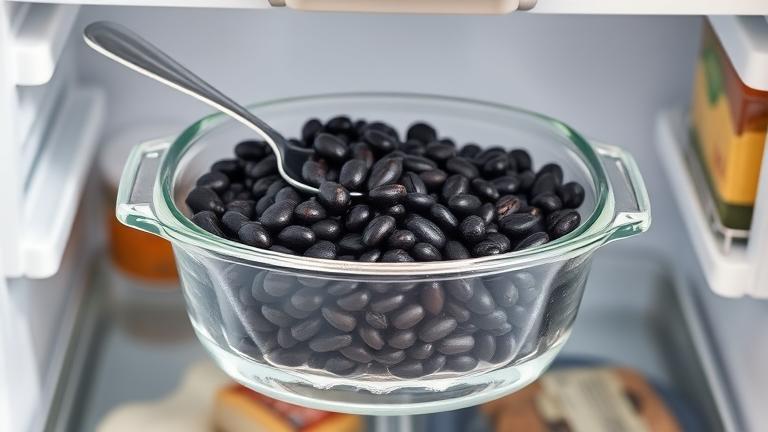
Best Ways to Store Cooked Black Beans
Storing cooked black beans properly is key to keeping them fresh, flavorful, and safe to eat later. Whether you’ve made a big batch or just cooked a small portion, knowing how to store black beans in the fridge can save you time and prevent waste.
Black beans are versatile and nutritious, but they can spoil if not stored correctly. Luckily, with some simple tips, you can keep your cooked black beans tasting great for several days.
Cooling the Beans
After cooking, it’s important to cool the black beans before placing them in the refrigerator. Hot beans can raise the fridge temperature and create a breeding ground for bacteria. Let them sit at room temperature for no more than an hour.
If you’re pressed for time, you can transfer the beans to a shallow dish to speed up cooling. Stirring occasionally helps them cool evenly. Once they have reached room temperature, they are ready to be stored.
Choosing the Right Container
Use airtight containers or resealable plastic bags to store cooked black beans. These help prevent moisture loss and keep out odors from other foods in the fridge.
For best results, choose containers that are clear so you can easily see how much is left. Label the containers with the date you cooked the beans. This makes it easier to keep track of freshness and know when to use them.
Storage Duration and Tips
| Storage Method | Duration | Additional Tips |
|---|---|---|
| Refrigerator in airtight container | Up to 3-4 days | Keep the beans submerged in their cooking liquid to maintain moisture. |
| Separated from cooking liquid | Up to 3 days | Drain excess liquid before storing to prevent sliminess. |
| In a resealable bag with some water | Up to 3 days | Remove excess air before sealing to prevent spoilage. |
Freezing for Longer Storage
If you want to save cooked black beans for longer, freezing is a great option. To do this:
- Divide the beans into portions suitable for future use.
- Place them in airtight freezer bags or containers. Removing as much air as possible helps prevent freezer burn.
- Label the packages with the date. They can stay good for up to 3 months.
- When ready to use, thaw the beans in the fridge overnight or add them directly to hot dishes from frozen.
Tips to Remember
- Always refrigerate cooked beans within an hour of cooking.
- Avoid storing beans in their cooking liquid for more than a few days, as it can affect texture.
- Reheat beans thoroughly until steaming hot before eating to ensure safety.
- Check for signs of spoilage like sour smell, sliminess, or mold. If in doubt, discard.
Tips for Keeping Beans Fresh Longer
Keeping cooked black beans fresh longer is a smart way to save time and reduce food waste. Whether you’ve cooked a big batch or just want to store leftovers, knowing how to properly store beans can help prevent spoilage. Here are some practical tips to keep your beans fresh and tasty for as long as possible.
1. Cool Beans Quickly
After cooking, it’s important to cool the beans quickly before storing them. Leaving hot beans at room temperature for too long can encourage bacteria growth. To speed up cooling, transfer the beans to a shallow container. This increases the surface area and helps them cool faster in the fridge.
Once cooled, cover the container tightly with a lid or plastic wrap. Put the beans in the fridge within two hours of cooking to keep them safe and fresh.
2. Use Airtight Containers
Storage is key to extending bean freshness. Use airtight containers or resealable plastic bags to keep beans sealed tightly. This prevents moisture loss, which can cause beans to dry out, and protects them from absorbing other fridge odors.
If you don’t have an airtight container, wrapping the beans tightly with plastic wrap also works. Just make sure there’s minimal air exposure.
3. Store at the Right Temperature
The ideal fridge temperature for storing cooked beans is below 40°F (4°C). Keep your fridge set to this temperature to slow down bacterial growth. Avoid leaving beans on the door shelf, where temperatures fluctuate more, and store them towards the back of the fridge for maximum freshness.
4. Freezing for Longer Storage
If you want to extend the shelf life even further, freezing is a great option. Transfer cooled beans into freezer-safe containers or heavy-duty freezer bags. Remove as much air as possible before sealing to prevent freezer burn.
Label the containers with the date so you can keep track. Frozen cooked beans can last for up to 6 months while maintaining good flavor and texture.
5. Keep Track of Storage Time
Knowing how long cooked beans stay good in the fridge is important. Generally, they stay fresh for 3 to 4 days. After that, the risk of spoilage increases. When in doubt, check for signs of spoilage like an off smell, slimy texture, or mold.
For frozen beans, aim to consume within 6 months for the best quality.
6. Avoid Cross-Contamination
Always use clean utensils when handling stored beans. Avoid dipping a used spoon back into the container to prevent bacteria from transferring. This simple habit can significantly extend the freshness and safety of your beans.
Additional Tips:
- Don’t store beans in the fridge for more than a week, even if they seem okay. Spoilage can happen quickly after that.
- Reheat beans thoroughly before eating, ensuring they reach at least 165°F (74°C).
- Consider adding a splash of lemon juice or vinegar when storing; the acidity can help preserve quality and prevent bacteria growth.
How Long Do Black Beans Last in the Fridge?
If you have cooked black beans leftover from a meal or prepared in advance, it’s important to know how long they stay fresh in your refrigerator. Proper storage ensures you enjoy their delicious flavor and avoid food waste or potential illness. Typically, cooked black beans can last in the fridge for about 3 to 4 days.
To keep your black beans safe and tasty, always store them in an airtight container or a well-covered bowl. This helps prevent contamination and keeps moisture in, which is key to maintaining quality. Make sure your refrigerator is set to a temperature of 40°F (4°C) or below. This temperature slows down bacterial growth, keeping your leftovers safer longer.
Signs That Black Beans Are No Longer Safe to Eat
- Bad smell: If your black beans develop a sour or off odor, it’s a sign bacteria have started to grow.
- Change in appearance: Look for mold, unusual colors, or a slimy texture on the beans or the liquid they are stored in.
- Odd taste: If the beans taste sour or strange in any way, it’s safest to discard them.
- Extended storage time: If the beans have been in the fridge for more than 4 days, it’s better to throw them out, even if they look and smell fine.
Tips for Safe Storage
- Cool cooked beans quickly after cooking and refrigerate within two hours to prevent bacteria growth.
- Divide large portions into smaller containers for quick cooling and easy use later.
- Label your containers with the date so you know how long they’ve been stored.
- For longer storage, consider freezing cooked black beans. They can last up to 3 months when stored properly in airtight containers or freezer bags.
Practical Advice
Always trust your senses when checking leftovers. Even if it has been within the safe timeframe, if anything looks, smells, or tastes off, it’s best to toss it. When reheating black beans, bring them to a boil or at least 165°F (74°C) to kill any lingering bacteria. Use a microwave, stovetop, or oven, and stir well to ensure even heating.
By following these simple tips, you can enjoy your cooked black beans safely and avoid any health risks. Remember, when in doubt, throw it out. Better safe than sorry, especially with leftovers in the fridge.
Ideal Containers for Black Beans Storage
Storing cooked black beans properly is key to keeping them fresh and safe to eat later. Choosing the right container helps prevent leaks, keeps out air, and maintains the beans’ flavor and texture. Whether you cook a big batch or just have leftovers, using the best containers makes a difference.
First, it’s important to select containers that are airtight. These containers have a tight seal that prevents air from entering, which helps extend the freshness of your black beans. Air exposure can cause beans to spoil faster or develop off-flavors. Look for options made from high-quality plastic, glass, or stainless steel that specifically mention being airtight.
Best Types of Containers
- Glass Containers – Many home cooks prefer glass because it doesn’t stain, odor, or stain. Glass also allows you to see the contents easily. Use containers with a rubber gasket or a sealed lid for the best airtight fit. They are dishwasher safe and safe for reheating in the microwave or oven.
- Plastic Containers – Choose BPA-free plastic that seals tightly. These are lightweight, durable, and often come in handy sizes. Make sure the lid snaps on securely to prevent leaks. Avoid using cheap or old plastic containers that may crack or lose their seal over time.
- Stainless Steel Containers – These are a great option if you want a durable, leak-proof container. They are usually airtight and won’t retain odors. However, they don’t allow you to see inside, so keep track of what’s stored in them.
Additional Tips for Storage
When storing cooked black beans, always let them cool completely before sealing them in the container. Hot beans can create condensation inside the container, which might promote mold or bacteria growth.
Label your containers with the date you cooked the beans. This helps you keep track of how long they’ve been stored. Cooked black beans should be used within 3 to 4 days if kept in the refrigerator. For longer storage, consider freezing them.
Freezing Black Beans
| Container Type | Suitable for Freezing | Best Practices |
|---|---|---|
| Glass | Yes, leave some space at the top for expansion | Use freezer-safe glass containers with airtight lids |
| Plastic | Yes, ensure it is freezer-safe and BPA-free | Leave about an inch of headspace before sealing tightly |
| Stainless Steel | Yes, but avoid sealing with a lid that’s not refrigerator safe | Use with an additional freezer-safe bag or wrap for extra seal |
Remember, for best quality, use frozen black beans within 2 to 3 months. Proper storage containers make a big difference in maintaining the taste and texture of your beans when stored in the freezer.
Reheating Cooked Black Beans Safely
Reheating cooked black beans is a great way to enjoy their flavor again, but it’s important to do it safely. Proper reheating helps prevent foodborne illnesses and keeps your beans tasting fresh. Whether you’ve stored leftovers in the fridge or freezer, following the right steps ensures your beans stay delicious and safe to eat.
Proper Storage Tips
- Cool the beans within two hours after cooking.
- Store beans in airtight containers to prevent contamination and preserve freshness.
- Label the containers with the date so you know how long they’ve been stored.
- For short-term storage, keep in the fridge for up to four days. For longer storage, freeze for up to three months.
Reheating Methods
When you’re ready to reheat your black beans, there are several safe and effective methods to choose from:
- Microwave: Transfer the beans to microwave-safe dish, cover loosely with a microwave cover or vented lid, and heat in short bursts of 30-60 seconds. Stir in between to promote even heating. Make sure the beans reach an internal temperature of at least 165°F (74°C) to kill any bacteria.
- Stovetop: Place the beans in a saucepan or skillet. Add a splash of water or broth to prevent sticking or dryness. Cover and heat over medium heat, stirring occasionally. Use a food thermometer to check that the internal temperature hits 165°F (74°C).
- Oven: Preheat your oven to 350°F (175°C). Place the beans in an oven-safe dish, cover with foil, and bake for about 20 minutes or until thoroughly heated. Again, check the temperature with a food thermometer.
Safety Tips to Remember
- Always reheat beans to at least 165°F (74°C). This kills most bacteria that can cause illness.
- Only reheat the amount you plan to eat. Avoid reheating leftovers multiple times, as this can increase risk of bacteria growth.
- If the beans develop an off smell, strange color, or slimy texture, discard them. Do not taste or eat them.
- Thaw frozen black beans safely. Transfer from the freezer to the fridge a day before reheating, or use the microwave’s defrost function.
By following these simple reheating practices, you can enjoy your stored black beans without worry. They’ll stay flavorful and safe, making your meals both delicious and healthy. Enjoy your beans hot and fresh, just like when you first cooked them!
Signs Black Beans Have Gone Bad
Knowing how to tell if cooked black beans have gone bad is important for keeping your meals safe and tasty. Black beans are a nutritious and versatile ingredient, but like all food, they can spoil if not handled or stored properly. Being able to spot the signs of spoilage helps you avoid foodborne illnesses and wasted food.
First, always check the smell. Fresh cooked black beans have a mild, earthy aroma. If they emit a sour, rotten, or foul odor, it’s a strong sign that they are no longer safe to eat. Trust your nose; it’s often the first and best warning system.
Visual Signs of Spoilage
Next, look at the beans and the cooking liquid. If you notice any discoloration, such as a dull or slimy appearance, it could mean they have gone bad. Usually, fresh cooked black beans are shiny and plump. If they look shriveled, excessively slimy, or have a white or greenish film on the surface, discard them.
Additionally, examine the surrounding liquid. Cloudy or frothy liquid might indicate bacterial activity. Sometimes, mold can even develop on the surface of the beans or the liquid. If you see any mold, avoid eating the beans immediately.
Texture and Taste
If the beans feel slimy or gooey to the touch, they are likely spoiled. Fresh cooked beans should be tender but retain their shape and firmness. A slimy texture often indicates bacterial or yeast growth.
When in doubt, taste a small spoonful. If the flavor is off — sour, bitter, or just strange — it’s safest to throw them out. Never taste beans that look or smell suspicious. Food poisoning is not worth the risk.
Storage Time and Temperature
Keeping black beans in the refrigerator for more than 3 to 5 days can increase the chance of spoilage. Always store cooked beans in an airtight container and refrigerate promptly after cooking. If beans have been left out at room temperature for more than 2 hours, they should be discarded.
Similarly, if you’ve frozen cooked black beans, use them within 2 to 3 months for best quality and safety. Always label your containers with dates to keep track of how long they’ve been stored.
Common Mistakes to Avoid
- Leaving cooked beans out at room temperature for too long.
- Reheating beans that smell or look odd.
- Using beans stored beyond recommended timeframes.
- Sharing beans that have mold or an unusual appearance.
Safety First
If you notice any of the signs above, it’s best to err on the side of caution and discard the beans. Eating spoiled food can cause stomach upset or more serious foodborne illnesses. When in doubt, throw it out and cook a fresh batch instead. Your health is worth it!
Easy Recipes Using Stored Black Beans
If you have stored black beans ready in your pantry or freezer, you’re all set for quick and tasty meals. Black beans are versatile and packed with nutrients, making them a great ingredient to have on hand. In this section, you’ll discover simple recipes that turn your stored black beans into delicious dishes in no time.
Using stored black beans, you can whip up hearty soups, flavorful salads, or quick wraps. The best part is that these recipes require minimal prep and can be customized to your taste. Whether you prefer spicy, savory, or mild flavors, the following ideas offer flexible options for every palate.
Black Bean Tacos
Black bean tacos are a quick, satisfying meal perfect for busy weeknights. Start by heating your stored black beans in a saucepan. You can add spices like cumin, chili powder, and a pinch of garlic powder for extra flavor. While the beans warm, prepare your taco toppings—chopped lettuce, diced tomatoes, shredded cheese, and a squeeze of lime work well.
Warm up some tortillas in a skillet or microwave. Spoon the beans onto each tortilla, then top with your favorite toppings. A dash of hot sauce or salsa adds a nice kick. These tacos come together in about 10 minutes and make a filling, nutritious dinner.
Black Bean Salad
This refreshing salad is easy to assemble with stored black beans. Drain and rinse the beans if they are canned or thawed. In a large bowl, combine the beans with chopped red onion, diced bell peppers, corn kernels, and chopped cilantro. For the dressing, mix olive oil, lime juice, salt, and pepper. Toss everything together and serve chilled.
This black bean salad is great as a side dish or a light main course. You can also add avocado slices or shredded chicken to make it even more filling. It’s perfect for picnics, potlucks, or quick weeknight dinners.
Black Bean Soup
For a cozy, nutritious meal, black bean soup is fantastic. Use your stored black beans as the base. In a large pot, sauté chopped onions and garlic in a bit of oil until soft. Add cooked black beans, vegetable or chicken broth, and seasonings like cumin, paprika, and a splash of hot sauce if you like spice.
Simmer for about 20-30 minutes to let the flavors meld. For a creamier texture, blend part of the soup with an immersion blender or transfer to a regular blender and carefully blend until smooth. Serve hot with crusty bread and a dollop of sour cream or grated cheese.
Tips for Using Stored Black Beans
- If using dried black beans, soak them overnight and cook until tender before using.
- If using canned or thawed beans, rinse and drain to remove excess sodium and impurities.
- For quick recipes, frozen black beans are a great option—they can be added directly to dishes after thawing.
- Experiment with flavors by adding spices like cumin, chili powder, or coriander to enhance the taste.
- Prepare larger batches and store leftovers in sealed containers for future meals.
With these simple recipes and tips, your stored black beans will become the star ingredients in your quick, healthy meals. Keep your pantry stocked, and you’ll always have a tasty foundation ready to go!